https://en.arctic.ru
Preserving cultural heritage of indigenous peoples of Russia: Traditions, laws, and support
Preserving cultural heritage of indigenous peoples of Russia: Traditions, laws, and support
Arctic.ru: Discover how Russia implements its development goals in the Arctic and the Far East
2026-06-08T10:00
2026-06-08T10:00
2026-06-08T10:00
social affairs
/img/07ea/05/1b/1507523_0:157:3233:1976_1920x0_80_0_0_98bb7ab7d742e8306ea5a2c5952dee7e.jpg
Russia is a country of rich ethnic diversity, in which small-numbered indigenous peoples occupy a special place. This category includes communities whose unique cultures have evolved over centuries in the harsh environments of the Arctic, Siberia, and the Far East – primarily the small indigenous peoples of the North.Arctic.ru examines who belongs to this category, what measures the state is taking to preserve their identity, and the challenges these communities face today.Who are considered indigenous peoples in Russia?The question of who qualifies as a small-numbered indigenous people is clearly defined by law. According to Federal Law No. 82-FZ of April 30, 1999, On Guarantees of the Rights of Indigenous Small-Numbered Peoples of the Russian Federation, this category includes peoples who live in territories traditionally inhabited by their ancestors; preserve their traditional way of life, economic activities, and crafts; identify themselves as distinct ethnic communities; and number fewer than 50,000 people.The Russian Arctic is home to around 20 such peoples, which can be broadly grouped according to their traditional ways of life.Among tundra reindeer herders are the Sami, Nenets, Enets, Nganasans, Dolgans, Northern Khanty, Selkups, and Evenks. Sea hunters and coastal reindeer herders include the Chukchi, Koryaks, and Eskimos. Other indigenous groups are the Mansi, Veps, Yukaghirs, Chuvans, and Kereks.At the same time, Arctic peoples such as the Yakuts and Komi are not classified as small indigenous peoples.Legislative measures to preserve identity, traditional lifestyles, and cultureThe state provides legislative support aimed at preserving the identity, traditional way of life, economic activities, crafts, and cultural heritage of small indigenous peoples.At the federal level, a key safeguard is Article 69 of the Constitution of the Russian Federation, which guarantees the rights of small-numbered indigenous peoples in accordance with generally recognized principles and norms of international law, as well as Russia’s international treaties.This article also commits the state to protecting the cultural identity of all peoples and ethnic communities in Russia and guarantees the preservation of ethnocultural and linguistic diversity.During the 2020 constitutional reform, the provisions of Article 69 were significantly strengthened. In addition to guaranteeing the rights of small-numbered indigenous peoples, the revised article introduced direct state obligations to preserve the cultural identity of all peoples and ethnic groups in the Russian Federation.As a result, constitutional protection of small-numbered indigenous peoples evolved from a single legal norm into a broader constitutional principle. This requires public authorities at all levels to take the interests of small-numbered indigenous peoples into account when making decisions that affect traditional territories or ways of life, from urban development planning to the issuance of subsoil use licenses.There are also two key federal laws.The first is Federal Law No. 82-FZ On Guarantees of the Rights of Small-Numbered Indigenous Peoples of the Russian Federation, which establishes the legal foundation for protecting the distinctive socioeconomic and cultural development of indigenous peoples, as well as their traditional habitats, lifestyles, economic activities, and crafts.The second is Federal Law No. 104-FZ, On the General Principles of Organization of Communities of Small-Numbered Indigenous Peoples of the North, Siberia, and the Far East of the Russian Federation, which governs the establishment and operation of indigenous communities.What government programs and support mechanisms are available?The key initiative in this area is the state support program for the traditional economic activities of indigenous small-numbered peoples in the Russian Arctic, approved by Government Directive No. 978-r of April 15, 2021.The program’s main support mechanisms include subsidies for the purchase and modernization of equipment used in reindeer herding, marine mammal harvesting, and fishing; the development of industrial and technological infrastructure, including industrial and logistics hubs for traditional economic activities; the allocation of land plots to indigenous communities; and preferential loans for agricultural development.For example, in the Yamalo-Nenets Autonomous Area, indigenous residents are eligible for compensation covering the costs of registering housing and land ownership documents. Representatives of indigenous small-numbered peoples can also receive certificates for education and for the purchase of reindeer. Subsidies are available for students as well.In the Khanty-Mansi Autonomous Area, authorities plan to introduce 100-percent housing subsidies for the purchase or construction of homes starting in 2026.In the Krasnoyarsk Territory, reindeer herders and traditional hunters receive subsidies and reimbursement for expenses, including communications equipment, kerosene, and specialized gear.In addition to the program, in January 2026, the Government approved a three-year action plan for implementing the Concept of Sustainable Development for Indigenous Small-Numbered Peoples of the North, Siberia and the Far East.The plan includes more than 100 initiatives grouped into several thematic areas.Social and economic projects for indigenous small-numbered peoples of the NorthThese projects include programs to equip schools in indigenous communities with modern technology and textbooks in their native languages.One example is the introduction of textbooks on Nanai literature, which are scheduled to appear in schools across the Khabarovsk Territory for the first time this year.Updated versions of textbooks in the languages of the indigenous peoples of Kamchatka, Evenkia and Taimyr were published in the end of 2025.Support is also available for young people pursuing vocational and higher education. In the Krasnoyarsk Territory, for instance, assistance programs are available for indigenous students belonging to indigenous small-numbered peoples of the North living in Taimyr, Evenkia, Turukhansk, Yeniseisk, North-Yeniseisk and Bogotol municipal districts who study outside their home regions at universities and secondary vocational schools.Efforts are also underway to expand digital support services for indigenous communities. In September 2025, Yamal’s public services portal launched a dedicated section bringing together all regional support measures for indigenous small-numbered peoples.Traditional economic activities continue to receive targeted support as well. In the Krasnoyarsk Territory, indigenous community projects received funding for the processing of wild plants, fish, poultry, and reindeer meat, as well as for the collection and processing of hides, antlers, and fur products, and the establishment of procurement centers and processing facilities.Regional authorities also work annually to promote traditional products on domestic and international markets, showcasing them at exhibitions and trade fairs.In Karelia, an Association of Seaweed Harvesters and Processors was recently registered. The new organization aims to unite companies involved in harvesting and processing marine biological resources in order to implement large-scale investment projects.Efforts are underway to develop national tourist routes featuring historical and cultural landmarks located in areas inhabited by indigenous peoples.One example is the launch of a mobile app for visitors to Ingilor Nature Park in the Yamalo-Nenets Autonomous Area.In February this year, a memorial titled Yamal Soldiers − Defenders of Stalingrad was unveiled on Mamayev Kurgan.An important element of preserving indigenous heritage is promoting traditions through public events and festivals. One notable example is the Arctic festival Teriberka in the Murmansk Region, which showcases the culture and traditional way of life of indigenous peoples.
2026
Новости
ru-RU
https://en.arctic.ru/docs/about/copyright.html
https://xn--c1acbl2abdlkab1og.xn--p1ai/
/img/07ea/05/1b/1507523_502:0:3233:2048_1920x0_80_0_0_2954693dc34df4baf4c8ce9d4b35df2d.jpgsocial affairs
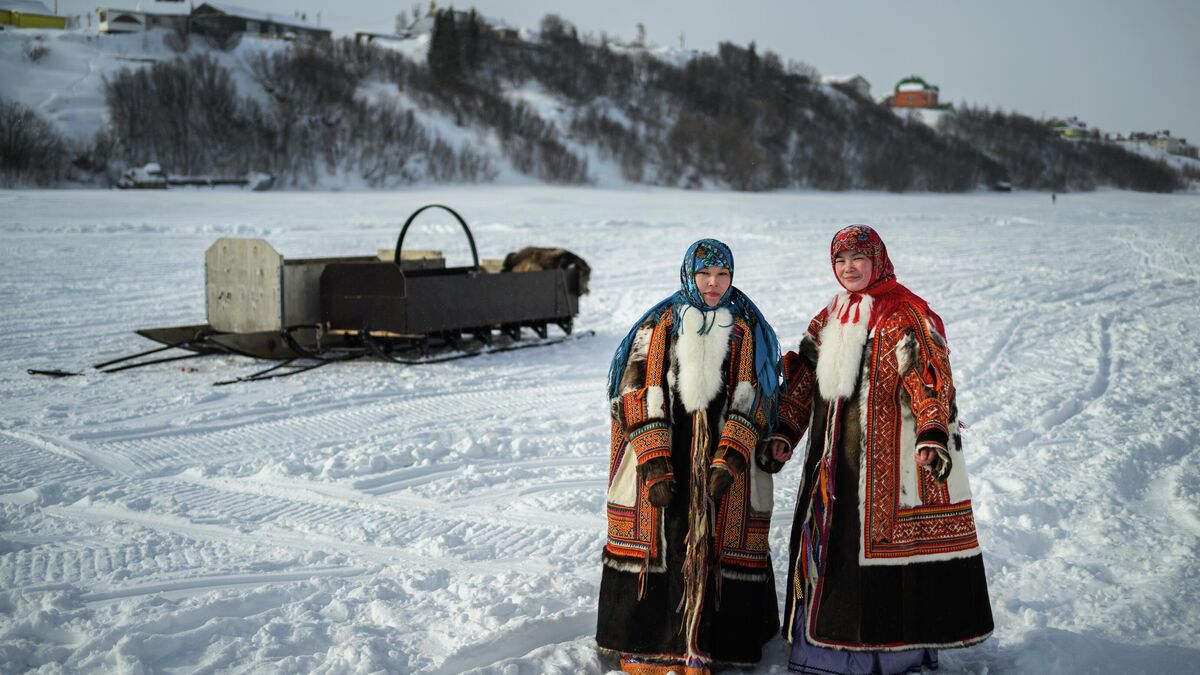
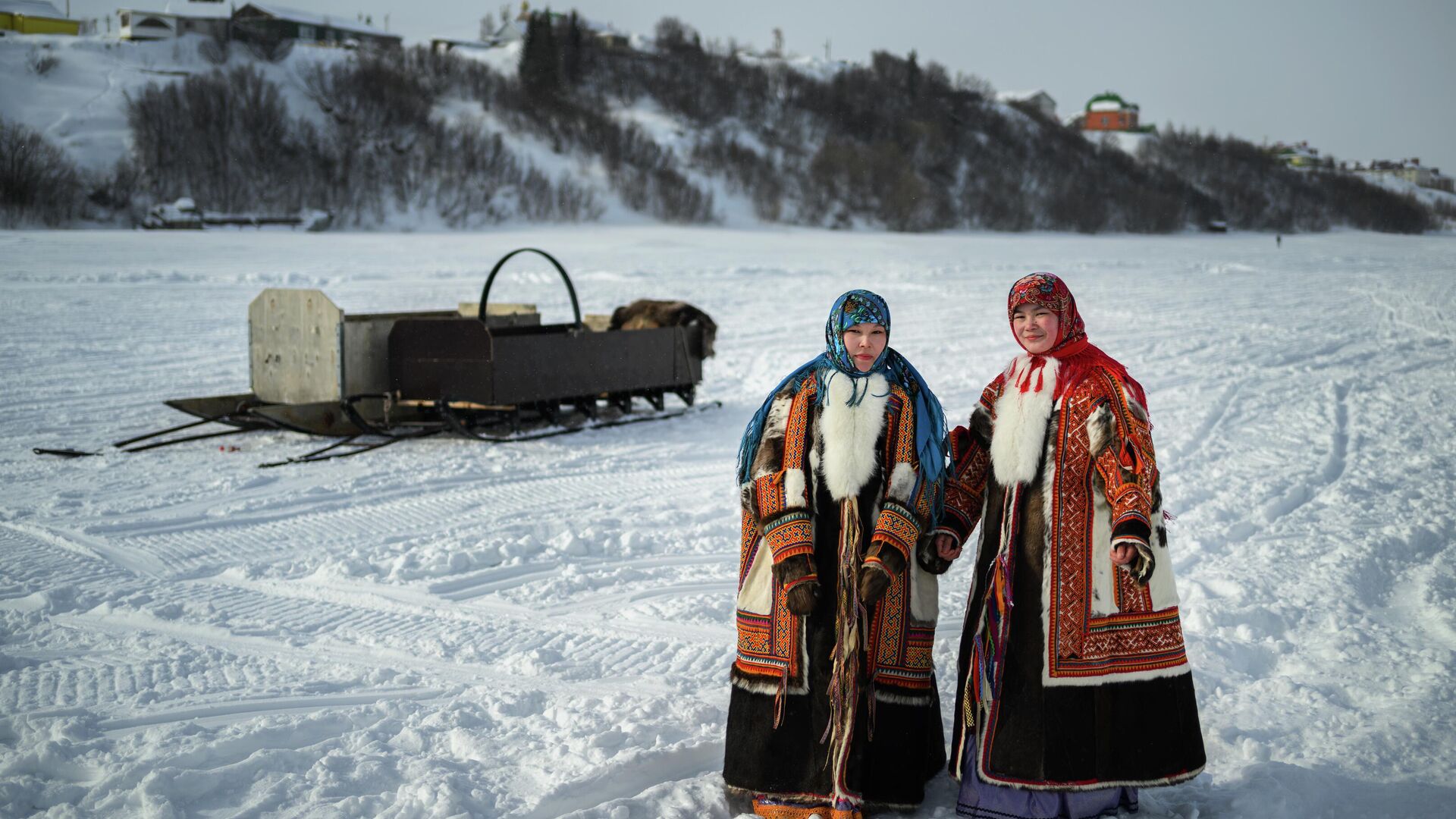
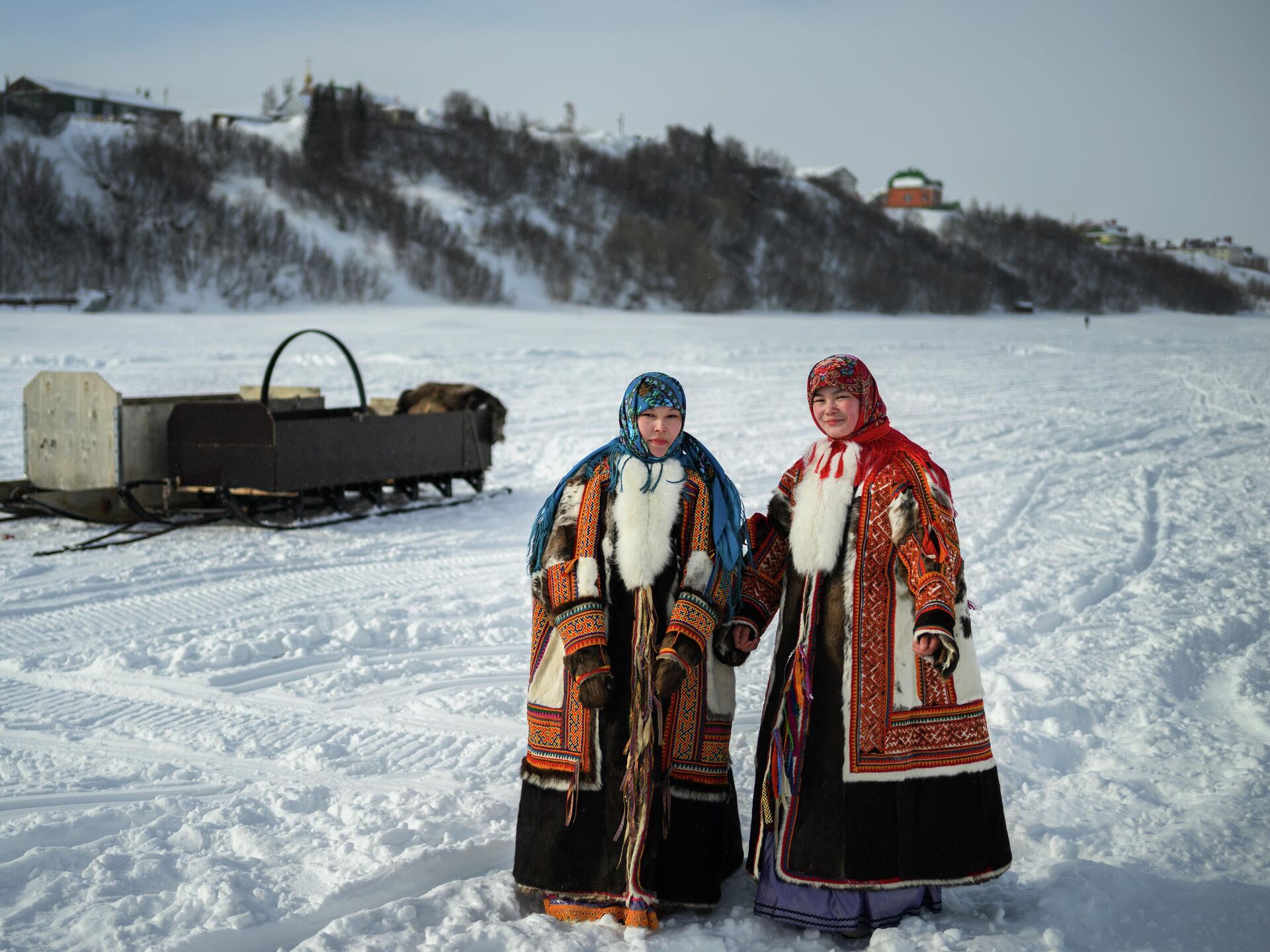
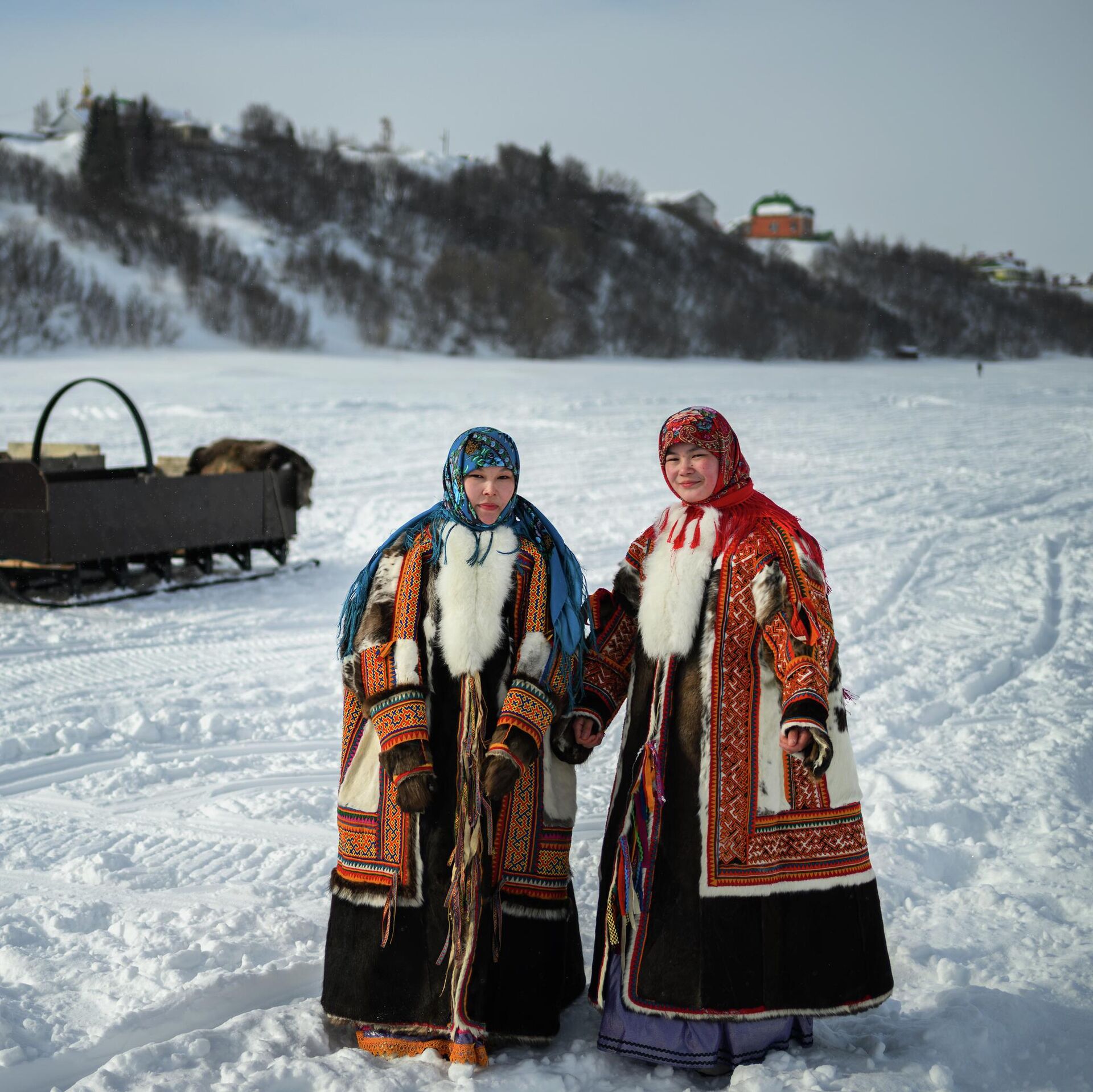
Russia is a country of rich ethnic diversity, in which small-numbered indigenous peoples occupy a special place. This category includes communities whose unique cultures have evolved over centuries in the harsh environments of the Arctic, Siberia, and the Far East – primarily the small indigenous peoples of the North.
Arctic.ru examines who belongs to this category, what measures the state is taking to preserve their identity, and the challenges these communities face today.
Who are considered indigenous peoples in Russia?
The question of who qualifies as a small-numbered indigenous people is clearly defined by law. According to Federal Law No. 82-FZ of April 30, 1999, On Guarantees of the Rights of Indigenous Small-Numbered Peoples of the Russian Federation, this category includes peoples who live in territories traditionally inhabited by their ancestors; preserve their traditional way of life, economic activities, and crafts; identify themselves as distinct ethnic communities; and number fewer than 50,000 people.
The Russian Arctic is home to around 20 such peoples, which can be broadly grouped according to their traditional ways of life.Among tundra reindeer herders are the Sami, Nenets, Enets, Nganasans, Dolgans, Northern Khanty, Selkups, and Evenks. Sea hunters and coastal reindeer herders include the Chukchi, Koryaks, and Eskimos. Other indigenous groups are the Mansi, Veps, Yukaghirs, Chuvans, and Kereks.
At the same time, Arctic peoples such as the Yakuts and Komi are not classified as small indigenous peoples.
Legislative measures to preserve identity, traditional lifestyles, and culture
The state provides legislative support aimed at preserving the identity, traditional way of life, economic activities, crafts, and cultural heritage of small indigenous peoples.
At the federal level, a key safeguard is Article 69 of the Constitution of the Russian Federation, which guarantees the rights of small-numbered indigenous peoples in accordance with generally recognized principles and norms of international law, as well as Russia’s international treaties.
This article also commits the state to protecting the cultural identity of all peoples and ethnic communities in Russia and guarantees the preservation of ethnocultural and linguistic diversity.
During the 2020 constitutional reform, the provisions of Article 69 were significantly strengthened. In addition to guaranteeing the rights of small-numbered indigenous peoples, the revised article introduced direct state obligations to preserve the cultural identity of all peoples and ethnic groups in the Russian Federation.
As a result, constitutional protection of small-numbered indigenous peoples evolved from a single legal norm into a broader constitutional principle. This requires public authorities at all levels to take the interests of small-numbered indigenous peoples into account when making decisions that affect traditional territories or ways of life, from urban development planning to the issuance of subsoil use licenses.
There are also two key federal laws.
The first is Federal Law No. 82-FZ On Guarantees of the Rights of Small-Numbered Indigenous Peoples of the Russian Federation, which establishes the legal foundation for protecting the distinctive socioeconomic and cultural development of indigenous peoples, as well as their traditional habitats, lifestyles, economic activities, and crafts.
The second is Federal Law No. 104-FZ, On the General Principles of Organization of Communities of Small-Numbered Indigenous Peoples of the North, Siberia, and the Far East of the Russian Federation, which governs the establishment and operation of indigenous communities.
What government programs and support mechanisms are available?
The key initiative in this area is the state support program for the traditional economic activities of indigenous small-numbered peoples in the Russian Arctic, approved by Government Directive No. 978-r of April 15, 2021.
The program’s main support mechanisms include subsidies for the purchase and modernization of equipment used in reindeer herding, marine mammal harvesting, and fishing; the development of industrial and technological infrastructure, including industrial and logistics hubs for traditional economic activities; the allocation of land plots to indigenous communities; and preferential loans for agricultural development.
For example, in the Yamalo-Nenets Autonomous Area, indigenous residents are eligible for compensation covering the costs of registering housing and land ownership documents. Representatives of indigenous small-numbered peoples can also receive certificates for education and for the purchase of reindeer. Subsidies are available for students as well.
In the Khanty-Mansi Autonomous Area, authorities plan to introduce 100-percent housing subsidies for the purchase or construction of homes starting in 2026.
In the Krasnoyarsk Territory, reindeer herders and traditional hunters receive subsidies and reimbursement for expenses, including communications equipment, kerosene, and specialized gear.
In addition to the program, in January 2026, the Government
approved a three-year action plan for implementing the Concept of Sustainable Development for Indigenous Small-Numbered Peoples of the North, Siberia and the Far East.
The plan includes more than 100 initiatives grouped into several thematic areas.
Social and economic projects for indigenous small-numbered peoples of the North
These projects include programs to equip schools in indigenous communities with modern technology and textbooks in their native languages.
One example is the introduction of textbooks on Nanai literature, which are scheduled to
appear in schools across the Khabarovsk Territory for the first time this year.
Updated versions of textbooks in the languages of the indigenous peoples of Kamchatka, Evenkia and Taimyr were
published in the end of 2025.
Support is also available for young people pursuing vocational and higher education. In the Krasnoyarsk Territory, for instance, assistance programs are
available for indigenous students belonging to indigenous small-numbered peoples of the North living in Taimyr, Evenkia, Turukhansk, Yeniseisk, North-Yeniseisk and Bogotol municipal districts who study outside their home regions at universities and secondary vocational schools.
Efforts are also underway to expand digital support services for indigenous communities. In September 2025, Yamal’s public services portal
launched a dedicated section bringing together all regional support measures for indigenous small-numbered peoples.
Traditional economic activities continue to receive targeted
support as well. In the Krasnoyarsk Territory, indigenous community projects received funding for the processing of wild plants, fish, poultry, and reindeer meat, as well as for the collection and processing of hides, antlers, and fur products, and the establishment of procurement centers and processing facilities.
Regional authorities also work annually to promote traditional products on domestic and international markets, showcasing them at exhibitions and trade fairs.
In Karelia, an Association of Seaweed Harvesters and Processors was recently
registered. The new organization aims to unite companies involved in harvesting and processing marine biological resources in order to implement large-scale investment projects.
Efforts are underway to develop national tourist routes featuring historical and cultural landmarks located in areas inhabited by indigenous peoples.
One example is the
launch of a mobile app for visitors to Ingilor Nature Park in the Yamalo-Nenets Autonomous Area.
In February this year, a memorial titled Yamal Soldiers − Defenders of Stalingrad was
unveiled on Mamayev Kurgan.
An important element of preserving indigenous heritage is promoting traditions through public events and festivals. One notable
example is the Arctic festival Teriberka in the Murmansk Region, which showcases the culture and traditional way of life of indigenous peoples.