https://en.arctic.ru
Yury Trutnev: At least 50 ice-class cargo vessels will be needed by 2030
Yury Trutnev: At least 50 ice-class cargo vessels will be needed by 2030
Arctic.ru: Discover how Russia implements its development goals in the Arctic and the Far East
2026-04-20T10:34
2026-04-20T10:34
2026-04-21T09:22
news
state commission for arctic development
arctic zone of russia
yury trutnev
/img/07ea/04/14/1410896_0:31:1136:669_1920x0_80_0_0_b658b755a706b5c44bef8748706dd9c5.jpg
The current order book of the Zvezda shipbuilding complex provides for the construction of 26 cargo vessels for freight operations along the Northern Sea Route, Deputy Prime Minister andPresidential Plenipotentiary Envoy to the Far Eastern Federal District Yury Trutnev said at a meeting of the State Commission for Arctic Development.“An additional three tankers are under consideration, with delivery scheduled for 2029. It is clear that this will not be sufficient to meet shippers’ needs. There are plans to create new capacity in the Far East and to modernize an existing shipyard in St. Petersburg,” he said.In December 2025, the first icebreaking LNG carrier built in Russia was delivered to its customer. It is the lead vessel in a series for the Arctic LNG 2 project, Deputy Minister of Industry and Trade Albert Karimov noted.“We are currently working on projects to establish new shipbuilding capacity in the Far East and to modernize Severnaya Verf for vessels of this type. At the same time, we are developing a domestically produced LNG carrier and supporting the production of Russian-made shipequipment,” Karimov added.LNG carriers are planned to be built at the Zvezda shipbuilding complex and at Severnaya Verf (following modernization). Potentialcooperation with friendly countries isalso under consideration. In addition, the long-term plan for civilian ship construction through 2035 and the 2050 planning period has been updated. The Ministry of Industry and Trade has also developed and approved a program for the repair of vessels operating in the Arctic through 2035.As Yury Trutnev noted, ensuring safe navigation along the Northern Sea Route will require dredging operations in the ports of Sabetta, Dikson and Pevek. At least 15 vessels and auxiliary units will be needed for this work.The annual volume of dredging on inland waterways exceeds 10 million cubic meters, including more than 1.2 million cubic meters in the Arctic zone. Maintenance of inland waterways to ensure guaranteed navigation channel dimensions is carried out on the Ob, Yenisei, Lena, Yana, Indigirka and Kolyma rivers, Minister of Transport Andrei Nikitin said.He added that in 2026-2027, 12 additional dredgers are expected to be acquired with federal fundingfor the Lena, Ob-Irtysh and Dvina-Pechora basins under leasing arrangements.The Kondor-FKA radar observation satellite cluster consisting of Kondor-FKA No. 1 and No. 2 spacecraft has started operating. It enables the mapping of ice conditions to support route planning along the Northern Sea Route during the polar night season. To expand radar monitoring, the Obzor-R No. 1 satellite was launched in December of last year. Following the completion of flight tests, it will be brought into service. Hydrometeorological data is provided using the Meteor-3M satellite system.According to Yury Trutnev, national targets through 2030 include eliminating accumulated environmental damage and developing environmental systems in the Arctic zone.“We must eliminate at least 50 hazardous sites associated with accumulated environmental damage. There are 65 such sites in the Russian Arctic zone, including abandoned industrial enterprises, tailings storage sites, quarries, wells and sunken vessels. Eleven of these sites will be addressed under the General Cleanup federal project,” he said.The Federal Service for Supervision of Natural Resources and the Federal Service for the Oversight of Consumer Protection and Welfare have assessed 66 sites in the Murmansk and Arkhangelsk regions, the Krasnoyarsk Territory, the Komi Republic and Yakutia, Chukotka, and the Nenets and Yamal-Nenets autonomous areas. Twenty-one sites meet the criteria for posing risks to the environment and public health, and federal subsidies are planned for their remediation.Following the discussion, Yury Trutnev instructed Arctic regions to ensure that contracts are concluded for the design of projects to eliminate accumulated environmental damage, taking into account comments from the Main State Expert Review Authority (Glavgosekspertiza), by June 2026.
https://en.arctic.ru/category_infrastructure/20260206/1074060.html
2026
Новости
ru-RU
https://en.arctic.ru/docs/about/copyright.html
https://xn--c1acbl2abdlkab1og.xn--p1ai/
/img/07ea/04/14/1410896_0:0:1136:852_1920x0_80_0_0_f4e1834dfa9a24ebf008d941121df55f.jpgnews, state commission for arctic development, arctic zone of russia, yury trutnev
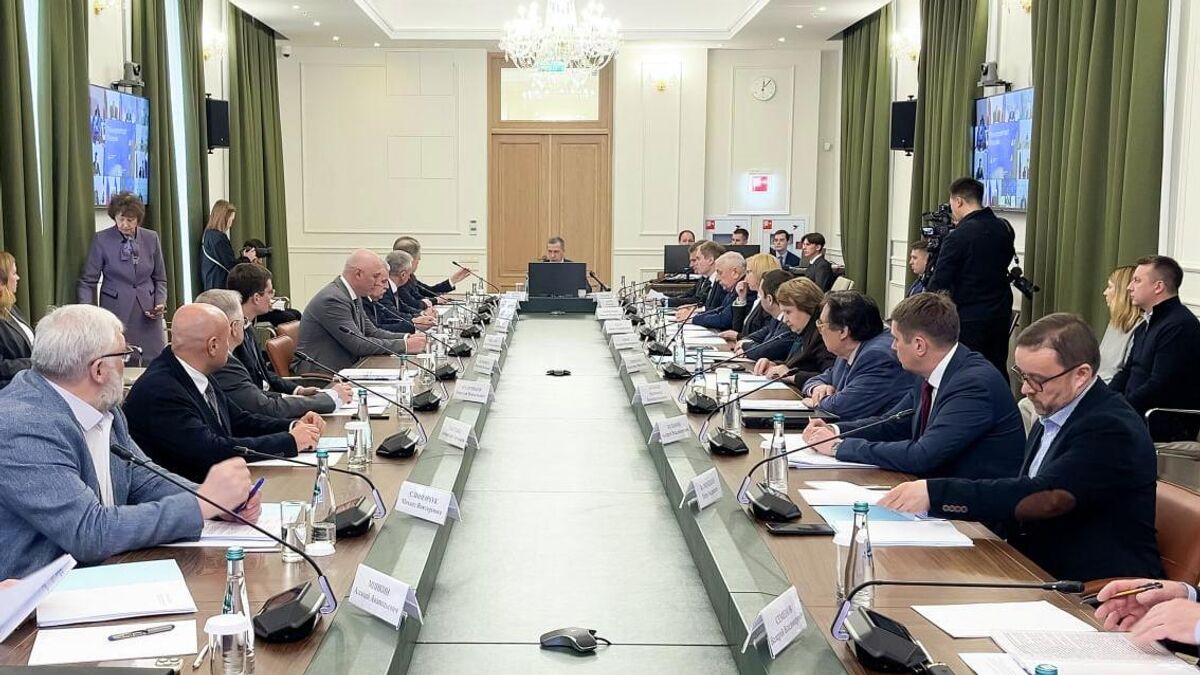
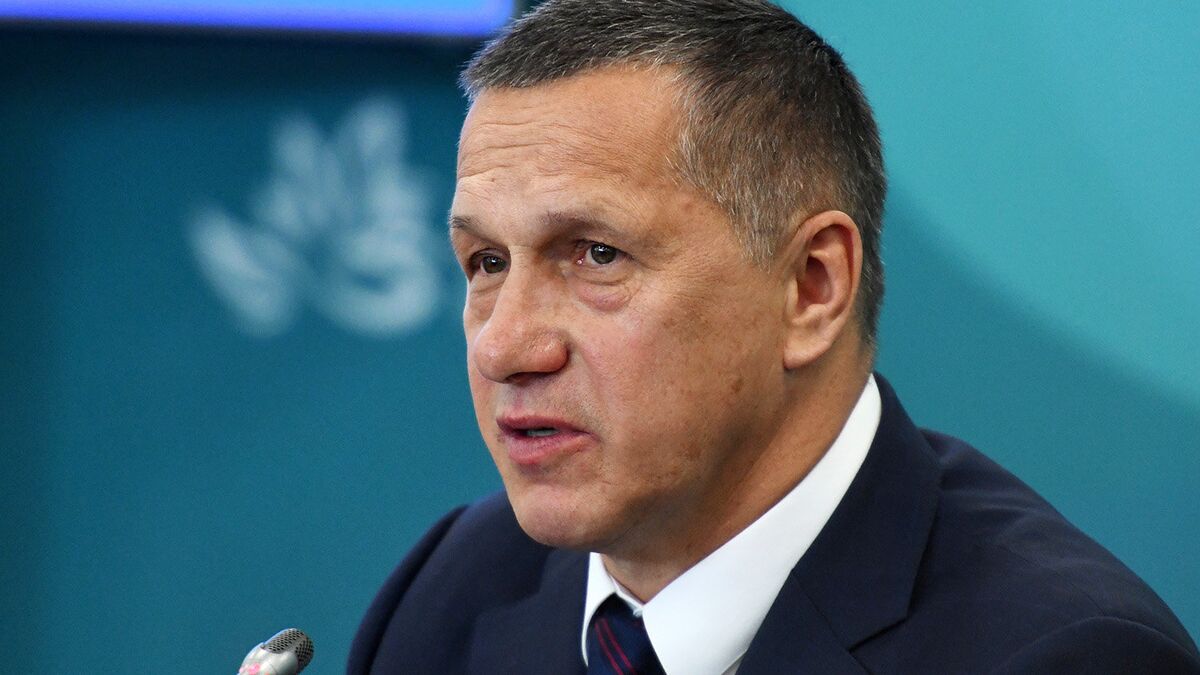
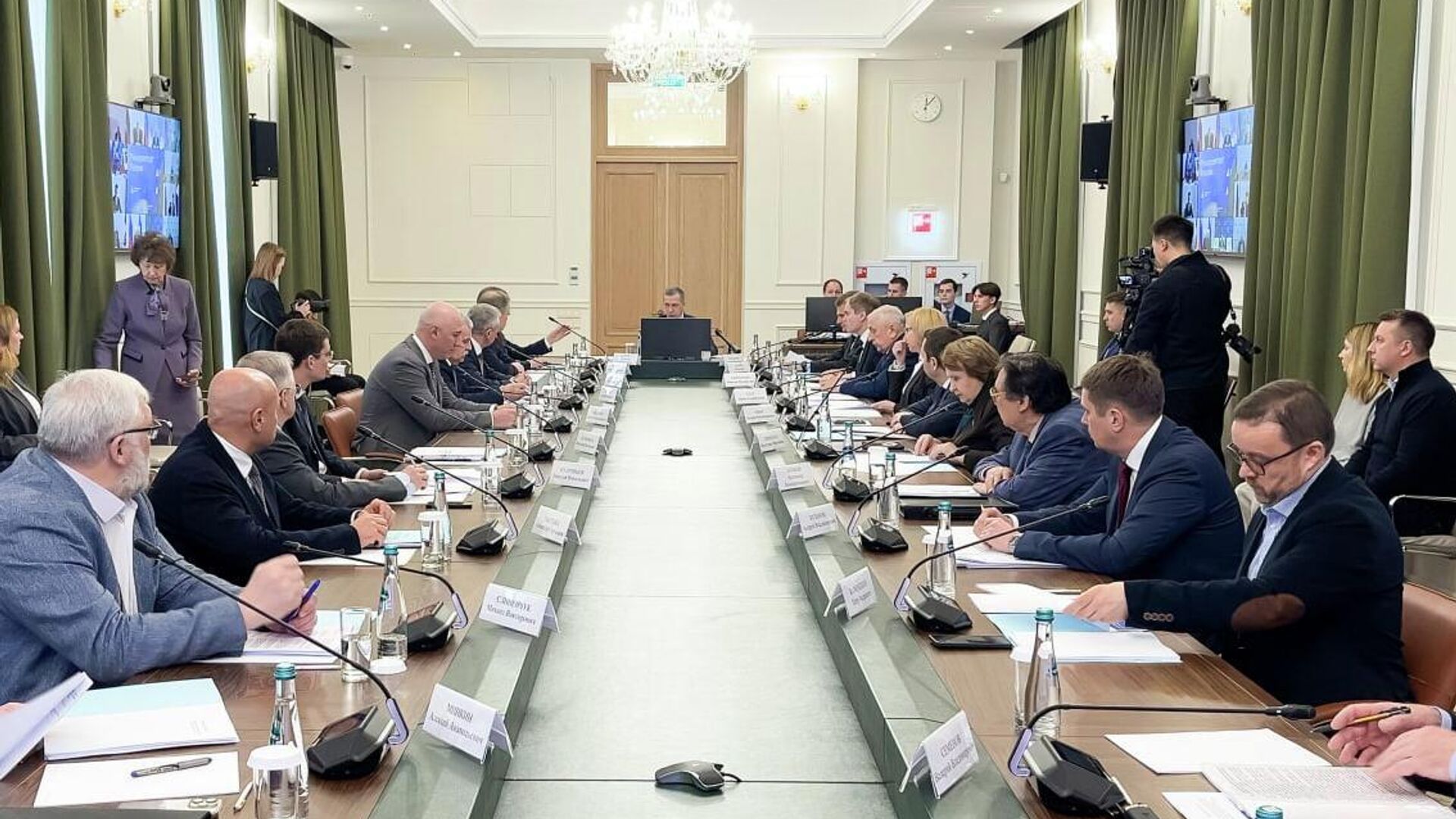
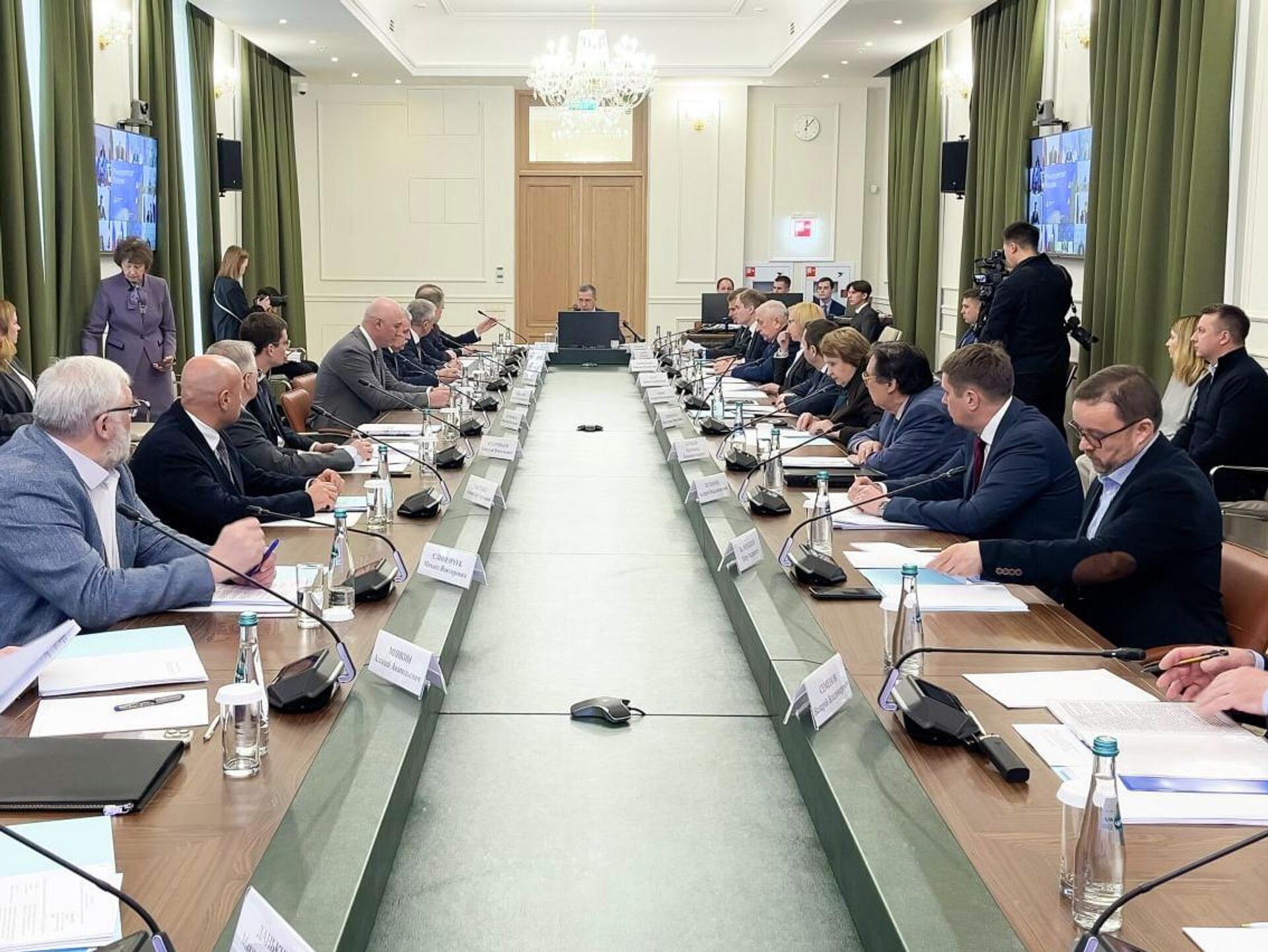
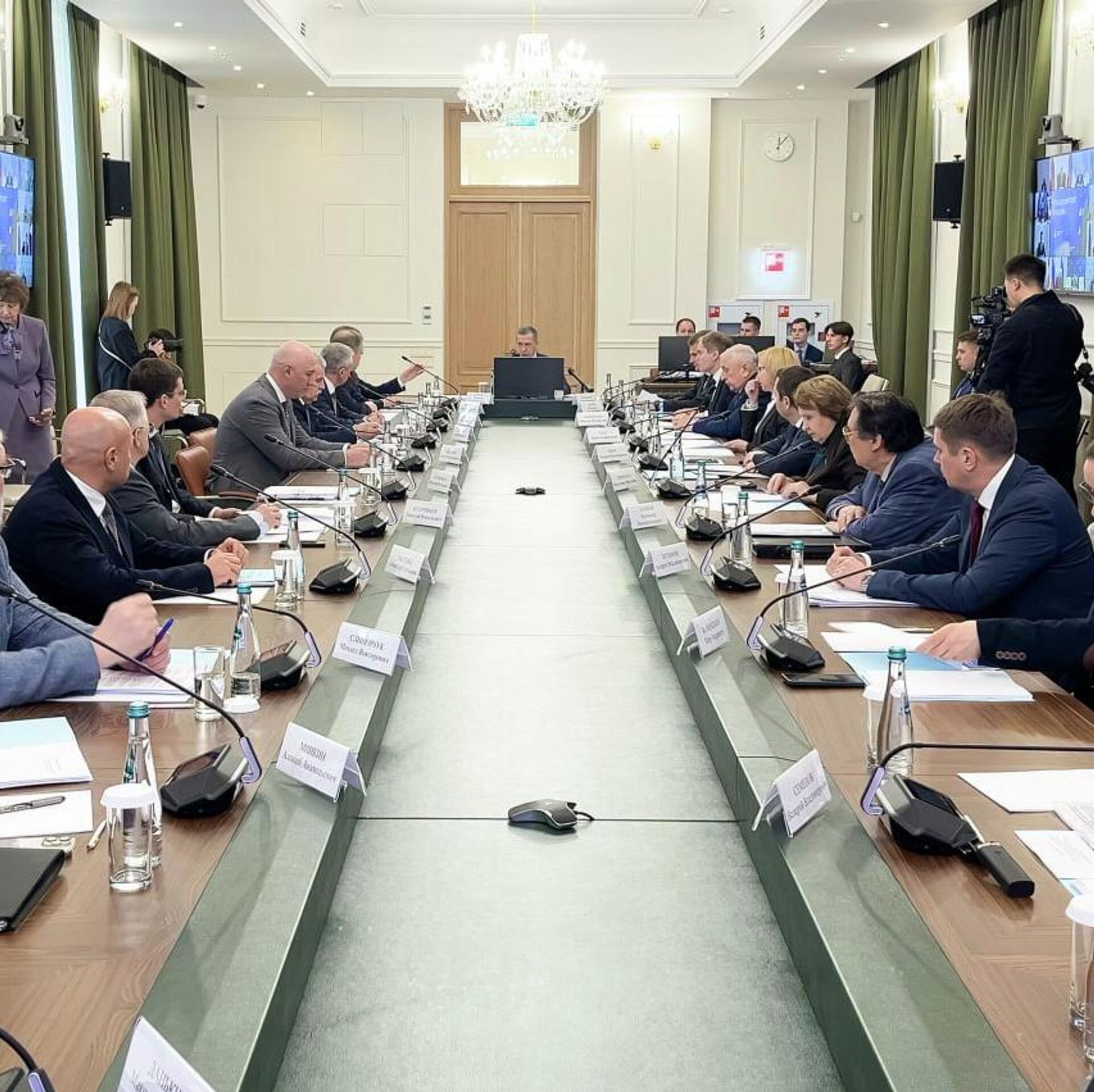
The current order book of the Zvezda shipbuilding complex provides for the construction of 26 cargo vessels for freight operations along the Northern Sea Route, Deputy Prime Minister andPresidential Plenipotentiary Envoy to the Far Eastern Federal District Yury Trutnev said at a meeting of the State Commission for Arctic Development.
“An additional three tankers are under consideration, with delivery scheduled for 2029. It is clear that this will not be sufficient to meet shippers’ needs. There are plans to create new capacity in the Far East and to modernize an existing shipyard in St. Petersburg,” he said.
In December 2025, the first icebreaking LNG carrier built in Russia was delivered to its customer. It is the lead vessel in a series for the Arctic LNG 2 project, Deputy Minister of Industry and Trade Albert Karimov noted.
“We are currently working on projects to establish new shipbuilding capacity in the Far East and to modernize Severnaya Verf for vessels of this type. At the same time, we are developing a domestically produced LNG carrier and supporting the production of Russian-made shipequipment,” Karimov added.
LNG carriers are planned to be built at the Zvezda shipbuilding complex and at Severnaya Verf (following modernization). Potentialcooperation with friendly countries isalso under consideration. In addition, the long-term plan for civilian ship construction through 2035 and the 2050 planning period has been updated. The Ministry of Industry and Trade has also developed and approved a program for the repair of vessels operating in the Arctic through 2035.
As Yury Trutnev noted, ensuring safe navigation along the Northern Sea Route will require dredging operations in the ports of Sabetta, Dikson and Pevek. At least 15 vessels and auxiliary units will be needed for this work.
The annual volume of dredging on inland waterways exceeds 10 million cubic meters, including more than 1.2 million cubic meters in the Arctic zone. Maintenance of inland waterways to ensure guaranteed navigation channel dimensions is carried out on the Ob, Yenisei, Lena, Yana, Indigirka and Kolyma rivers, Minister of Transport Andrei Nikitin said.
He added that in 2026-2027, 12 additional dredgers are expected to be acquired with federal fundingfor the Lena, Ob-Irtysh and Dvina-Pechora basins under leasing arrangements.
The Kondor-FKA radar observation satellite cluster consisting of Kondor-FKA No. 1 and No. 2 spacecraft has started operating. It enables the mapping of ice conditions to support route planning along the Northern Sea Route during the polar night season. To expand radar monitoring, the Obzor-R No. 1 satellite was launched in December of last year. Following the completion of flight tests, it will be brought into service. Hydrometeorological data is provided using the Meteor-3M satellite system.
According to Yury Trutnev, national targets through 2030 include eliminating accumulated environmental damage and developing environmental systems in the Arctic zone.
“We must eliminate at least 50 hazardous sites associated with accumulated environmental damage. There are 65 such sites in the Russian Arctic zone, including abandoned industrial enterprises, tailings storage sites, quarries, wells and sunken vessels. Eleven of these sites will be addressed under the General Cleanup federal project,” he said.
The Federal Service for Supervision of Natural Resources and the Federal Service for the Oversight of Consumer Protection and Welfare have assessed 66 sites in the Murmansk and Arkhangelsk regions, the Krasnoyarsk Territory, the Komi Republic and Yakutia, Chukotka, and the Nenets and Yamal-Nenets autonomous areas. Twenty-one sites meet the criteria for posing risks to the environment and public health, and federal subsidies are planned for their remediation.
Following the discussion, Yury Trutnev instructed Arctic regions to ensure that contracts are concluded for the design of projects to eliminate accumulated environmental damage, taking into account comments from the Main State Expert Review Authority (Glavgosekspertiza), by June 2026.