13:14 14.04.2026
Alexei Chekunkov: We must discuss Russia’s Far East and the Arctic in an honest, sincere and loving manner
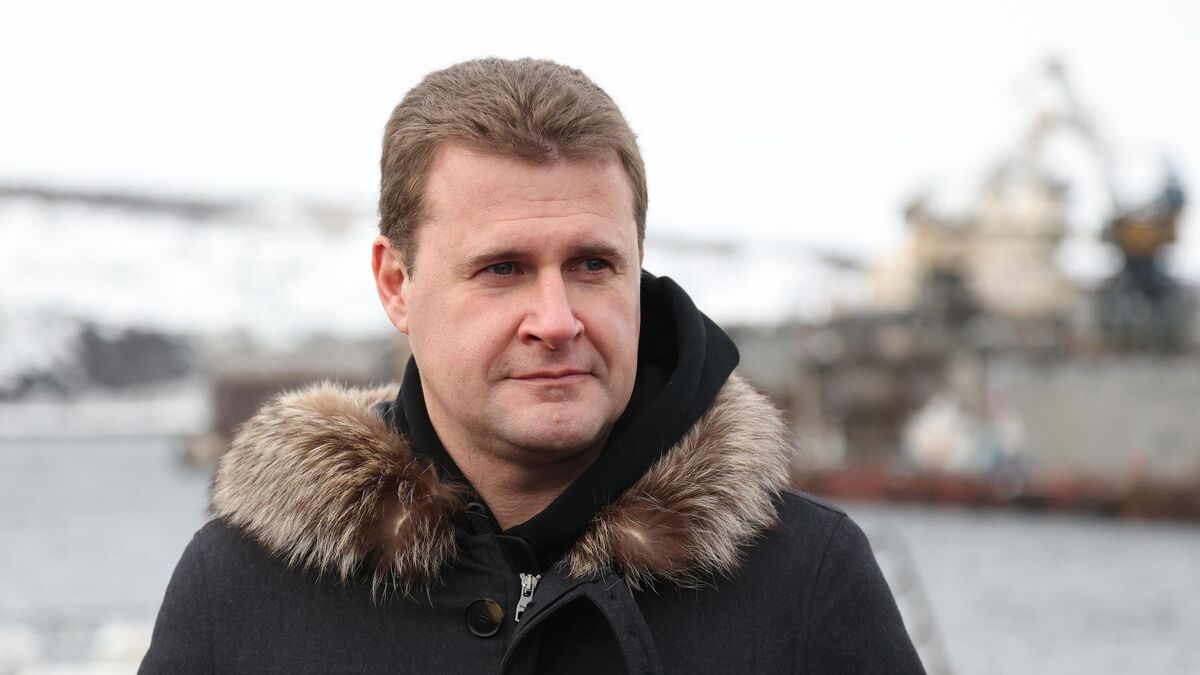
© RIA Novosti / Pavel Lvov
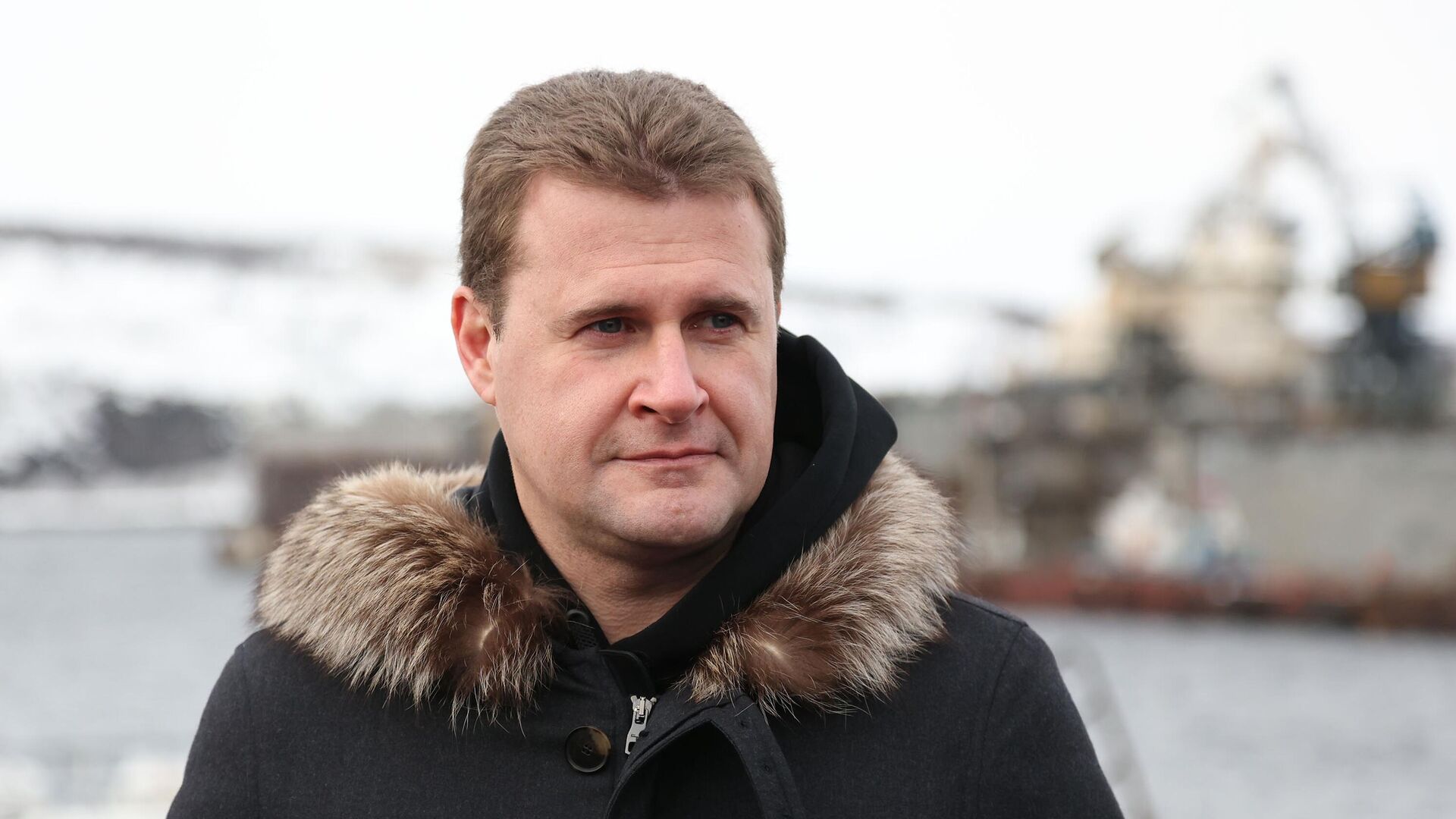
Minister for the Development of the Russian Far East and the Arctic Alexei Chekunkov sat down for an interview with Arctic.ru to mark its launch. In it, he discussed the basic principles of the future Arctic strategy, efforts by the state to create a people-friendly environment in the Arctic and the Far Eastern Federal District, whether robots can replace people in the Far North, and what the minister finds enviable.
Question: Mr. Chekunkov, you have designated national security in the Arctic as one of the pillars in the new development strategy draft. Why?
Alexei Chekunkov: The Arctic is a unique region. It is here that several major strategic vectors dealing with Russia’s national security converge.
Geopolitics comes first on this list. The Arctic has critical importance as a defensive line since it is here that strategic deterrents are located.
Resources, i.e., the economic factor, form the second vector. Let me remind you that the Arctic zone accounts for 85 percent of natural gas output, 17 percent of oil, 100 percent of nickel, while also producing rare earth metals, apatite ore, and platinoids. Every sixth ruble in Russia’s GDP comes from major Arctic projects.
Logistics are the third key vector. It is obvious that climate change and shifting political winds will make the Northern Sea Route an increasingly important global transport corridor.
Therefore, ensuring security in the Arctic has fundamental importance for asserting our sovereignty, as well as enabling the macro region to fulfill its unique potential as a territory of sustainable and balanced development.
Arctic is also the place that shapes weather patterns around the world and serves as a bellwether of climate change, which adds to its strategic importance.
Global warming has been accelerating, and the thawing of Arctic ice leads to rising sea levels and threatens lives and livelihoods not only in the Arctic Region, but also for hundreds of millions of people in coastal territories around the world. We must treat this fragile ecosystem with respect, and develop it with great caution and care while keeping in mind that our Arctic development strategy must reflect the responsibility we assume towards the entire humankind.
Question: Many people still view the Arctic and the Far East as places where they can make some money rather than settle for good. Could you list the reasons which make it worth living there today?
Alexei Chekunkov: There may be a lingering stereotype about rotational shift work, but it does not reflect the way this region lives these days. Today, the Far East and the Arctic mostly offer real career opportunities along with a people-friendly and interesting living environment instead of rotational work. It is here that major projects are being carried out, with most of them benefiting from state support, either directly or indirectly. There are whole new sectors. Finally, most of the regions in the Far East are close to the world’s largest economies, the Asia-Pacific Region, where there is a lot of positive momentum in promoting economic and cultural cooperation, primarily with China, a friendly nation.
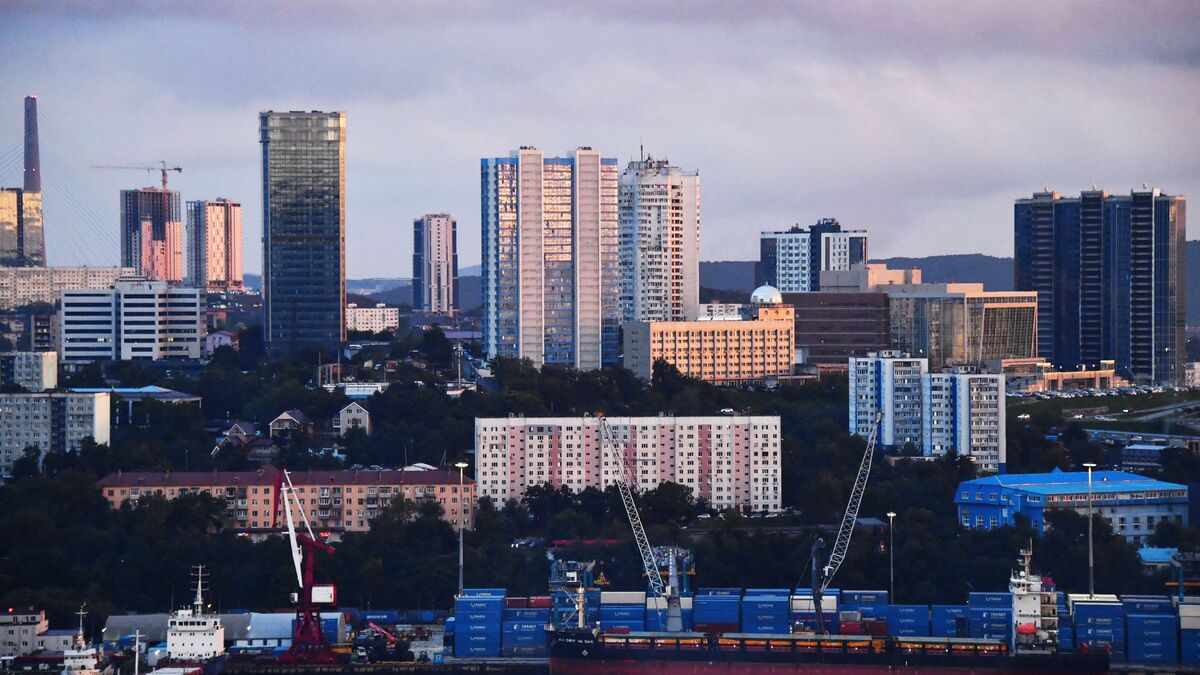
Today, the effort to upgrade and modernize cities focuses on Russia’s Far East and the Arctic. Master plans for 25 cities in the Far East and 15 core communities in the Arctic have been adopted and are carried out.
In the Far Eastern Federal District, these master plans cover a population of 4 million people. They provide for building new urban infrastructure sites, improving embankments and parks. These programs will be fueled by an investment of 3.6 trillion rubles, which is expected to change the way cities in the Far East look in meaningful ways. Over 300 construction projects have been launched, with another 456 in the planning stage, and over 500 are undergoing feasibility studies. A total of 1,057 projects were included in these master plans.
The first 200 projects have been completed. For example, Vladivostok rebuilt the embankment in the Sportivnaya Bay, and built an ice arena in the Nagorny Park. Khabarovsk and Komsomolsk-on-Amur completely renovated schools and upgraded their transport fleets. The embankment in Komsomolsk-on-Amur has also benefited from improvements. Yakutsk created public spaces with a modern vibe, and the project to build the Arctic Center for Epic Literature and the philharmonic hall is underway. Magadan now has a new state-of-the-art airport, and the Magadan Polytechnic University got a new fully equipped laboratory building. The city will also open an advanced maternity hospital, an educational center for accommodating 200 talented children, and a kindergarten on Gorokhovoye Pole by the end of the year. Yuzhno-Sakhalinsk opened SakhalinTech’s campus for specialists in digital technology, oil and gas sectors, and energy.
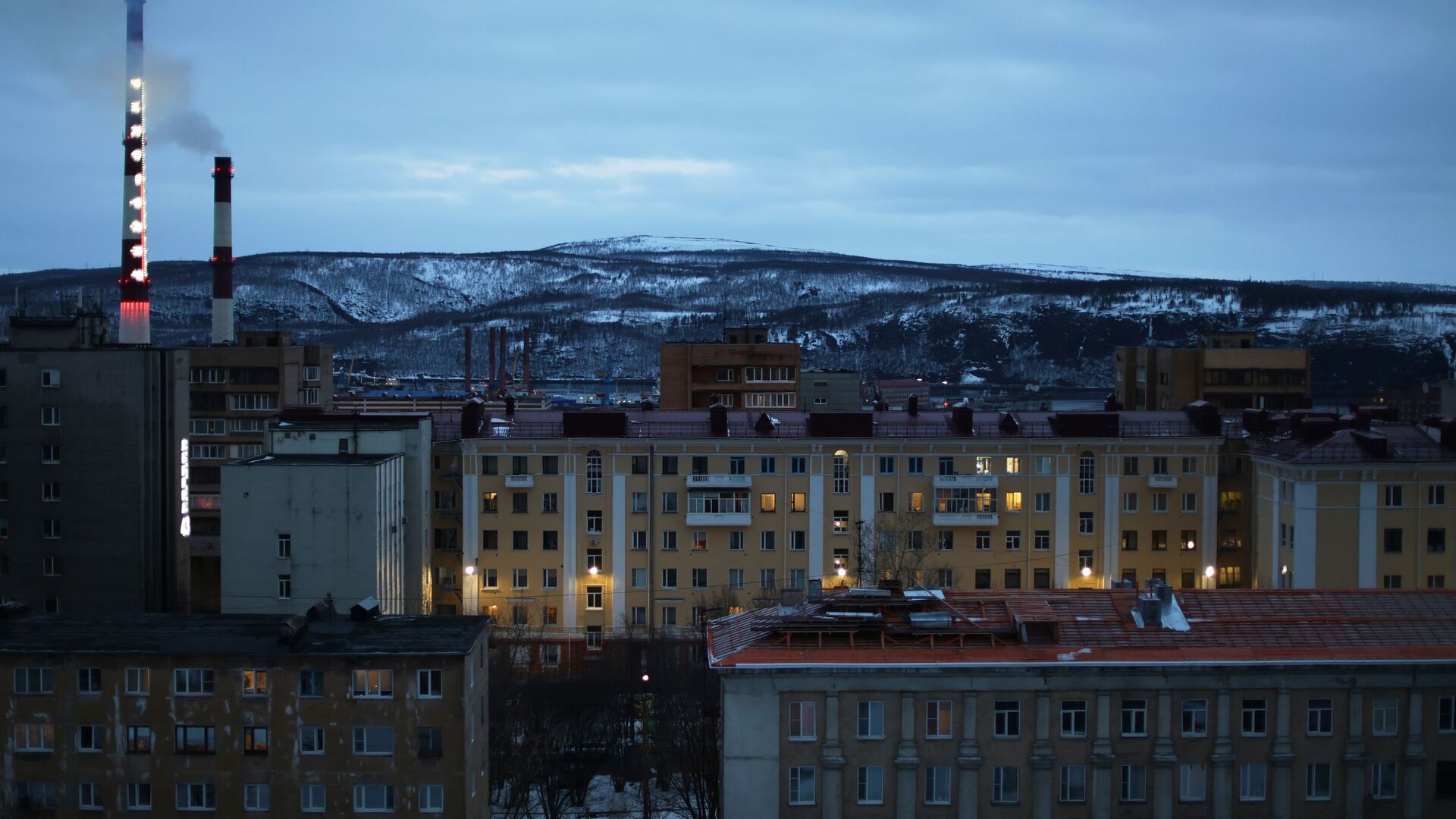
The Arctic master plans include 516 projects worth 2.9 trillion rubles in investment, of which 60 percent will come from extra-budgetary sources. These undertakings will improve the quality of life for over 1.7 million people living in the north by upgrading utilities, developing transport networks, building and upgrading healthcare, educational, cultural and sports facilities.
And the Arctic master plans are also enjoying positive momentum. To give you an example, Monchegorsk rehabilitated a school building, upgraded its central park, and repaired housing, the polytechnical college and a kindergarten building. The Metallurgov Prospekt has seen major improvement, too. In the Kirov-Apatite agglomeration, a school building has been upgraded, and there are plans for this year to build an indoor football field, carry out repairs at a musical school and a children’s library, and improve the city park.
Question: There has been a proactive push in Russia’s Far East to create a favorable environment for young specialists, especially in new technology. Are you satisfied with the results? What are the things that will have to be improved?
Alexei Chekunkov: Over 4,000 new investment projects are underway in Russia’s Far East and the Arctic. They have raised over 15 trillion rubles in investment. Of this total, 6.6 trillion have already been engaged, helping launch almost 1,300 new enterprises.
This momentum drives demand for human resources in logistics, shipbuilding, minerals extraction, energy and other sectors. Today, there is an urgent need for all kinds of specialists in Russia’s Far East, with mid-level specialists and skilled workers accounting for about 70 percent of this demand.
Economics and career opportunities are the primary factors for young people when they weigh moving to the Far East and the Arctic. New companies created in priority development areas offer salaries that are 40 to 50 percent higher compared to the national average. Considering the personnel shortage, young specialists have ample opportunities for rapidly moving up the career ladder and fulfilling their professional potential in various domains.
Offering accessible, and affordable, social infrastructure and housing is another major and quite often the defining factor when it comes to deciding whether to stay in the Far East or move there to study, work or live.
Over 198,000 families in Russia’s Far East and the Arctic have already moved into better housing by taking out subsidized mortgages at a 2 percent preferential rate. There are housing loans for people taking part in the labor mobility program, teachers, healthcare and cultural workers, people working for defense manufacturers and those moving back to Russia from abroad, as well as special military operation veterans. Families with many children can use additional support mechanisms. In the Far East, they can receive up to 1 million rubles for paying off their mortgages when having their third or subsequent child.
Housing construction got a major boost on the back of subsidized mortgages and the related programs, with the sector doubling its output over a five-year period. Major federal real estate developers started working in the Far East, and integrated housing projects have been enjoying positive momentum with the construction of the so-called Far Eastern Neighborhoods. This project consists of building residential neighborhoods by following the latest standards so that all the social infrastructure facilities are within walking distance.
There is also an effort to build affordable rentals. This program is designed to foster development within this macro region by helping attract and retain the specialists it needs. This is a systemic tool for helping its beneficiaries to pay less for housing. Subsidized rentals are offered to young specialists, doctors, teachers, and people working for various enterprises, including social institutions, as well as special military operation participants. For them, rents are substantially lower compared to what they would have paid on the open market, since the federal and the regional budgets each cover a third of their housing expenses. In fact, this program already includes over 3,600 rentals. These apartments are located in newly built neighborhoods with great transport availability, quality finishing materials, and all apartments are furnished and have the necessary appliances.
Measures to improve mobility add to these efforts. There is a 2-million-ruble grant for people choosing to move to the Far Eastern Federal District, as well the Rural Doctor and the Rural Teacher programs. A dedicated demographics package for the Far East provides for additional child benefits, regional maternity capital benefits and monthly entitlements. All this serves as an incentive for young families to settle in the region.
Training personnel and offering career advancement courses is another important initiative, based on the notion that universities must work closer with employers. This consists of offering targeted training opportunities and internships and enabling businesses to shape the curriculum so that the education system matches and can deliver what the real economy needs. For this purpose, we are upgrading vocational training and tertiary education systems. The Far Eastern track of the Priority 2030 program provides for carrying out over 640 projects in 14 universities, including launching about 40 laboratories and 250 new degree programs. The number of applicants seeking to enroll in Far Eastern universities and willing to move in from other regions tripled over the past decade.
Vocational training has also been enjoying positive momentum. The Professionalitet program helped create over 400 cutting-edge workshops and 36 educational and manufacturing clusters, where students can discover promising and predictable career opportunities.
All this is to say that we adopted an integrated approach to attracting young specialists by offering affordable housing, providing financial incentives, ample educational and advanced training opportunities, as well as the possibility to master a new profession.
By the way, our program Muravyov-Amursky 2030 is designed to train public service executives for the Far East. It is becoming increasingly popular. This year, 10,400 people applied as part of its fifth enrollment campaign, up 50 percent compared to last year. There are already 149 graduates, and 100 of them have found jobs. Moreover, many of these people moved to the Far East from other regions. In addition, the President decided to expand the program’s geography so that it covers the Arctic, too.
Question: Do you intend to rely on human labor or robots for developing mineral deposits in the Arctic? What is your priority – human resources, or technology?
Alexei Chekunkov: I think that a technologically sophisticated mix blending robotics, automation and human labor would be the right way to frame and answer your question.
Technology is playing an increasingly important role in the Arctic as well as in Russia’s Far East. This macro region stands out for its climate, which makes technological development an essential factor for ensuring competitiveness. Automation enables us to reduce costs within a long planning horizon, for example, it becomes instrumental when developing hard-to-access deposits.
The priorities set forth in the Strategy for Developing the Mineral Resource Base of the Russian Federation until 2050 include introducing advanced scientific and technical solutions for minerals extraction and processing. The key objective for technology and robotics is to free people from having to carry out dangerous or routine tasks, improve security, performance while also making projects more eco-friendly.
Today, projects in the Arctic and the Far East are already using or are planning to introduce digital products and high-technology solutions. This includes remote-controlled and autonomous mining equipment as part of the smart open pit mine concept, robotics systems for hazardous sections, drones, and AI-driven decision-making digital assistants.
For example, there are plans to install remotely controlled software and hardware packages on dump trucks in Chukotka’s Baimsky Ore Deposit.
Kekura, a gold and silver deposit, is exploring opportunities for using UAVs for delivering everyday supplies.
The Udokan deposit has introduced an AI system for streamlining equipment operation parameters. And the effort to introduce an automated system for managing planning and execution is about to be completed.
There is also a lot of demand for big data solutions. For example, we are working on creating a digital twin for the Arctic annual sealift resupply initiative, and the first module of the federal state information system has already been launched. The next stage will consist of developing and introducing modules for monitoring deliveries at all stages, and creating a digital shipping agent for finding the best logistics solutions. A digital planning system will help better anticipate demand and coordinate deliveries of essential cargo for the people living in the north.
Introducing the latest technology enhances performance, improves security and predictability for economic operators when developing deposits. At the same time, there is no getting away from skilled specialists when automating all these processes. We still need people to perform essential tasks, from launching and maintaining complex technological systems to managing processes and making decisions.
Question: Many state agencies and businesses are involved in developing the Trans-Arctic Transport Corridor. What is your ministry’s role in this project?
Alexei Chekunkov: The Trans-Arctic Transport Corridor is an integral transport infrastructure project. It is an instrumental undertaking for enabling the Russian Federation’s Arctic zone to fulfill its potential in both upstream and downstream sectors. Developing this corridor is a must for attracting more investment for economic development.
In August 2022, the Ministry for the Development of the Russian Far East and the Arctic drafted a development plan for the Northern Sea Route at the President’s instruction. The Northern Sea Route forms the key section of the Trans-Arctic Transport Corridor. Even back then, the way we approached the Northern Sea Route concept focused on the economy. The plan included initiatives to develop port infrastructure and improve their accessibility by land in the Northwestern and Far Eastern sections, while also expanding the cargo base, icebreaker, cargo and rescue ship fleets, and the satellites serving this region.
This approach will enable us to fully integrate the initiatives as set forth in this plan into the upcoming unified development plan for the Russian Federation’s Arctic zone and the Trans-Arctic Transport corridor. We are currently working on it.
At the same time, it is the people living across the Arctic vastness who are building infrastructure along the Trans-Arctic Transport Corridor and ensure its effective performance. Therefore, the ministry’s mission in this context is to ensure adequate living conditions in the north by coordinating efforts by federal and regional executive bodies. This combined effort has paved the way for the approval by the federal Government of long-term comprehensive plans for developing the core communities in the Arctic. Their aim consists of achieving national goals as set forth by the President, including by improving the living environment and attracting investment.
Question: Promoting domestic tourism has become a priority. What can the Arctic and Russia’s Far East show for their efforts today? Has anything changed over the past five years? Have these regions built any infrastructure for fulfilling this vision?
Alexei Chekunkov: I must say that being able to be close to nature and live in harmony with it are among the things that makes Russia’s Far East and the Arctic so special. Some people make this choice deliberately and view this as an important factor which defines their quality of life. As for tourism, the Far East and the Arctic are among Russia’s most attractive tourist destinations for Russians, as well as for international tourists.
The Far East has been attracting more and more tourists. Hiking tours, boating trips and winter adventures have been popular. About 5 million people visited the region as tourists five years ago, but last year this figure exceeded 7 million. This positive momentum included both domestic and international tourists. Every year, over 700,000 tourists from Asia-Pacific visit this region, primarily from China. The visa-free travel arrangement has played a positive role in this regard. Moreover, this sector has huge potential. After all, over 3 billion people live in friendly Asia-Pacific countries close to Russia’s Far Eastern regions. This includes China, India, Indonesia and other countries.
Transport connectivity is improving as the tourist flow increases. People can pay less for flying to the Far East thanks to flat-rate and subsidized fares. The United Far-Eastern Airline is expanding its route network by offering connections to the most hard-to-access territories.
The region responded to this growing demand by stepping up efforts to build more tourist infrastructure. Today, one out of ten state-supported projects in the Far East focuses on tourism. Companies benefiting from preferential operational frameworks are working on almost 300 new tourist complexes, camps and glampings. We are also developing a network of 18 tourist trails in these regions covering 128 kilometers. The first trail has already opened in Buryatia.
Mountain skiing clusters have also enjoyed positive momentum. The Gorny Vozdukh (Mountain Air) resort in Yuzhno-Sakhalinsk benefited from a major upgrade as part of the Sakhalin priority development territory, and went on to be recognized as one of Russia’s best skiing resorts. In the Primorye Territory’s Mikhailovsky priority development territory the Arsenyev mountain skiing complex opened this year. Built under the Far Eastern concession program, it offers a snowmaking system. The Khabarovsk Territory is developing the Kholdomi ski resort as part of the Khabarovsk priority development territory. This project includes opening new slopes and launching a year-round recreational center. Kamchatka is carrying out a large-scale project titled Three Volcanoes.
Glampings have become popular in Kamchatka and the Kurils. These are tourist-friendly tent camps. Some of them are nestled at the feet of volcanoes and offer their visitors an opportunity to immerse themselves in this wilderness while getting top-notch service quality. New comfortable hotels are under construction. For example, a new hotel opened on Kunashir recently. It has a restaurant under a glass dome and a SPA at a volcanic thermal source.
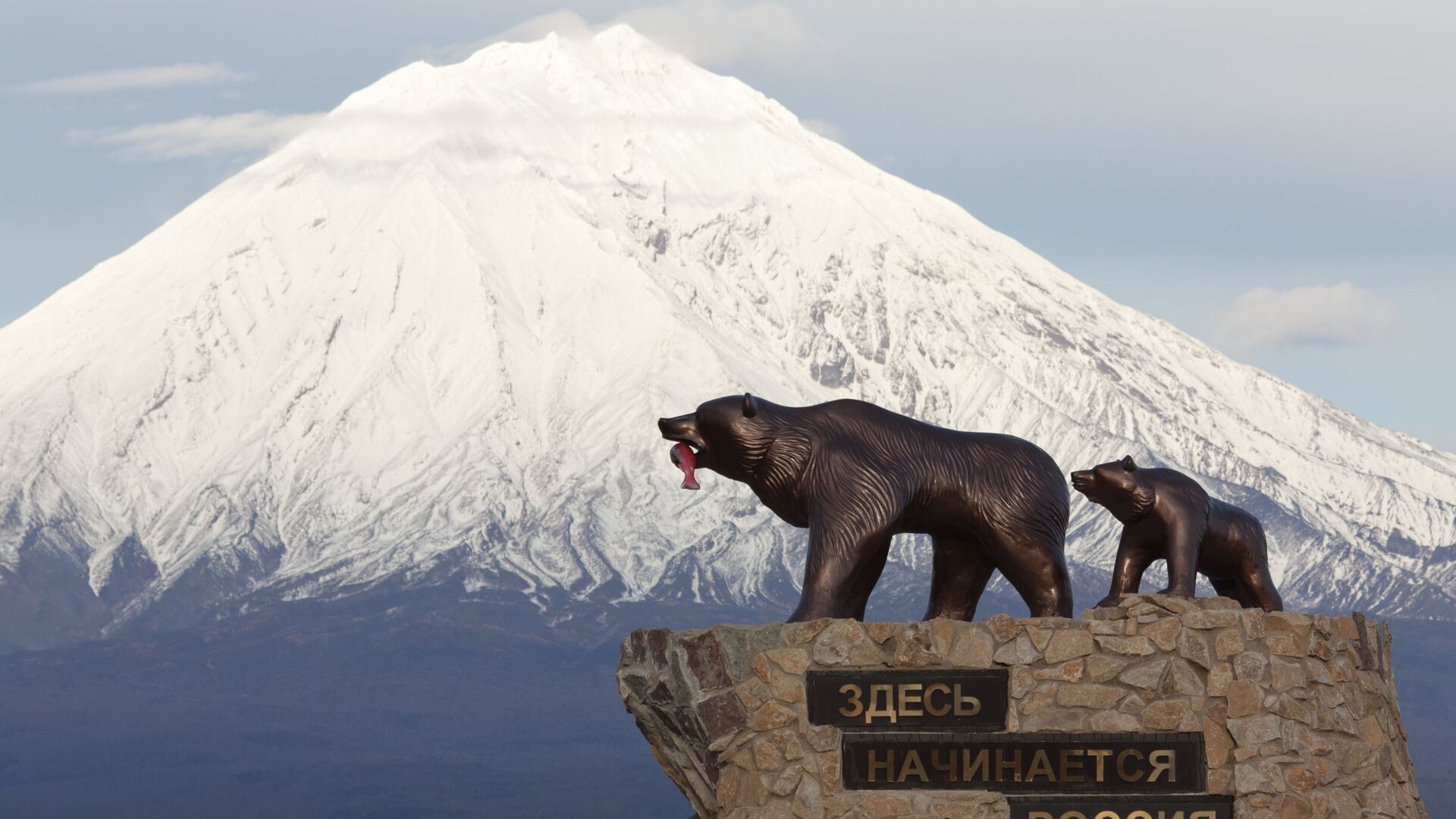
Arctic tourism also holds a major promise. This region can offer the northern lights, which is an especially popular attraction for Asian tourists. There are also expeditions. Russia’s Arctic zone attracts 1.3 million tourists every year, and this number keeps growing. There are new projects in the tourism sector, including major undertakings and niche initiatives. Many of these facilities were built by the participants in the Hectare program.
Spitzbergen is an interesting and promising tourist destination as well. This year’s schedule includes 10 roundtrip cruises to the archipelago, and the first has already departed from Murmansk. Last year, Arctic Coal Company (Arktikugol) reported a 50 percent increase in its revenue from tourism services.
Question: This question is about, and for, the Arctic and Far East Development portal. What should, in your opinion, be the key topics for a federal outlet covering state strategy and objectives in these regions?
Alexei Chekunkov: Any topics which can help their readers understand and get to know the Russian Arctic, and which can inspire people from various corners of our country to go there and contribute to developing science and technology in our northern territories. Our vision for this region includes promoting high technology and fostering development by attracting major investment projects. Today, this is a very interesting and promising place to be for those who are interested in science, who love our country and have a forward-looking perspective, and with your help we would like people to view the Arctic in this light.
Question: Can we ask you to wish something to the Arctic and Far East Development portal?
Alexei Chekunkov: I have a slight feeling of envy, since you will be exploring the life of what I believe is the most extraordinary and interesting part of our country. I wish you new discoveries along this path. Report on Russia’s Far East and the Arctic in an honest, sincere and loving manner. This is a sure way for you to have many grateful readers from Vladivostok to Anadyr. As for us, we will be there to help you inform a broad audience about the potential of these territories.