08:30 20.11.2026
Human Capital of the Arctic: Creating Proper Life and Work Conditions
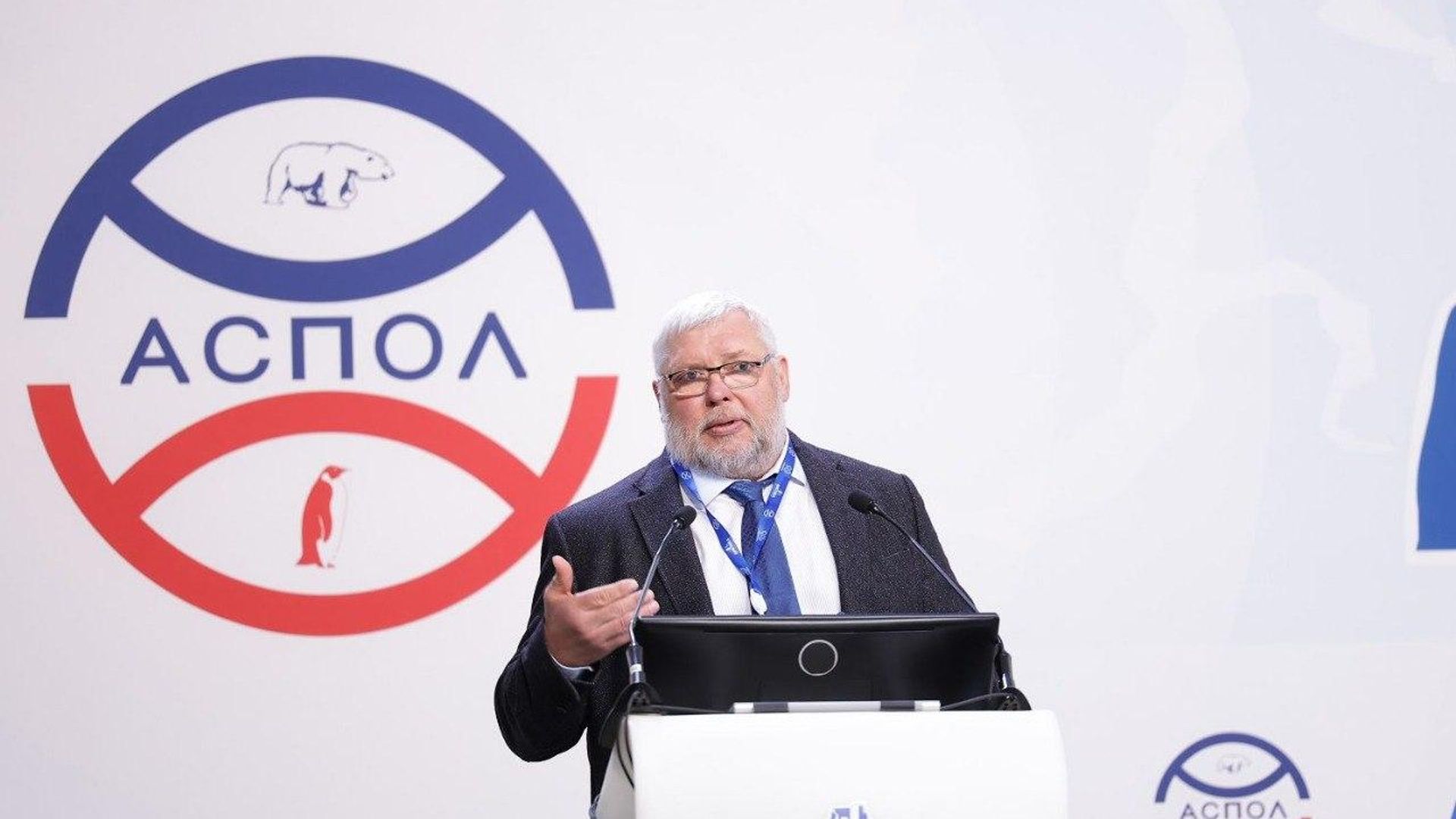
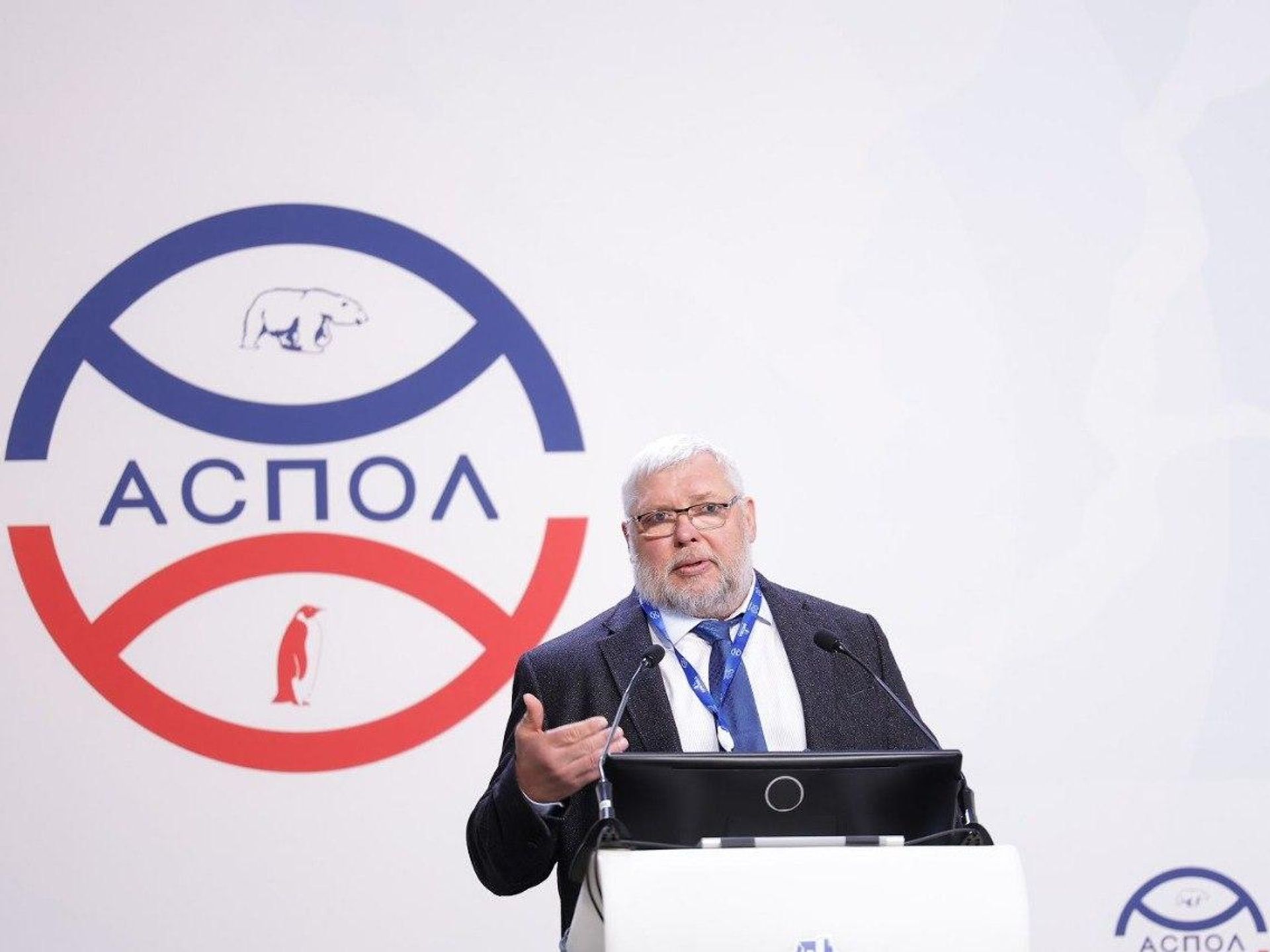
© VK page of the Interregional Non-Profit Organization Association of Polar Explorers
Human Capital of the Arctic: Creating Proper Life and Work Conditions
The Arctic holds much promise for young professionals. The region can make one fall in love with it from their first visit. However, making the final decision to stay and work in the North can be difficult. Many questions about the future life in the Arctic have to be answered before taking that step. Will I get a job and find a partner to build a fulfilling personal life? How to settle in? What school will my future child go to? How to get decent medical care? The answers to these questions determine the future of the North in the same straightforward manner as does the construction of ports and icebreakers.
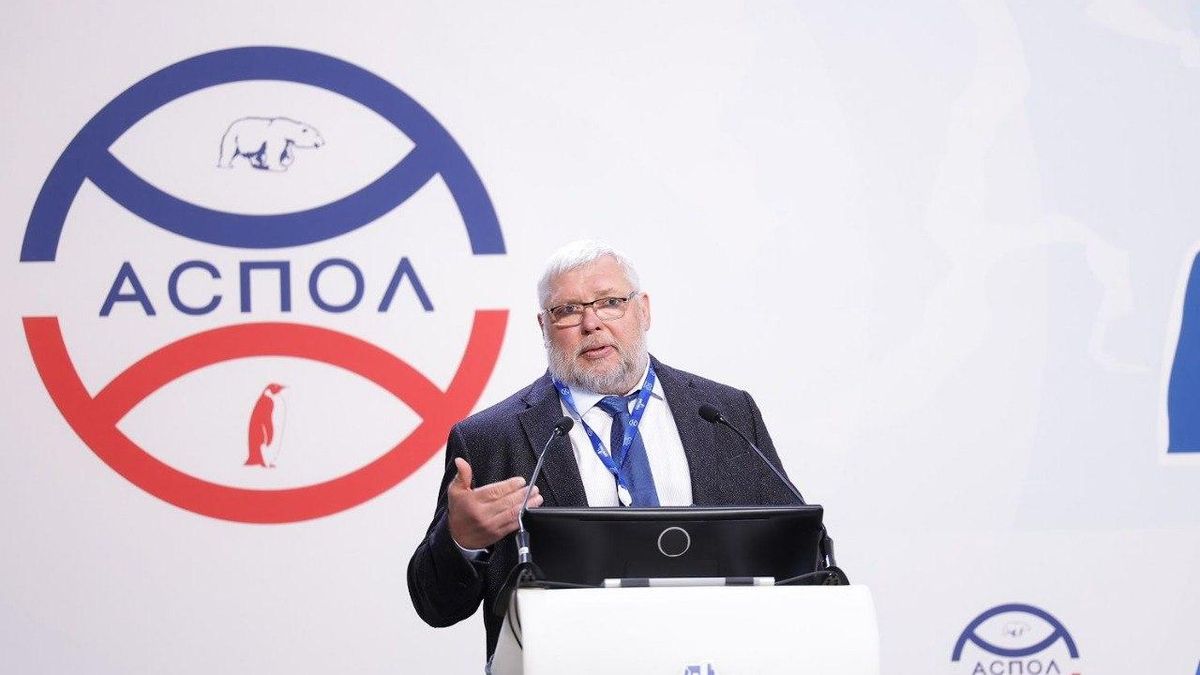
President of the Association of Polar Explorers, Candidate of Geographical Sciences and Doctor of Economic Sciences, Lomonosov Moscow State University Professor Mikhail Slipenchuk laid out the solutions that will help younger generation build their life in the Arctic.
We are accustomed to starting a conversation about the Arctic with its importance for the country. Now we need to have a similarly serious discussion about the future it can offer to the people.
Russia sees the North as a place to develop maritime transport, energy, research, and the manufacturing industry each of which involves people who must be properly trained, get interested in their work, and retained. An enterprise can be built according to an approved schedule, but creating a community of people who consider a particular land their home is far more difficult. I think the main question of Arctic policy is what changes must be made for someone to want to spend their life in the North?
Setting the Trajectory and Passing on the Experience: Ways to Attract Specialists to the Arctic
It has to begin long before employment. A meeting with a polar explorer, the first expedition, an introduction to a sea chart can determine a person’s choice of career. This is what the Meeting of Generations project, which was created by Artur Chilingarov, is all about. However, a vivid impression must lead to a clear next step.
Since we invited them to the Arctic, we need to be clear about where they can study, who will take them on as an intern, and how they can land their first job. There must not be a gap between a career guidance event and the first employment contract that the graduate must bridge alone.
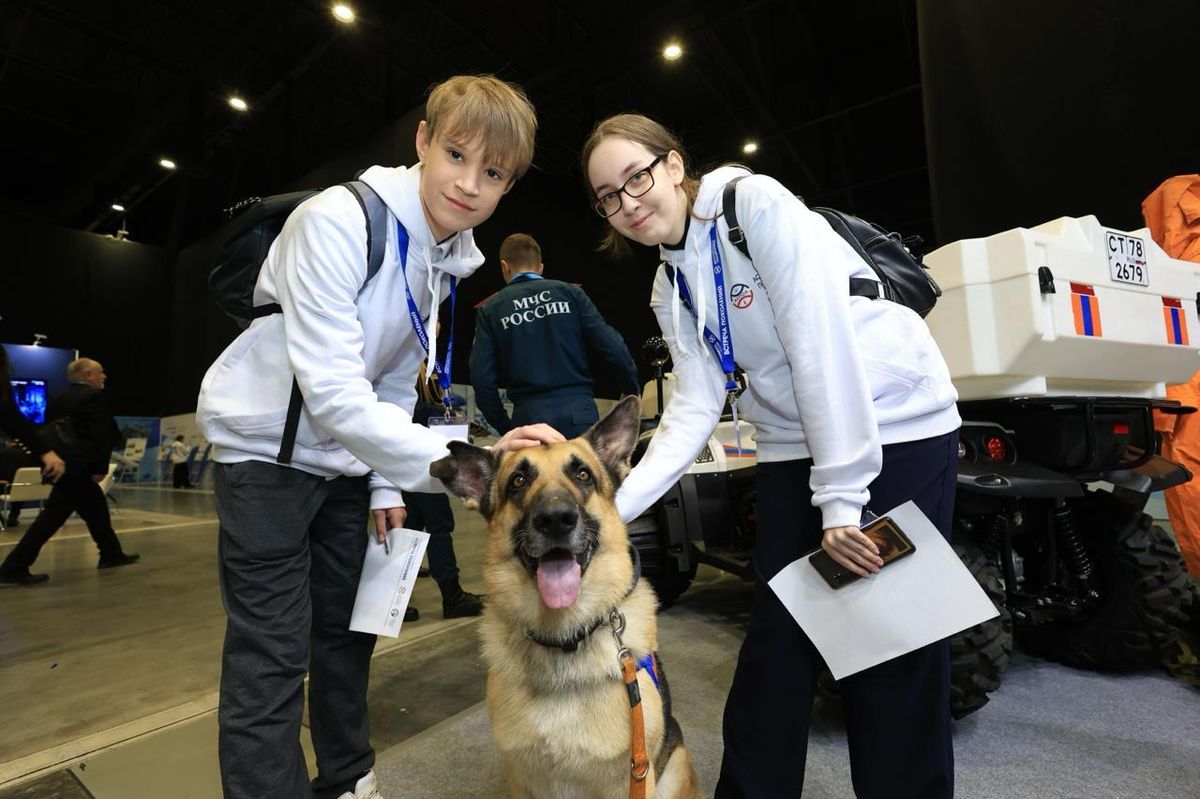
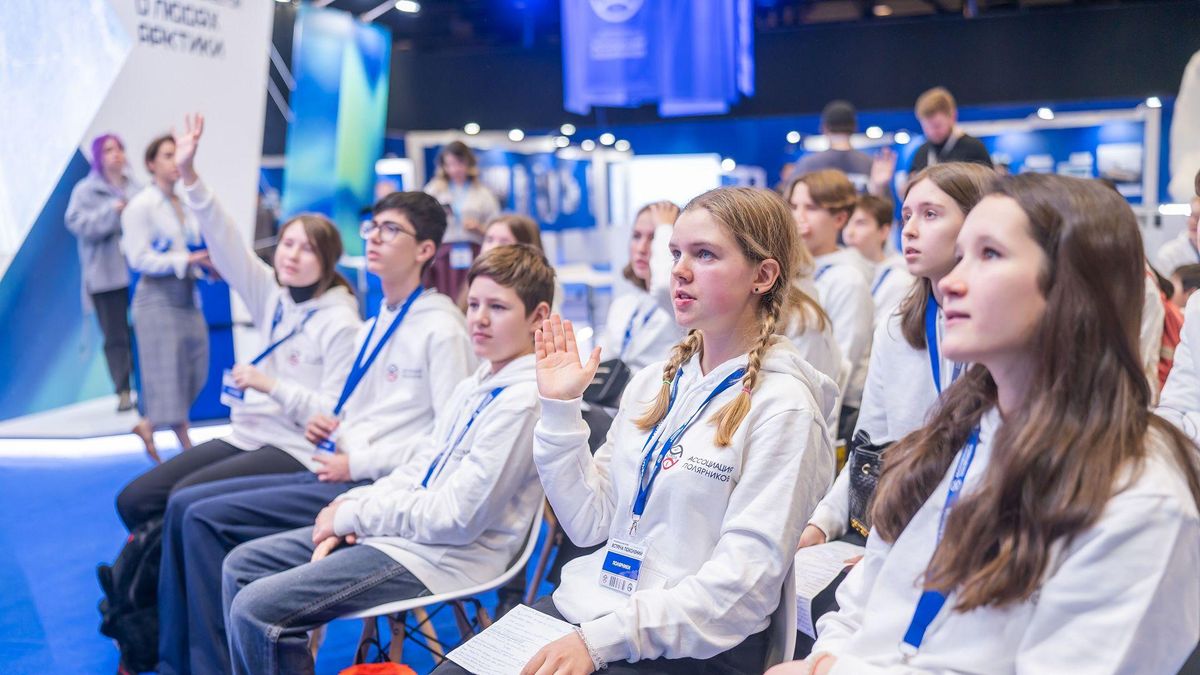
Young participants of The Arctic: Present and Future International Forum
© Telegram channel of the Interregional Non-Profit Organization Association of Polar Explorers
Employers, colleges and universities need to agree on a young person’s career path from day one of their training. A student should be provided with paid internship at an operating site, a mentor, and clearly defined terms of future employment. An enterprise should have the capability to be part of the training process and see a future specialist’s professional growth. The Arctic Region needs to know what a particular individual will need after graduation to stay and work there.
The first job in the North must open up career prospects. Salary, safety, housing, opportunities for professional growth and proper conditions for starting a family deserve as much attention as job responsibilities. Mentorship must continue after the ceremonial meetings into everyday work when the first hardships arise.
We are currently developing a grant program named after Artur Chilingarov to support youth environmental, educational and research projects in the Arctic. The Association of Polar Explorers believes that university teams should be the ones to develop the future program model, and young people should co-author the rules under which they will be receiving support.
At the first Arctic, I’m Coming! Youth Forum we will compare the teams’ solutions, discuss them with experts and put the strongest proposals together in order to improve the program.
Veterans of the special military operation who want to spend their civilian life in the North deserve special attention. Their equipment handling experience and teamwork skills will be put to good use in the Arctic professions. Enterprises and educational institutions could build a path to new employment for them, offering retraining, paid internships and family support. It is also important to take into account the preferences, skills, and health of SMO veterans when choosing a profession.
Developing Territories with People’s Interests in Mind
However, no career program will retain a person if living conditions constantly make them think about leaving. With this in mind, the Arctic infrastructure should be assessed primarily from the angle of the families that live there.
The Northern Sea Route is of strategic importance for the country. For someone living in an Arctic settlement, transport accessibility is felt especially acutely when it comes to fuel delivery, grocery prices, and timely doctor appointments. These tasks must be addressed jointly by a seaport, a river route, access rail tracks and a local airfield that connect territories, enterprises, and people into a single system.
Speaking of aviation, it is important to clearly determine which particular settlements should be accessible for landing and the schedule of incoming flights. When discussing rescue infrastructure, it is necessary to specify the timeframe of providing emergency assistance. In other words, in the Arctic, the distance to help is measured by the time a person has left to get such help.
This matter needs precise timing, reliable communications, crew training and justified placement of rescue units. This is a clear criterion that can be used to assess the return on investment.
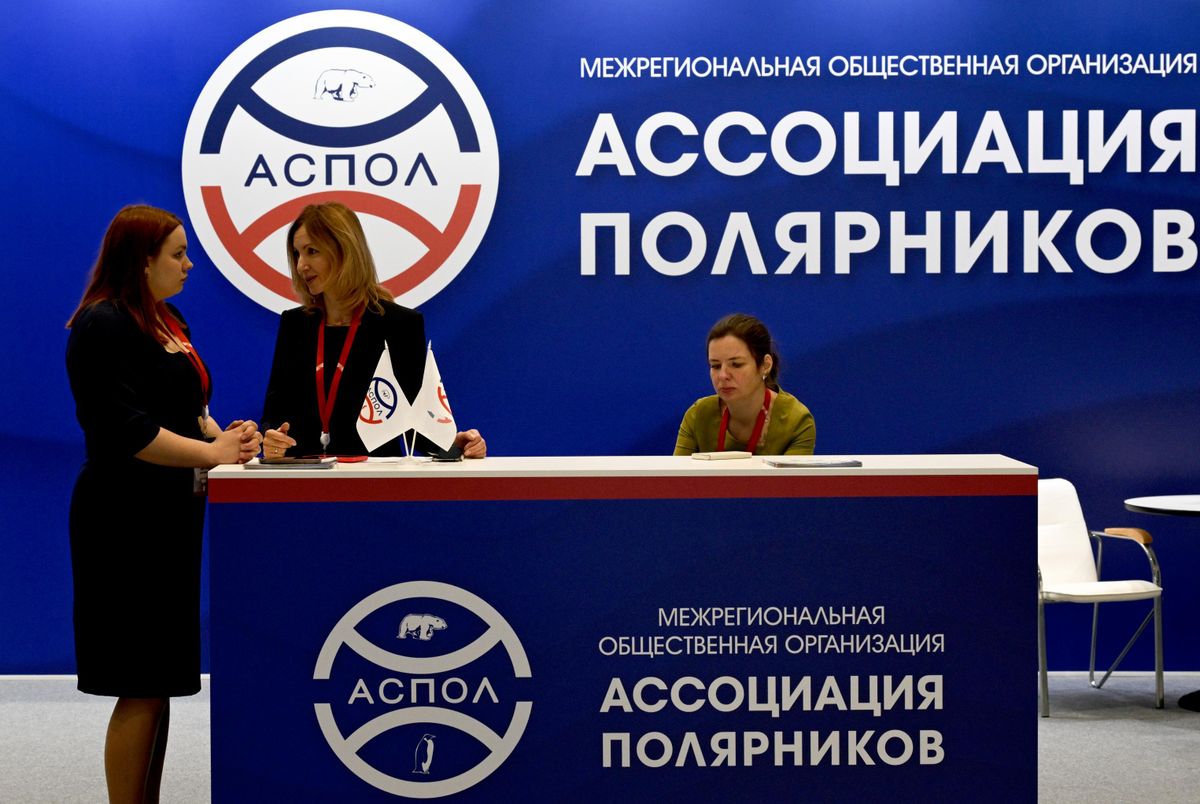
The Arctic: Present and Future International Forum
© RIA Novosti / Aleksey Danichev
Energy supplies need to be dependable as well. Every Arctic settlement and every industrial site must have a properly substantiated electricity and heat supply schedule. Where there is long-term demand and safety conditions are complied with, small modular nuclear power plants should be considered. The solution for a specific territory must be made taking into account the cost of energy over the entire service life, maintenance and backup supply. People need to know that the system will withstand the Arctic winter.
Reliable energy supplies open up new technological opportunities. I propose considering the combination of small modular nuclear power plants and data centers where demand and calculations justify it. The northern climate can reduce the cost of cooling servers, but the project also needs reliable communications, standby power, and specialists. For Arctic towns, this is an opportunity to develop computing infrastructure for research and AI and to create new jobs for highly trained workforce. Such projects must reinforce the energy supply of the territory and take into account its residents’ needs.
The same responsibility applies to the condition of the soil beneath buildings, roads and pipelines. Permafrost monitoring data must help make engineering decisions in a timely manner.
State-run background monitoring results can be combined with engineering monitoring at specific sites. Research institutes, universities and enterprises share a common task of obtaining reliable data and turning it into solutions that protect people and the infrastructure. Young researchers and engineers should participate in such work during the training period.
“Tested by the Arctic” Quality Mark
The Arctic can become the birthplace of breakthrough technologies. Autonomous energy sources, robotics, innovative materials, communications and telemedicine get tested in the Arctic by cold, distances, and limited access to repair facilities. Developers, universities and enterprises could be brought together around testing that would be followed by refinement, serial production, and use in other regions. “Tested by the Arctic” should become a quality mark for Russian technologies.
A solution proven reliable in the Arctic is well positioned to operate far beyond it. Arctic experience makes it possible to create technologies that are in demand worldwide. Transferring them requires adaptation to local conditions, but their reliability will have already been proven.
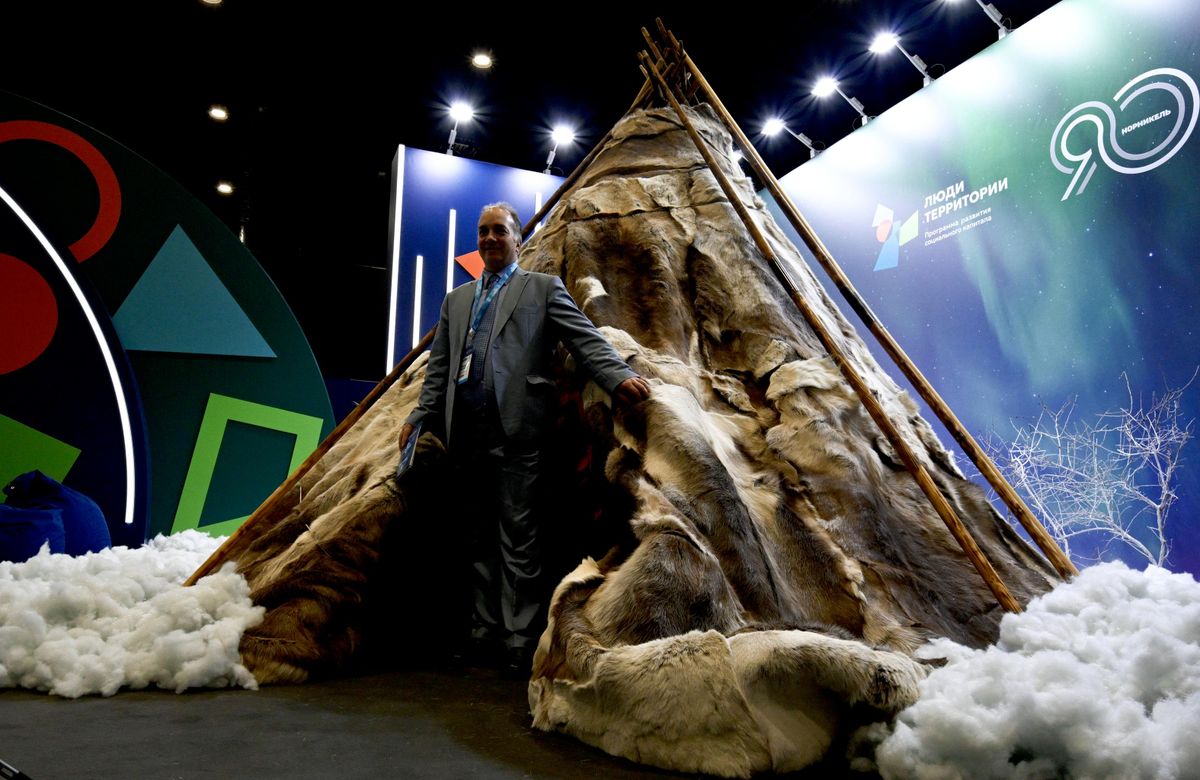
The Arctic: Present and Future International Forum
© RIA Novosti / Aleksey Danichev
The Arctic is home to residents that have lived there long before our industrial plans took shape. Indigenous peoples must have the opportunity to participate in the discussion of projects at an early stage. Pastures, fishing areas, native language and passing traditional occupations along to children determine the future of entire communities. Respect for their experience must be manifested in concrete agreements.
The Arctic is a mark of professional quality as well. In this macro-region, a person undergoes a test of spirit: it becomes clear whether they can keep their word, make decisions and take responsibility for those around them. Such abilities are needed anywhere in the country.
Responsibility for other people is important in international cooperation as well. Protecting Russian interests in the North requires firm and professional approach. Rescue operations, accident prevention, and scientific observation all require working ties. Polar explorers know well the value of mutual assistance. This experience needs to continue even in a challenging political situation.
UPDA: How Entrepreneurs Can Help People
The question of people’s involvement in the decision-making process has arisen during the discussion focusing on the creation of a unified priority development area (UPDA) in the Far East and the Arctic. This abbreviation is about quite mundane questions. Will a local entrepreneur be able to open a business the settlement needs? Will support be available to a small project? Will young specialists have an opportunity to set up their own business?
In working on proposals for UPDA, the Association of Polar Explorers (ASPOL) considers the interests of residents, enterprises, and local communities. Access to support, protection of competition, and predictable rules and guarantees for indigenous peoples is what’s needed. The discussion must also involve those who work in the North and know the spots where good intentions run into real obstacles.
Priority development must be seen in people’s lives. UPDA will be discussed separately at the 16th International Forum, The Arctic: Present and Future, in December. The discussion will address opportunities that the new regime offers to the territories, what prevents them from being used, and what decisions need to be refined. The proposals must become the property of all state bodies that make decisions on the development of the Arctic.
From Forum Sessions to Actual Results
In December 2026, St. Petersburg will host the 16thThe Arctic: Present and Future International Forum named after Artur Chilingarov and the first Arctic, I’m Coming! International Youth Forum. Them being held as part of a single business program will provide an opportunity to discuss the above matters with those who will work in the North in the decades ahead.
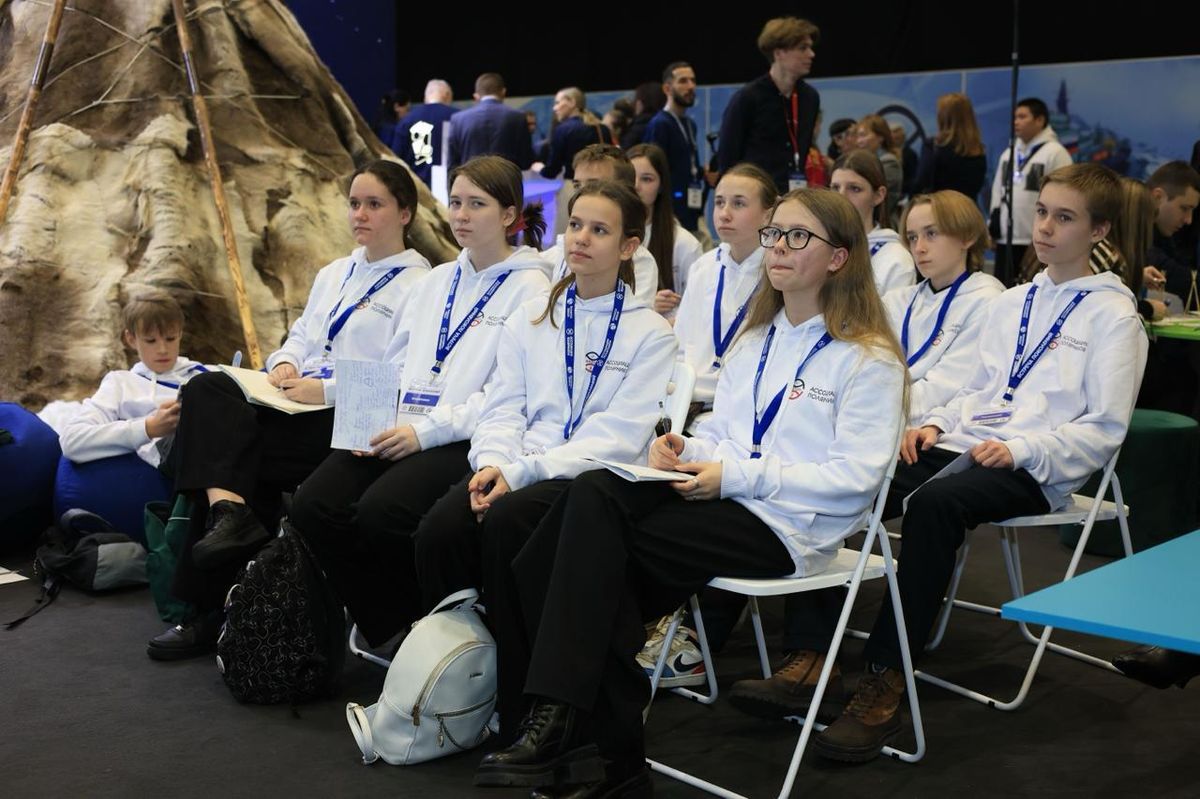
The Arctic: Present and Future International Forum
© Telegram channel of the Interregional Non-Profit Organization Association of Polar Explorers
The youth forum’s name sounds like a promise. A young person says, Arctic, I’m Coming! Our answer must come with a concrete offer: a career, an internship, a mentor and the opportunity to participate in decisions about the future of the North.
I believe it’s important that ASPOL help maintain connection between forums: collect proposals, send them to competent recipients, and compare responses with actual progress. The association provides infrastructure for dialogue involving the state, business, science, and society. The value of such dialogue increases when a concrete result can be seen beyond the venue.
I want a young person who first heard about the Arctic from a polar explorer to be able to say one day: I have things to do here, my work is needed here, and I see the future of my family here. It is then that the maxim, Russia will grow with the Arctic, will find continuity with the next generation.