https://en.arctic.ru
Alexei Chekunkov: Trans-Arctic Transport Corridor to become key driver of Arctic development
Alexei Chekunkov: Trans-Arctic Transport Corridor to become key driver of Arctic development
Arctic.ru: Discover how Russia implements its development goals in the Arctic and the Far East
2026-11-17T13:01
2026-11-17T13:01
2026-11-17T16:49
news
alexei chekunkov
strategy implementation
arctic zone of russia
far eastern federal district
/img/07ea/0b/11/1937875_0:126:3191:1921_1920x0_80_0_0_77c41397d463ea3592b0b6cffb564a03.jpg
A comprehensive project to develop the Arctic and the Trans-Arctic Transport Corridor will be a central component of Russia’s updated Arctic Development Strategy.The project focuses on four key areas: investment, transportation and logistics, infrastructure development, and improving the quality of life for local residents. A list of approximately 300 investment projects worth a combined 38 trillion rubles has already been drawn up, Minister for the Development of the Russian Far East and Arctic Alexei Chekunkov told Arctic.ru.According to the minister, the project involves building an integrated transportation and logistics network linking Arctic ports, railways, highways, inland waterways, and transportation infrastructure in the Russian Far East. This will require coordinated development of port facilities, icebreaker and cargo fleets, energy infrastructure, and navigation and maritime safety systems.The updated strategy identifies seven priorities: ensuring national security and sovereignty; improving quality of life; developing mineral resource centers; advancing technology and industry; establishing the Trans-Arctic Transport Corridor as a strategically important domestic and international shipping route; protecting the environment and adapting to climate change; and preserving the cultural heritage of the peoples of the North.Alexei Chekunkov added that the strategy was revised on the President’s instructions to reflect the current geopolitical and economic developments, as well as emerging challenges related to security, technology, logistics, and the environment.
https://en.arctic.ru/20261111/1929040.html
2026
Новости
ru-RU
https://en.arctic.ru/docs/about/copyright.html
https://xn--c1acbl2abdlkab1og.xn--p1ai/
/img/07ea/0b/11/1937875_460:0:3191:2048_1920x0_80_0_0_abbd68498762d5546cd77d91ef969955.jpgnews, alexei chekunkov, strategy implementation, arctic zone of russia, far eastern federal district
A comprehensive project to develop the Arctic and the Trans-Arctic Transport Corridor will be a central component of Russia’s updated Arctic Development Strategy.
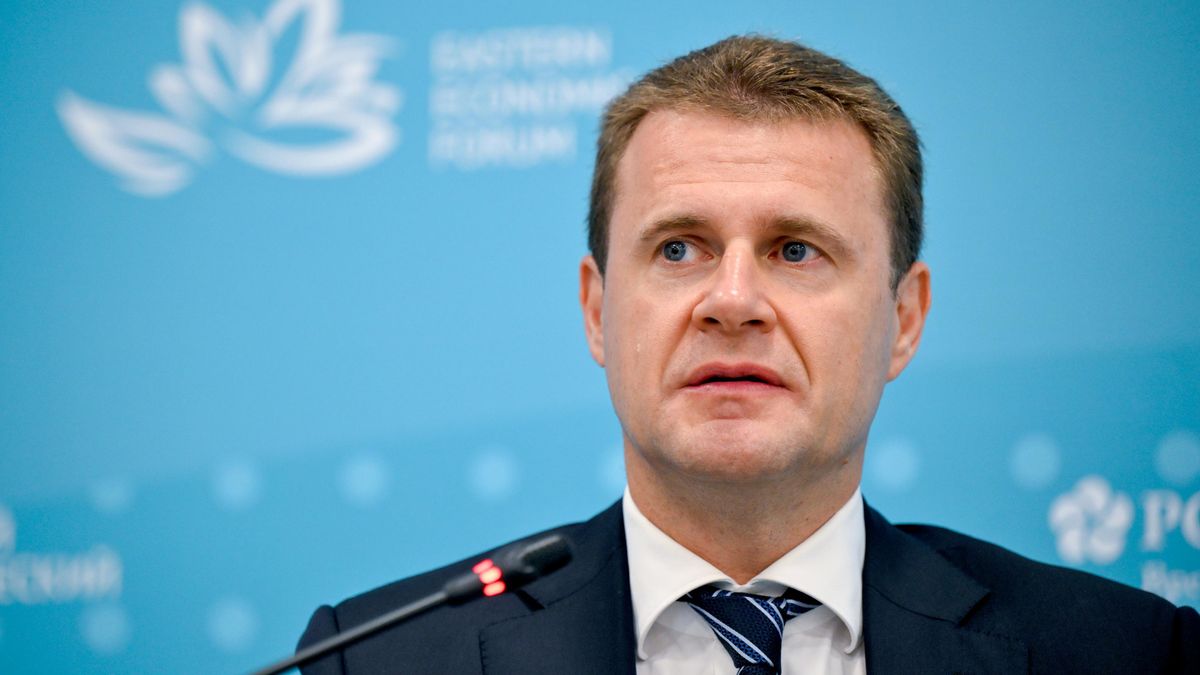
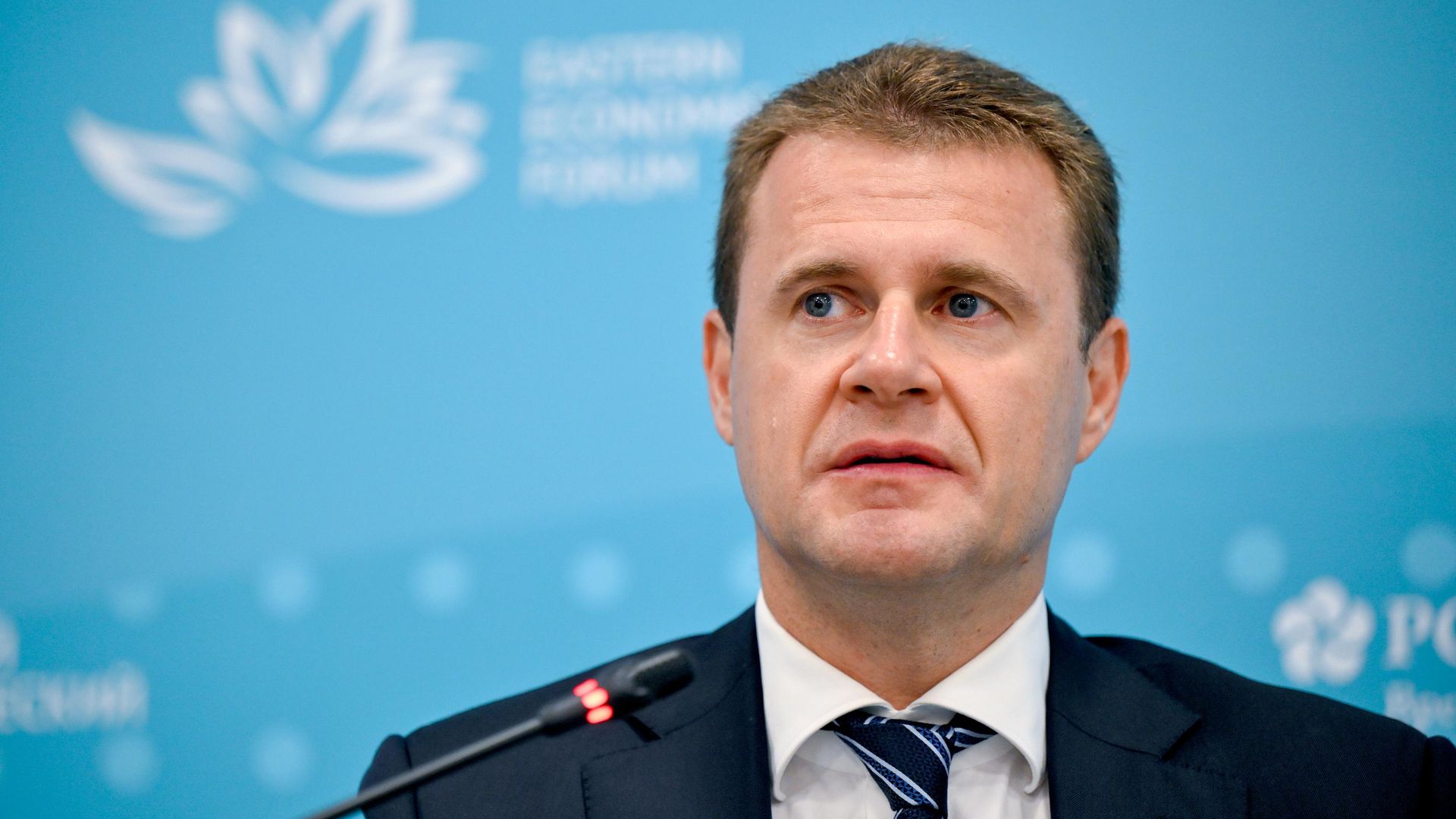
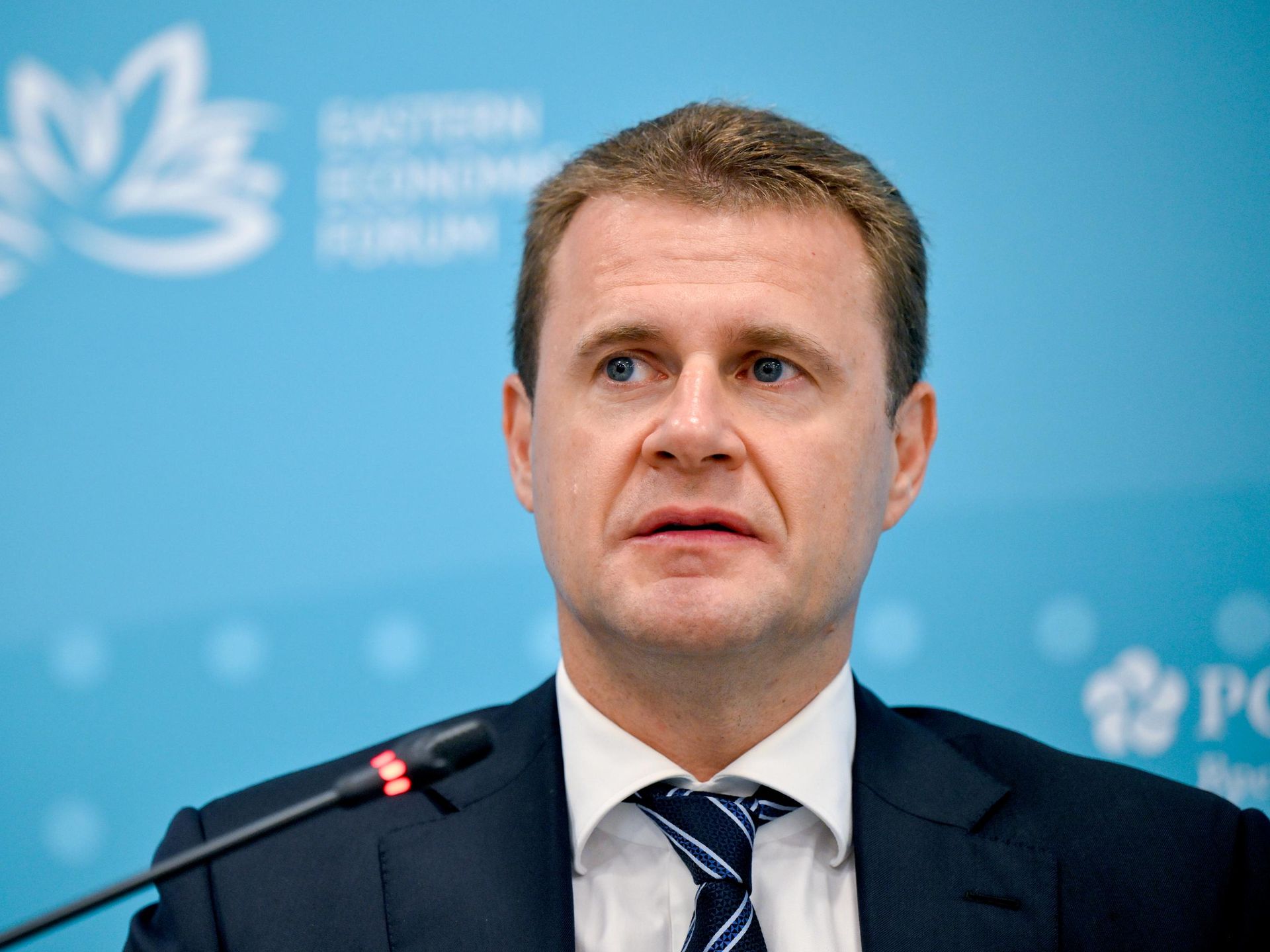
The project focuses on four key areas: investment, transportation and logistics, infrastructure development, and improving the quality of life for local residents. A list of approximately 300 investment projects worth a combined 38 trillion rubles has already been drawn up, Minister for the Development of the Russian Far East and Arctic Alexei Chekunkov told Arctic.ru.
“The comprehensive development of the Trans-Arctic Transport Corridor will help unlock the region’s economic potential by enabling cargo shipments from new industrial and mineral resource centers, attracting investment, creating jobs, and improving connectivity between Arctic territories and other parts of the country,” Alexei Chekunkov said.
According to the minister, the project involves building an integrated transportation and logistics network linking Arctic ports, railways, highways, inland waterways, and transportation infrastructure in the Russian Far East. This will require coordinated development of port facilities, icebreaker and cargo fleets, energy infrastructure, and navigation and maritime safety systems.
The updated strategy identifies seven priorities: ensuring national security and sovereignty; improving quality of life; developing mineral resource centers; advancing technology and industry; establishing the Trans-Arctic Transport Corridor as a strategically important domestic and international shipping route; protecting the environment and adapting to climate change; and preserving the cultural heritage of the peoples of the North.
Alexei Chekunkov added that the strategy was revised on the President’s instructions to reflect the current geopolitical and economic developments, as well as emerging challenges related to security, technology, logistics, and the environment.