https://en.arctic.ru
Japanese companies eager to work with Primorye Territory
Japanese companies eager to work with Primorye Territory
Arctic.ru: Discover how Russia implements its development goals in the Arctic and the Far East
2026-11-05T14:02
2026-11-05T14:02
2026-11-05T17:01
news
primorye territory
international cooperation
/img/07ea/0b/05/1904914_0:156:3000:1844_1920x0_80_0_0_d5c24cc5eadae6eb5740b0788ca7c126.jpg
Representatives from Russia’s Primorye Territory and Japan’s Hokkaido Prefecture have held a business dialogue session to discuss cooperation opportunities in 2027, including in the fishing sector, creative industries and exporting goods from Primorye Territory to Japan, the regional government said in a statement.Primorye Territory’s Minister of International and Foreign Economic Relations Konstantin Sidorenko noted that Asian countries, including Japan, accounted for about 90 percent of Prymorye Territory’s foreign trade.“We may be facing quite a challenging environment at this point, but there are still many Japanese companies who are willing to stay in the business-as-usual mode when working with the Primorye Territory. We are interested in preserving and expanding our business ties and are ready to work with Japanese businesses,” the minister added.Participants in the event said that fishing offered one of the priority tracks for promoting cooperation in 2027. In fact, Russia and Japan have succeeded in agreeing on mutual fishing quotas in 2026, which created a solid foundation for future efforts to work together in this sector.Mineral fertilizer shipments from Primorye Territory to Japan was another promising sector. Launching the Nakhodka Mineral Fertilizer Plant is expected to help expand cooperation in this sector since most of the products it makes will be exported to Asian markets.The agenda also covered exports of food and agricultural products to Japan, including flour and grain, fully processed meat and fish, fishmeal, confectionaries, vegetables, fruit, nuts and cooking oil.The conversation then turned to creative industries with a focus on clothes, accessories and ceramics from the Prymorye designers. These products could have a niche to themselves on the Japanese market.On a separate note, representatives of Primorye and Japan discussed future cooperation in investment and logistics.
https://en.arctic.ru/20261005/1791318.html
2026
Новости
ru-RU
https://en.arctic.ru/docs/about/copyright.html
https://xn--c1acbl2abdlkab1og.xn--p1ai/
/img/07ea/0b/05/1904914_0:0:2667:2000_1920x0_80_0_0_0f834d31c42ebd29088e47f782efba7c.jpgnews, primorye territory, international cooperation
Japanese companies eager to work with Primorye Territory
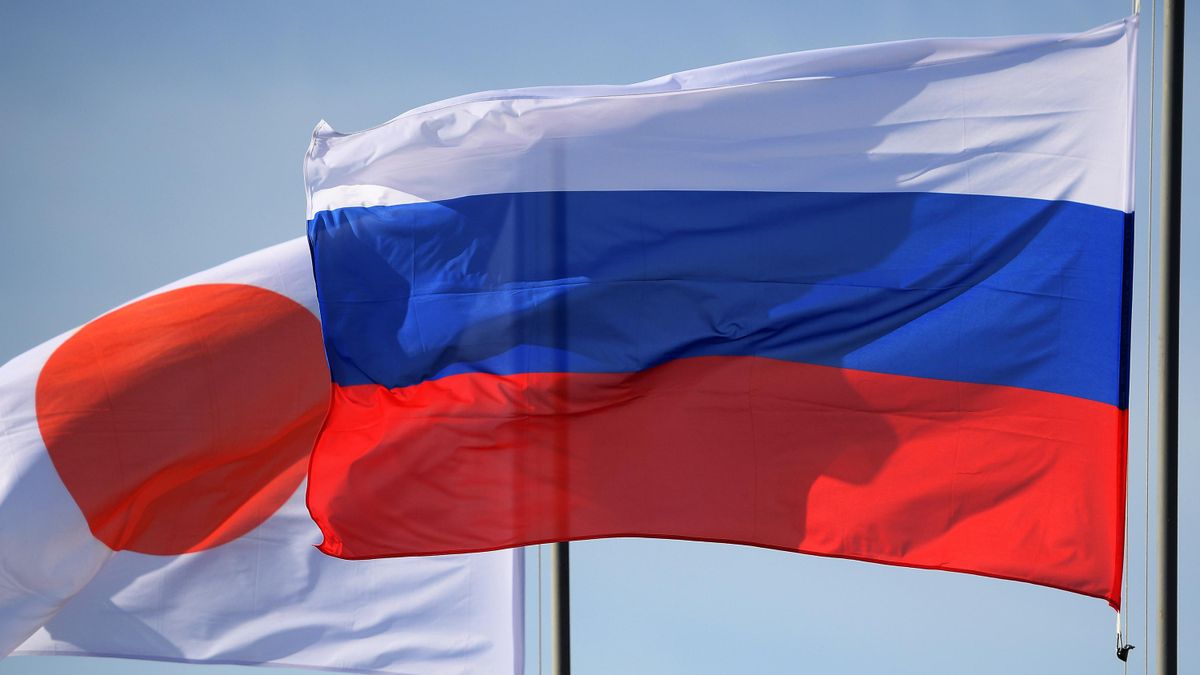
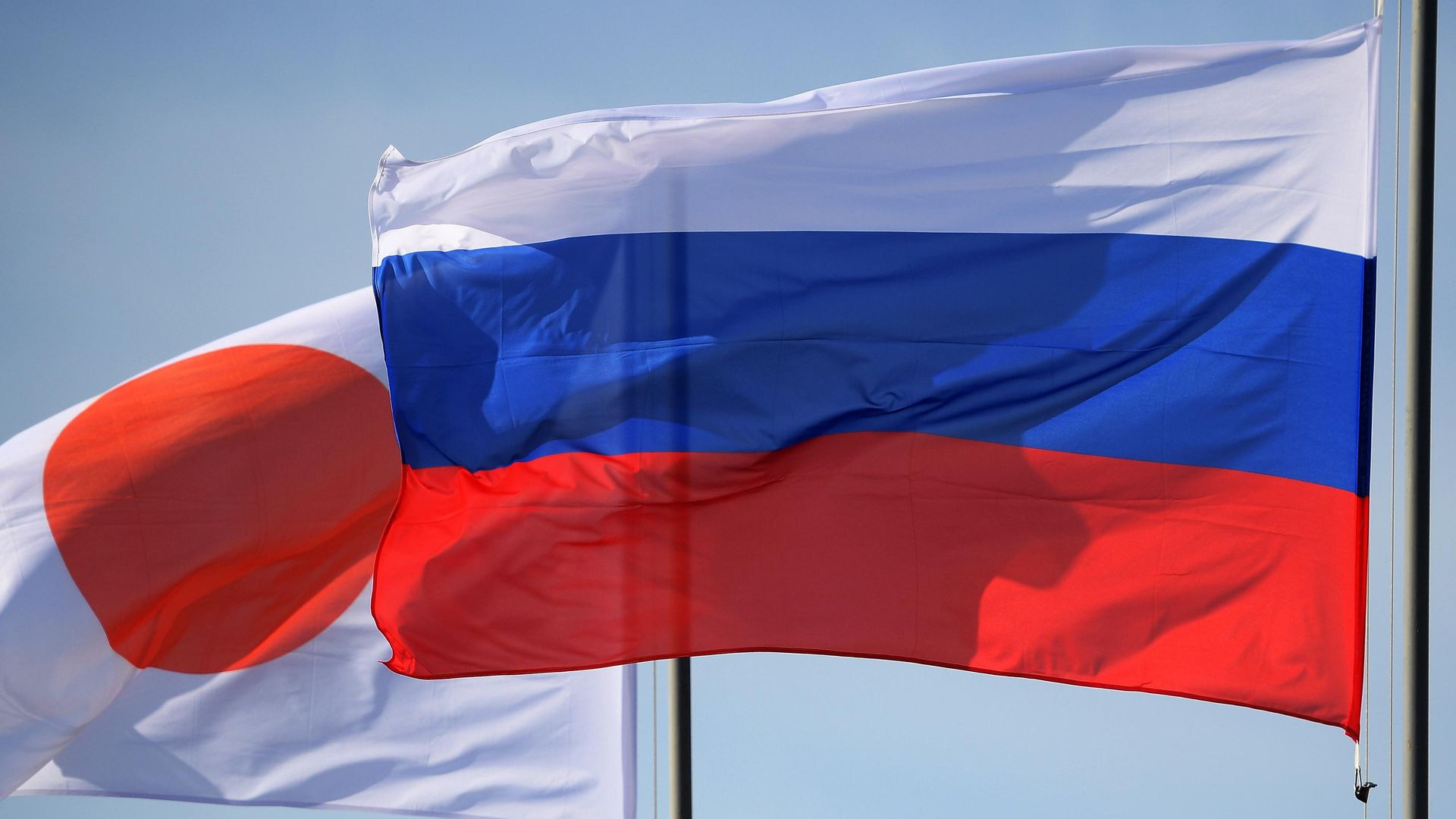
Representatives from Russia’s Primorye Territory and Japan’s Hokkaido Prefecture have held a business dialogue session to discuss cooperation opportunities in 2027, including in the fishing sector, creative industries and exporting goods from Primorye Territory to Japan, the regional government said in a statement.
Primorye Territory’s Minister of International and Foreign Economic Relations Konstantin Sidorenko noted that Asian countries, including Japan, accounted for about 90 percent of Prymorye Territory’s foreign trade.
“We may be facing quite a challenging environment at this point, but there are still many Japanese companies who are willing to stay in the business-as-usual mode when working with the Primorye Territory. We are interested in preserving and expanding our business ties and are ready to work with Japanese businesses,” the minister added.
Participants in the event said that fishing offered one of the priority tracks for promoting cooperation in 2027. In fact, Russia and Japan have succeeded in agreeing on mutual fishing quotas in 2026, which created a solid foundation for future efforts to work together in this sector.
Mineral fertilizer shipments from Primorye Territory to Japan was another promising sector. Launching the Nakhodka Mineral Fertilizer Plant is expected to help expand cooperation in this sector since most of the products it makes will be exported to Asian markets.
The agenda also covered exports of food and agricultural products to Japan, including flour and grain, fully processed meat and fish, fishmeal, confectionaries, vegetables, fruit, nuts and cooking oil.
The conversation then turned to creative industries with a focus on clothes, accessories and ceramics from the Prymorye designers. These products could have a niche to themselves on the Japanese market.
On a separate note, representatives of Primorye and Japan discussed future cooperation in investment and logistics.