https://en.arctic.ru
Senator Andrei Shevchenko: The unified territory of advanced development should become the main development tool in the Far Eastern Federal District and the Arctic
Senator Andrei Shevchenko: The unified territory of advanced development should become the main development tool in the Far Eastern Federal District and the Arctic
Arctic.ru: Discover how Russia implements its development goals in the Arctic and the Far East
2026-10-27T12:16
2026-10-27T12:16
2026-10-27T15:21
news
arctic zone of russia
far eastern federal district
far east and arctic development corporation
ministry for the development of the russian far east and arctic
federation council
alexei chekunkov
economy
/img/07ea/0a/1b/1878320_0:178:3072:1905_1920x0_80_0_0_7d31600230af3e3883da5af3841c34eb.jpg
During a meeting of the Federation Council Committee on Federal Structure, Regional Policy, Local Government and Northern Affairs, the senators discussed the avenues of their collaboration with the Ministry for the Development of the Russian Far East and Arctic and the Far East and Arctic Development Corporation, reads a press release of the Federation Council.Chair of the Committee Andrei Shevchenko recalled that this year the senators and Ministry established a working group for drafting a federal law on a unified preferential regime. He said that Far Eastern and Arctic development remained a priority and requires the coordinated work of the relevant agencies.Minister for the Development of the Russian Far East and the Arctic Alexei Chekunkov briefed the participants on the main tasks and plans of his ministry. He said that the Far East reported good results in the field of investment, which grew 50 percent faster in the region than the country’s average.Alexei Chekunkov identified the key support instruments in the Far East and the Arctic – territories of advanced development (TADs), the Free Port of Vladivostok, the Far Eastern Hectare program, lower energy tariffs, and the special administrative regime on Russky Island, which has helped return assets worth more than 5.5 trillion rubles to Russian jurisdiction.Another crucial element of regional development is the Northern Sea Route.“At of the beginning of the fourth quarter, freight transportation via the NSR amounted to 33 million tons, which is 17 percent more than in the same period last year. The volume of transit shipping has increased to 4.8 million tons, an increase of 50 percent from 3.2 million tons last year,” the minister said.It was noted that two nuclear icebreakers, two hydrographic vessels, and five rescue vessels have been built and four satellites have been orbited for the NSR. Another four nuclear icebreakers, three rescue centers, and 41 rescue vessels are to be built and 11 satellites are to be launched by 2035.Director General of the Far East and Arctic Development Corporation Nikolai Zapryagayev reported on the corporation’s performance. One of the forward-looking spheres of its operation includes the creation of new platforms and international territories of advanced development.Nikolai Zapryagayev noted that the volume of binding agreements between the corporation and residents of preferential regimes s in the Far Eastern Federal District and the Arctic has reached 14.6 trillion rubles, out of which 6.1 trillion rubles have already been invested in ongoing projects.The director general of the corporation also revealed plans to create a unified territory of advanced development. “The new approach includes the possibility to provide state support measures to investors and approve the allocation of land plots for them not only within the boundaries of existing TADs but throughout the Far East and in the Arctic zone,” he said. “Regional; authorities will play a greater role in approving areas for the attraction of new enterprises, which will allow taking their priorities and requirements into account when formulating investment proposals.”
https://en.arctic.ru/20261014/1829237.html
2026
Новости
ru-RU
https://en.arctic.ru/docs/about/copyright.html
https://xn--c1acbl2abdlkab1og.xn--p1ai/
/img/07ea/0a/1b/1878320_0:0:2732:2048_1920x0_80_0_0_f89978df797383240a1565df878c0ac7.jpgnews, arctic zone of russia, far eastern federal district, far east and arctic development corporation, ministry for the development of the russian far east and arctic, federation council , alexei chekunkov, economy
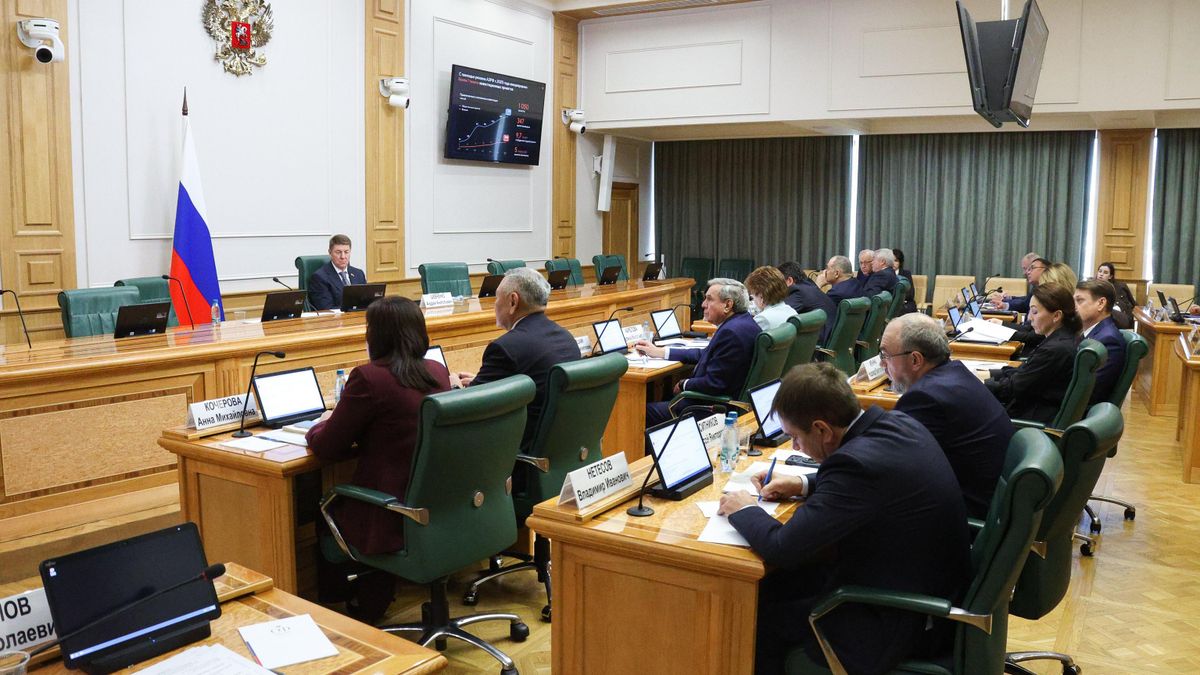
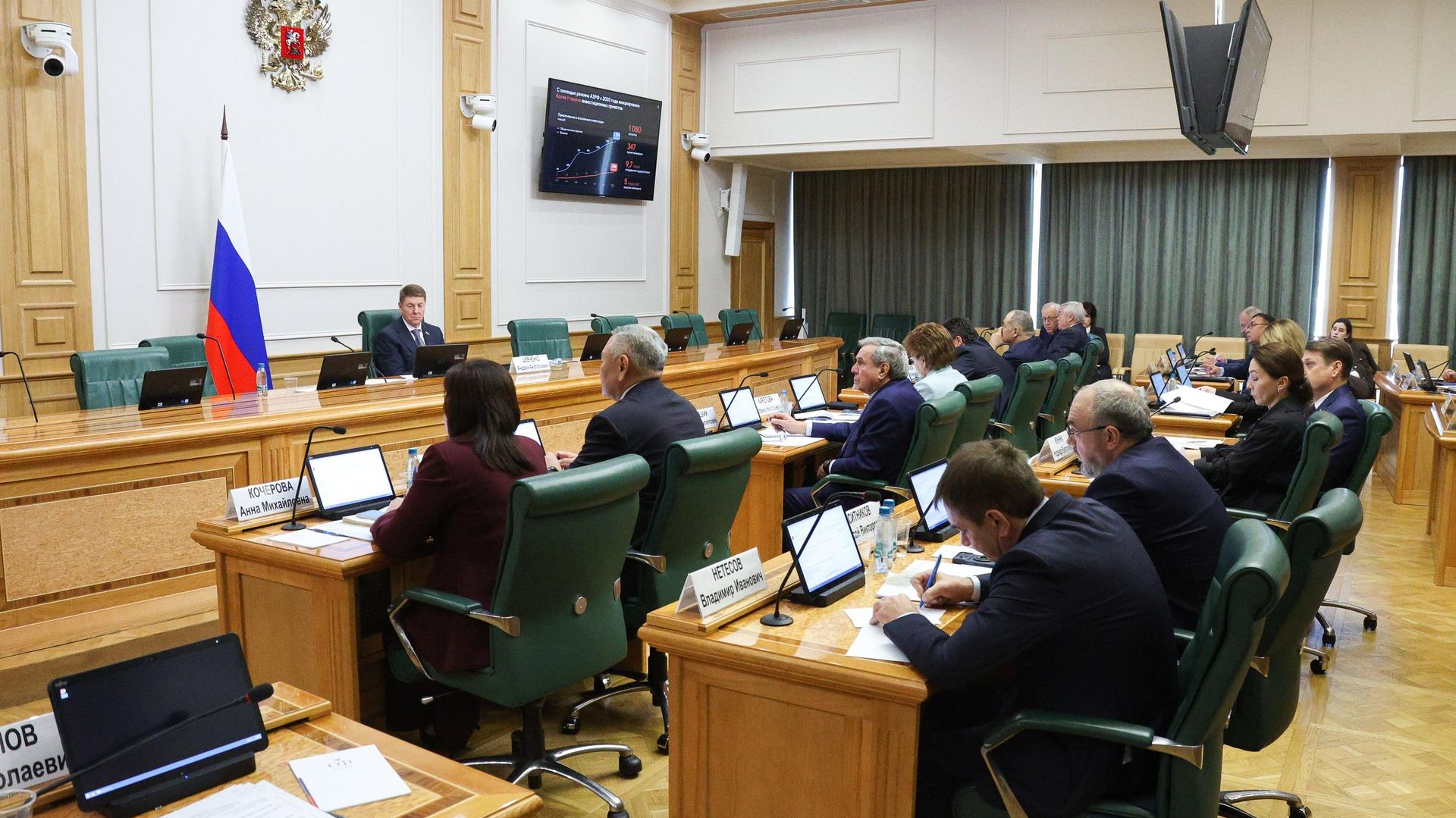
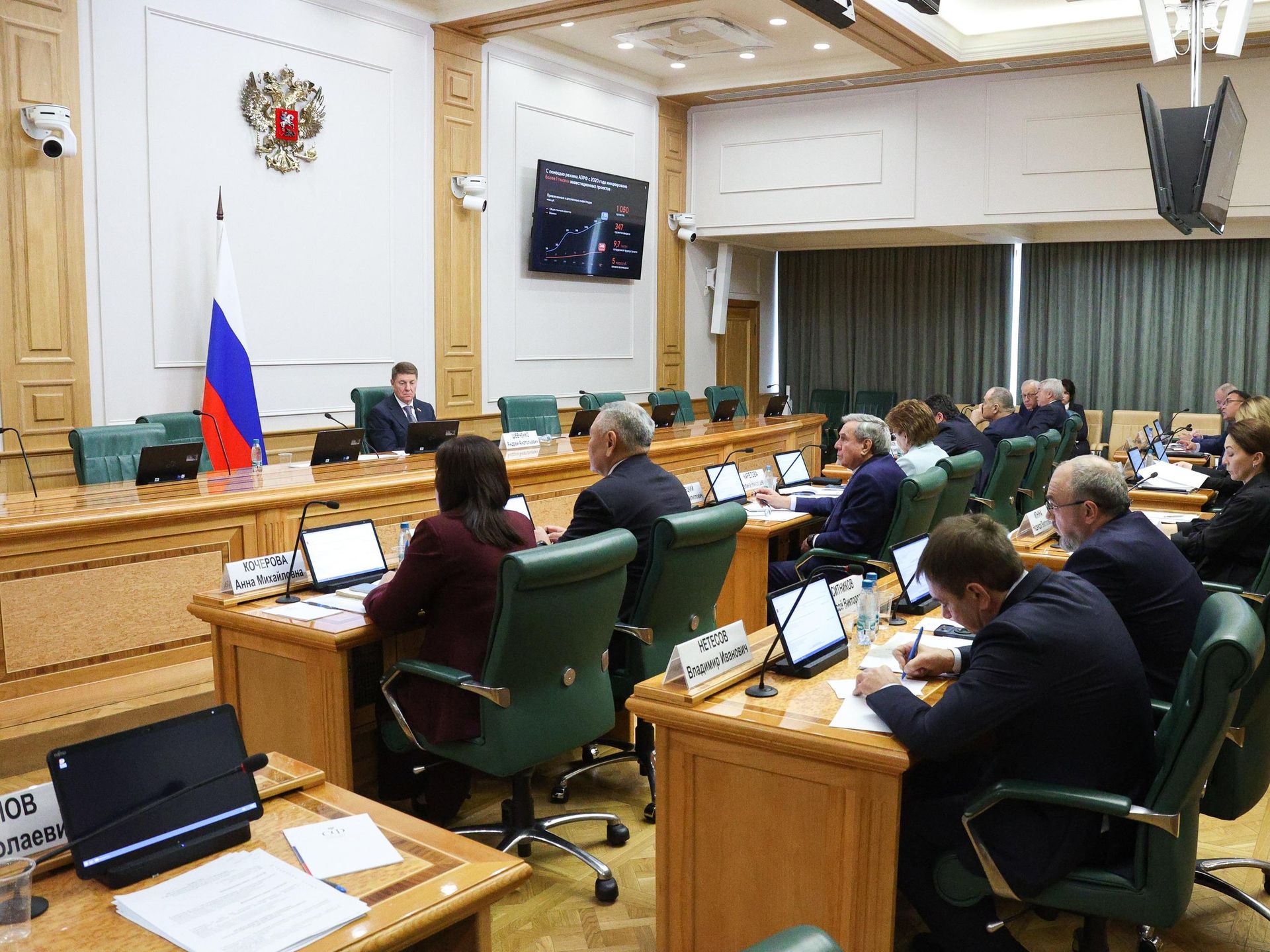
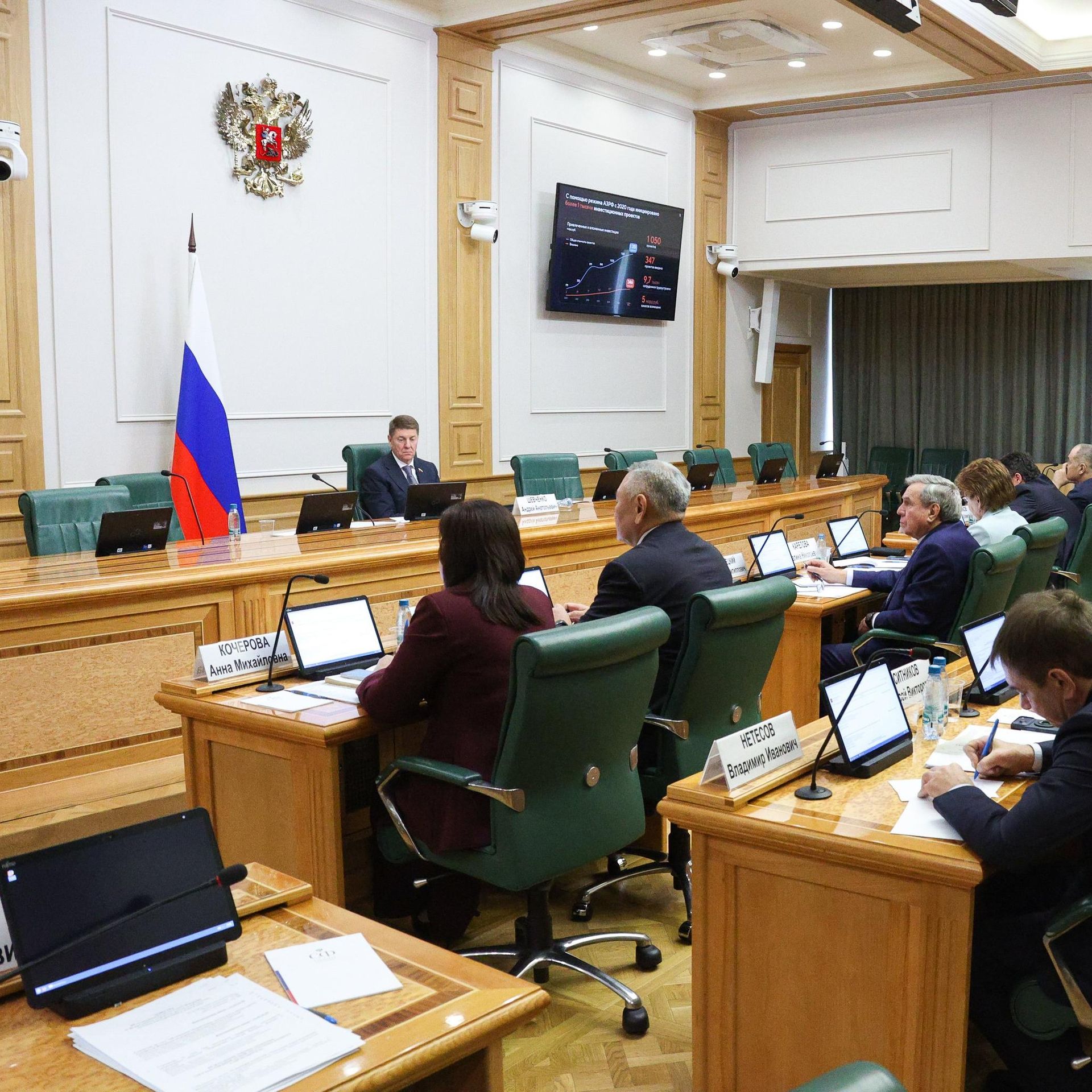
During a meeting of the Federation Council Committee on Federal Structure, Regional Policy, Local Government and Northern Affairs, the senators discussed the avenues of their collaboration with the Ministry for the Development of the Russian Far East and Arctic and the Far East and Arctic Development Corporation, reads a press release of the Federation Council.
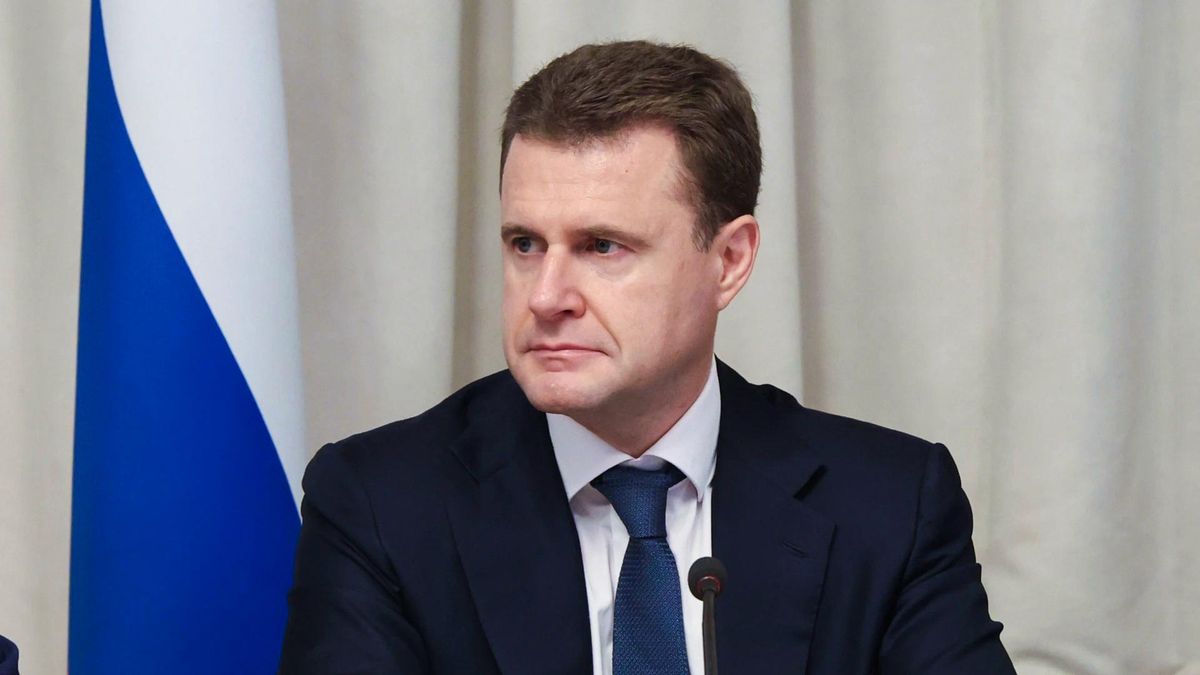
Chair of the Committee Andrei Shevchenko recalled that this year the senators and Ministry established a working group for drafting a federal law on a unified preferential regime. He said that Far Eastern and Arctic development remained a priority and requires the coordinated work of the relevant agencies.
“We can see substantial results, namely the growth of investments, industry, housing construction, social programs and infrastructure. The unified territory of advanced development (UTAD) will be our main instrument in this sphere,” Andrei Shevchenko pointed out.
Minister for the Development of the Russian Far East and the Arctic Alexei Chekunkov briefed the participants on the main tasks and plans of his ministry. He said that the Far East reported good results in the field of investment, which grew 50 percent faster in the region than the country’s average.
Alexei Chekunkov identified the key support instruments in the Far East and the Arctic – territories of advanced development (TADs), the Free Port of Vladivostok, the Far Eastern Hectare program, lower energy tariffs, and the special administrative regime on Russky Island, which has helped return assets worth more than 5.5 trillion rubles to Russian jurisdiction.
Another crucial element of regional development is the Northern Sea Route.
“At of the beginning of the fourth quarter, freight transportation via the NSR amounted to 33 million tons, which is 17 percent more than in the same period last year. The volume of transit shipping has increased to 4.8 million tons, an increase of 50 percent from 3.2 million tons last year,” the minister said.
It was noted that two nuclear icebreakers, two hydrographic vessels, and five rescue vessels have been built and four satellites have been orbited for the NSR. Another four nuclear icebreakers, three rescue centers, and 41 rescue vessels are to be built and 11 satellites are to be launched by 2035.
Director General of the Far East and Arctic Development Corporation Nikolai Zapryagayev reported on the corporation’s performance. One of the forward-looking spheres of its operation includes the creation of new platforms and international territories of advanced development.
Nikolai Zapryagayev noted that the volume of binding agreements between the corporation and residents of preferential regimes s in the Far Eastern Federal District and the Arctic has reached 14.6 trillion rubles, out of which 6.1 trillion rubles have already been invested in ongoing projects.
The director general of the corporation also revealed plans to create a unified territory of advanced development. “The new approach includes the possibility to provide state support measures to investors and approve the allocation of land plots for them not only within the boundaries of existing TADs but throughout the Far East and in the Arctic zone,” he said. “Regional; authorities will play a greater role in approving areas for the attraction of new enterprises, which will allow taking their priorities and requirements into account when formulating investment proposals.”