09:00 21.10.2026
“The Arctic is our northern outpost”: Inside an Arctic Rescue Center in the Nenets Autonomous Area
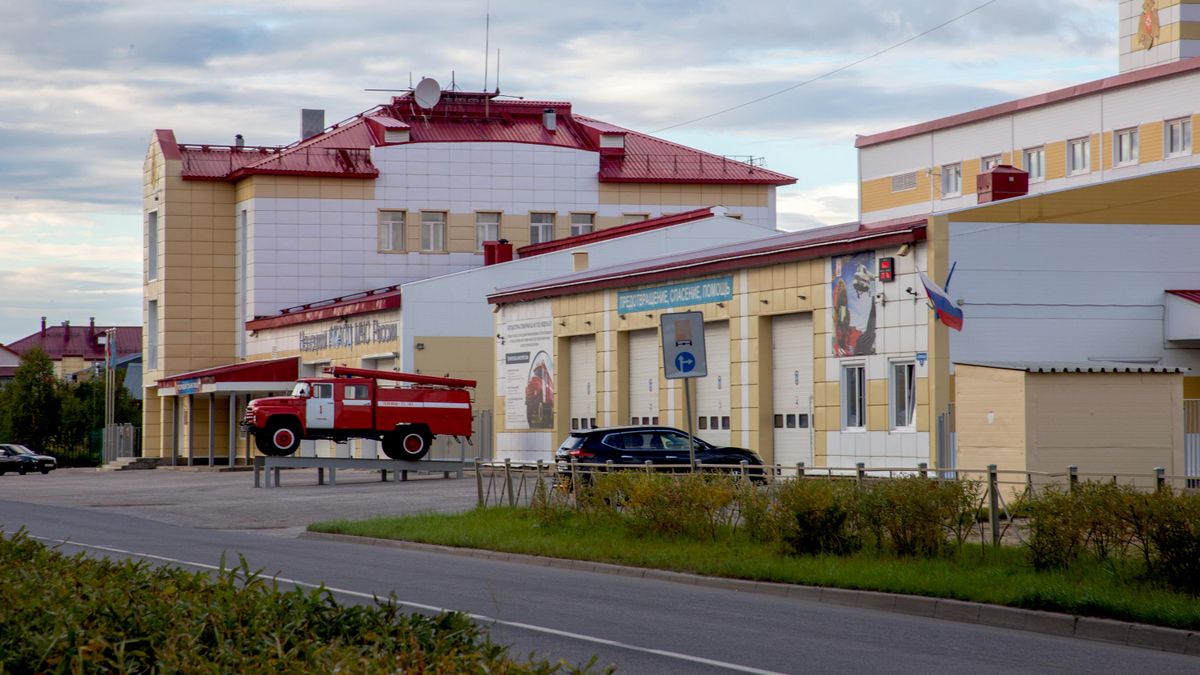
© Russian Arctic and Far East Development
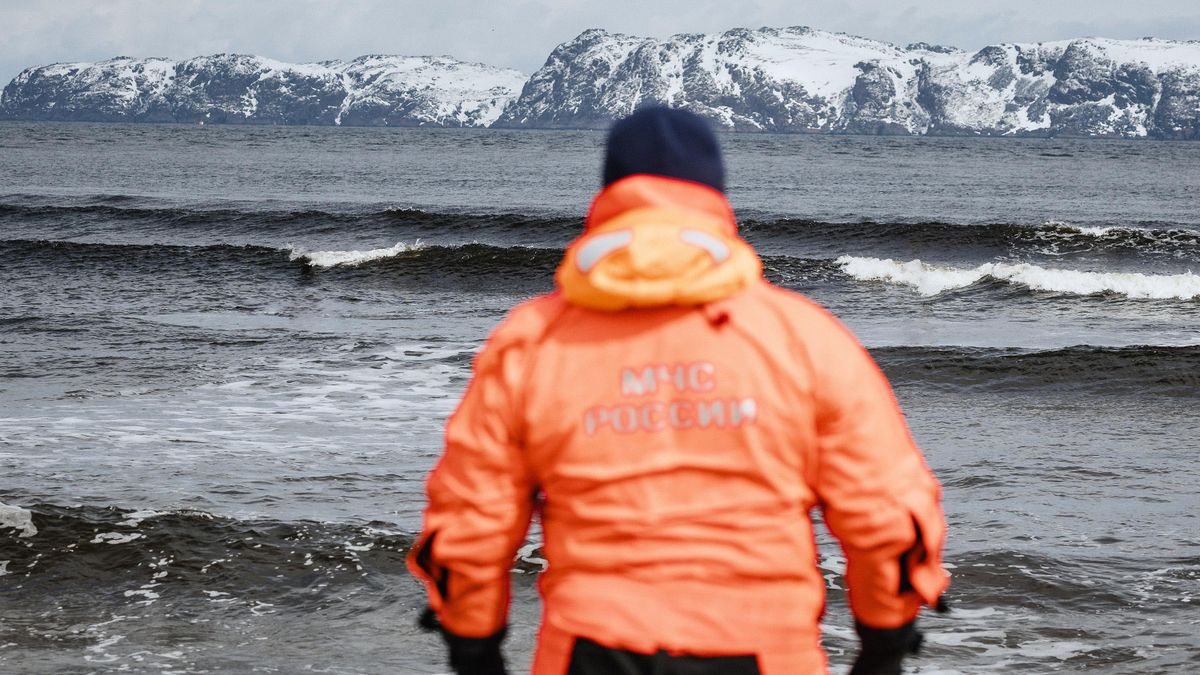
The Nenets Search and Rescue Unit was established in 2010. Six years later, it officially became the EMERCOM Nenets Arctic Integrated Emergency Rescue Center. Its specialists conduct search and rescue operations in challenging environments, such as forest tundra, water bodies, subzero temperatures, and deep snow.
Correspondents for the Arctic and Far East Development website found out what it takes to become a rescue worker in the North and what challenges EMERCOM personnel face every day.
In the Nenets Autonomous Area, the challenges facing rescue workers begin with planning a route. There are no easy routes here as rescuers must reach places inaccessible by road.
Rescue workers operate both near Naryan-Mar, the administrative center of the area, and in remote areas. Many localities in the Nenets Autonomous Area sit near the Pechora River, and can only be reached by helicopter or river transport.
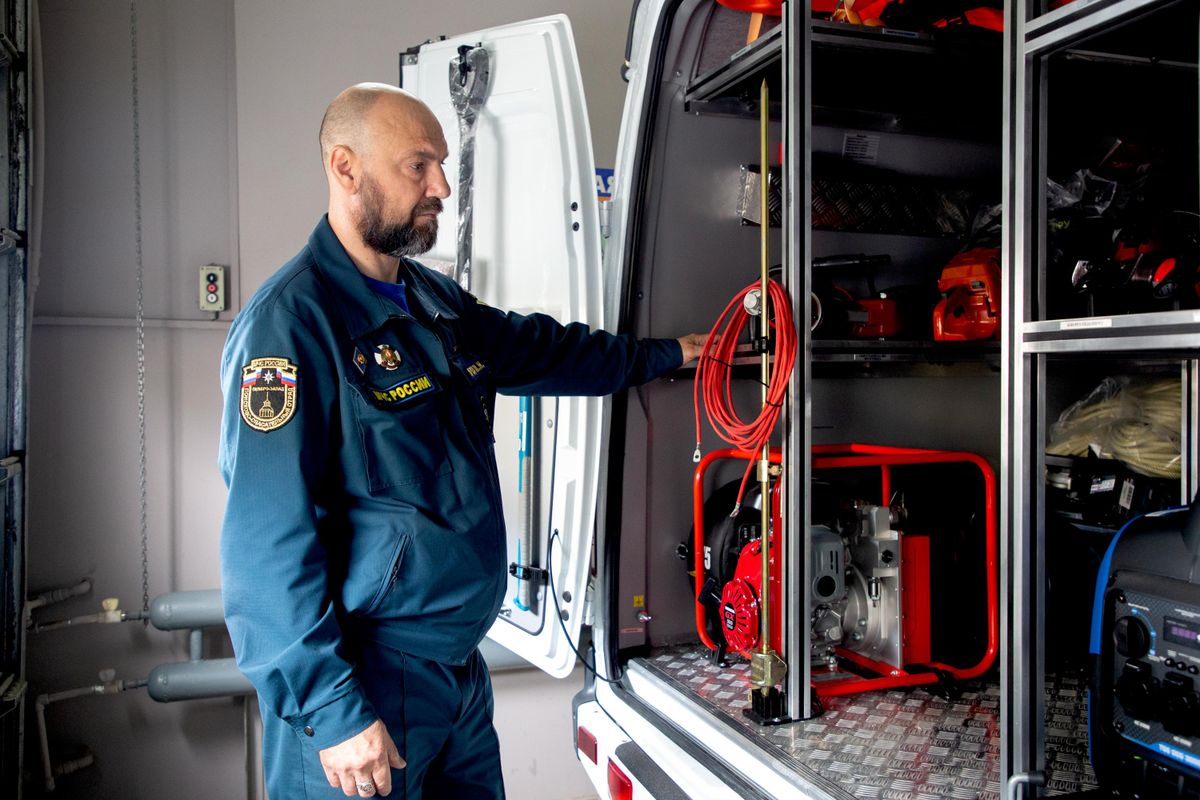
Maxim Zharkov, Deputy Head of Search and Rescue Operations at the Nenets Arctic Integrated Emergency Rescue Center
© Russian Arctic and Far East Development
According to Maxim Zharkov, Deputy Head of Search and Rescue Operations at the center, the nature of rescue work in the region also depends on the season. Calls for assistance are more frequent in winter, when vehicles carrying people become stranded on winter roads. When this happens, heavy equipment comes into play.
“We also search for missing fishermen and hunters, i.e. people staying in remote cabins whose vehicles have broken down, who may have fallen ill, or gotten lost,” he added.
In spring, the area gets flooded, and reports of missing hunters and fishermen are common. Dry summers and early fall bring the season for fighting tundra fires and helping mushroom pickers who get lost. However, according to Maxim Zharkov, such calls are becoming less frequent each year.
“People have GPS devices now,” he said. “They enter coordinates and head for places they know. Sometimes women out picking mushrooms get lost, and we find them using vehicles equipped with loudspeakers. We turn them on, and women follow the sound.”
“People Must Know They Can Rely on a Rescue Worker”
The center has improved over the years, Maxim Zharkov believes. It has acquired new equipment and hired more rescue workers.
“When we started, we had three or four pieces of equipment,” he said. “Now we have 24, plus 10 watercraft. Our staff has also grown: we used to have 15 rescue workers, and now we have 24. Personnel receive training at specialized centers in various disciplines.”
According to Maxim Zharkov, the Emergencies Ministry employs both civilian personnel and specialized staff who hold service ranks. All employees at the Nenets Arctic Integrated Emergency Rescue Center are civilians that have received training at accredited centers. Staff turnover is low, with many rescue workers having been there since the time center was established.
“Employees leave only for health reasons,” Zharkov said. “We have medical examinations every year, and anyone who fails to pass cannot continue working. When you’re carrying out a rescue operation, people must know they can rely on you.”


1/4
Specialized equipment at the EMERCOM Nenets Arctic Integrated Emergency Rescue Center
© Russian Arctic and Far East Development
2/4
Specialized equipment at the EMERCOM Nenets Arctic Integrated Emergency Rescue Center
© Russian Arctic and Far East Development
3/4
Watercraft at the EMERCOM Nenets Arctic Integrated Emergency Rescue Center
© Russian Arctic and Far East Development
4/4
Watercraft at the EMERCOM Nenets Arctic Integrated Emergency Rescue Center
© Russian Arctic and Far East Development
Sometimes a candidate fails the physical fitness tests despite being in excellent health and willing to become a rescue worker.
“In such cases, we give them time to prepare and improve their fitness so they can try again later, meet the physical fitness standards, and qualify as a rescue worker candidate,” the deputy head of the center said.
Employees also can receive additional training in various rescue specialties as part of their job.
“Our divers didn’t join us as qualified divers; they received training in specialized EMERCOM units. The same applies to industrial climbers, canine handlers, hazmat rescue specialists, and other rescue professionals,” Maxim Zharkov noted.
Every employee of the Nenets Arctic Integrated Emergency Rescue Center must be a “universal soldier” of the rescue service and be able to operate and repair specialized equipment.
“A few months ago, we hired two local men, ages 22 and 32,” Zharkov said. “Both already had experience working with machinery. One is a motorcycle racer, while the other has extensive experience operating heavy equipment. We know our equipment inside and out: our rescue workers are also mechanics and drivers. They’re skilled in every aspect of the job.”
They Are Better at Finding Their Way than GPS
According to Vyacheslav Yeliseyev, a longtime employee of the center and Deputy Head of the Nenets Arctic Integrated Emergency Rescue Center, excellent knowledge of the local terrain is another major advantage for rescue workers, something people born and raised in the area often possess. However, the tundra is best known to indigenous peoples of the North.
“They can find their way around even better than people using GPS devices and navigators. Someone may turn up after a week without even realizing they’ve been lost, while their relatives have been searching for them,” he noted.
Vyacheslav Yeliseyev joined the rescue service in 2010 and has worked at the center since day one. He recalls that it began as a small unit consisting of rescue workers, a head, and a deputy head.
“Gradually, the unit expanded, and its staffing levels increased. I moved from being a rescue worker to heading the search and rescue unit. Later, I was appointed deputy head of the center,” Vyacheslav Yeliseyev said.
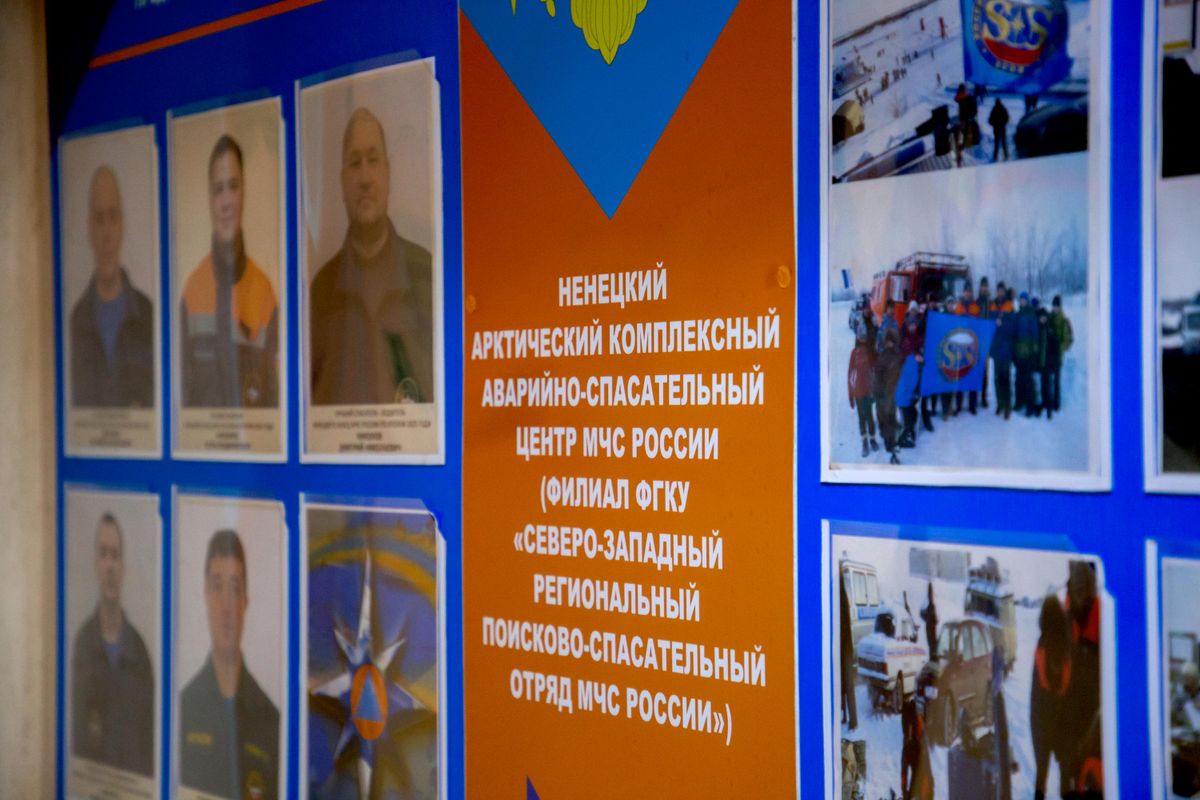
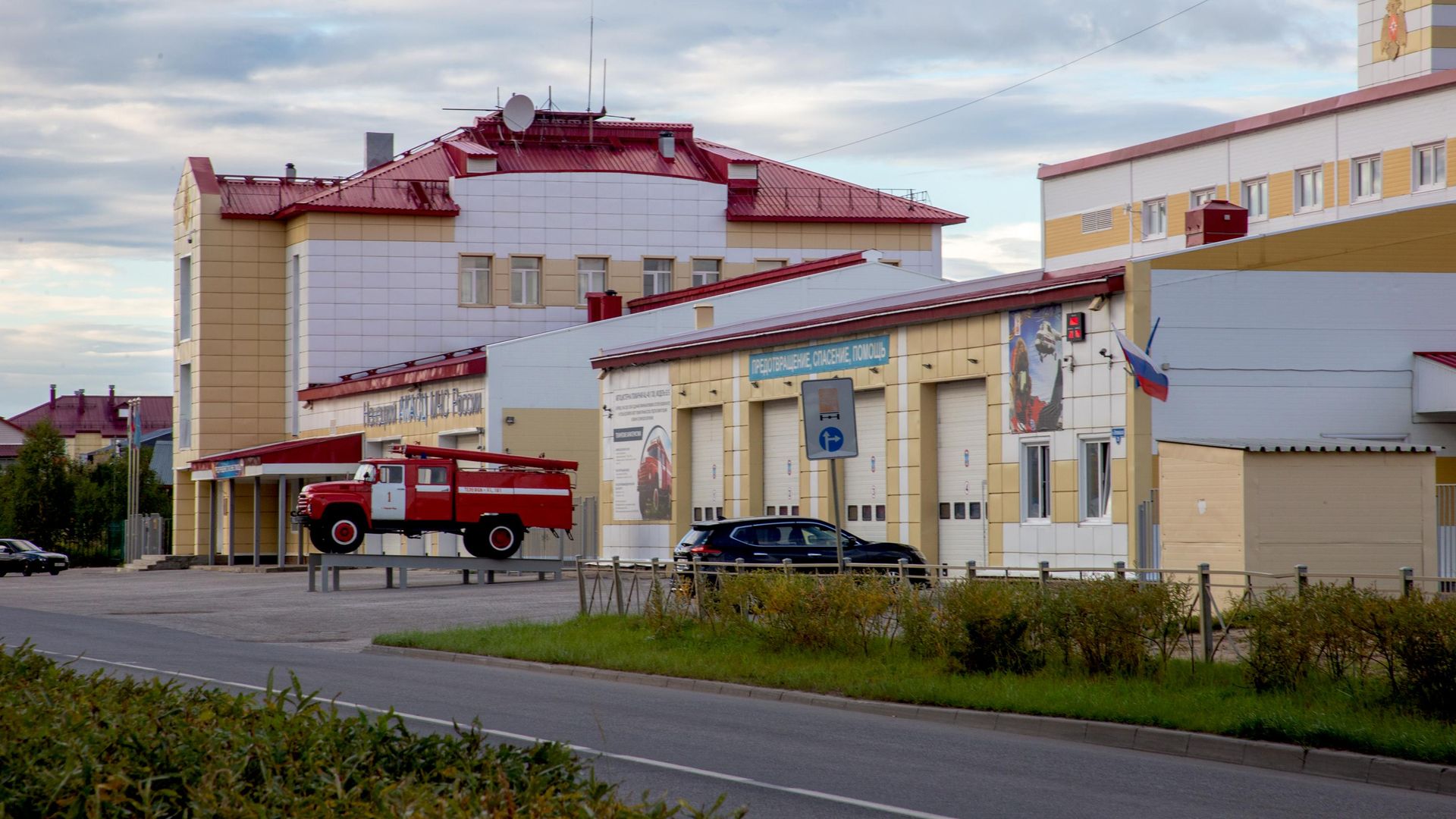
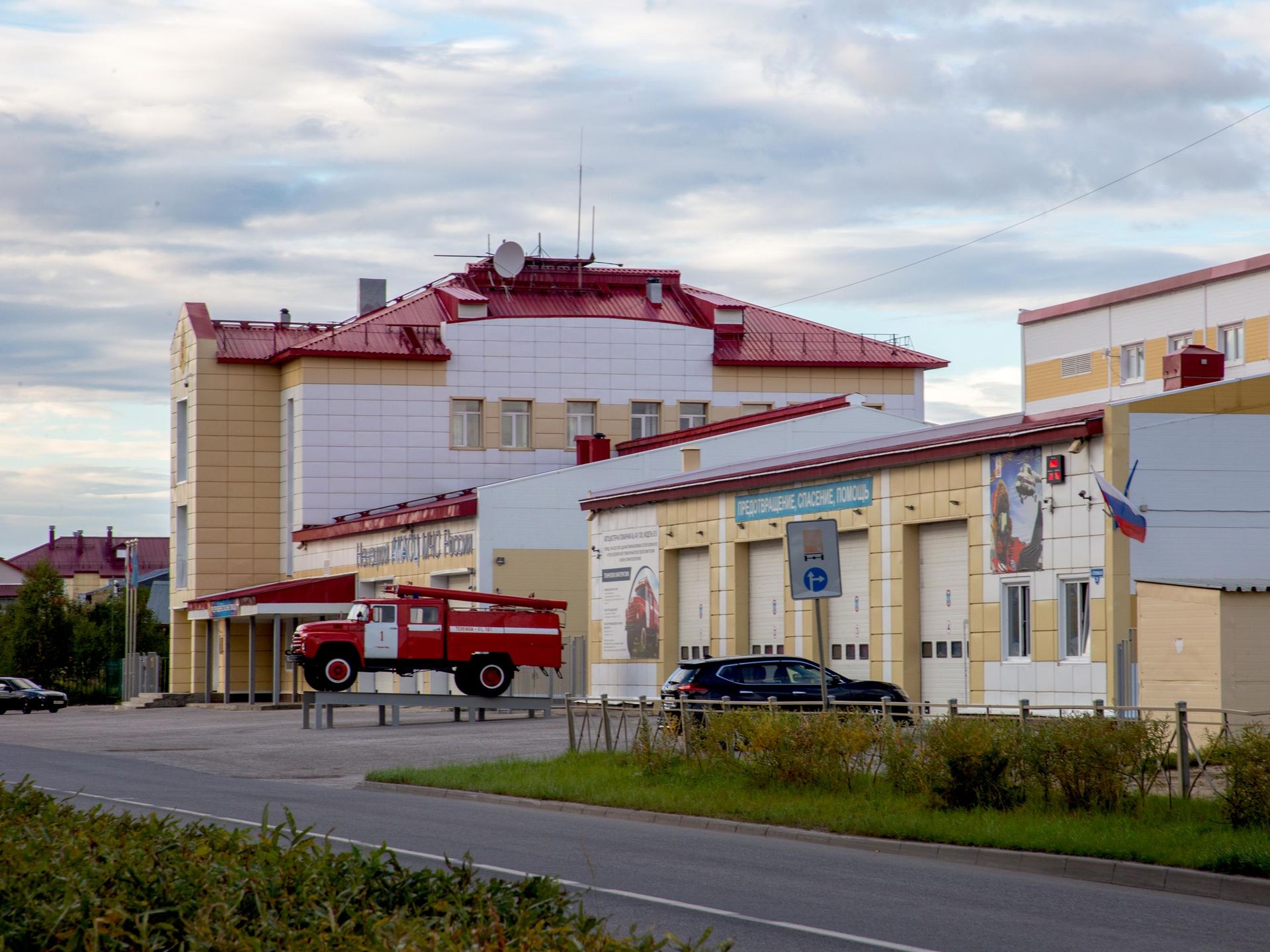
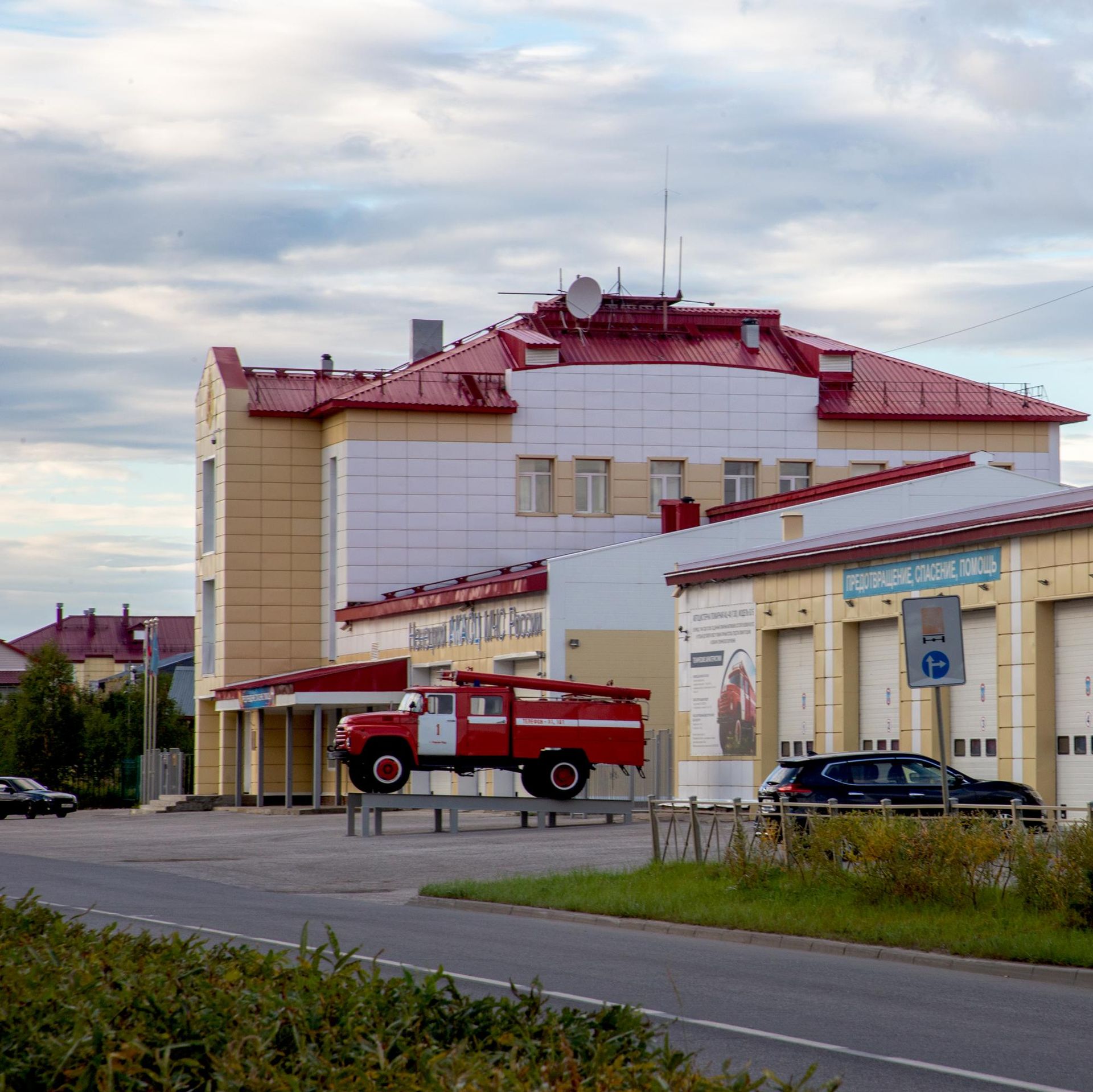
EMERCOM Nenets Arctic Integrated Emergency Rescue Center
© Russian Arctic and Far East Development
He identifies encounters with wild animals and harsh climatic conditions as the main challenges of the job. Nevertheless, Yeliseyev said, there had been no situations that the center’s staff was unable to handle.
“Everyone who joined us is still working here. Some of us have been here since the very beginning, and a few have already retired. Everyone else is doing well. In that respect, we know we can rely on our people,” Vyacheslav Yeliseyev said.
The Arctic is a region of strategic importance. Specialists at the Nenets Arctic Integrated Emergency Rescue Center are confident that these territories will thrive over the next 20 to 30 years.
“After all, the Arctic is our northern outpost. The Northern Sea Route runs through here, and it needs to be monitored, with help provided whenever necessary. I believe the Arctic has a great future ahead of it,” Maxim Zharkov said.