https://en.arctic.ru
Experts discuss scenarios for interaction on Arctic transport routes
Experts discuss scenarios for interaction on Arctic transport routes
Arctic.ru: Discover how Russia implements its development goals in the Arctic and the Far East
2026-10-19T16:51
2026-10-19T16:51
2026-10-19T19:26
news
northern sea route
international cooperation
/img/07ea/0a/13/1853756_0:154:3000:1842_1920x0_80_0_0_de4993123b45870d394d822e0d8ea0c5.jpg
Experts discussed international security issues, growing interest in the northern sea routes, and competition for access to the Arctic during a roundtable at the Rossiya Segodnya International Information Agency.According to Sergei Grinyaev, a senior researcher at the Center for Arctic Studies at the Russian Academy of Sciences’ Institute of Europe and general director of the Center for Strategic Assessments and Forecasts, one of the main trends currently evident in the Arctic region is the growing presence of the United States and its allies.“All exercises, submarine operations, icebreaker support, and troop training are being integrated into a mechanism for maintaining a permanent presence in the Arctic region,” Sergei Grinyaev noted.The expert identified three possible scenarios that Russia could face in the coming years. The positive scenario envisions limited normalization of relations without a reduction in the military presence.“The parties agree to notify one another of dangerous activities, maintain cooperation in search and rescue, and prevent related incidents. The Northern Sea Route (NSR) and the Trans-Arctic Transport Corridor continue to develop under ongoing political restrictions, but without systematic military risks and associated obstacles. An indicator that this scenario is materializing would be the restoration of practical contacts among maritime agencies and other bodies through Arctic coordination channels,” he said.Sergei Grinyaev considers the neutral scenario, which assumes that competition in the Arctic will remain manageable, to be the most likely.“NATO regularly conducts exercises in the Arctic region, and the United States is gradually commissioning new icebreakers that it is building jointly with Finland and Canada. In this situation, Russia will have to further strengthen support for its routes, including military support. Shipping will continue, but it will be subject to sanctions-related insurance and infrastructure restrictions,” he explained.According to the expert, the negative scenario involves a broader crisis in Russia–NATO relations in the west spilling over into the Arctic.As Natalya Vyakhireva, head of the Canada Department at the Institute for U.S. and Canadian Studies, noted, parallels are often drawn between the Northern Sea Route and the Northwest Passage (NWP), but the two can only be compared in terms of their status.“Both straits have the status of internal waters of Russia and Canada, respectively. But in terms of infrastructure development and navigation, there is virtually nothing to compare, at least at this stage. However, it is believed that, in the future, climate change will make the NWP an advantageous logistics route,” she noted.For his part, Mikhail Grigoryev, a member of the Russian Academy of Sciences’ Scientific Council for the Arctic and Antarctic Studies, noted a sharp increase over the past year in the number of transit voyages along the Northern Sea Route, including export, import, cabotage, and transit shipments.“Ninety-five percent of our cargo consists of Russian foreign trade goods. These include both oil and coal. The products are heading east, to new markets. They are shipped not only from the Arctic ports of Arkhangelsk and Murmansk but also from Baltic ports. Of course, further growth in transit shipments should be expected, primarily involving Chinese cargo,” the expert said.
https://en.arctic.ru/20261013/1824234.html
2026
Новости
ru-RU
https://en.arctic.ru/docs/about/copyright.html
https://xn--c1acbl2abdlkab1og.xn--p1ai/
/img/07ea/0a/13/1853756_170:0:2831:1996_1920x0_80_0_0_eb3d95434c7f3deedb0cba52e70594c7.jpgnews, northern sea route, international cooperation
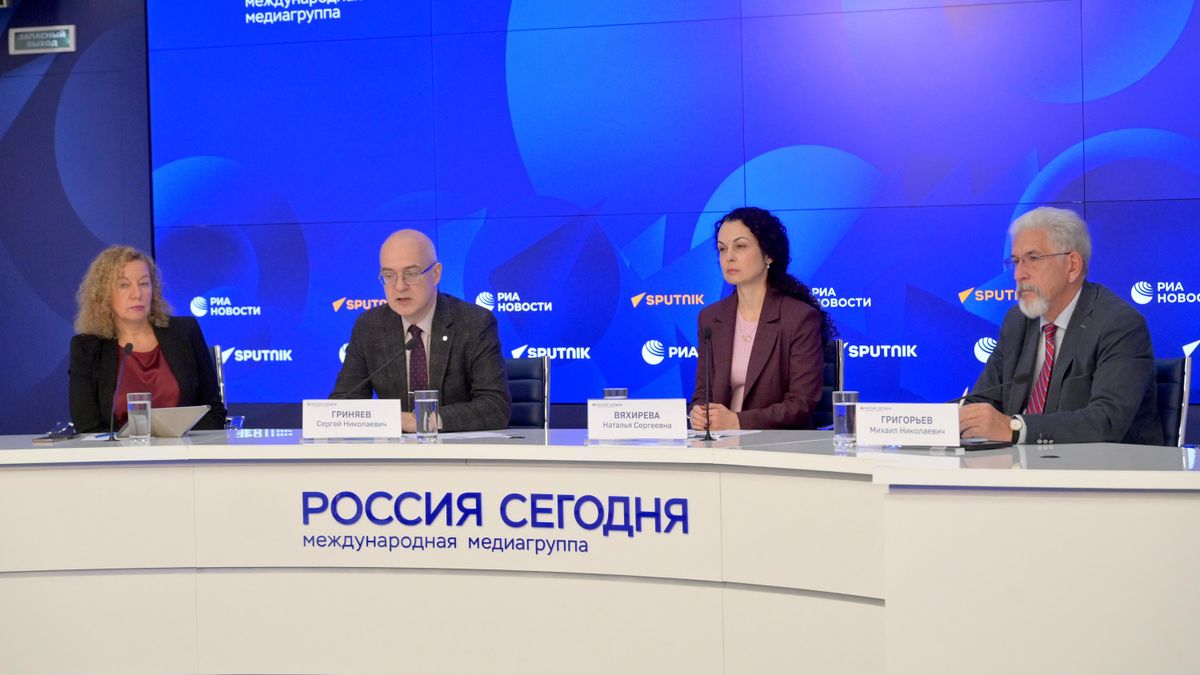
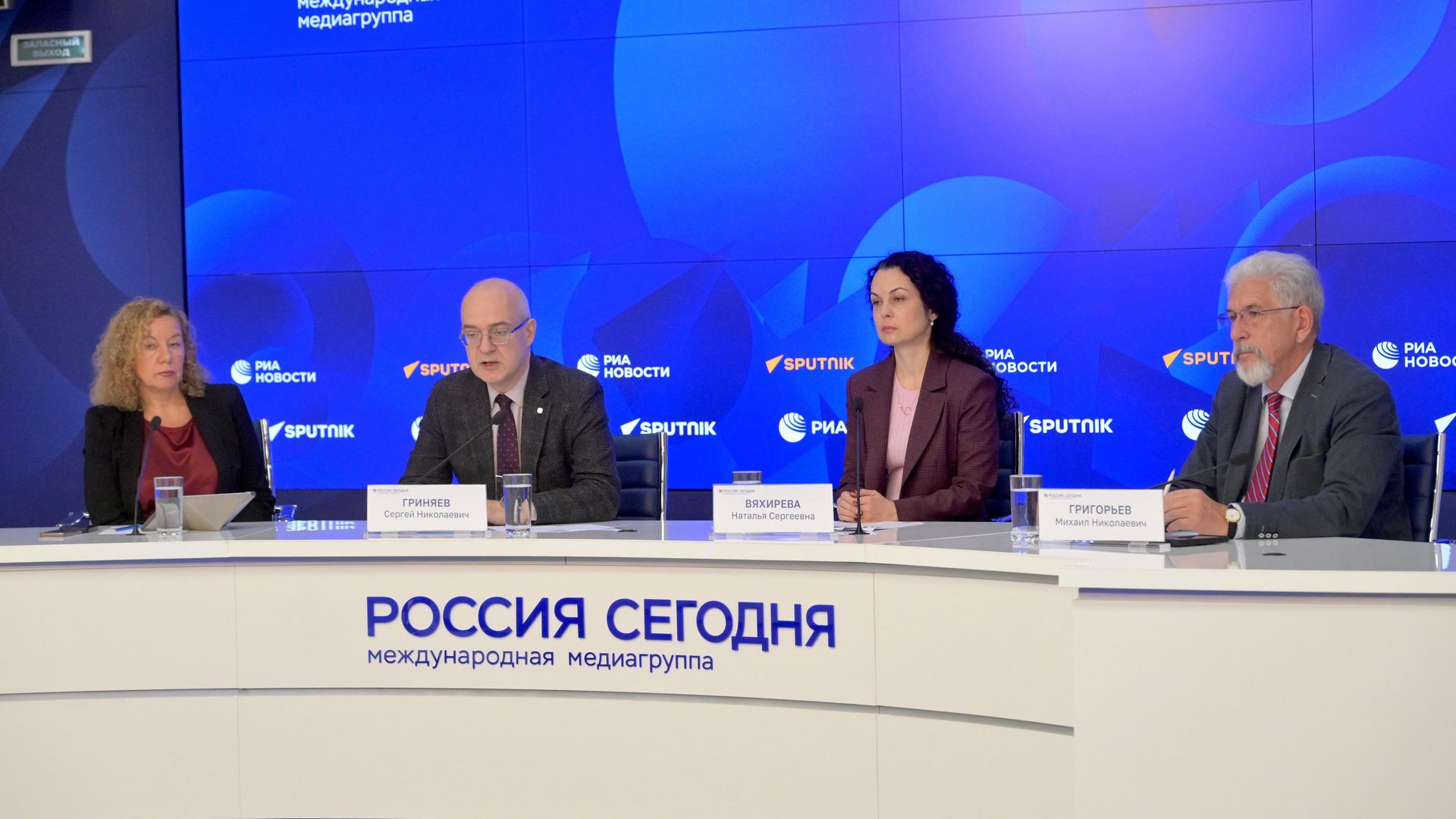
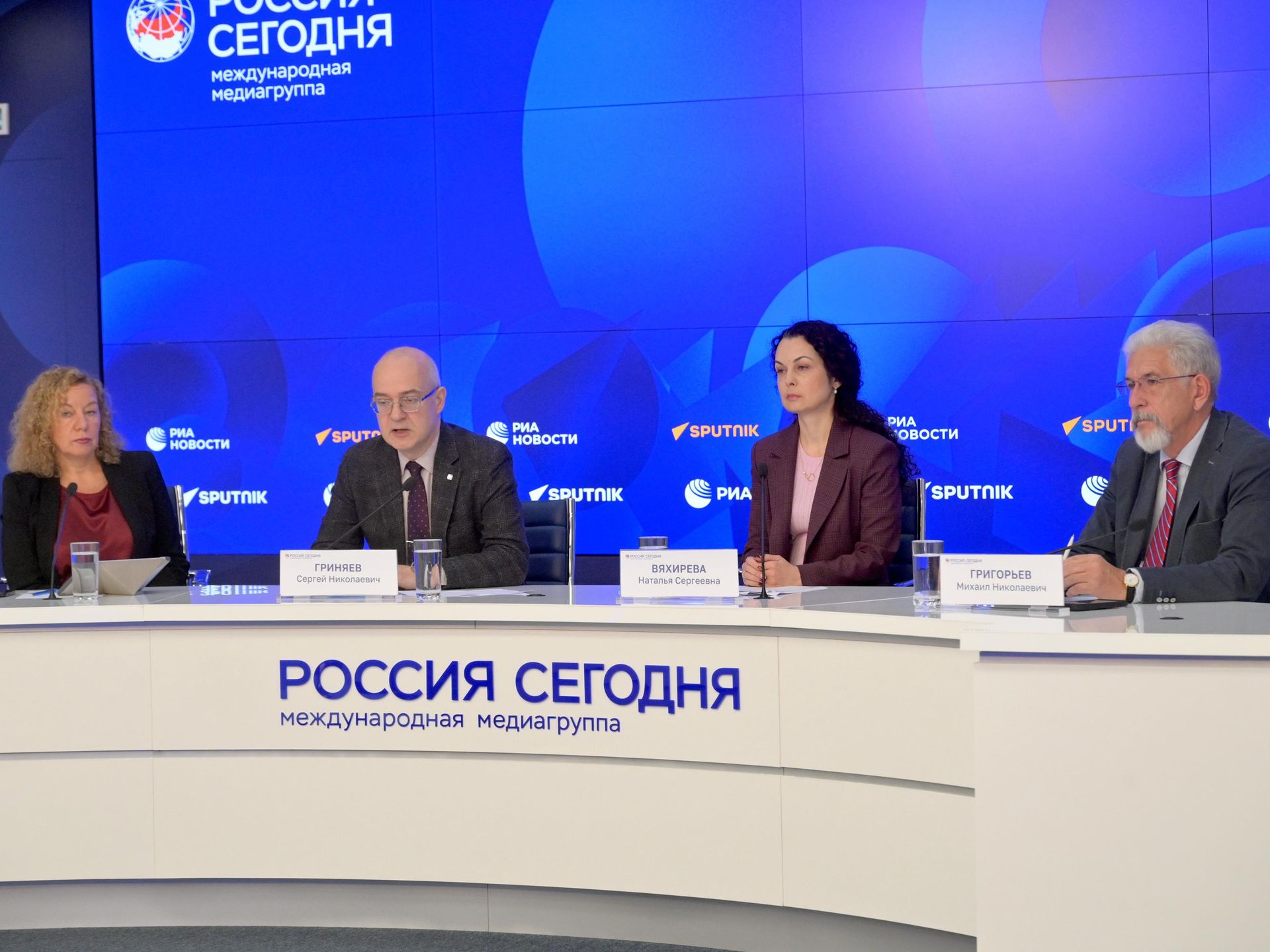
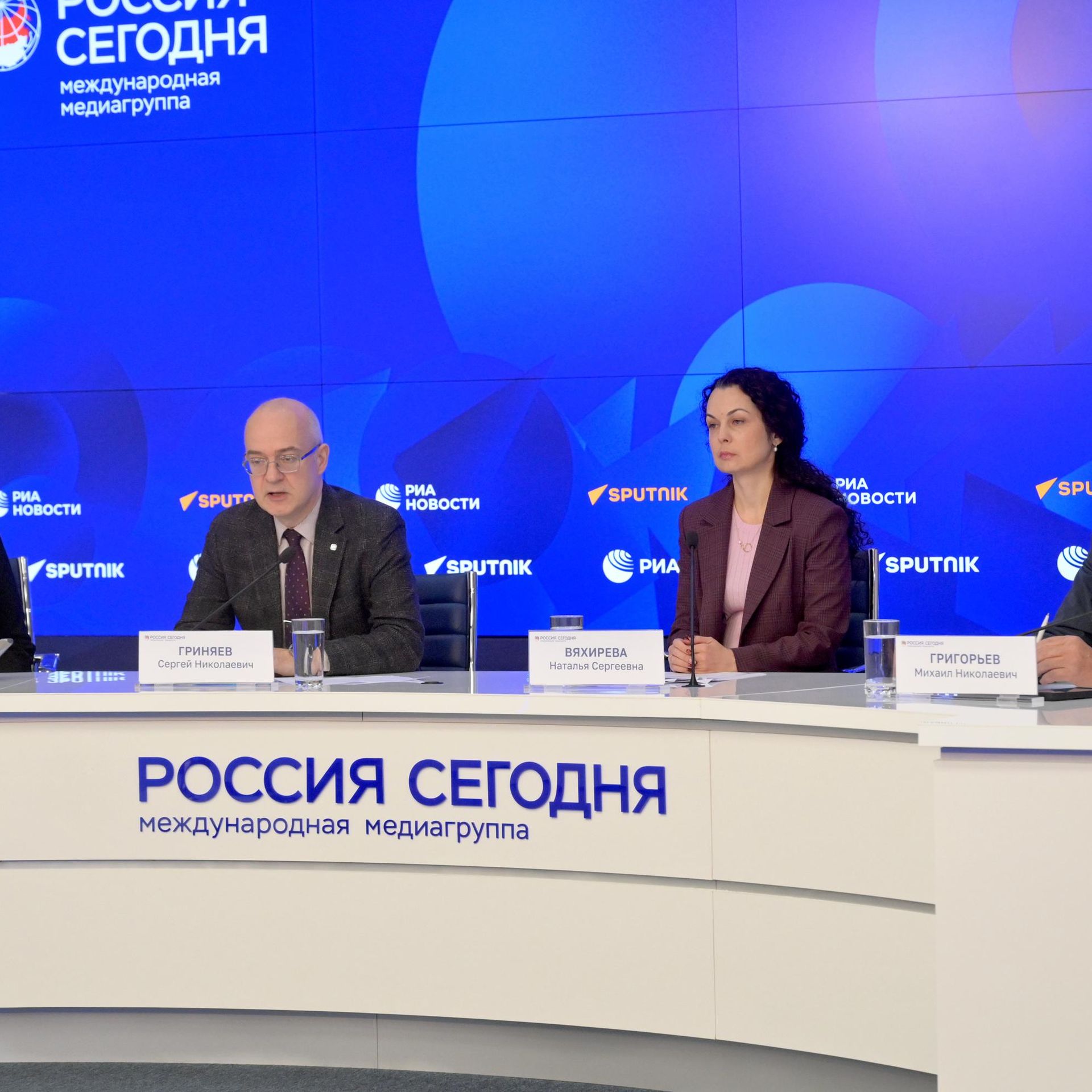
Experts discussed international security issues, growing interest in the northern sea routes, and competition for access to the Arctic during a roundtable at the Rossiya Segodnya International Information Agency.
According to Sergei Grinyaev, a senior researcher at the Center for Arctic Studies at the Russian Academy of Sciences’ Institute of Europe and general director of the Center for Strategic Assessments and Forecasts, one of the main trends currently evident in the Arctic region is the growing presence of the United States and its allies.
“All exercises, submarine operations, icebreaker support, and troop training are being integrated into a mechanism for maintaining a permanent presence in the Arctic region,” Sergei Grinyaev noted.
The expert identified three possible scenarios that Russia could face in the coming years. The positive scenario envisions limited normalization of relations without a reduction in the military presence.
“The parties agree to notify one another of dangerous activities, maintain cooperation in search and rescue, and prevent related incidents. The Northern Sea Route (NSR) and the Trans-Arctic Transport Corridor continue to develop under ongoing political restrictions, but without systematic military risks and associated obstacles. An indicator that this scenario is materializing would be the restoration of practical contacts among maritime agencies and other bodies through Arctic coordination channels,” he said.
Sergei Grinyaev considers the neutral scenario, which assumes that competition in the Arctic will remain manageable, to be the most likely.
“NATO regularly conducts exercises in the Arctic region, and the United States is gradually commissioning new icebreakers that it is building jointly with Finland and Canada. In this situation, Russia will have to further strengthen support for its routes, including military support. Shipping will continue, but it will be subject to sanctions-related insurance and infrastructure restrictions,” he explained.
According to the expert, the negative scenario involves a broader crisis in Russia–NATO relations in the west spilling over into the Arctic.
As Natalya Vyakhireva, head of the Canada Department at the Institute for U.S. and Canadian Studies, noted, parallels are often drawn between the Northern Sea Route and the Northwest Passage (NWP), but the two can only be compared in terms of their status.
“Both straits have the status of internal waters of Russia and Canada, respectively. But in terms of infrastructure development and navigation, there is virtually nothing to compare, at least at this stage. However, it is believed that, in the future, climate change will make the NWP an advantageous logistics route,” she noted.
For his part, Mikhail Grigoryev, a member of the Russian Academy of Sciences’ Scientific Council for the Arctic and Antarctic Studies, noted a sharp increase over the past year in the number of transit voyages along the Northern Sea Route, including export, import, cabotage, and transit shipments.
“Ninety-five percent of our cargo consists of Russian foreign trade goods. These include both oil and coal. The products are heading east, to new markets. They are shipped not only from the Arctic ports of Arkhangelsk and Murmansk but also from Baltic ports. Of course, further growth in transit shipments should be expected, primarily involving Chinese cargo,” the expert said.