09:00 19.10.2026
Clusters, movies, and exports in the Asia-Pacific Region: How the Far East’s creative economy is developing
© RIA Novosti / Alexander Vilf
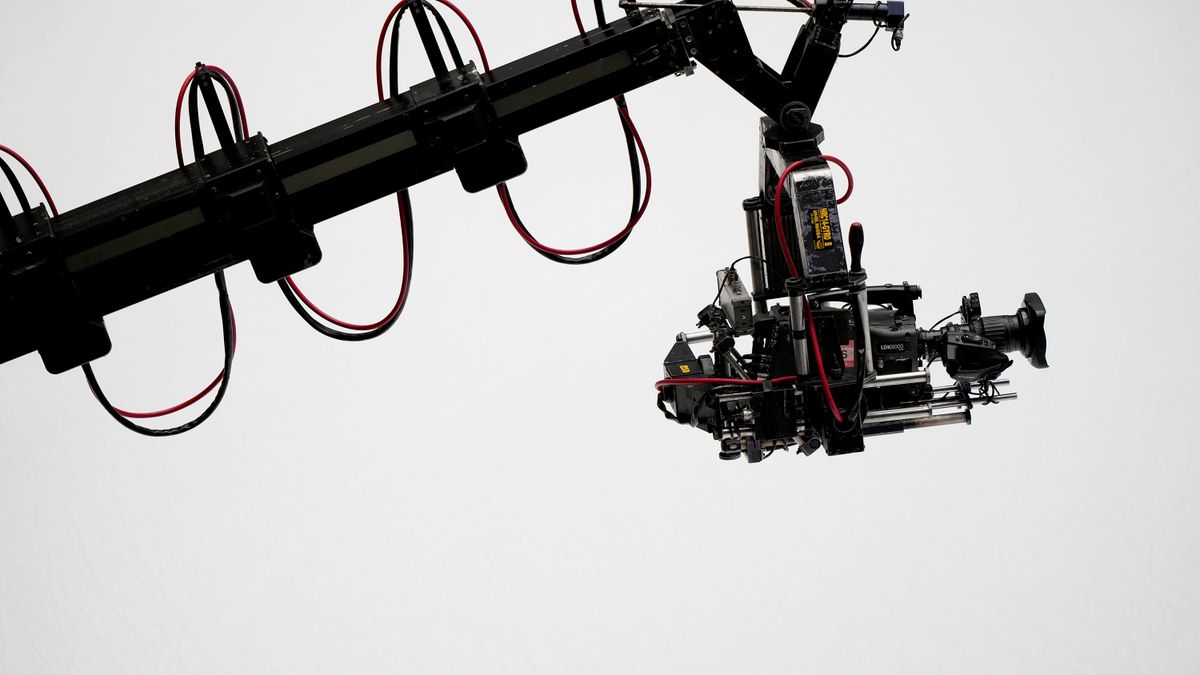
The creative industries in the Far East are experiencing a boom. One of the principal areas of development is the creation of a network of creative clusters. The concept for developing the Far East’s creative industries also places particular emphasis on exports, since this macroregion lies close to the markets of the Asia-Pacific region (APR).
Vyacheslav Zavalin, Director of the Territorial Development Department at the Far East and the Arctic Development Corporation (FEDC), told an Arctic.ru correspondent all about the Far East’s creative economy projects.
Building a successful creative economy within a single region is challenging enough on its own. That is why interregional cooperation takes on particular importance. The Far Eastern Federal District, after all, is a vast territory comprising 11 major constituent entities of the Russian Federation, where cross-industry and interregional value chains come together. The key feature of this strategy lies in involving different regions in work on specific projects.
The Far Eastern film industry
As an example, the FEDC department director cited the work involved in film production. Screenwriters from Khabarovsk, Yakutsk, or Ulan-Ude, for instance, may co-write a script. The locations needed for filming may be found in the Kamchatka Territory or in Chukotka. Post-production, meanwhile, is handled by a team from Vladivostok. The result is not merely regional projects, but genuinely Far Eastern ones.
According to Vyacheslav Zavalin, the Far East has managed to build an almost complete production pipeline for the film industry.
“We have the Cinema Foundation’s Far Eastern grant competition, which funds films made about the Far East and shot in the Far East every year. The competition is open to both regional and federal studios. The main requirement is that at least 30 percent of the qualified specialists on a film crew be residents of the Far Eastern Federal District, and that 20 percent of a film’s footage feature iconic locations in the Far East,” Vyacheslav Zavalin noted.
According to the director of the FEDC’s Territorial Development Department, filming for the feature film Pyos [The dog] recently wrapped in Vladivostok, shooting for All Rivers Flow to the Seas is nearing completion in Khabarovsk, large-scale filming for Legend of the Ermine is being prepared in Chukotka, young people from Buryatia will take part in the filming of Amur Miracle, a new picture by actor-turned-director and producer Alexei Chadov, and Ivan Ulanov, frontman of the Buryat band Sezon Dozhdey [Rainfall Season], will write the soundtrack for the film.
“This year, the Cinema Foudation held its second grant competition, and as a result, three film projects received a combined 200 million rubles in support – the animated film BAM, the war drama Beshamel, and the family picture Palma 3,” Vyacheslav Zavalin emphasized.
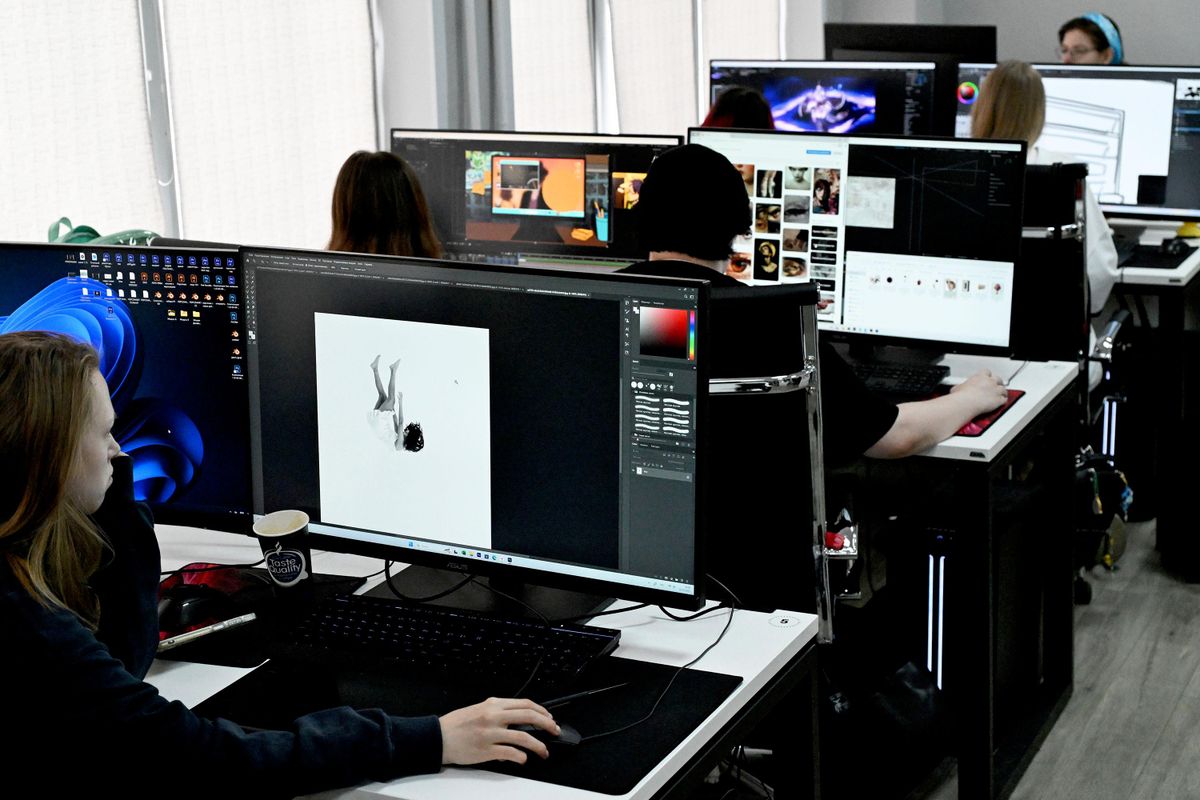
Animation and animated filmmaking students work at their computers
© RIA Novosti / Ilya Naymushin
The animation industry in the Far East is also a major focus of the corporation’s attention.
“We have a successful animation project, Abduction, from the Green Stone Eaters studio in Komsomolsk-on-Amur. On September 24, the Khabarovsk studio Mechtalet premiered the animated film Captain Nevelskoy and the Land of the Black Dragon. The picture was made using the unique technique of classic frame-by-frame 2D animation with live orchestral music,” Zavalin shared.
How creative clusters operate
One of the main areas for developing the creative industries in the Far East is, without question, the creation of a network of creative clusters. The state is actively investing in their construction.
The first creative cluster, Kvartal Truda, was launched in Yakutsk in 2022. It forms part of the Yakutia priority development area. Today, resident revenues here total 1.8 billion rubles.
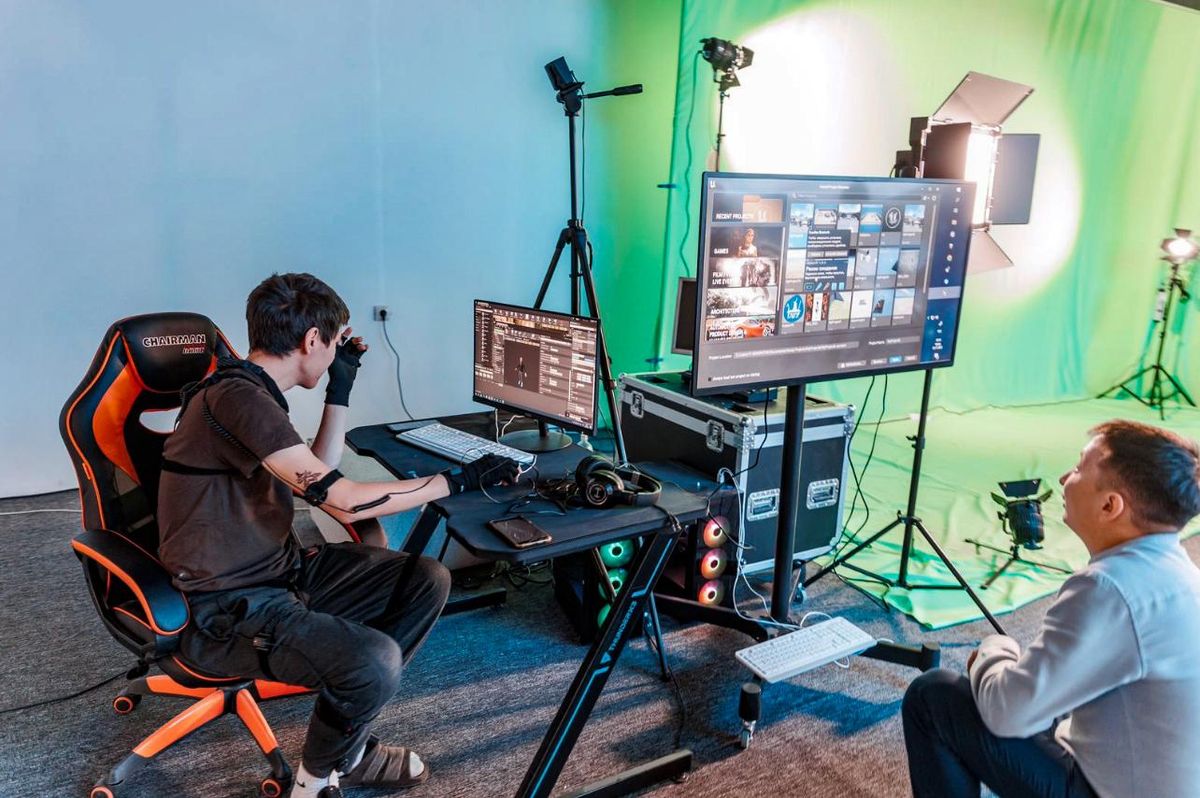
A studio at the Kvartal Truda creative cluster in Yakutsk
© Official VKontakte page of the Kvartal Truda creative cluster
A cluster in Petropavlovsk-Kamchatsky is now nearing completion. The project brings together the creative economy, education, and museum activities.
The creative cluster in Ulan-Ude is likewise a large-scale project, intended to become a hub for creative professionals, entrepreneurs, and investors, and to create an environment for implementing business ideas and developing the creative industries. The cluster’s facade design incorporates a mural created by the renowned Buryat artist Amgalan Rinchine.
The opening of a creative cluster in Blagoveshchensk is expected; it will become a production center and a venue for education, work, leisure, and international cooperation.
Building clusters is not only about constructing infrastructure for creative entrepreneurs, but also about incentivizing investors who see an economic return. At the Eastern Economic Forum, for instance, an agreement was signed for the construction of an art cluster in Khabarovsk. This is a striking example of revitalizing the city’s historic center: through this joint project between the state and an investor, unique industrial buildings are being given a new lease on life, transforming into a modern creative space.
The main components of creative development
As Vyacheslav Zavalin noted, the concept for developing the creative industries in the Far East places particular emphasis on exports, since this macroregion lies close to APR markets and there is already experience in post-production and visual effects for films from other countries.
“We will, of course, continue building on this potential, especially since it is particularly convenient for Far Eastern studios to create joint projects with APR countries as they are in the same time zones, which matters for the production process,” Vyacheslav Zavalin said.
The Far East also hosts a separate urban improvement competition, since talented architects and urban planners are needed to carry out construction projects. Notably, roughly a third of the entries for this competition come from local architects.
Museums that are commercializing their operations are also involved in the urban improvement competition. They conduct historical analysis and help develop concepts, while the corporation assists museums in preparing applications for various grant competitions.
“A large number of museums are currently under construction in the Far East – in Khabarovsk, in Buryatia, in Chita, and in the Trans-Baikal Territory. And our corporation is actively helping with this,” he noted.
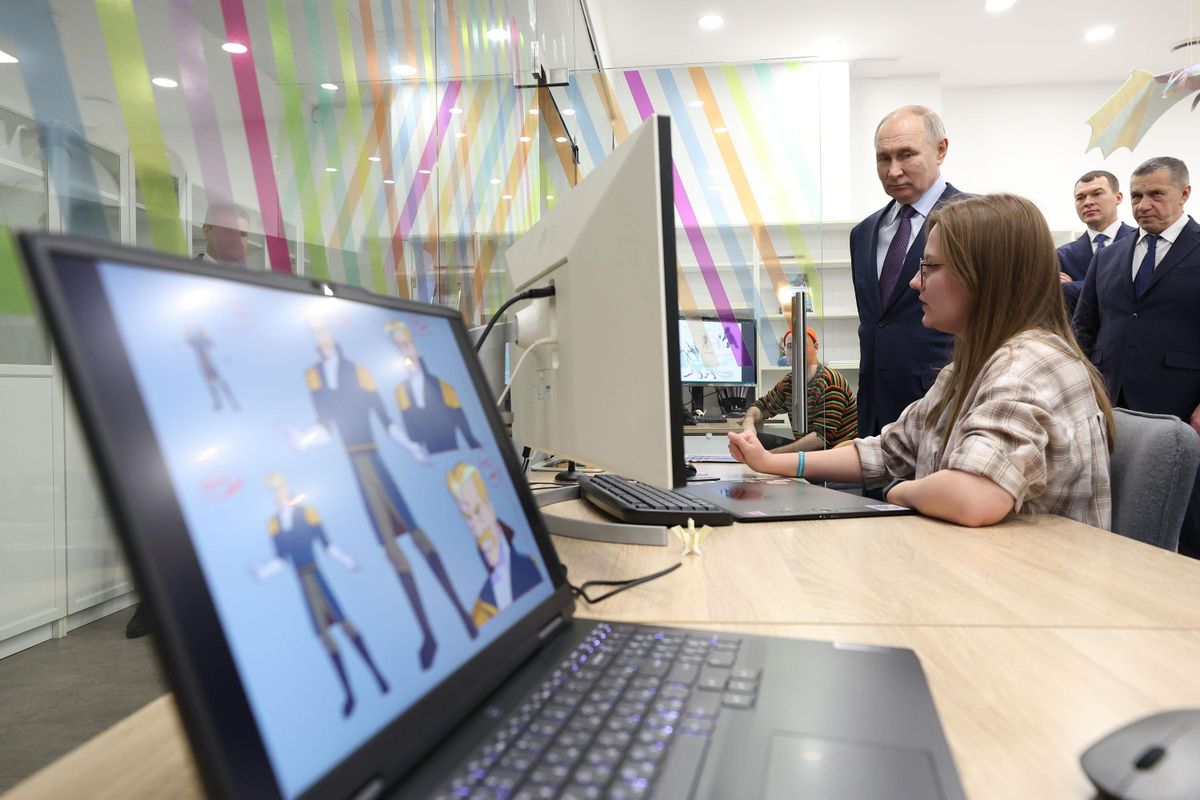
Russian President Vladimir Putin visits the Mechtalet animation studio in Khabarovsk
© RIA Novosti / Alexander Ryumin
For the creative industries to operate effectively, skilled personnel are, of course, essential. Training for creative professions is also actively developing in the region.
Branches of the country’s leading creative universities have been established in the Far East, including the Gerasimov Institute of Cinematography (VGIK), the Russian Institute of Theater Arts (GITIS), and the Boris Shchukin Theater Institute, along with Russia’s first federal university specializing in training personnel for culture, the arts, and the creative industries in the Russian Arctic zone. According to Vyacheslav Zavalin, it is more convenient for prospective students from the Urals and Siberian Federal districts to travel to the Far East for a quality education in their field of interest than to go to Moscow or St Petersburg.
“We have also created the first educational program on managing creative spaces, so that the teams building creative clusters and their managers can enhance their skills,” the department director said.
State support is also being provided to the Art Object contemporary art gallery founded by Anastasia Varsanova, which is a resident of the Free Port of Vladivostok, where a preferential regime applies. According to Vyacheslav Zavalin, this gallery is currently one of the most economically successful, and it serves as a key player in shaping and developing the art scene in the Primorye Territory. It is also worth noting that artists from other regions can become residents of the gallery as well.