https://en.arctic.ru
Scientists find a way to improve radio communications in the Russian Arctic
Scientists find a way to improve radio communications in the Russian Arctic
Arctic.ru: Discover how Russia implements its development goals in the Arctic and the Far East
2026-10-16T13:50
2026-10-16T13:50
2026-10-16T17:18
news
arctic zone of russia
science and technology
/img/07ea/0a/10/1843514_4:0:3645:2048_1920x0_80_0_0_62e463afa93d2d296a8368077b9dae09.jpg
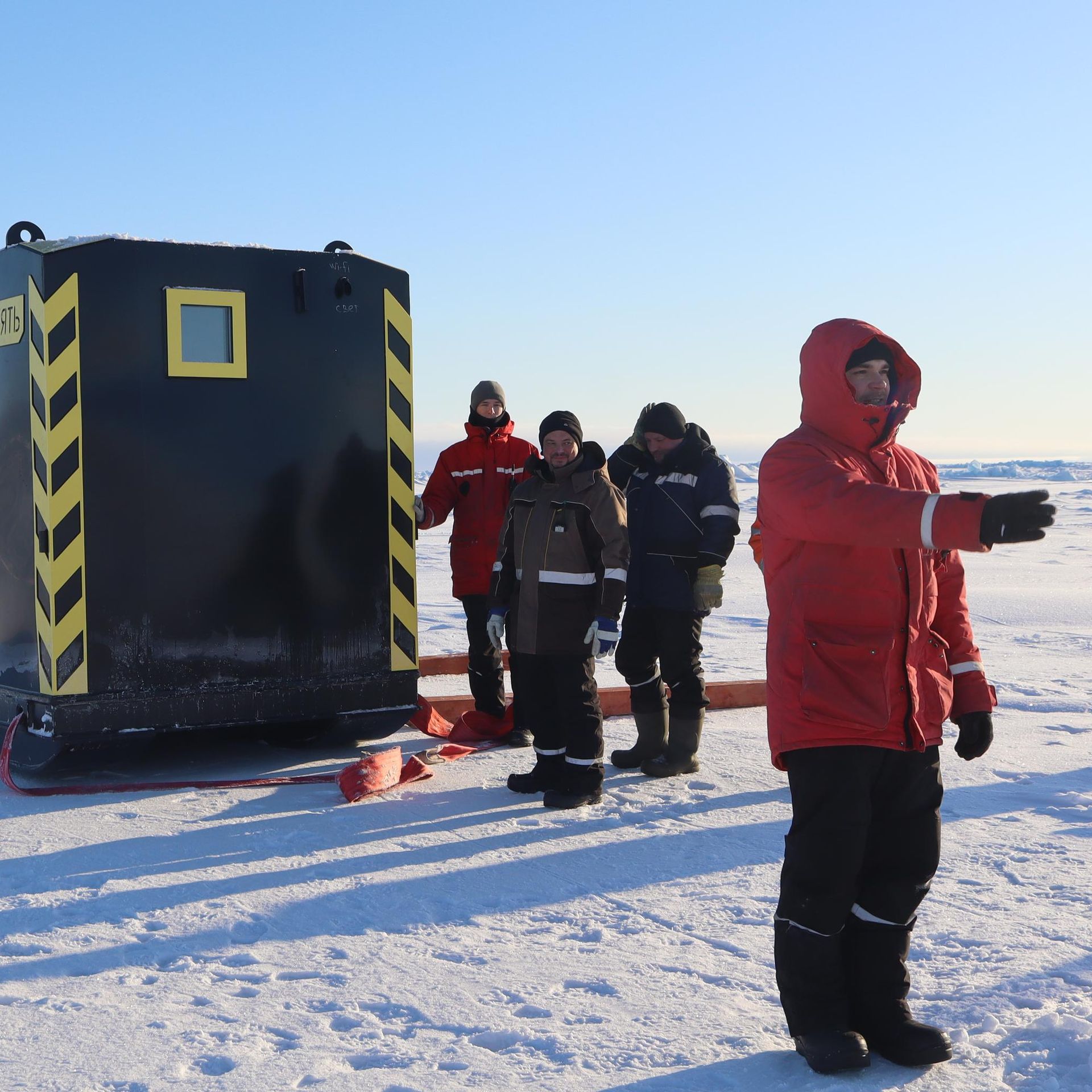
For the first time in 30 years, researchers participating in the North Pole-42 drifting expedition have collected data that could significantly improve the quality and reliability of radio communications in the Russian Arctic, according to the press service of the Arctic and Antarctic Research Institute (AARI).The expedition, conducted aboard the Severny Polyus (North Pole) research vessel, enabled scientists to install an oblique ionospheric sounding receiver in the near-polar region. By analyzing the signals, researchers determined the parameters of plasma in the near-Earth space environment above the Arctic. The findings will be used to model the propagation of radio waves over long distances through reflection off the ionosphere.“Deploying a receiver station directly on the drifting platform allowed us to collect high-quality data that will help address a very practical challenge: ensuring reliable radio communications at high latitudes, where dependable connectivity remains critically important,” AARI Director Alexander Makarov emphasized.
https://en.arctic.ru/20260930/1782270.html
2026
Новости
ru-RU
https://en.arctic.ru/docs/about/copyright.html
https://xn--c1acbl2abdlkab1og.xn--p1ai/
/img/07ea/0a/10/1843514_459:0:3190:2048_1920x0_80_0_0_e863324e106d4f82afda7fdf2d1dccef.jpgnews, arctic zone of russia, science and technology
Scientists find a way to improve radio communications in the Russian Arctic
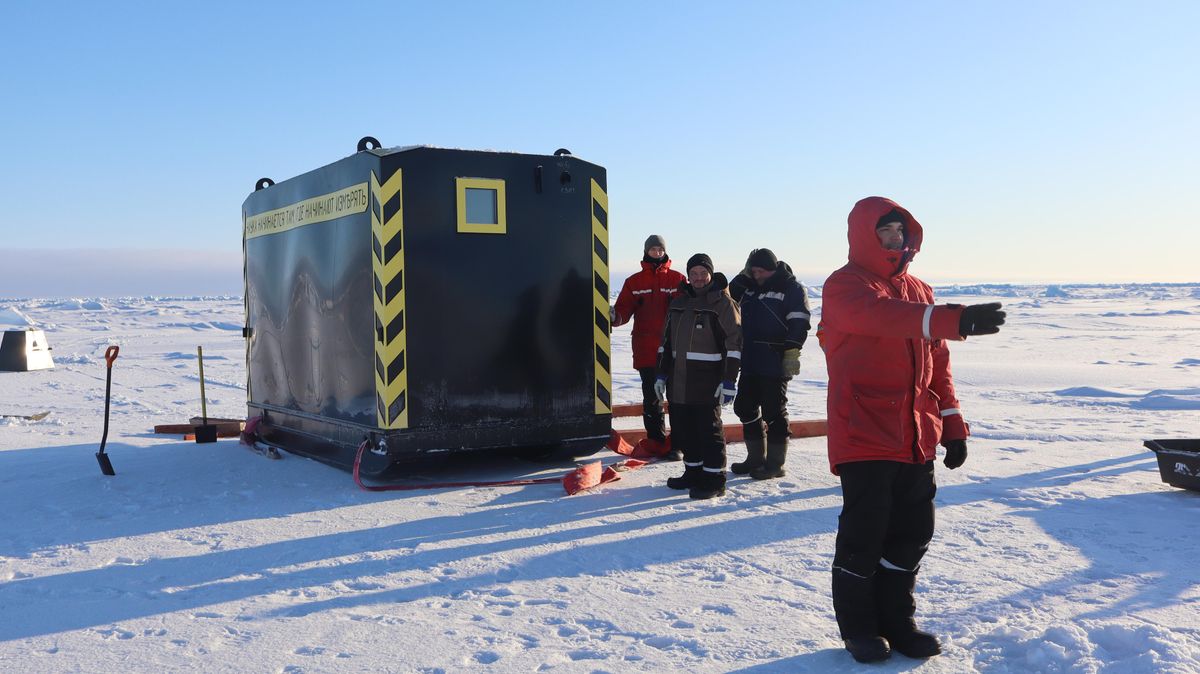
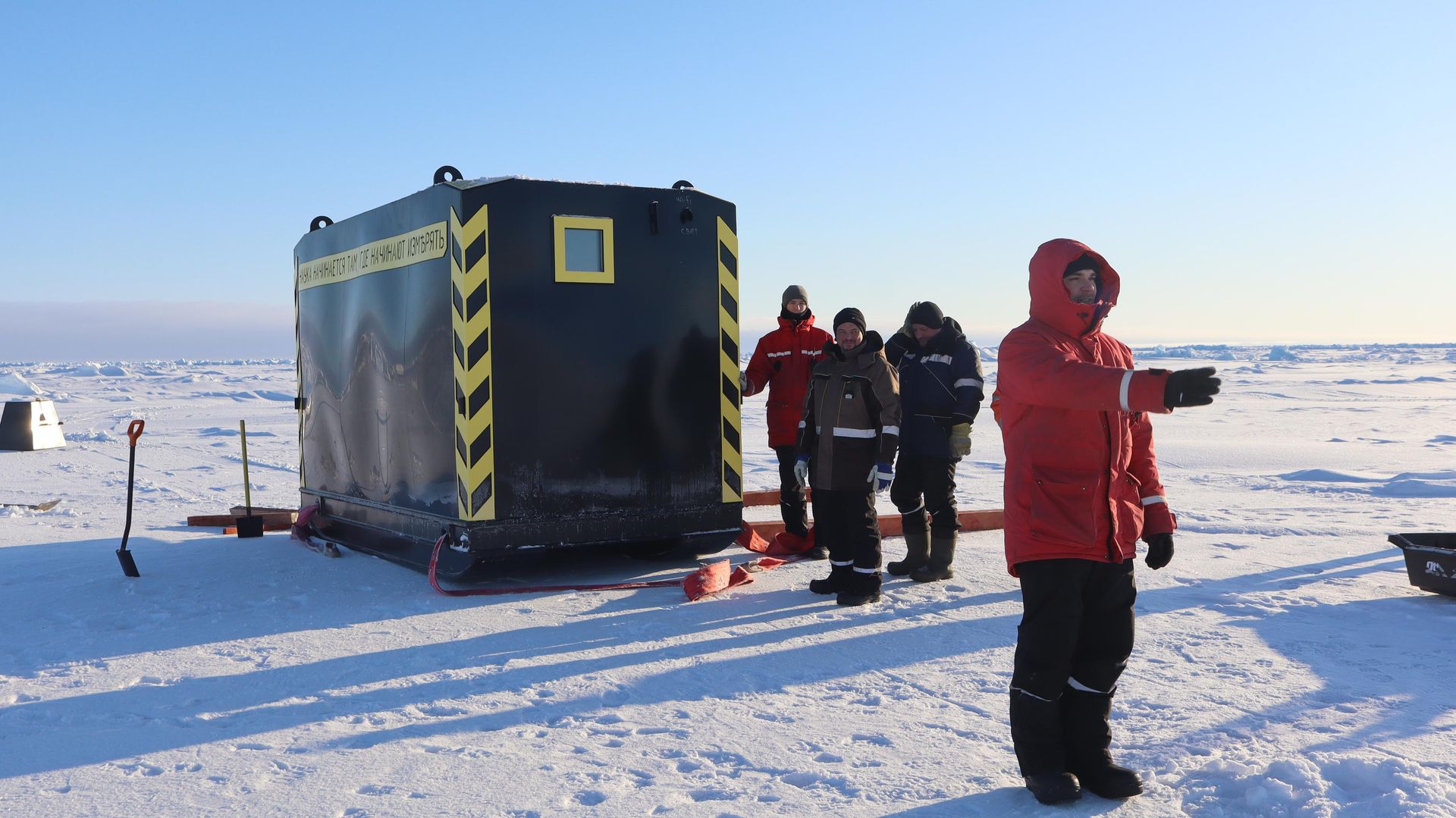
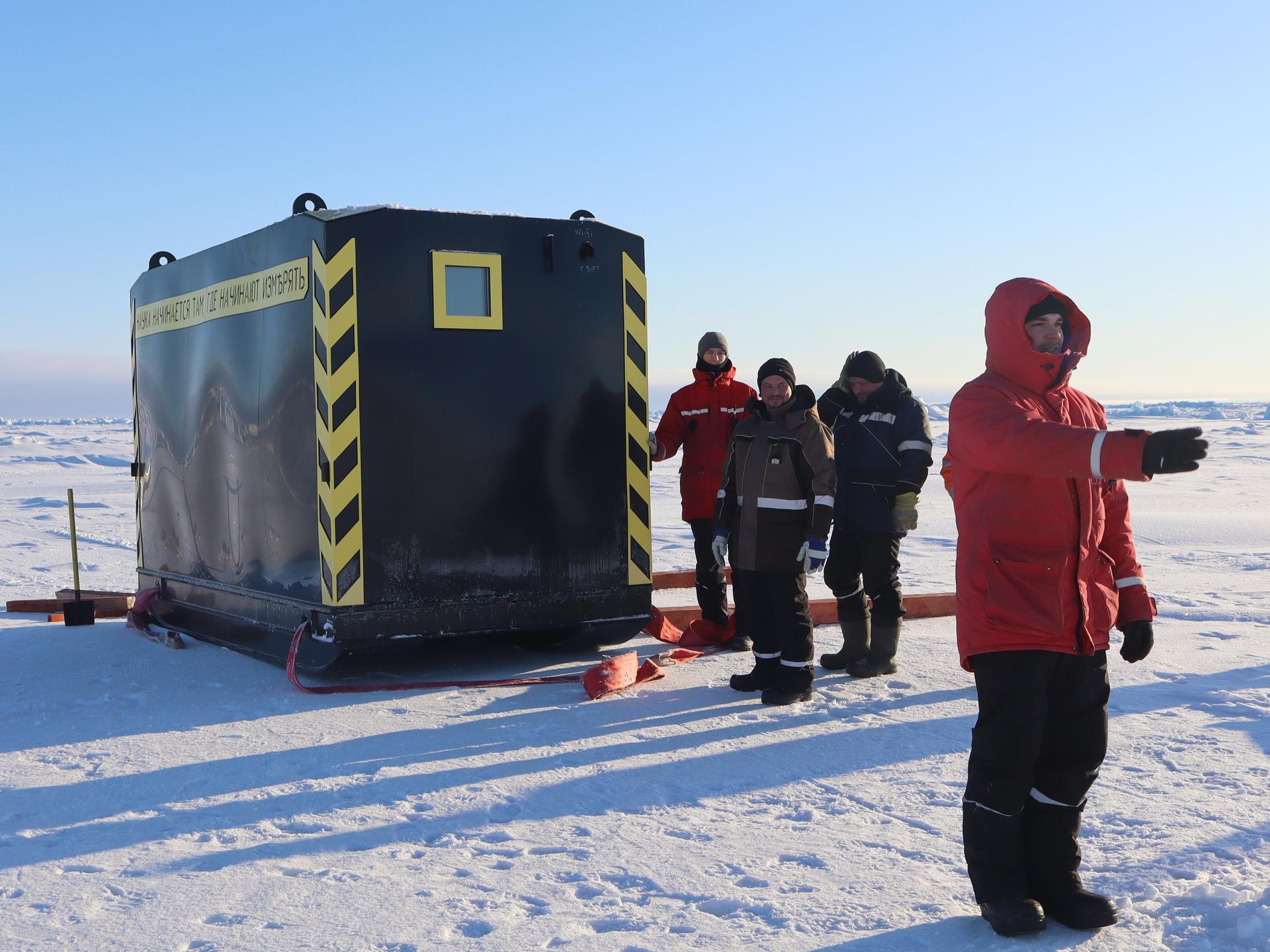
For the first time in 30 years, researchers participating in the North Pole-42 drifting expedition have collected data that could significantly improve the quality and reliability of radio communications in the Russian Arctic, according to the press service of the Arctic and Antarctic Research Institute (AARI).
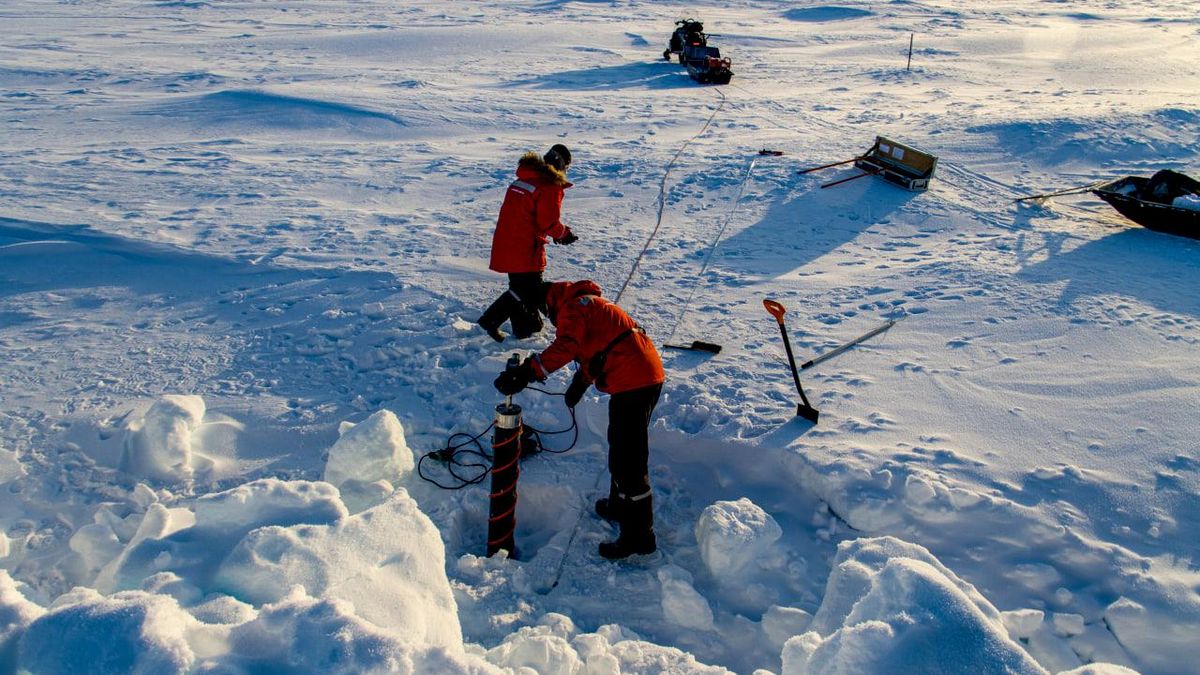
The expedition, conducted aboard the Severny Polyus (North Pole) research vessel, enabled scientists to install an oblique ionospheric sounding receiver in the near-polar region. By analyzing the signals, researchers determined the parameters of plasma in the near-Earth space environment above the Arctic. The findings will be used to model the propagation of radio waves over long distances through reflection off the ionosphere.
“Deploying a receiver station directly on the drifting platform allowed us to collect high-quality data that will help address a very practical challenge: ensuring reliable radio communications at high latitudes, where dependable connectivity remains critically important,” AARI Director Alexander Makarov emphasized.