https://en.arctic.ru
First in Russia: A drone delivers fish roe to a Sakhalin hatchery
First in Russia: A drone delivers fish roe to a Sakhalin hatchery
Arctic.ru: Discover how Russia implements its development goals in the Arctic and the Far East
2026-10-15T13:45
2026-10-15T13:45
2026-10-19T10:57
news
sakhalin region
science and technology
/img/07ea/0a/0f/1838244_0:180:1920:1260_1920x0_80_0_0_9b1367581f55889642577f627db7e53d.jpg
A drone has carried fish roe from the upper reaches of a river straight to a hatchery on Sakhalin having flown the roughly 17-kilometer route autonomously in 17 minutes, according to the Sakhalin Region government’s press service.The biggest challenge was the terrain. The hills blocked radio contact with the craft, so engineers wrote software that lets it fly a pre-programmed route on its own: out to the collection site, pick up the cargo, back to the hatchery.Until now, the roe travelled by all-terrain vehicles over rough ground and then by road. That route runs about 35 kilometers and takes over an hour, and every bump risks damaging the delicate roe, which has to arrive intact if the fish are to breed.Next year, the plan is to put around ten small drones on the route, each carrying 2–3 kg of roe. Moving forward, other hatcheries across the Russian Far East could adopt the technology, as many of them collect roe in remote places that are hard to reach by road.Drones have already been put to work delivering medical supplies, inspecting roads, power lines and pipelines, monitoring the environment, and spotting natural hazards.Sakhalin was the first region in the Far East and Siberia to use AI-equipped drones to survey archeological sites, and it ran the country’s first registered test flight of a drone carrying a human passenger. All told, more than 70 operating scenarios for unmanned aircraft have been developed on the island.
2026
Новости
ru-RU
https://en.arctic.ru/docs/about/copyright.html
https://xn--c1acbl2abdlkab1og.xn--p1ai/
/img/07ea/0a/0f/1838244_0:0:1920:1440_1920x0_80_0_0_196e6bea5d3178f7b4249b3a3d1f8d2b.jpgnews, sakhalin region, science and technology
First in Russia: A drone delivers fish roe to a Sakhalin hatchery
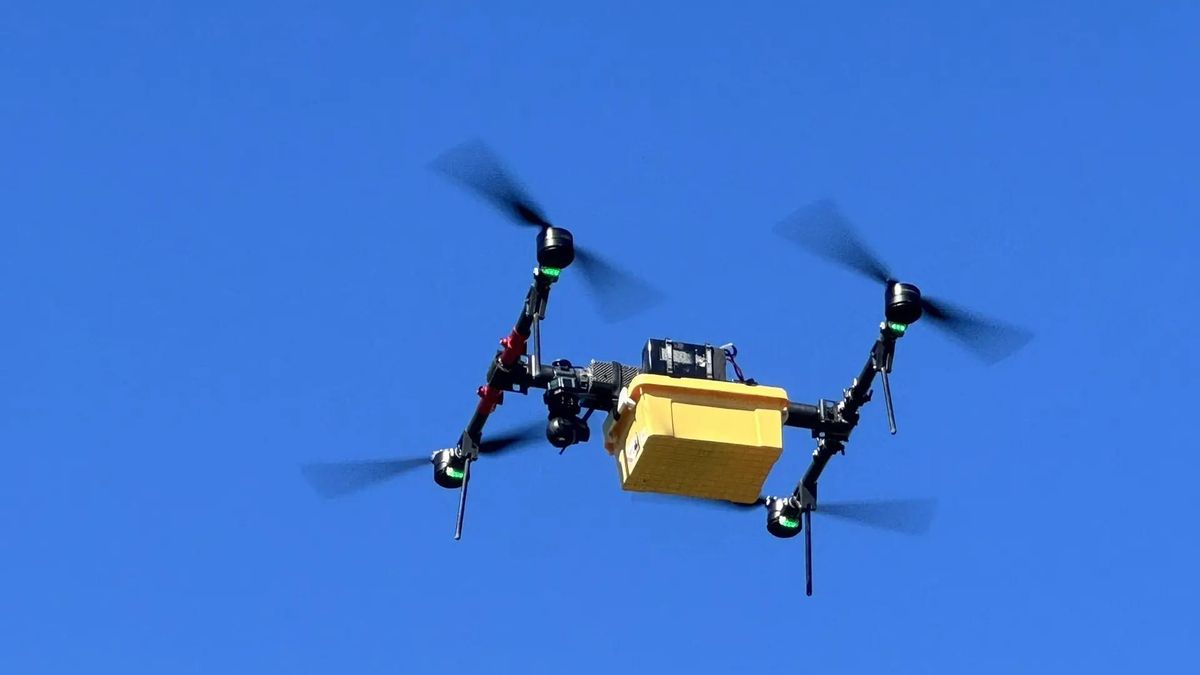
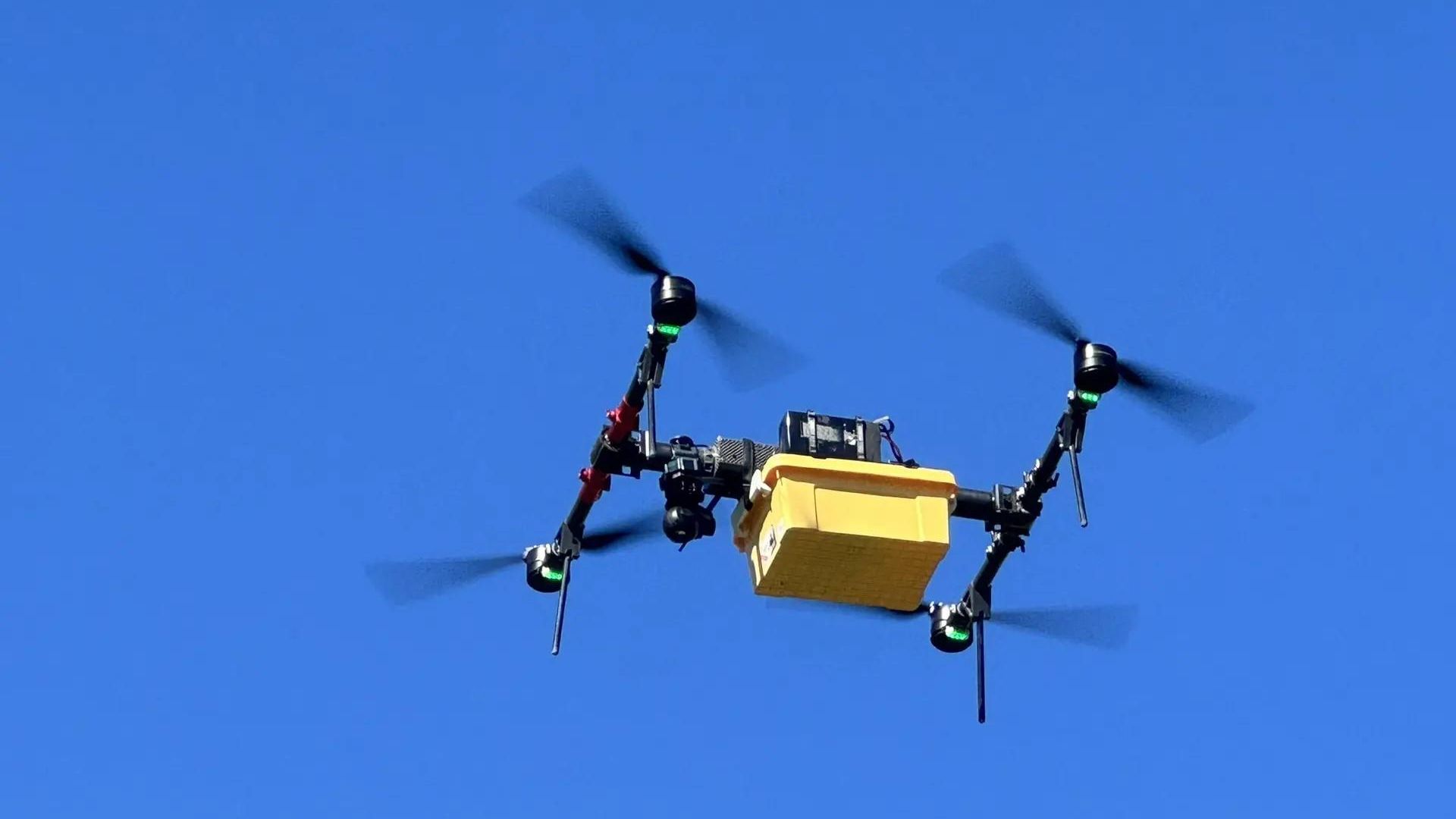
A drone has carried fish roe from the upper reaches of a river straight to a hatchery on Sakhalin having flown the roughly 17-kilometer route autonomously in 17 minutes, according to the Sakhalin Region government’s press service.
The biggest challenge was the terrain. The hills blocked radio contact with the craft, so engineers wrote software that lets it fly a pre-programmed route on its own: out to the collection site, pick up the cargo, back to the hatchery.
Until now, the roe travelled by all-terrain vehicles over rough ground and then by road. That route runs about 35 kilometers and takes over an hour, and every bump risks damaging the delicate roe, which has to arrive intact if the fish are to breed.
Next year, the plan is to put around ten small drones on the route, each carrying 2–3 kg of roe. Moving forward, other hatcheries across the Russian Far East could adopt the technology, as many of them collect roe in remote places that are hard to reach by road.
Drones have already been put to work delivering medical supplies, inspecting roads, power lines and pipelines, monitoring the environment, and spotting natural hazards.
Sakhalin was the first region in the Far East and Siberia to use AI-equipped drones to survey archeological sites, and it ran the country’s first registered test flight of a drone carrying a human passenger. All told, more than 70 operating scenarios for unmanned aircraft have been developed on the island.