https://en.arctic.ru
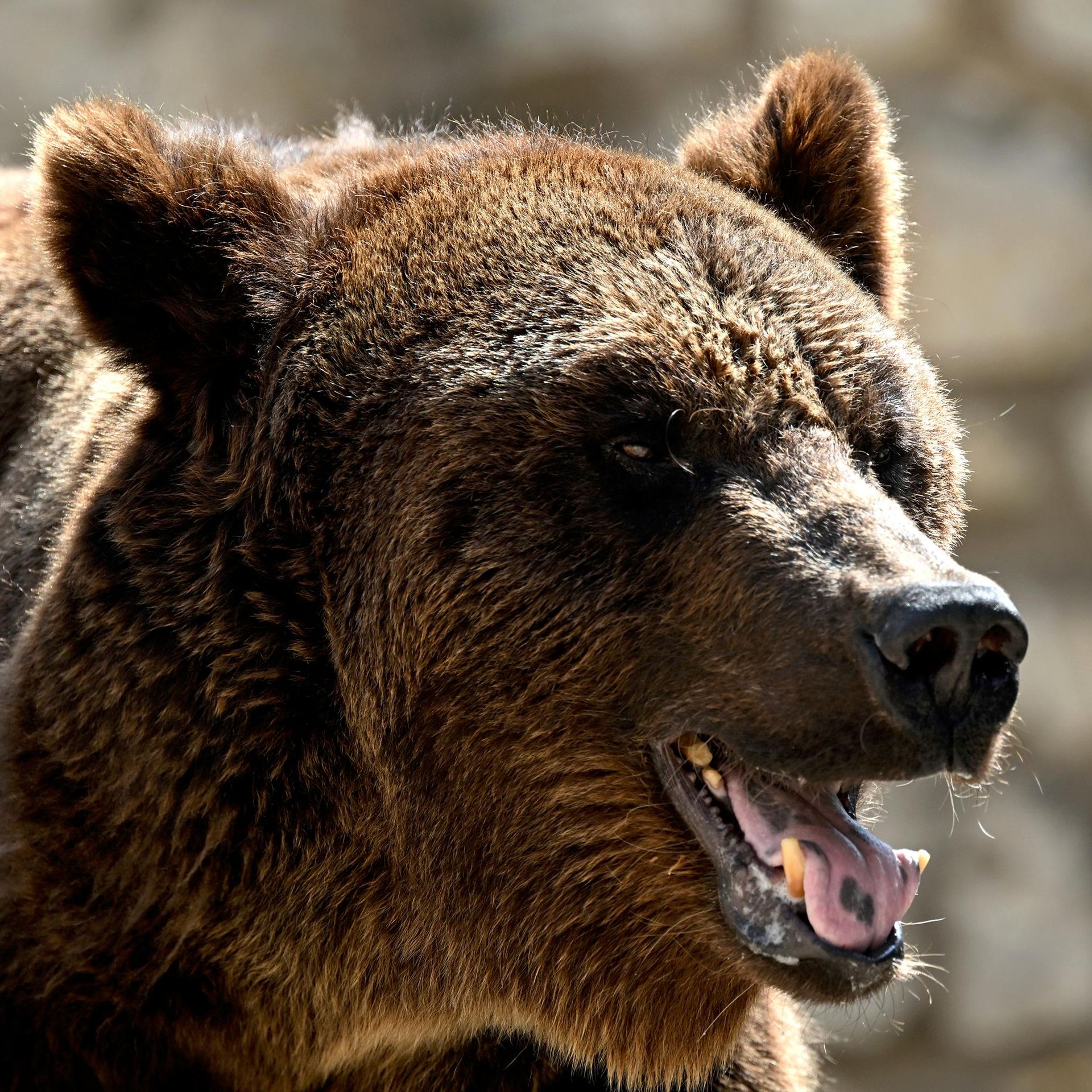
Bears unable to hibernate due to persisting warm weather
Bears unable to hibernate due to persisting warm weather
Arctic.ru: Discover how Russia implements its development goals in the Arctic and the Far East
2026-10-06T15:34
2026-10-06T15:34
2026-10-06T18:30
news
public safety
far eastern federal district
arctic zone of russia
/img/07ea/0a/06/1794362_0:195:3000:1883_1920x0_80_0_0_17943fd95b39672df5404c89efd3e99d.jpg
This fall, Chukotka is experiencing a spell of warm weather, which has caused bears to delay entering their dens, with the animals not yet settling down for the winter at their usual time in late September or early October, RIA Novosti reports, citing the regional Wildlife Protection Service.“Tracks along bear trails on the coast of the Bering Strait show that the bears are not yet preparing to enter their dens. This usually happens in late September or early October, but the predators are in no hurry this year,” the Wildlife Protection, Nature Management and Environmental Monitoring Service said.Warm weather is prompting the animals to postpone their long winter sleep. The animals’ physical condition also plays a role: older and well-fed bears enter their dens earlier, while younger and thinner bears do so later.According to the Service for Animal World Protection, game wardens and environmentalists are forecasting where bears will establish their dens and developing precautionary measures.According to reports, the brown bear population in Chukotka has increased from 3,453 to 3,730 since last year. Two bear attacks on people have occurred in the region this year, and both victims were hospitalized.Other regions are also facing serious bear-related problems. In the Primorye Territory, 109 reports of conflicts with bears have been recorded, 77 of which were confirmed. In Yakutia, more than 180 brown bears that posed a genuine threat to local residents have been killed.Seven people have been killed by bears in the Krasnoyarsk Territory, five in the Irkutsk Region, three in the Tomsk Region and one in the Altai Republic. Since spring, there have been at least 24 fatal bear attacks on people across Russia.
https://en.arctic.ru/20261001/1785060.html
2026
Новости
ru-RU
https://en.arctic.ru/docs/about/copyright.html
https://xn--c1acbl2abdlkab1og.xn--p1ai/
/img/07ea/0a/06/1794362_333:0:3000:2000_1920x0_80_0_0_674efc2b4f55a27d7fbf489575b5f683.jpgnews, public safety, far eastern federal district, arctic zone of russia
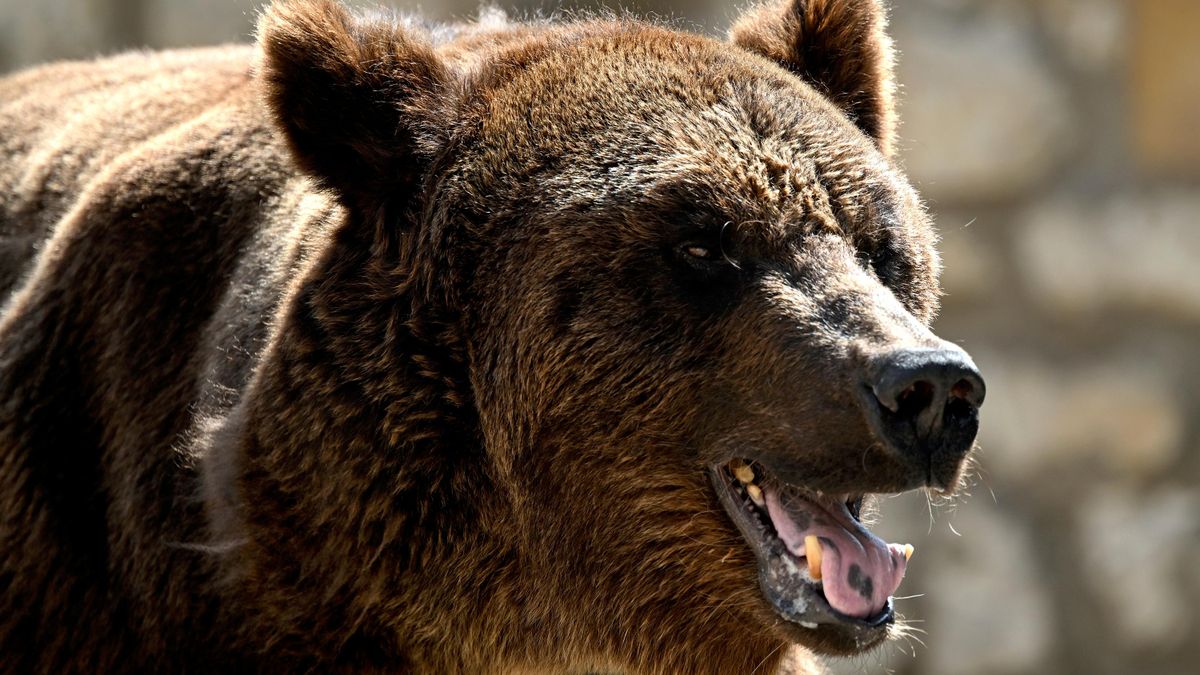
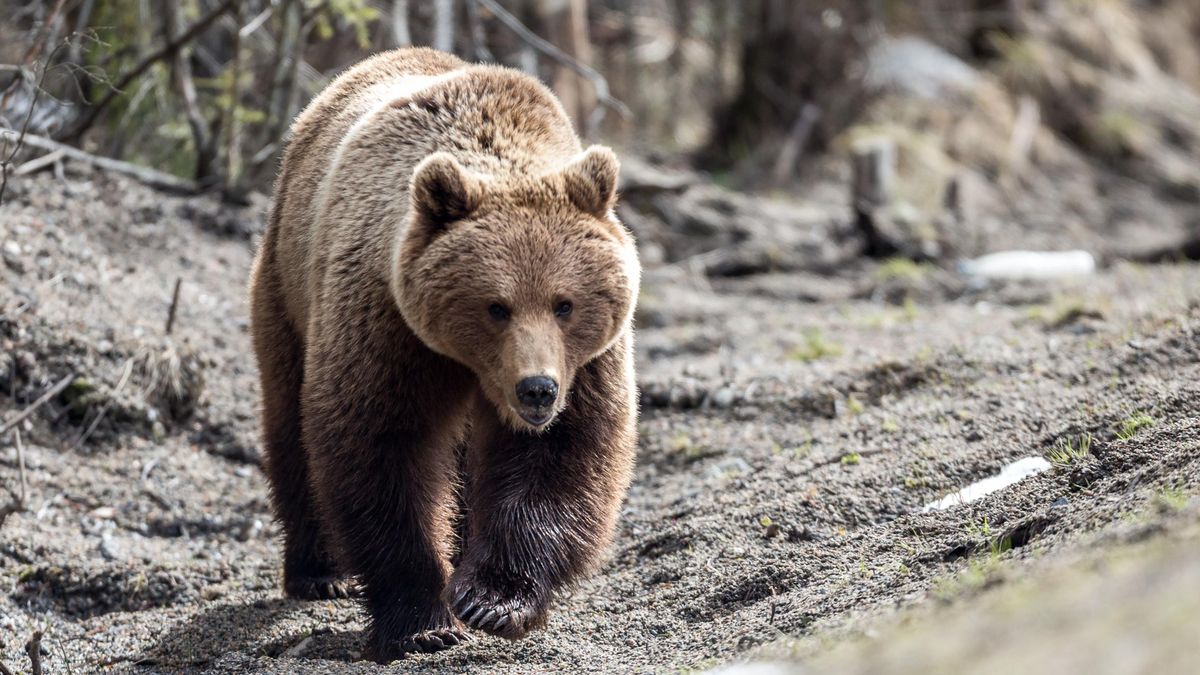
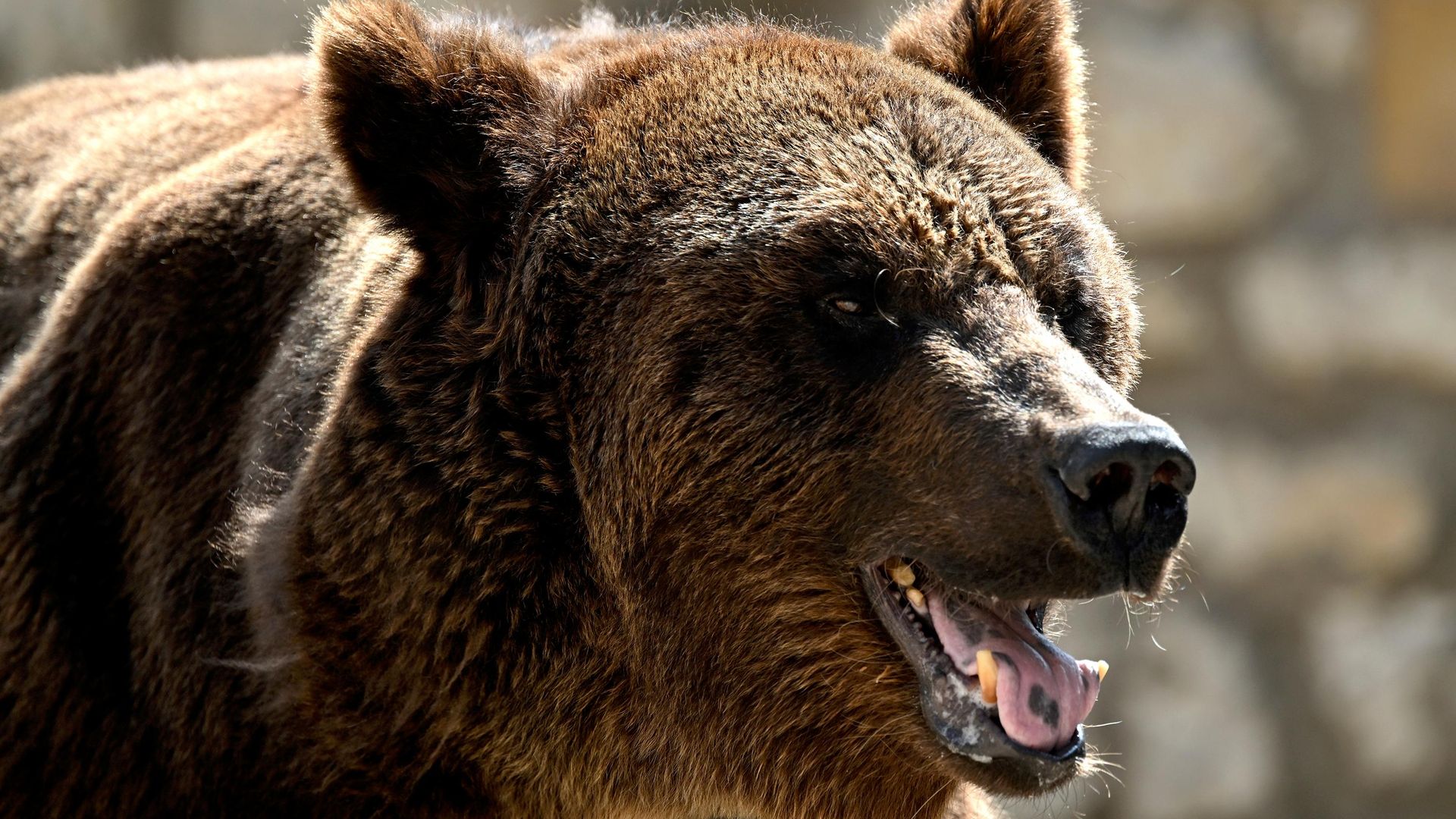
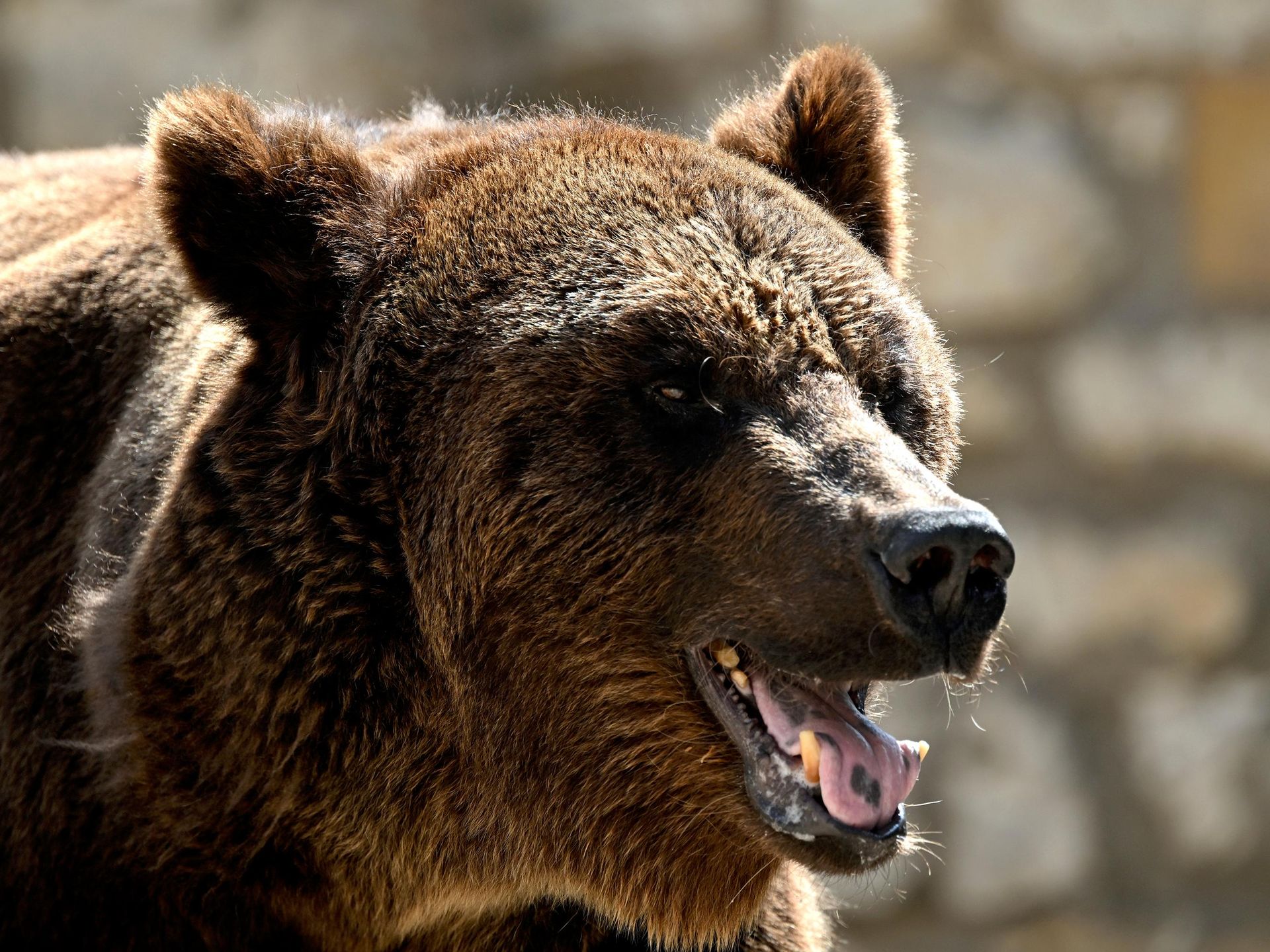
This fall, Chukotka is experiencing a spell of warm weather, which has caused bears to delay entering their dens, with the animals not yet settling down for the winter at their usual time in late September or early October, RIA Novosti reports, citing the regional Wildlife Protection Service.
“Tracks along bear trails on the coast of the Bering Strait show that the bears are not yet preparing to enter their dens. This usually happens in late September or early October, but the predators are in no hurry this year,” the Wildlife Protection, Nature Management and Environmental Monitoring Service said.
Warm weather is prompting the animals to postpone their long winter sleep. The animals’ physical condition also plays a role: older and well-fed bears enter their dens earlier, while younger and thinner bears do so later.
According to the Service for Animal World Protection, game wardens and environmentalists are forecasting where bears will establish their dens and developing precautionary measures.
According to reports, the brown bear population in Chukotka has increased from 3,453 to 3,730 since last year. Two bear attacks on people have occurred in the region this year, and both victims were hospitalized.
Other regions are also facing serious bear-related problems. In the Primorye Territory, 109 reports of conflicts with bears have been recorded, 77 of which were confirmed. In Yakutia, more than 180 brown bears that posed a genuine threat to local residents have been killed.
Seven people have been killed by bears in the Krasnoyarsk Territory, five in the Irkutsk Region, three in the Tomsk Region and one in the Altai Republic. Since spring, there have been at least 24 fatal bear attacks on people across Russia.