https://en.arctic.ru
Minister for the Development of the Far East and Arctic speaks on the infrastructure of the Transarctic Transport Corridor’s year-round operation
Minister for the Development of the Far East and Arctic speaks on the infrastructure of the Transarctic Transport Corridor’s year-round operation
Arctic.ru: Discover how Russia implements its development goals in the Arctic and the Far East
2026-10-02T13:48
2026-10-02T13:48
2026-10-02T18:10
news
ministry for the development of the russian far east and arctic
alexei chekunkov
northern sea route
/img/07ea/0a/02/1787867_0:232:2463:1617_1920x0_80_0_0_822187f64a10caf7c7f8c8534198c954.jpg
The upgraded Arctic strategy and the comprehensive project of developing the Arctic zone and the Transarctic Transport Corridor (TTC) imply simultaneous development of producing and processing facilities, as well as logistics and energy infrastructure, as Minister for the Development of the Far East and Arctic Alexei Chekunkov reported at a meeting on defending Russia’s national interests in the Arctic.The pool includes 300 major investment projects totaling 36 trillion rubles. Their implementation will make it possible to create a cargo basis for the TTC: the corridor is expected to provide for the transportation of 150 million tons of cargoes a year.According to the minister, the TTC will be used for the Northern Supply Haul, coastal shipping, Russian cargo exports, and transit between Europe and the Asia-Pacific region.Meanwhile, Alexei Chekunkov stressed, the cargo flow via the Northern Sea Route keeps on growing. In 2025, 5.4 million tons of cargo were transported between the Russian and Chinese ports and 23 container voyages were performed. More than 30 voyages are scheduled for 2026.Among the major infrastructural projects, the minister pointed out the ports of Arkhangelsk and Nayba, Murmansk transportation hub development and the Northern Latitudinal Railway. Their aggregate capacity will make up to 100 million tons.Moreover, it is planned to add approximately 1.4 GW of new capacity to the unified and isolated power systems by 2035. The total capacity of the key power facilities in the Arctic will be increased to 5.6 GW, including through generation by nuclear power plants; and investors are going to provide 3.5 GW from own generating facilities.
https://en.arctic.ru/20261001/1786561.html
2026
Новости
ru-RU
https://en.arctic.ru/docs/about/copyright.html
https://xn--c1acbl2abdlkab1og.xn--p1ai/
/img/07ea/0a/02/1787867_0:0:2463:1847_1920x0_80_0_0_9aa65575056b69a1f878bee80d3348ca.jpgnews, ministry for the development of the russian far east and arctic, alexei chekunkov, northern sea route
Minister for the Development of the Far East and Arctic speaks on the infrastructure of the Transarctic Transport Corridor’s year-round operation
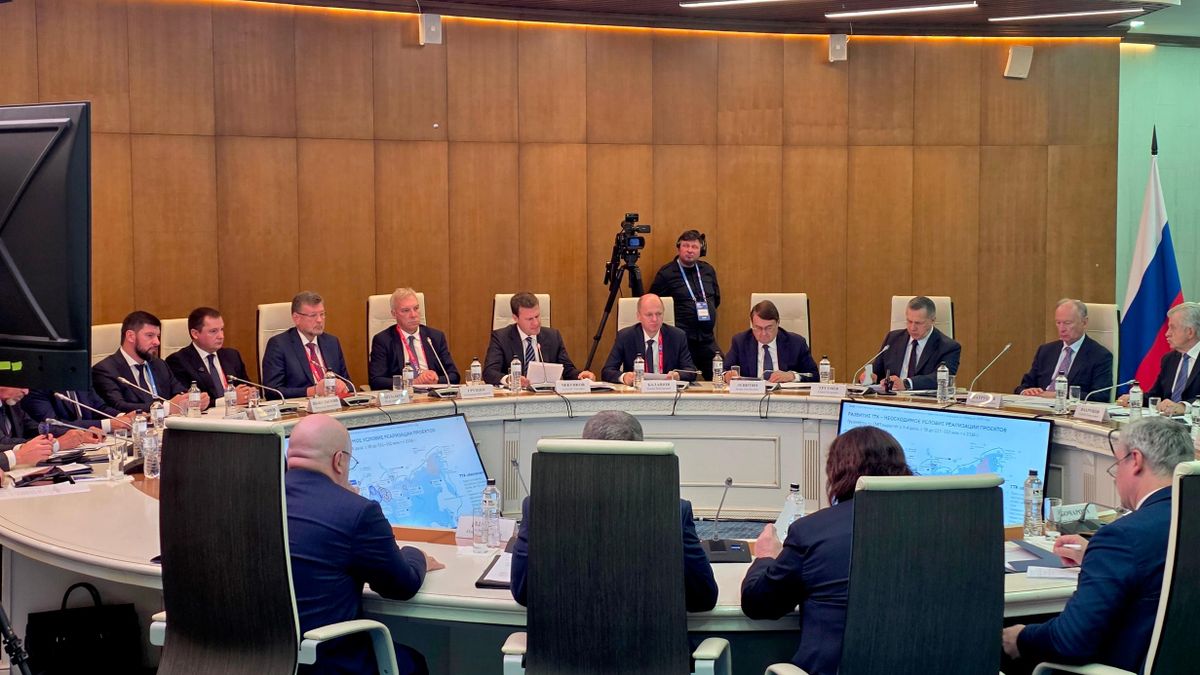
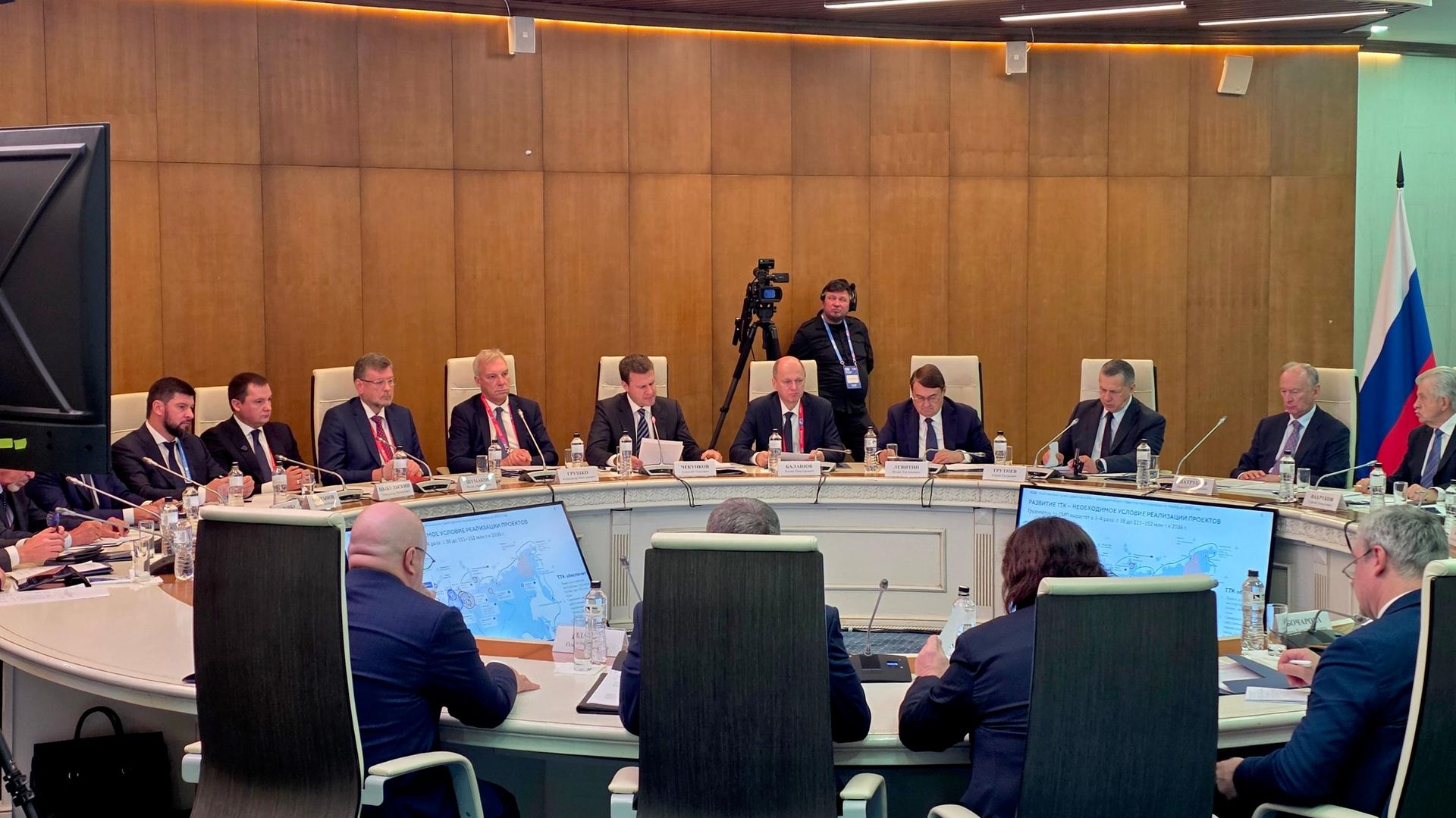
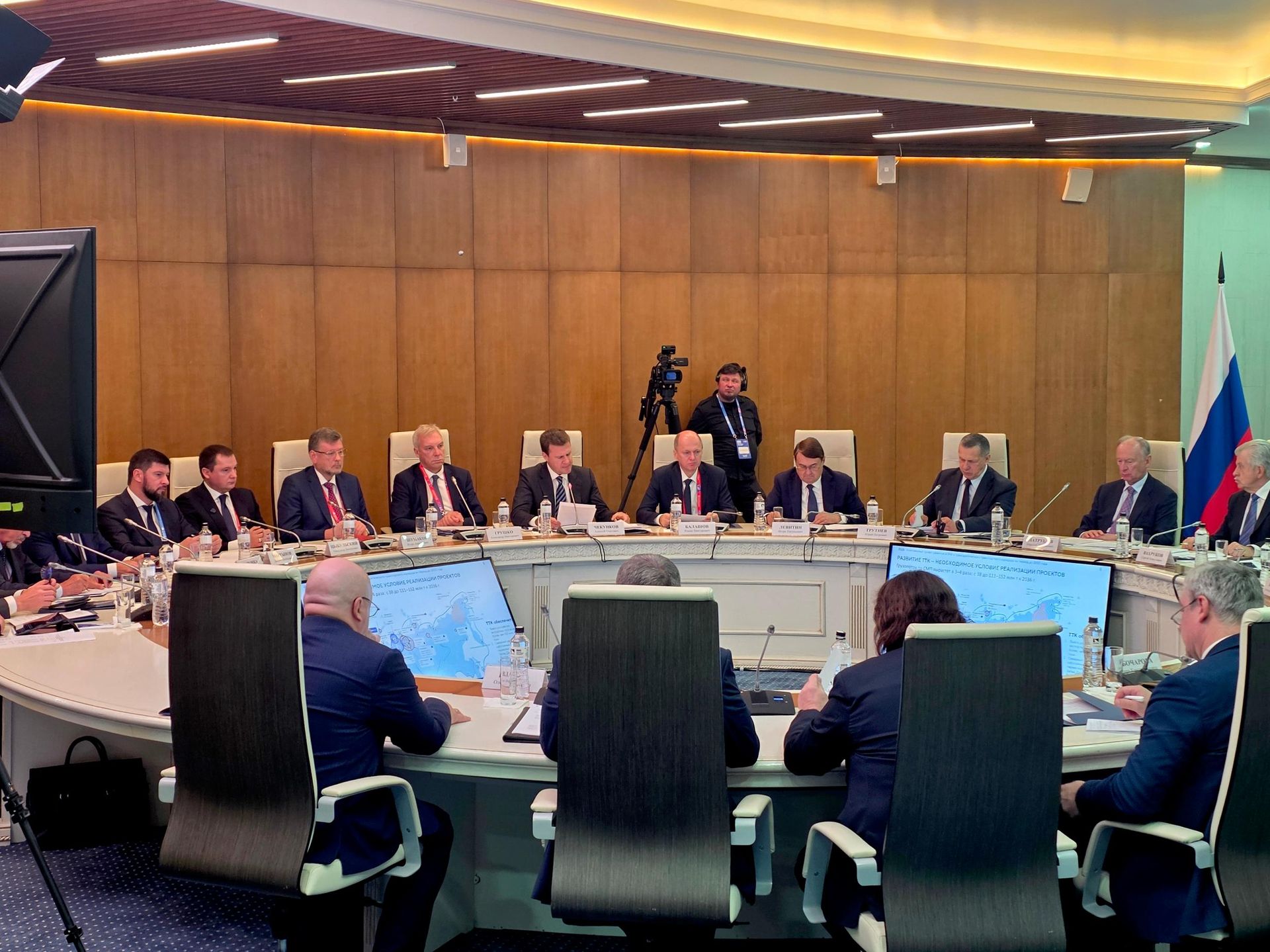
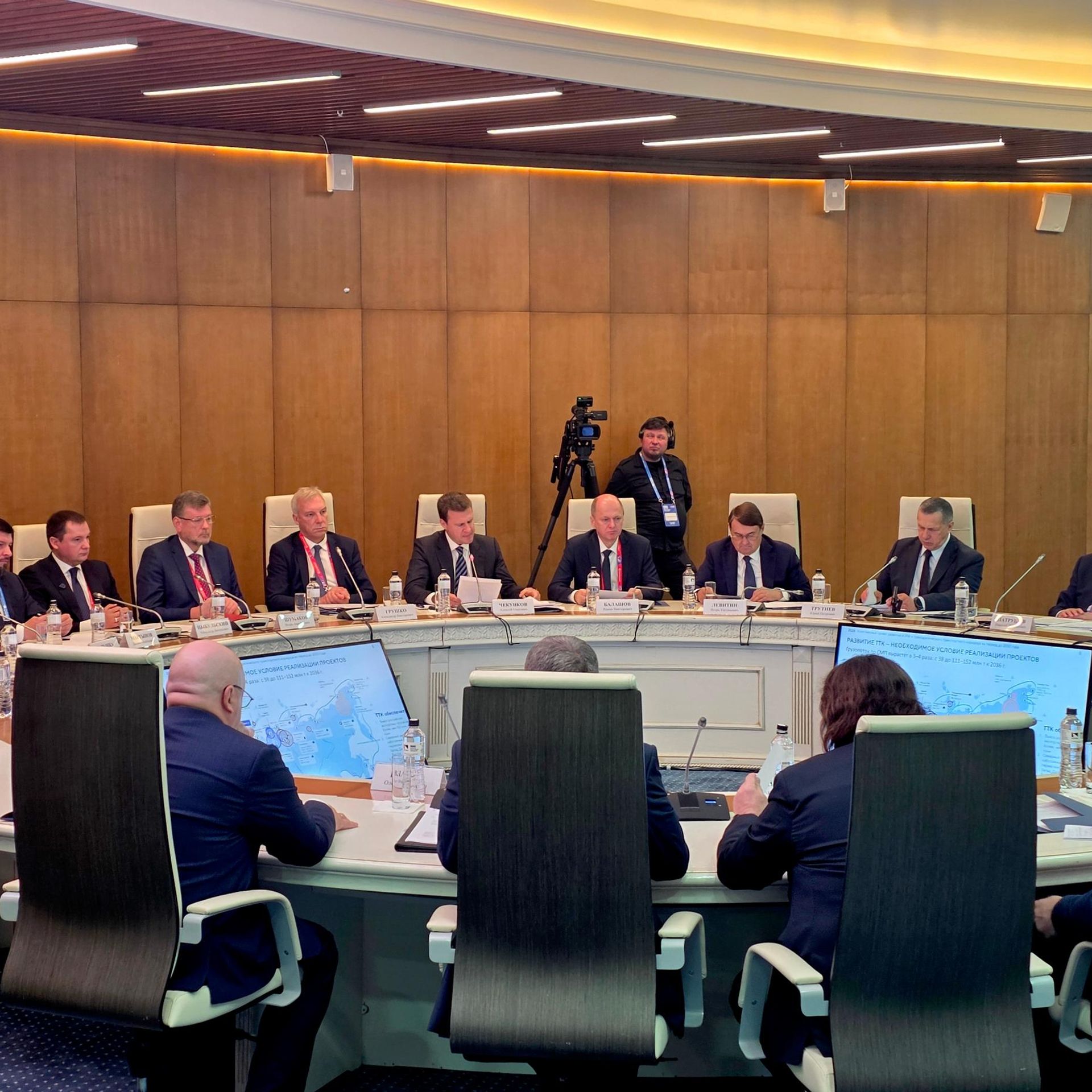
The upgraded Arctic strategy and the comprehensive project of developing the Arctic zone and the Transarctic Transport Corridor (TTC) imply simultaneous development of producing and processing facilities, as well as logistics and energy infrastructure, as Minister for the Development of the Far East and Arctic Alexei Chekunkov reported at a meeting on defending Russia’s national interests in the Arctic.
The pool includes 300 major investment projects totaling 36 trillion rubles. Their implementation will make it possible to create a cargo basis for the TTC: the corridor is expected to provide for the transportation of 150 million tons of cargoes a year.
According to the minister, the TTC will be used for the Northern Supply Haul, coastal shipping, Russian cargo exports, and transit between Europe and the Asia-Pacific region.
Meanwhile, Alexei Chekunkov stressed, the cargo flow via the Northern Sea Route keeps on growing. In 2025, 5.4 million tons of cargo were transported between the Russian and Chinese ports and 23 container voyages were performed. More than 30 voyages are scheduled for 2026.
Among the major infrastructural projects, the minister pointed out the ports of Arkhangelsk and Nayba, Murmansk transportation hub development and the Northern Latitudinal Railway. Their aggregate capacity will make up to 100 million tons.
Moreover, it is planned to add approximately 1.4 GW of new capacity to the unified and isolated power systems by 2035. The total capacity of the key power facilities in the Arctic will be increased to 5.6 GW, including through generation by nuclear power plants; and investors are going to provide 3.5 GW from own generating facilities.