16:10 30.09.2026
AARI: Warming in the Central Arctic Continues
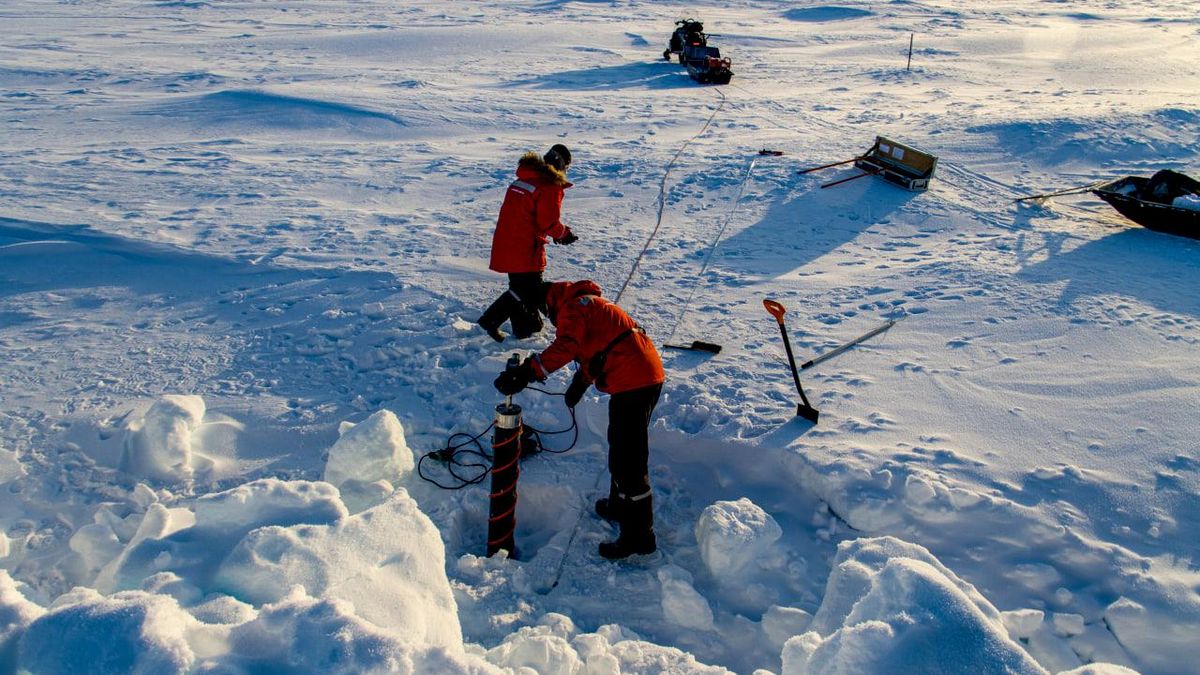
© Arctic and Antarctic Research Institute / Yaroslava Protsyuk, Danel Yuskayev, and Pavel Baryshev
According to researchers from the Arctic and Antarctic Research Institute (AARI), warming in the Central Arctic continues unabated which can be seen from the data obtained during the North Pole-42 drifting expedition.
Most recent measurements show that air temperature in the Central Arctic is rising, and the ice cover of the Arctic Ocean is getting thinner.
The average near-surface air temperature in the drift area was 14.7°C below zero from October 2024 to July 2025, which is 0.9°C higher than the average for the Arctic Ocean over the same season during the previous ten years, when temperatures remained at 15.6 ± 0.7°C below zero.
“The North Pole-42 drifting expedition researchers have obtained data that replenish the critically important database of on-site observations in the Central Arctic, a region where regular measurements are taken extremely rarely,” AARI Director Alexander Makarov said. “However, without them, tracking or forecasting global climate change would be impossible. These figures do not come from an isolated observation conducted during just one season, but are part of a long-term series of data that we have been gathering for almost one hundred years now. Without them, all climate models and forecasts remain mere hypotheses.”


1/4
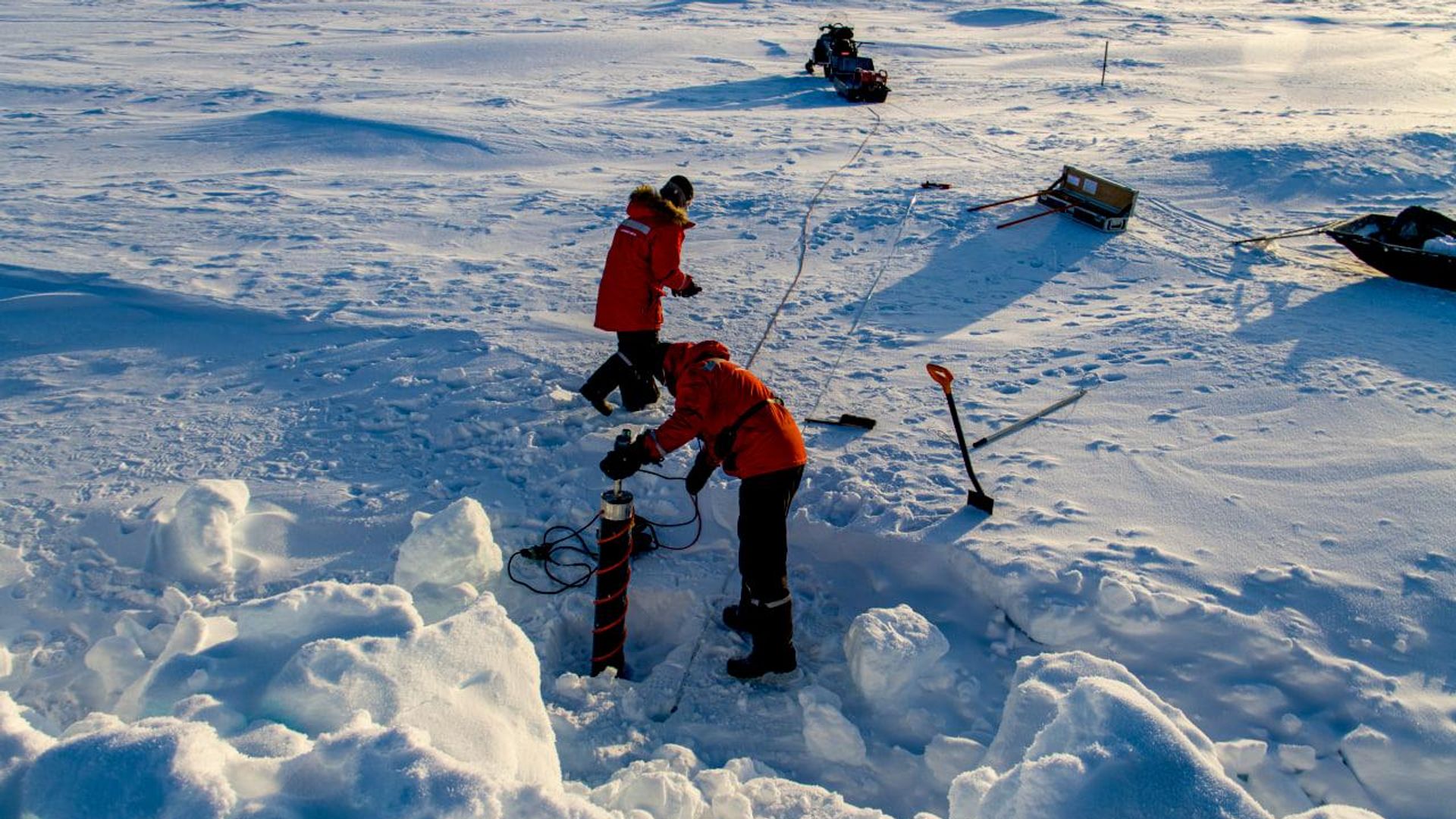
Researchers at work aboard the North Pole-42 drifting station in the Central Arctic
© Arctic and Antarctic Research Institute / Yaroslava Protsyuk, Danel Yuskayev, and Pavel Baryshev
2/4
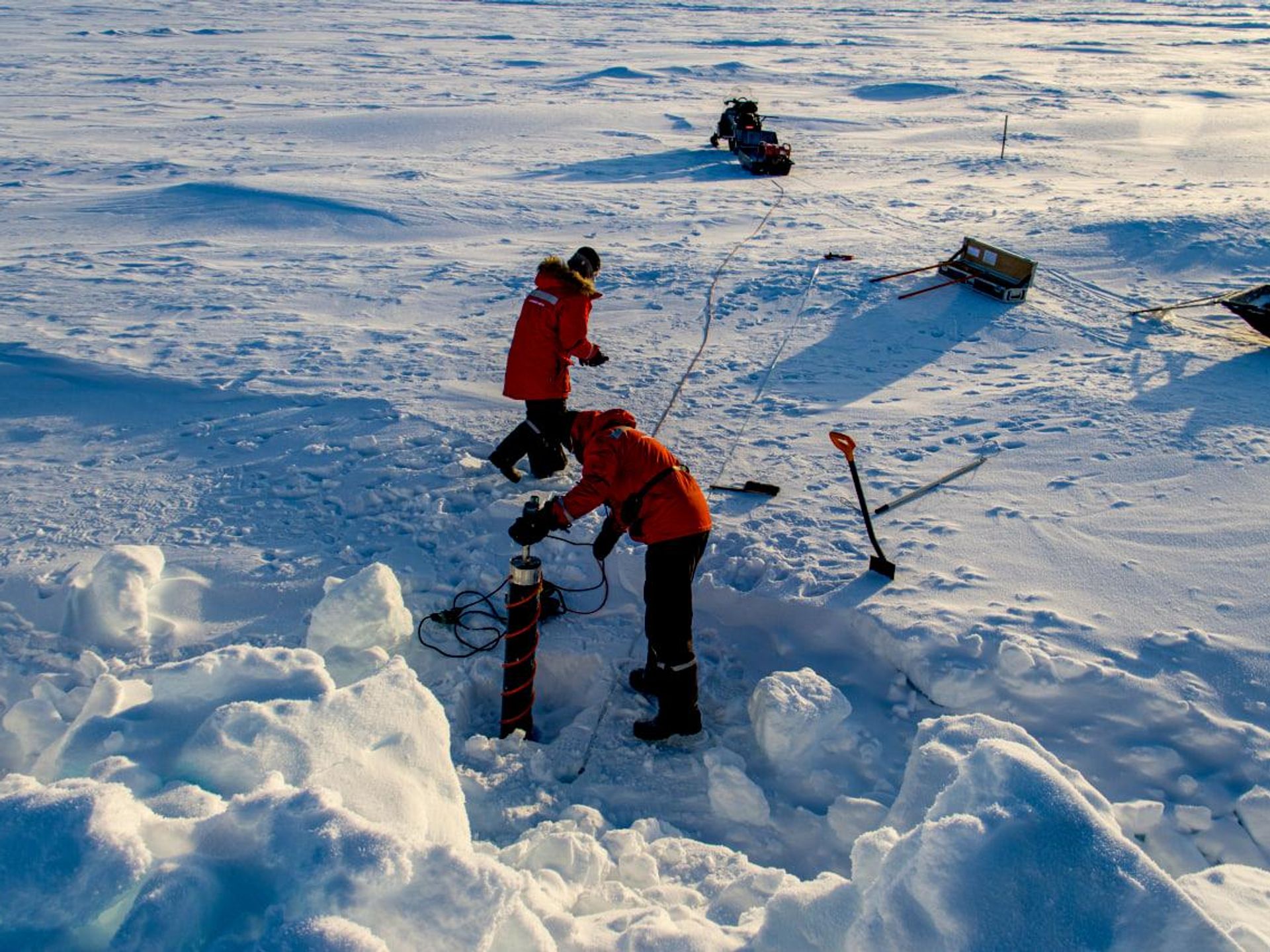
Researchers at work aboard the North Pole-42 drifting station in the Central Arctic
© Arctic and Antarctic Research Institute / Yaroslava Protsyuk, Danel Yuskayev, and Pavel Baryshev
3/4
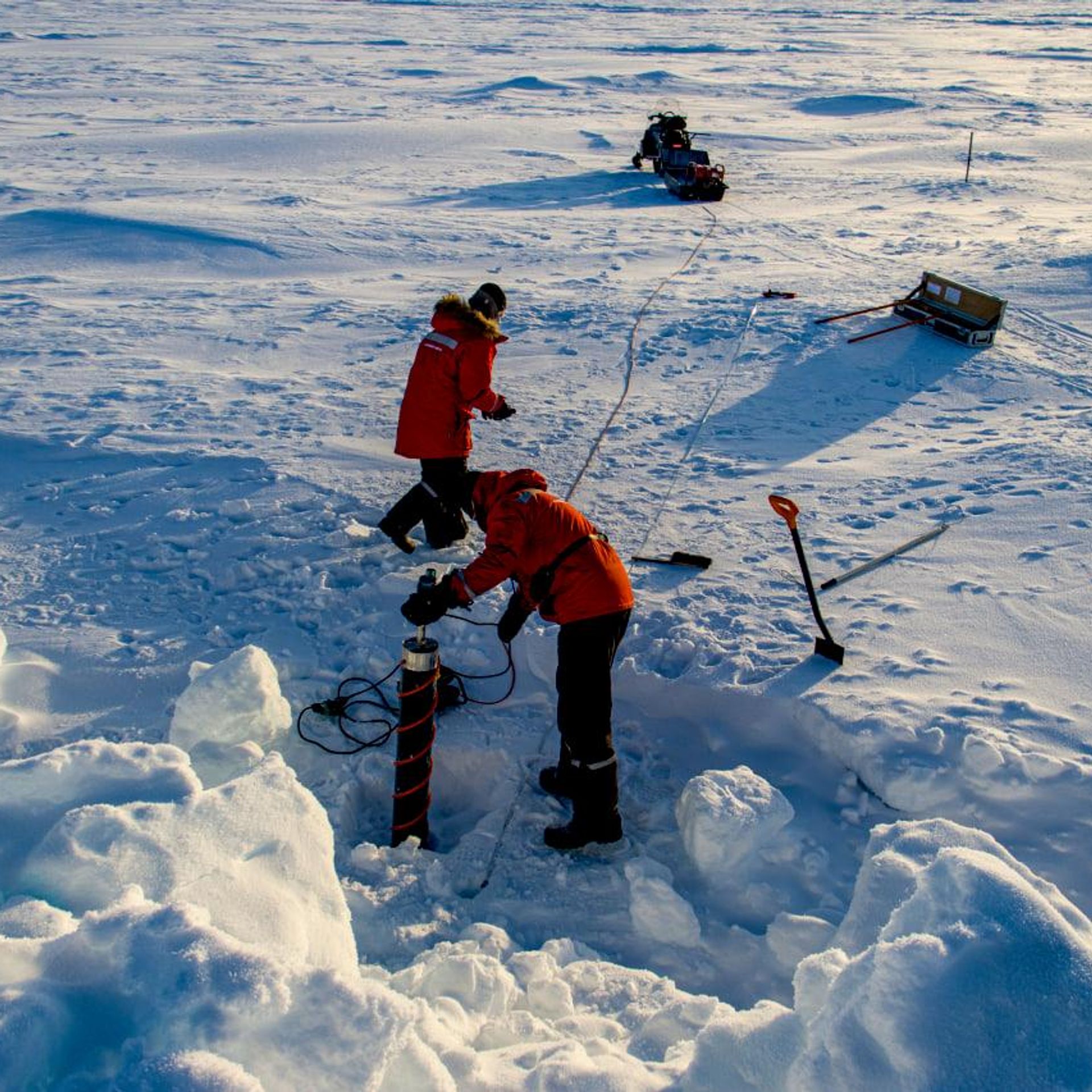
Researchers at work aboard the North Pole-42 drifting station in the Central Arctic
© Arctic and Antarctic Research Institute / Yaroslava Protsyuk, Danel Yuskayev, and Pavel Baryshev
4/4
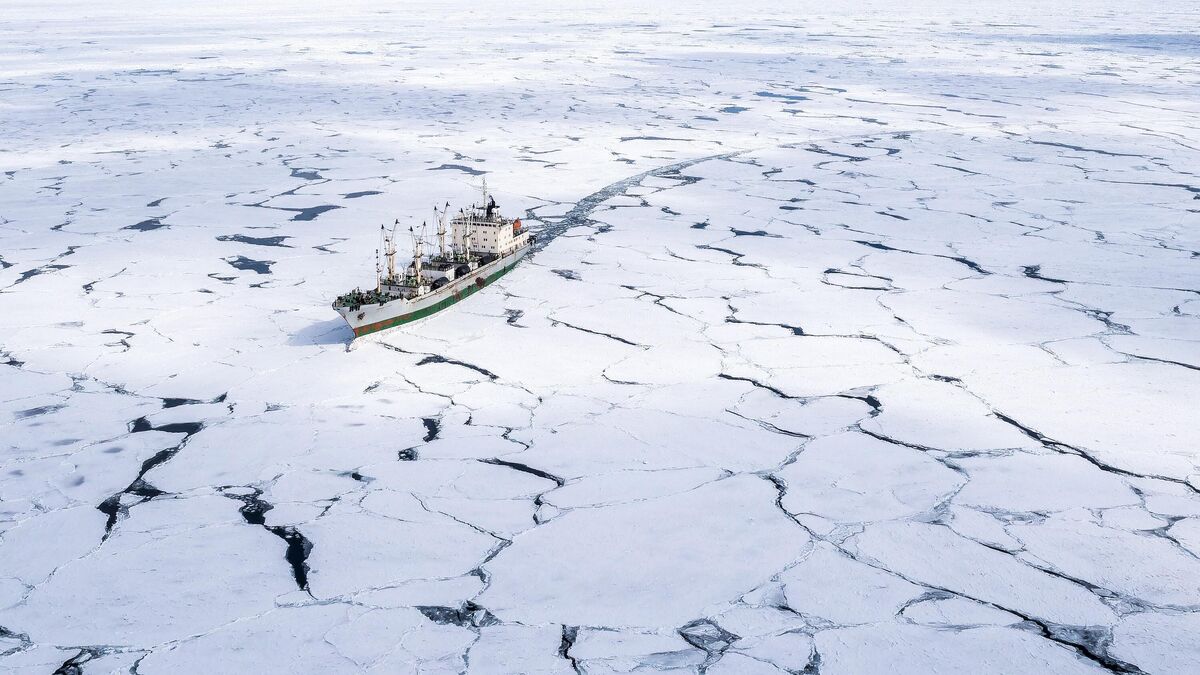
North Pole-42 drifting station
© Arctic and Antarctic Research Institute / Yaroslava Protsyuk, Danel Yuskayev, and Pavel Baryshev
AARI researchers noted earlier that warming in the Arctic is causing glaciers to melt and sea levels to rise. Since 1900, the global sea level has risen by approximately 25 centimeters caused primarily by the thermal expansion of seawater rather than the melting ice. As water warms, it expands. Sea levels are now rising at a rate of about 3 mm per year.
These processes need to be continuously monitored, and data collected in the Central Arctic are becoming part of the global climate picture.
The Central Arctic is the most hard-to-access region on the planet when it comes to making observations. It encompasses an area of the Arctic Ocean containing the Arctic Basin, which is an area of deep ocean basins reaching depths of up to 5,527 meters, and submarine ridges.