https://en.arctic.ru
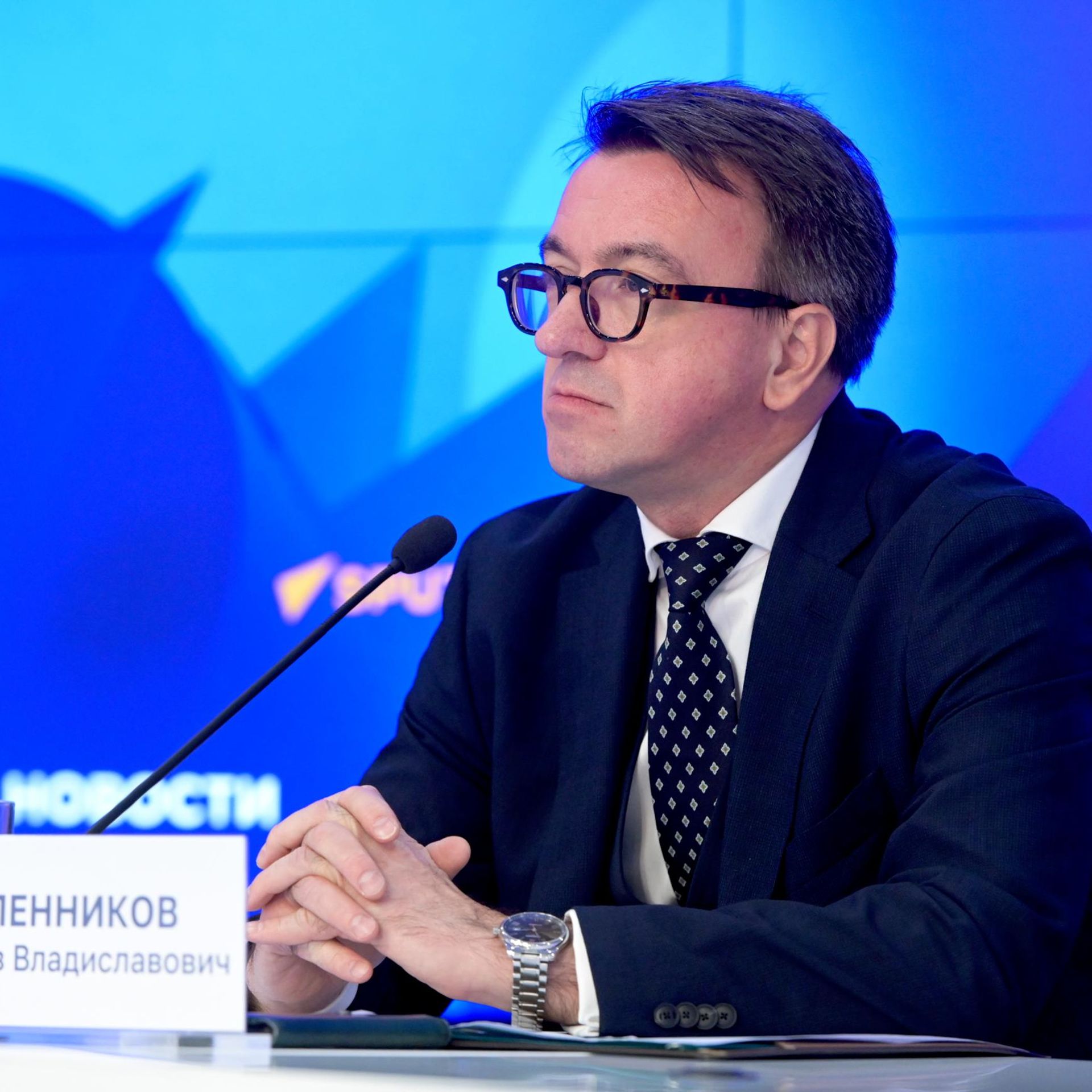
Vladislav Maslennikov: Arctic Council is experiencing a midlife crisis
Vladislav Maslennikov: Arctic Council is experiencing a midlife crisis
Arctic.ru: Discover how Russia implements its development goals in the Arctic and the Far East
2026-09-18T13:29
2026-09-18T13:29
2026-09-18T18:01
news
international cooperation
foreign ministry
/img/07ea/09/12/1761393_0:0:2500:1407_1920x0_80_0_0_6e9b22a3da5d10c5efb9cf150d63d9bb.jpg
Vladislav Maslennikov, Director of the Russian Foreign Ministry’s Department of European Problems and Russia’s Senior Official on the Arctic Council, said that the organization, established to promote peaceful cooperation in the high latitudes, is facing serious challenges due to the West’s policies.“Asit approaches its 30th anniversary, the Arctic Council is not in the best shape. Perhaps itwould be fair to say that we are witnessing a midlife crisis in the organization,” Maslennikov said at a briefing held at the Press Center of the Rossiya Segodnya International Media Group.At the same time, the diplomat emphasized that Russia has managed to keep the Council functioning: its working bodies remain operational, and working group meetings continue to be held, primarily in a remote format. The three key intergovernmental agreements concluded under the Council’s auspices also remain in force: the Agreement on Cooperation in Aeronautical and Marine Search and Rescue; the Agreement on Cooperation on Marine Oil Pollution Preparedness and Response;and the Agreement on Enhancing International Arctic Scientific Cooperation.Maslennikov noted that Russia supports restoring the Council’s full-scale work, but said the position of the Western Arctic Seven is highly counterproductive.At the same time, the speaker added that, despite this, Russia is not seeking to establish a replacement for the Arctic Council.“The Council’s members have declared their intention to preserve it, and we still have hope that the organization will emerge from the prolonged state of dormancy it has been in for almost five years,” he added.At the same time, Russia cannot ignore the growing interest of non-Arctic countries in cooperation in the Arctic. According to the diplomat, dialogue on Arctic issues is developing most actively and productively with India and China.“Thesecountries not only express their interest in the Arctic agenda, but also have significant resources and the political will to implementjoint projects and initiatives. We have established systematic cooperation with both countries, and the relevant intergovernmental bodies have been established and are operating successfully,” Maslennikov emphasized.The diplomat also referred to an article by Foreign Minister Sergey Lavrov published on Arctic.ru, “International Cooperation in the Arctic: Challenges and Opportunities,” describing it as essentially a useful supplementary resource that sets out Russia’s assessmentof the current situation, its vision of the country’s national interests and objectives in the region, and ways of achieving them.“I can recommend this material to everyoneinterested in the North,” he concluded.
https://en.arctic.ru/20260901/1712021.html
2026
Новости
ru-RU
https://en.arctic.ru/docs/about/copyright.html
https://xn--c1acbl2abdlkab1og.xn--p1ai/
/img/07ea/09/12/1761393_175:0:2500:1744_1920x0_80_0_0_8192c1e95b36345e87516725ba432c9b.jpgnews, international cooperation, foreign ministry
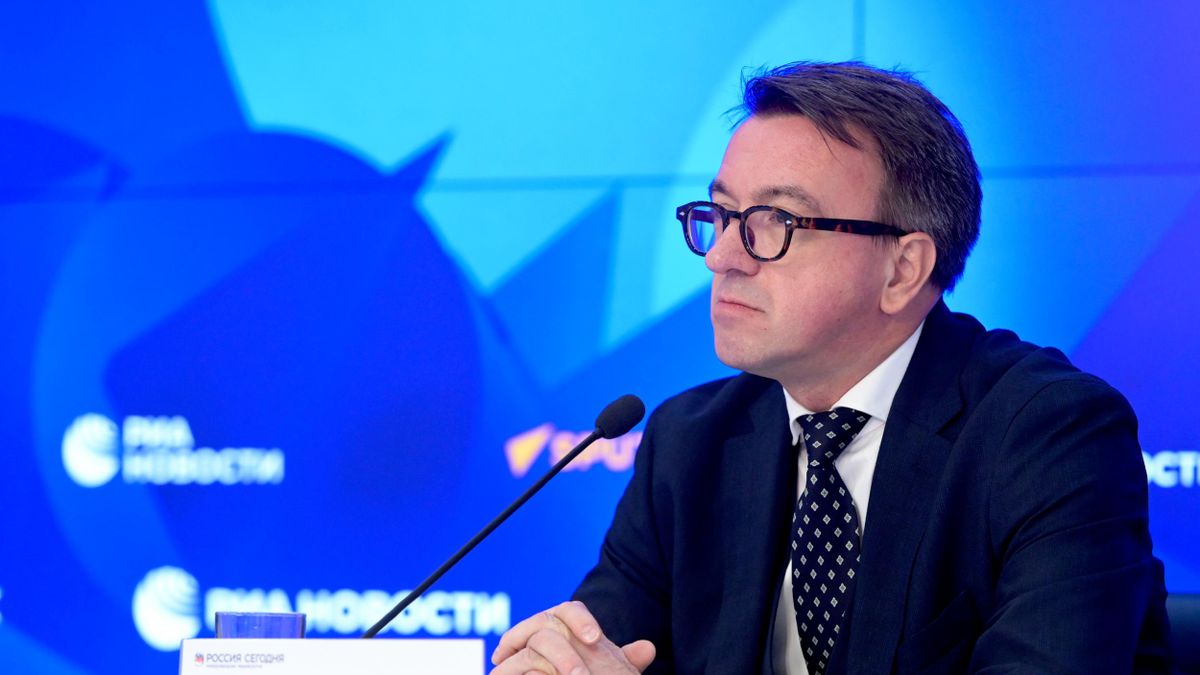
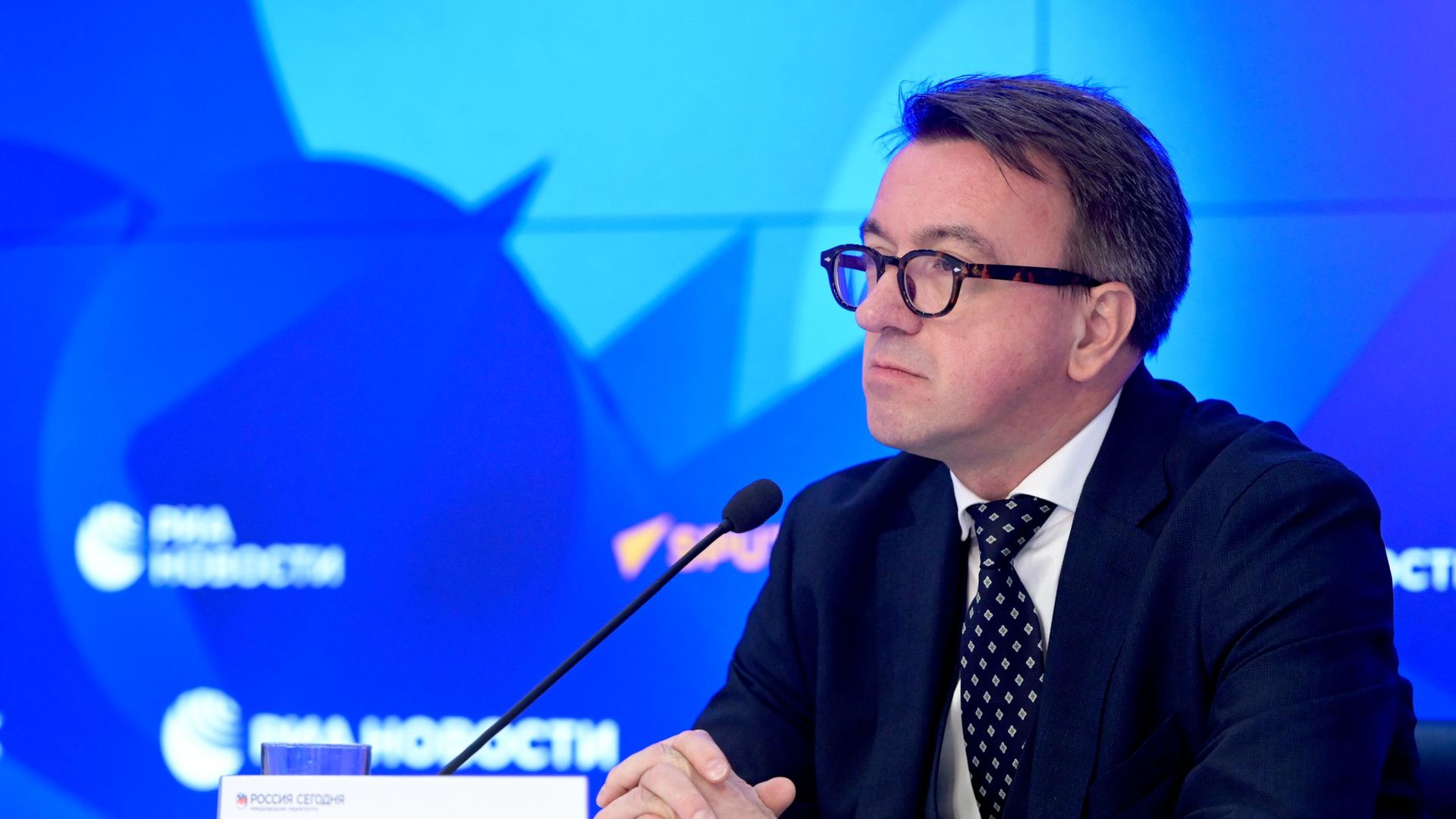
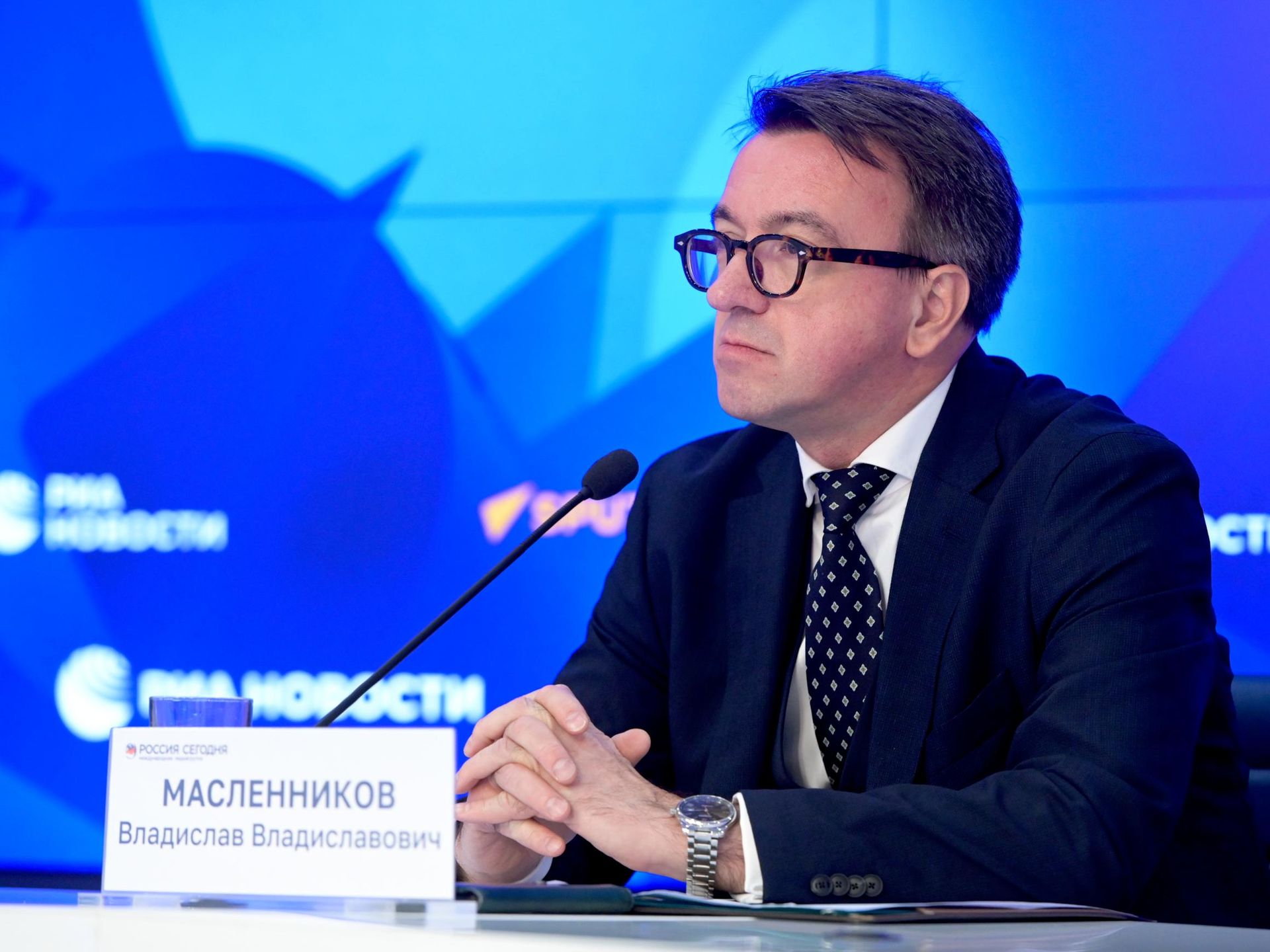
Vladislav Maslennikov, Director of the Russian Foreign Ministry’s Department of European Problems and Russia’s Senior Official on the Arctic Council, said that the organization, established to promote peaceful cooperation in the high latitudes, is facing serious challenges due to the West’s policies.
“Asit approaches its 30th anniversary, the Arctic Council is not in the best shape. Perhaps itwould be fair to say that we are witnessing a midlife crisis in the organization,” Maslennikov said at a briefing held at the Press Center of the Rossiya Segodnya International Media Group.
At the same time, the diplomat emphasized that Russia has managed to keep the Council functioning: its working bodies remain operational, and working group meetings continue to be held, primarily in a remote format. The three key intergovernmental agreements concluded under the Council’s auspices also remain in force: the Agreement on Cooperation in Aeronautical and Marine Search and Rescue; the Agreement on Cooperation on Marine Oil Pollution Preparedness and Response;and the Agreement on Enhancing International Arctic Scientific Cooperation.
Maslennikov noted that Russia supports restoring the Council’s full-scale work, but said the position of the Western Arctic Seven is highly counterproductive.
“With one hand, they are trying to preserve the Arctic Council, while with the other one, they are bringing NATO into the Arctic. From our perspective, this only delays and complicates the prospects for resuming cooperation,” he explained.
At the same time, the speaker added that, despite this, Russia is not seeking to establish a replacement for the Arctic Council.
“The Council’s members have declared their intention to preserve it, and we still have hope that the organization will emerge from the prolonged state of dormancy it has been in for almost five years,” he added.
At the same time, Russia cannot ignore the growing interest of non-Arctic countries in cooperation in the Arctic. According to the diplomat, dialogue on Arctic issues is developing most actively and productively with India and China.
“Thesecountries not only express their interest in the Arctic agenda, but also have significant resources and the political will to implementjoint projects and initiatives. We have established systematic cooperation with both countries, and the relevant intergovernmental bodies have been established and are operating successfully,” Maslennikov emphasized.
The diplomat also referred to an article by Foreign Minister Sergey Lavrov published on Arctic.ru, “International Cooperation in the Arctic: Challenges and Opportunities,” describing it as essentially a useful supplementary resource that sets out Russia’s assessmentof the current situation, its vision of the country’s national interests and objectives in the region, and ways of achieving them.
“I can recommend this material to everyoneinterested in the North,” he concluded.