10:00 16.09.2026
National flag and eight seasons: How the Sámi live across four Arctic countries
© RIA Novosti / Pavel Lvov
The Sámi are an indigenous people of Northern Europe. Historically, Scandinavians referred to them as Lappar or Lapper, while Russians called them Lopars, Loplians, or Lops. The name of their ancestral homeland – Lapland (also known as Lapponia or Lapponica), which spans parts of modern-day Norway, Sweden, Finland, and Russia – derives from these exonyms.
The Arctic and Far East Development portal explains why the Sámi calendar divides the year into eight seasons, and which question you should never ask a Sámi reindeer herder.
The Sámi are considered one of Europe’s oldest peoples. Their ancestors first settled in the harsh northern reaches approximately 4,000 to 5,000 years ago. The earliest archeological evidence associated with Sámi culture dates back to the late Neolithic period.
Today, the Sámi inhabit the Arctic territories of four countries – each with its own distinctive way of life.
In Norway, the Sámi live on the coast and lead a sedentary lifestyle. Their community numbers between 40,000 and 60,000 people, and their primary occupation is fishing. The Finnish Sámi, numbering 6,000 to 10,000, retreated into the forests, where they have preserved their traditions of hunting and reindeer herding.
A somewhat different picture has emerged in Russia, on the Kola Peninsula. There, the Sámi number just over 1,500 – one of the smallest indigenous communities in the country. They also lead a sedentary lifestyle and continue to engage in hunting, fishing, and reindeer herding.
The Swedish Sámi follow a markedly different pattern: they live in the mountains and move with their reindeer herds during seasonal migrations. Between 17,000 and 20,000 Sámi live in Sweden, and their main occupation is mountain reindeer herding.
International union and national attributes
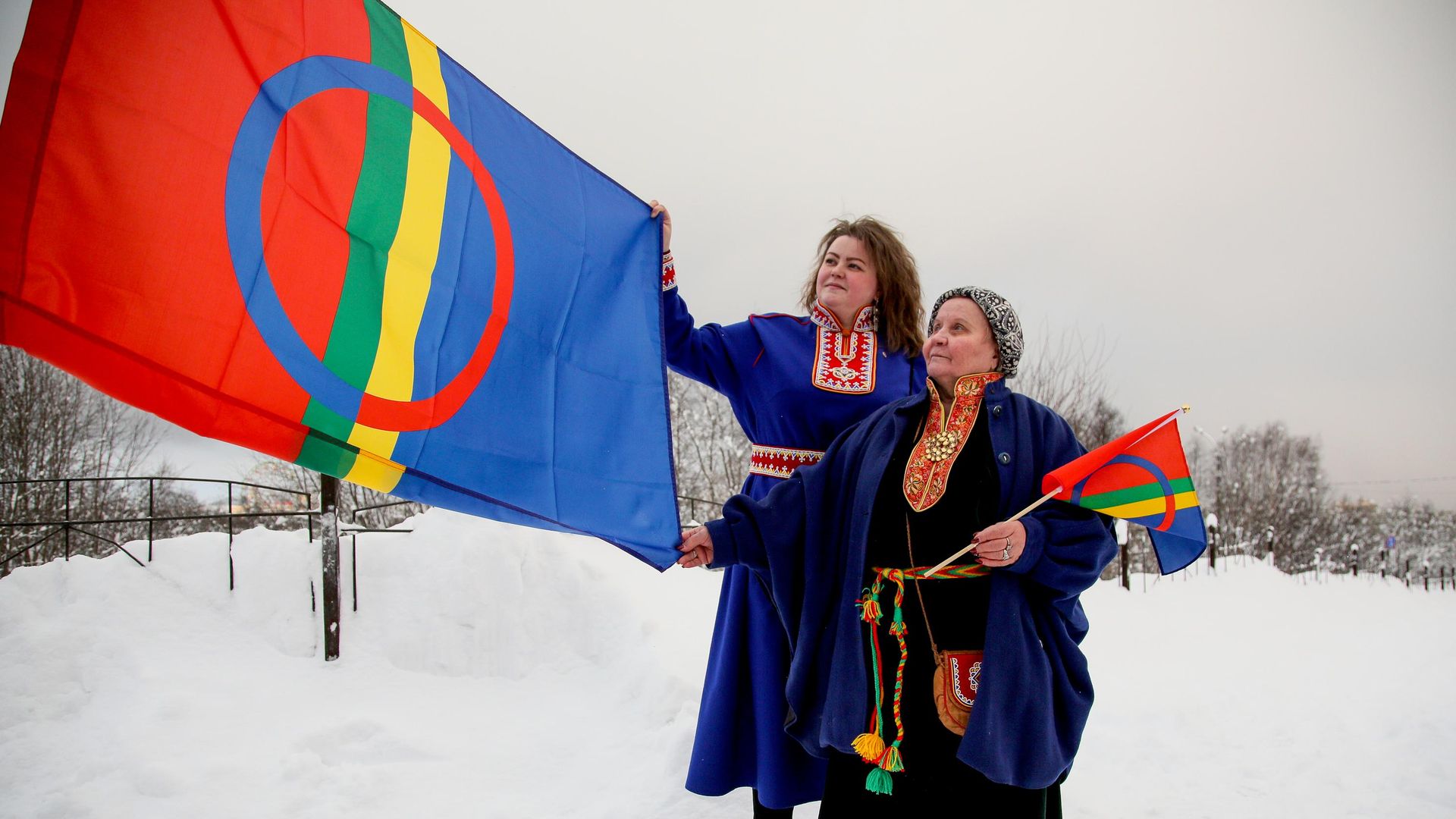
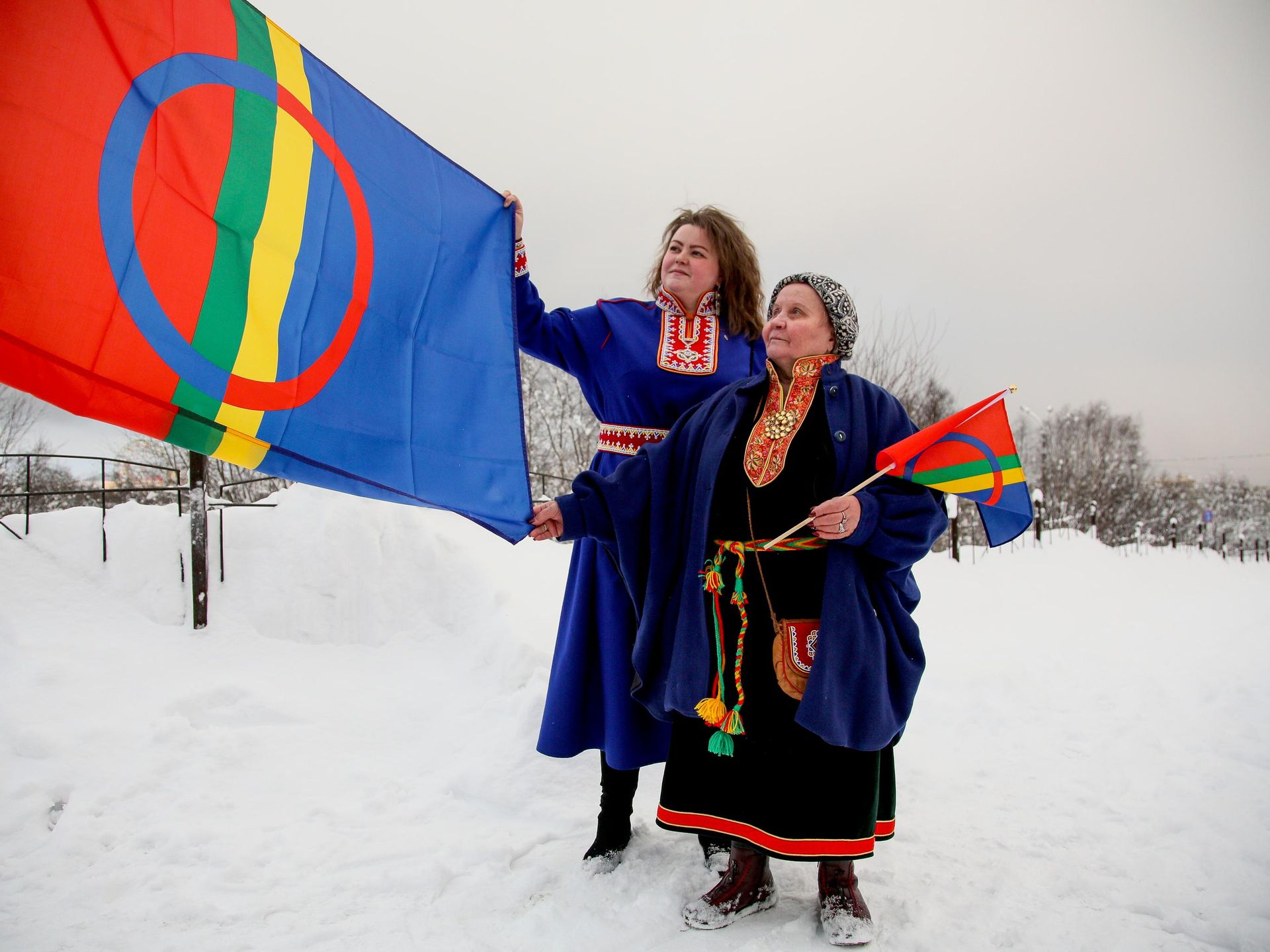
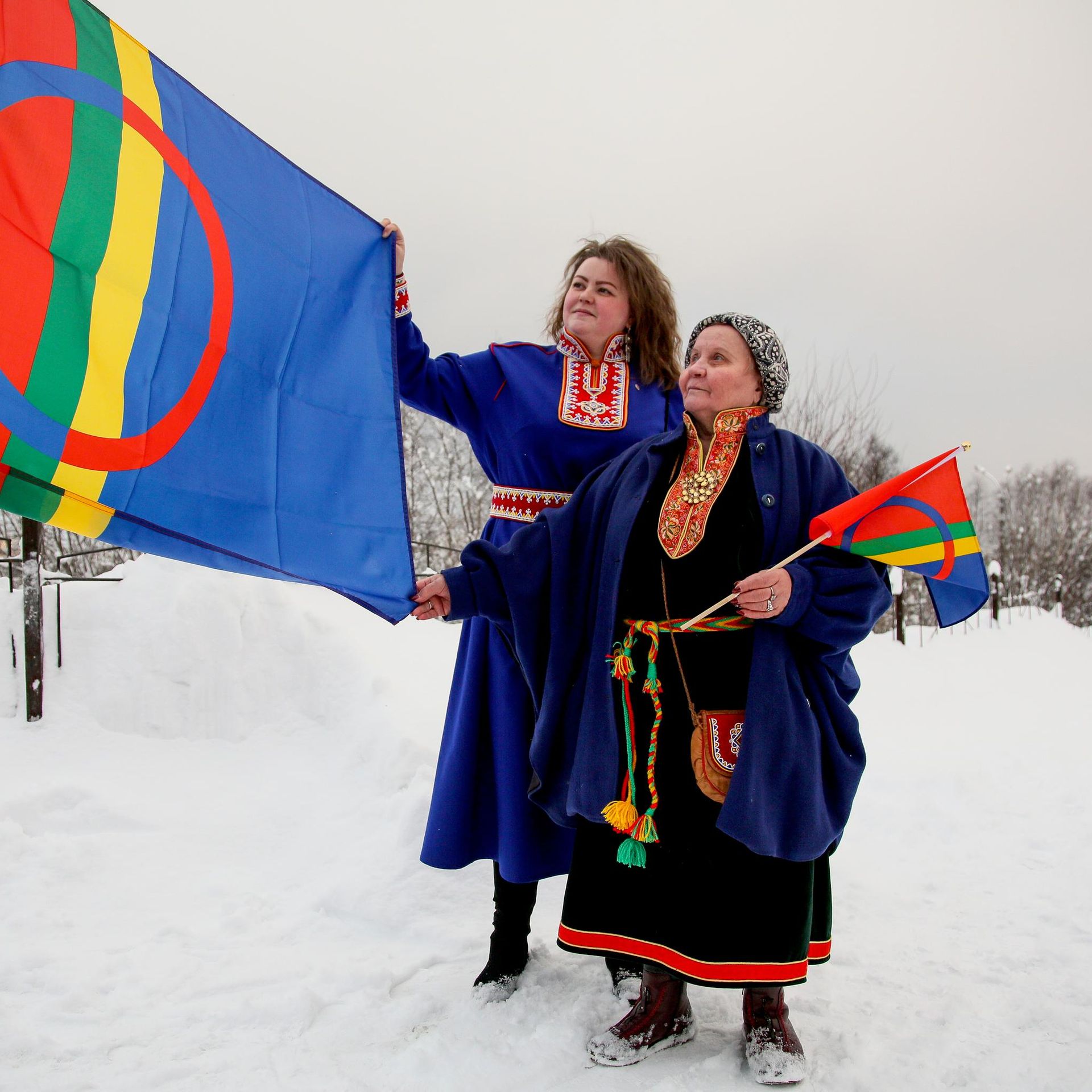
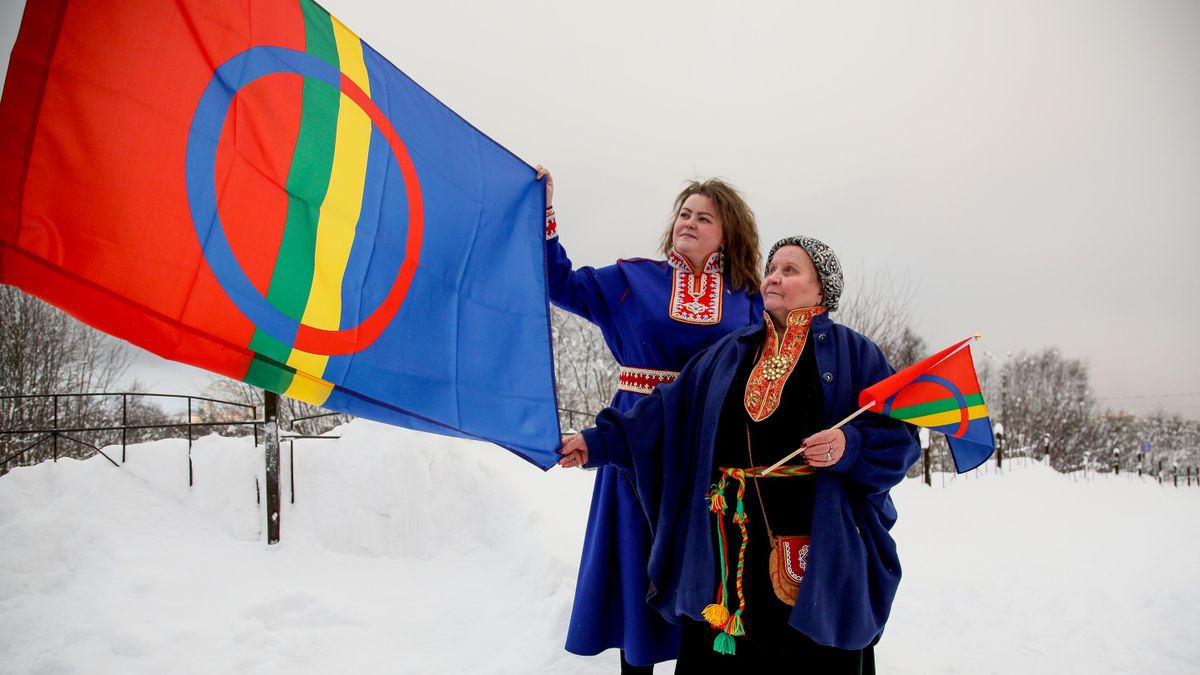
The Sámi possess all the clear attributes of a distinct people: their own flag, anthem, and a strong sense of identity. Their rights are represented by elected bodies that oversee their cultural self-determination.
In Scandinavia, where the Sámi language has official status, this mission is fulfilled by Sámi parliaments. In Russia, the Sámi are legally recognized as an indigenous minority and protected under federal law, but their language still lacks official status.


1/2
Flags of the Murmansk Region, the Russian Federation, and the Sámi national flag, raised in honor of International Sámi Day
© RIA Novosti / Pavel Lvov
2/2
Mittens with the Sámi national flag
© РИА Новости / Pavel Lvov
Additionally, the Council of Indigenous Peoples of the North operates under the Murmansk Region government. Its mission is to help preserve the traditional Sámi way of life while integrating it into the contemporary regional agenda.
The Sámi of all four Arctic countries are united by the Sámi Council, an international non-governmental organization founded on August 18, 1956 at the Second International Sámi Conference in Karasjok, Norway.
At international meetings, English serves as the working language. In everyday life, the Kola Sámi speak predominantly Russian, putting their native dialects at risk of disappearing.
The linguistic environment is much more developed among the Scandinavian Sámi. There, the language is taught at schools and widely used in the media. The writing systems also differ: in Russia, the Sámi writing system uses the Cyrillic alphabet, whereas in Scandinavia it is based on the Latin alphabet.


1/3
Sámi literature
© Russian Arctic and Far East Development
2/3
Sámi literature
© Russian Arctic and Far East Development
3/3
Coloring book for learning the Sámi language
© Russian Arctic and Far East Development
The Sámi of Russia and Scandinavia also follow different religious traditions. Historically, all Sámi were pagans. Today, the Sámi of Russia are predominantly Orthodox, while their Scandinavian counterparts are mainly Lutheran.
Harmony with nature and centuries-old taboos
The Sámi are known for their environmentally conscious thinking and concern for natural resources – long before conscious consumption became a global buzzword. In the hands of Sámi artisans, the skins and bones of hunted animals are given new life: they are used to make clothing, footwear, household items, and even musical instruments.
This deep connection to northern nature is also reflected in the Sámi calendar. Alongside the familiar four seasons, it includes four transitional seasons: spring-summer, autumn-summer, autumn-winter, and winter-spring.
For example, spring-summer is the time when the Sámi dye reindeer hides and harvest bark and the roots of birch and pine trees for use in their crafts. When autumn-summer arrives, they gather berries and mow grass, which is later used as shoe insoles.


1/3
Sámi reindeer antler products
© Russian Arctic and Far East Development
2/3
Sámi reindeer antler products
© Russian Arctic and Far East Development
3/3
Sámi reindeer antler products
© Russian Arctic and Far East Development
The Sámi also celebrate their own national holidays. International Sámi Day is observed annually on February 6 in all the countries where they live. In addition, annual festivals include the Bear Games, the Northern Festival, Reindeer Herders’ Day, and the Sámi National Games.
The Sámi take particular pride in yoik, one of the oldest forms of vocal art in Europe. Each yoik is dedicated to a specific person, animal, or place, and is considered the most complete way of expressing its essence.
Finally, the Sámi observe unspoken but strict rules of etiquette. For example, it is considered highly inappropriate to ask a Sámi reindeer herder about the number of reindeer in their herd. Such a question is considered equivalent to asking about someone’s income.
This taboo has deep roots: the herd is the herder’s primary source of wealth. Reindeer are not only a friend and provider, but also a source of shelter, clothing, footwear, transportation, and food. That is why keeping the size of the herd private is an age-old tradition that has been preserved for centuries.