https://en.arctic.ru
A treat for reindeer and a bellwether for climate change: The remarkable role of arctic fungi
A treat for reindeer and a bellwether for climate change: The remarkable role of arctic fungi
Arctic.ru: Discover how Russia implements its development goals in the Arctic and the Far East
2026-09-09T10:00
2026-09-09T10:00
2026-09-09T12:40
more content
arctic zone of russia
ecology
/img/07ea/09/04/1721634_0:261:2500:1667_1920x0_80_0_0_e4295c01c850cc5209b560cfc7c80e02.jpg
With the arrival of autumn, mushroom season gets underway across Russia – and the Arctic is no exception. The northern forests yield familiar favorites that locals eagerly forage for winter storage, alongside far more unusual species that can only be seen under a microscope.All of them, however, are drawing growing scientific attention. In this piece for the Development of the Arctic and the Far East portal, we take a closer look at the benefits – and the risks – of Arctic fungi.As autumn settles in, the “quiet hunt” begins in earnest across the Arctic tundra and woodlands. Before the long winter sets in, foragers can fill their baskets with orange-cap boletes, birch boletes, russulas, and prized porcini mushrooms.These northern varieties have evolved to thrive in harsh conditions: many species are able to grow and bear fruit at low temperatures, making the most of the short polar summer. With long winters and a brief growing season, they accumulate unique bioactive compounds that help them withstand cold and poor soils.For local communities, mushrooms are a valuable supplementary source of protein and fiber during the winter months. They are also rich in B vitamins and vitamin D, which support nervous-system health, boost metabolism, and strengthen bones. Minerals such as potassium, selenium, and copper further add to their nutritional value, promoting heart function and immune resilience.The Arctic is also seeing a boom in the processing of wild berries and mushrooms – including boletes, orange-cap boletes, and porcini – turning everyday fungi into semi-finished goods, sauces, and even restaurant-quality delicacies.Reindeer, too, are keen mushroom enthusiasts. In summer and autumn, these protein- and micronutrient-rich fungi become a seasonal delicacy that helps diversify the animals’ diet and build up energy reserves for winter. The protein content also supports tissue repair and antler growth.Arctic mushrooms are also of great interest to researchers studying their role in northern ecosystems. Recent findings suggest that fungi, particularly microscopic and deep-sea varieties, play an active part in recycling organic matter and locking carbon into the ecosystem.Scientists are also investigating microorganisms that can survive extreme cold. Proteins and enzymes derived from such fungi could have significant medical applications in the future.Another focus of research is mycorrhiza – the symbiotic relationship between fungal mycelium and plant roots. Experts are keen to understand how these fungi help shrubs and dwarf trees extract water and vital nutrients from the Arctic’s impoverished soils.Yet not all northern fungi are beneficial. Species from the genera Penicillium, Trichoderma, and Alternaria can produce toxins that cause physiological disturbances in reindeer. Their spread is being accelerated by global warming, making mushrooms a key climate-change indicator for scientists monitoring the shifting Arctic environment.
https://en.arctic.ru/20260727/1643432.html
2026
Новости
ru-RU
https://en.arctic.ru/docs/about/copyright.html
https://xn--c1acbl2abdlkab1og.xn--p1ai/
/img/07ea/09/04/1721634_74:0:2297:1667_1920x0_80_0_0_12f30bf140977ad06405b65c149fe429.jpgmore content, arctic zone of russia, ecology
With the arrival of autumn, mushroom season gets underway across Russia – and the Arctic is no exception. The northern forests yield familiar favorites that locals eagerly forage for winter storage, alongside far more unusual species that can only be seen under a microscope.
All of them, however, are drawing growing scientific attention. In this piece for the Development of the Arctic and the Far East portal, we take a closer look at the benefits – and the risks – of Arctic fungi.
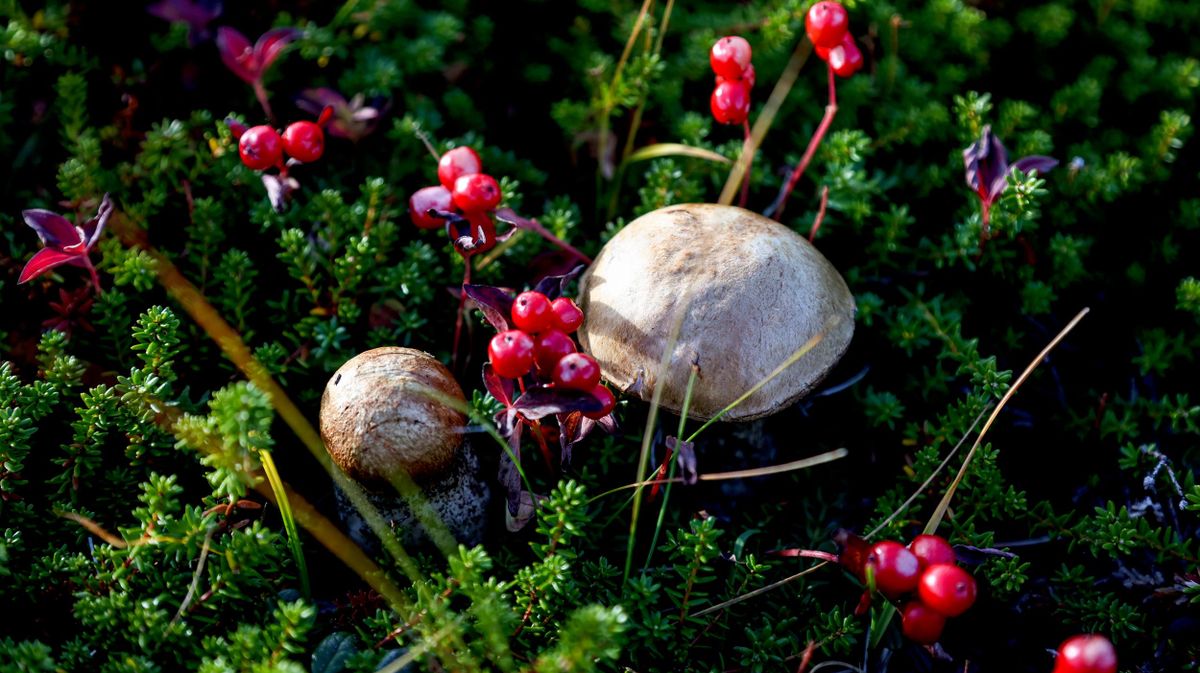
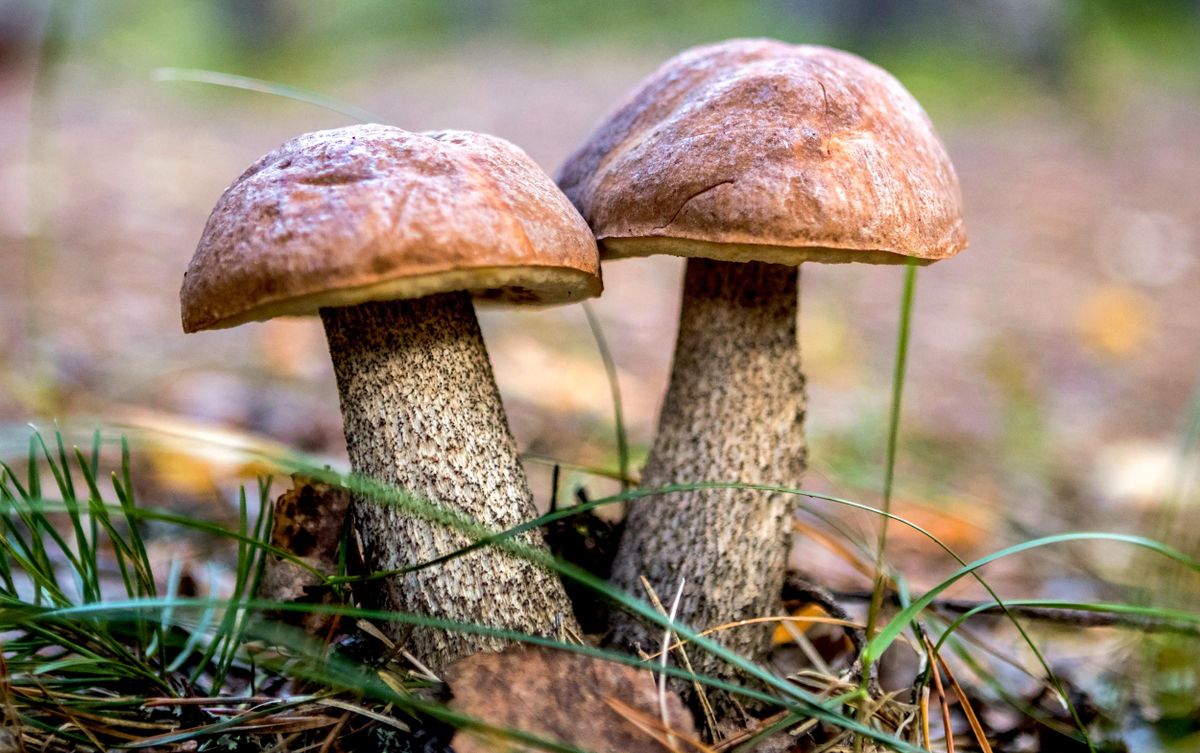
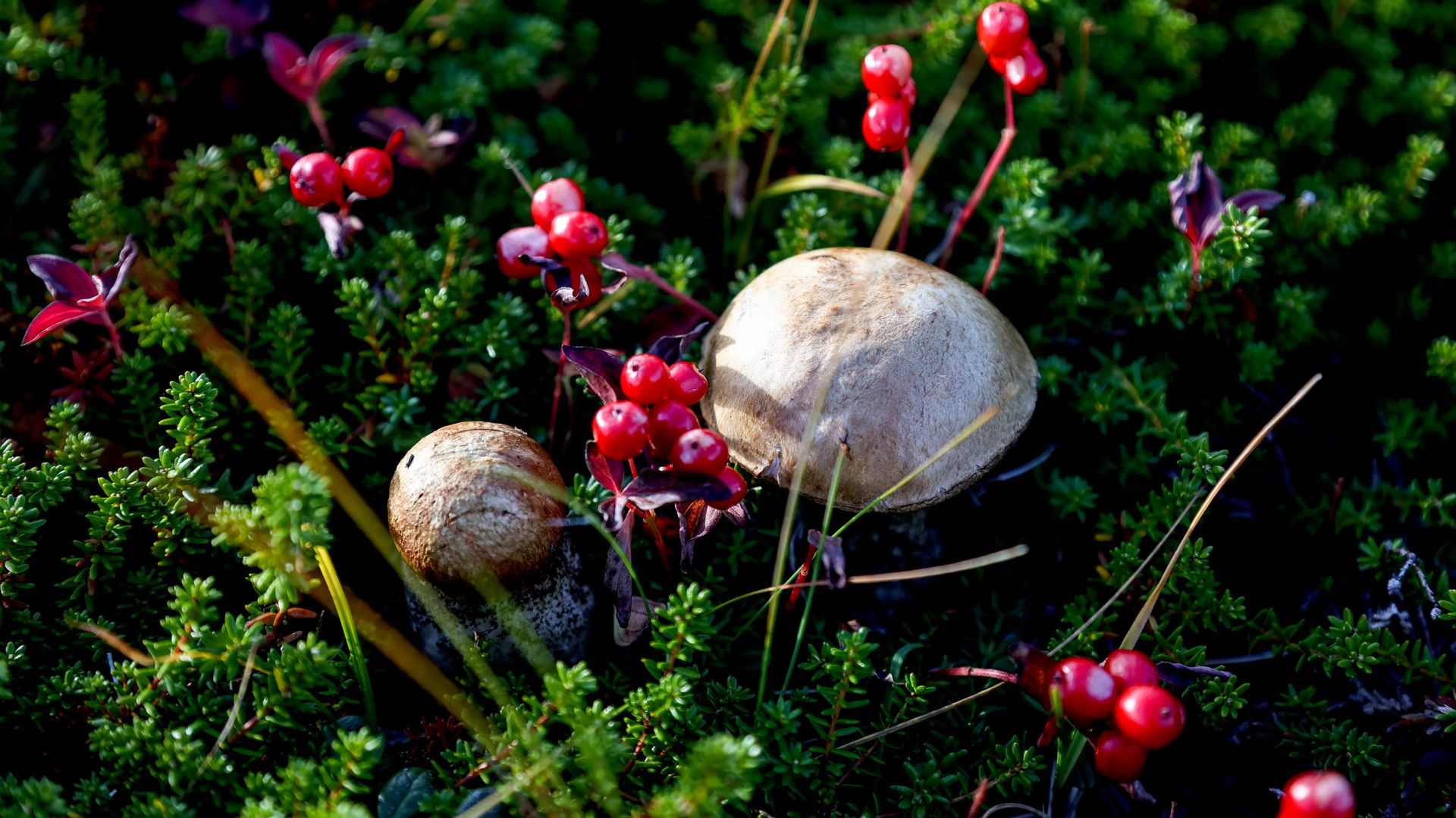
As autumn settles in, the “quiet hunt” begins in earnest across the Arctic tundra and woodlands. Before the long winter sets in, foragers can fill their baskets with orange-cap boletes, birch boletes, russulas, and prized porcini mushrooms.
These northern varieties have evolved to thrive in harsh conditions: many species are able to grow and bear fruit at low temperatures, making the most of the short polar summer. With long winters and a brief growing season, they accumulate unique bioactive compounds that help them withstand cold and poor soils.
For local communities, mushrooms are a valuable supplementary source of protein and fiber during the winter months. They are also rich in B vitamins and vitamin D, which support nervous-system health, boost metabolism, and strengthen bones. Minerals such as potassium, selenium, and copper further add to their nutritional value, promoting heart function and immune resilience.
The Arctic is also seeing a boom in the processing of wild berries and mushrooms – including boletes, orange-cap boletes, and porcini – turning everyday fungi into semi-finished goods, sauces, and even restaurant-quality delicacies.
Reindeer, too, are keen mushroom enthusiasts. In summer and autumn, these protein- and micronutrient-rich fungi become a seasonal delicacy that helps diversify the animals’ diet and build up energy reserves for winter. The protein content also supports tissue repair and antler growth.
Arctic mushrooms are also of great interest to researchers studying their role in northern ecosystems. Recent findings suggest that fungi, particularly microscopic and deep-sea varieties, play an active part in recycling organic matter and locking carbon into the ecosystem.
Scientists are also investigating microorganisms that can survive extreme cold. Proteins and enzymes derived from such fungi could have significant medical applications in the future.
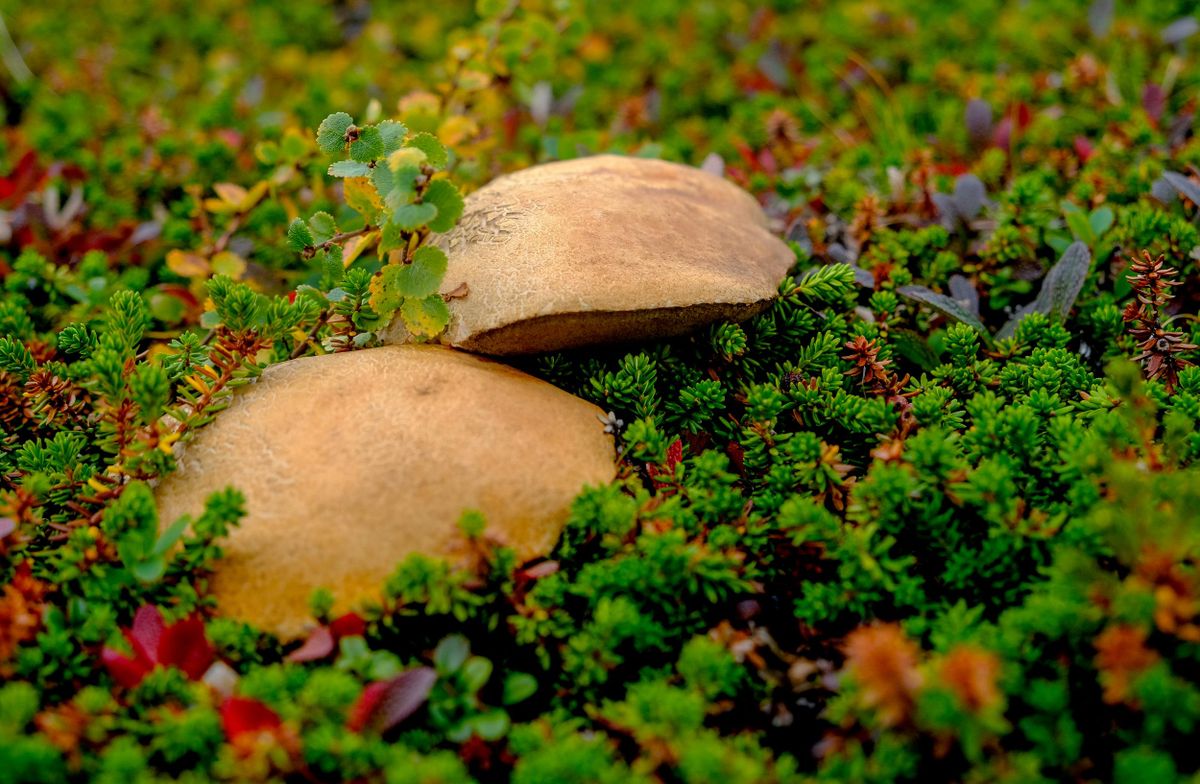
Another focus of research is mycorrhiza – the symbiotic relationship between fungal mycelium and plant roots. Experts are keen to understand how these fungi help shrubs and dwarf trees extract water and vital nutrients from the Arctic’s impoverished soils.
Yet not all northern fungi are beneficial. Species from the genera Penicillium, Trichoderma, and Alternaria can produce toxins that cause physiological disturbances in reindeer. Their spread is being accelerated by global warming, making mushrooms a key climate-change indicator for scientists monitoring the shifting Arctic environment.