10:00 09.09.2026
Deputy Chief of OMON Arktika: This work in the North is for real men
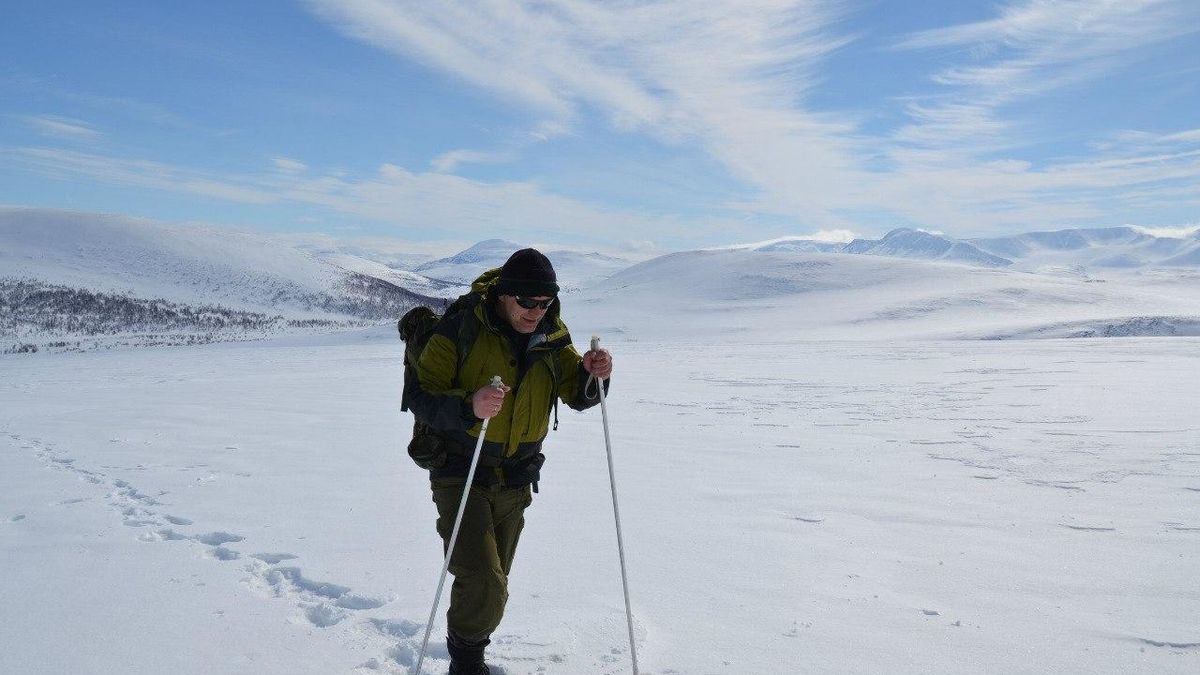
© Sergei Palnikov
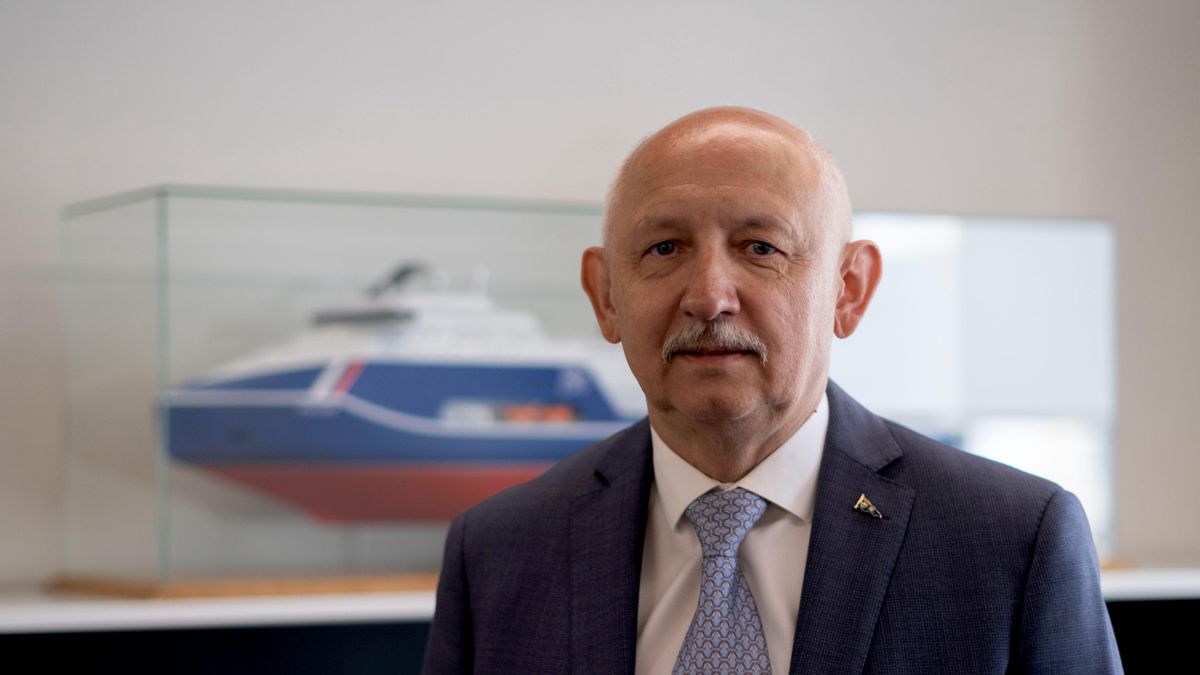
Sergei Palnikov (the last name has been changed) has served in OMON Arktika since December 1997. Working as a lathe operator, he came across a newspaper article about the Vorkuta Special Purpose Police Force (OMON) and decided to try the job, lured by the romantic image of it. But over the course of 25 years, he has realized that this romance is about harsh conditions, polar nights, and commitment to responding to a call for help at any time of day or night. Arctic.ru correspondent talked to Deputy Chief for Political Work of OMON Arktik unit of the National Guard Komi Directorate Sergei Palnikov. He speaks about the North and its test of endurance, why isolation encourages Vorkuta people to stick together, and about brotherhood-in-arms.
Mr. Palnikov, tell us how you found yourself living above the Arctic Circle.
– In the winter of 1983, my family moved to Vorkuta from the old merchant town of Birsk in Bashkiria. Our goal was more pragmatic than romantic: my parents were after easy money. I was ten years old.
I remember the polar night: walking to school and back from school in darkness. It was daunting. I kept asking my Mom: “Is it always like this here?”
Until 1989, we lived in “barracks” – small panel houses − with three other families, furnace heating, and a standpipe outside. The housing crisis was dire.
The housing crisis was terrible in Vorkuta but what about now? Is it scary to move here?
– Life is good today. Modern technology provides everything we need. The prices are about the same as in Central Russia, nothing excessive. Affordable housing is a big advantage. Apartments in the city itself cost considerably less than in Central Russia.
People living in the North – what are they like? What could they teach us?
– People in the North are more kind-hearted and empathetic. This is true. Things are changing now, but back then the difference in mentality was drastic. Vorkuta is a city with a difficult fate. Isolation has always brought us together. Many people are proud to be living above the Arctic Circle. They feel special.
“My wife knows what it means to be waiting for her husband from the work that may never bring him back.”
Why OMON? Was it your conscious choice, an offer of a job, or a happenstance?
– The romantic image of the Special Purpose Police Force appealed to me. When the Chechen campaign began in the 1990s, the Vorkuta Squad started going on combat missions that were widely publicized in the media. Young people are drawn to war and heroism. So, I went. In December 1997, I joined the special police. In the 2000s, I finally realized it was my calling.
What is the main difference between serving in the OMON Arktika and serving on the mainland?
– It’s the remoteness. There are no other law enforcement agencies in the city. Our city is isolated, with no access road. Any backup can only arrive by air – and if the weather doesn’t permit, nobody will come. Therefore, we deal with cases that would usually be handled by the Special Rapid Deployment Forces or the Federal Security Service. It may be anything from protecting public order to counter-terrorist operations.
When you work at a plant, you can finish your shift and go home. Working for OMON means emergency calls, working trips, and night shifts. Have you ever regretted your decision?
– You know, the crime rate was high at the time, so we could see the results of our work every day. We detained armed criminals, murderers and rapists. You feel that you are needed by the people, by the city and the state. It’s incredibly gratifying. We would round up entire criminal gangs in the 1990s. It was rewarding to see justice served. There was minimum red tape – mostly action. I was young, passionate, and all my expectations proved to be true.
What does your wife think about your work?
– My wife knows what it means to be waiting for her husband from the work that may never bring him back. We get by. If not her husband, who else will do the job?
“Serving in a special police unit is like competition.”
Mr. Palnikov, please tell us about your most memorable deployments.
− I’ve been deployed to the North Caucasus seven times, and to the North Caucasus Military District three times. But the first one stands out – the winter of 1999 –2000, during the assault on Grozny. The convoy I was traveling in was ambushed. I was wounded. My comrades practically saved my life – they pulled me off the battlefield and bandaged me up. It was a serious injury, with internal damage. To this day, I haven’t fully recovered.
Serving in the special forces is a huge responsibility. What keeps you and your comrades going on the hardest days, especially when the work involves real risk?
− Serving in a special forces unit is like a competition: you try to do better today than you did yesterday. Just being part of an elite unit is a powerful motivator – the desire to feel different from ordinary people, faster, stronger, more resilient. That mindset also helps us work more effectively with criminals and offenders.
You say special forces is a competition. How does that play out? Who is your main competitor – yourself or your colleagues?
− It doesn’t have to be about being enemies. If you want to be first, to win in the ring, to win a relay race – you just go out and win. You become the fastest, the strongest. And there’s real satisfaction in knowing you’ve done well, that you’ve reached that level. Among special forces, being strong, fast, and resilient builds your reputation as a professional. So we compete with each other, but we also compete with ourselves – when someone pushes through laziness, fatigue, and their own limits. Despite everything, we have to keep growing.
What’s the hardest thing, psychologically, for a newcomer from the mainland when they first join the unit? And how do you help them adjust?
− Recently, a young man came to us from the Stavropol Territory with his girlfriend. He’s from the south, and suddenly he’s in the high latitudes. The biggest shock is definitely the environment in Vorkuta: lots of snow, darkness, no big concerts or events. But our team is small, and we look out for each other. We start by inviting people – “Let’s go to the gym, let’s go to a café.” I personally went to their home and told them a lot about the city and its advantages. Two years later – they got married, have a child, bought an apartment, their salaries are good, and they don’t want to leave.
“The Arctic is the future of Russia.”
Is the Arctic a love or a test?
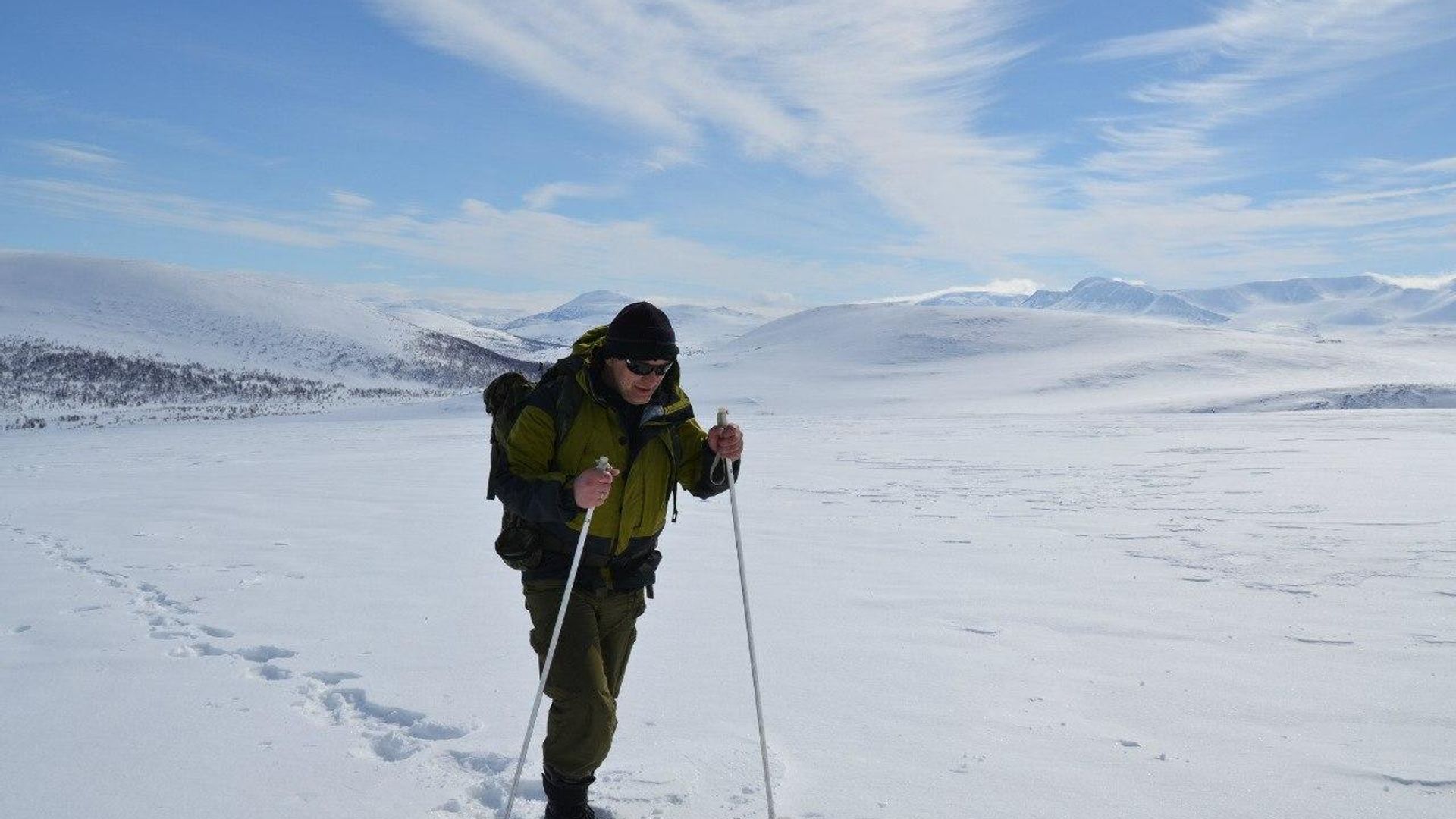
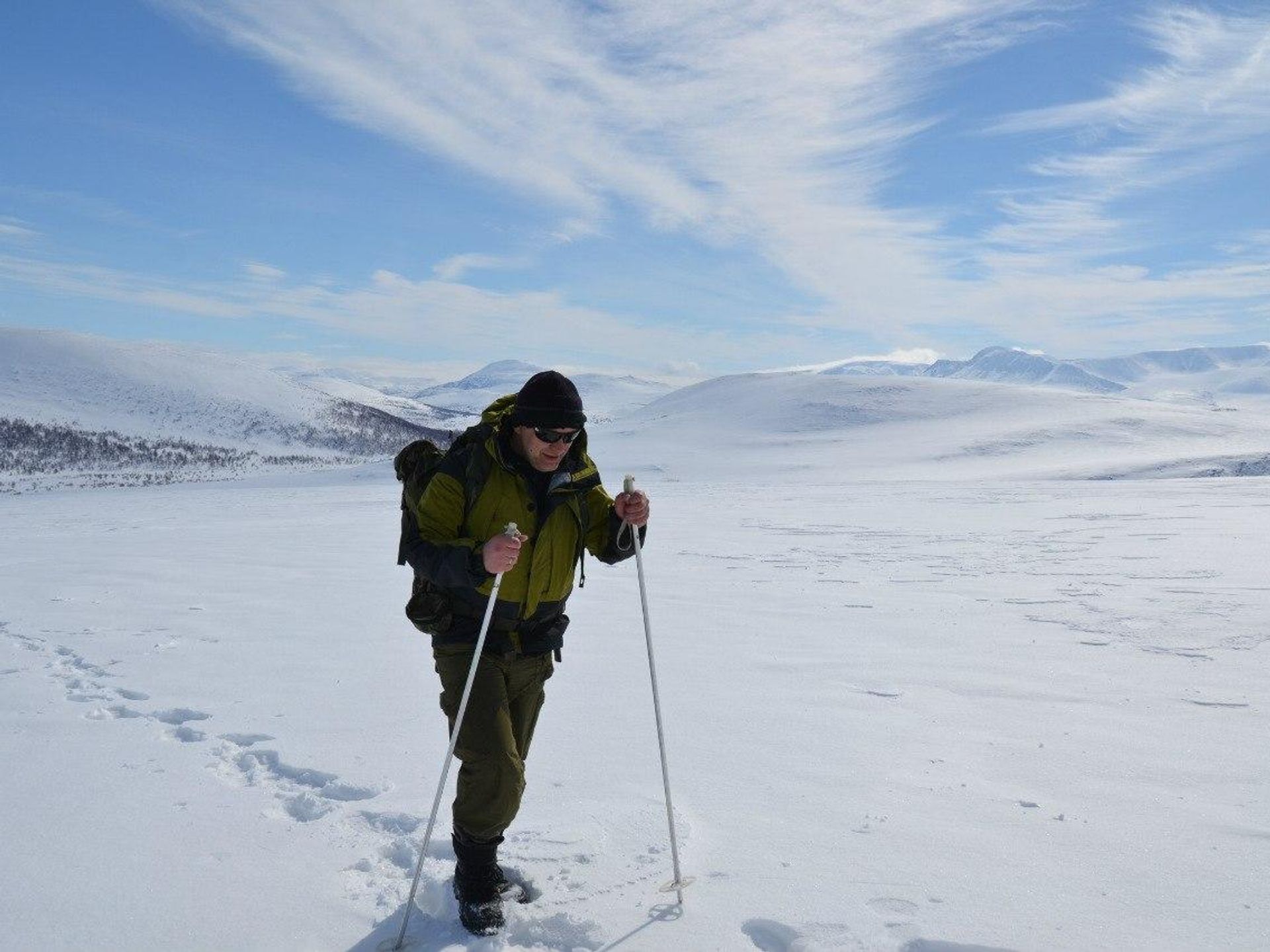
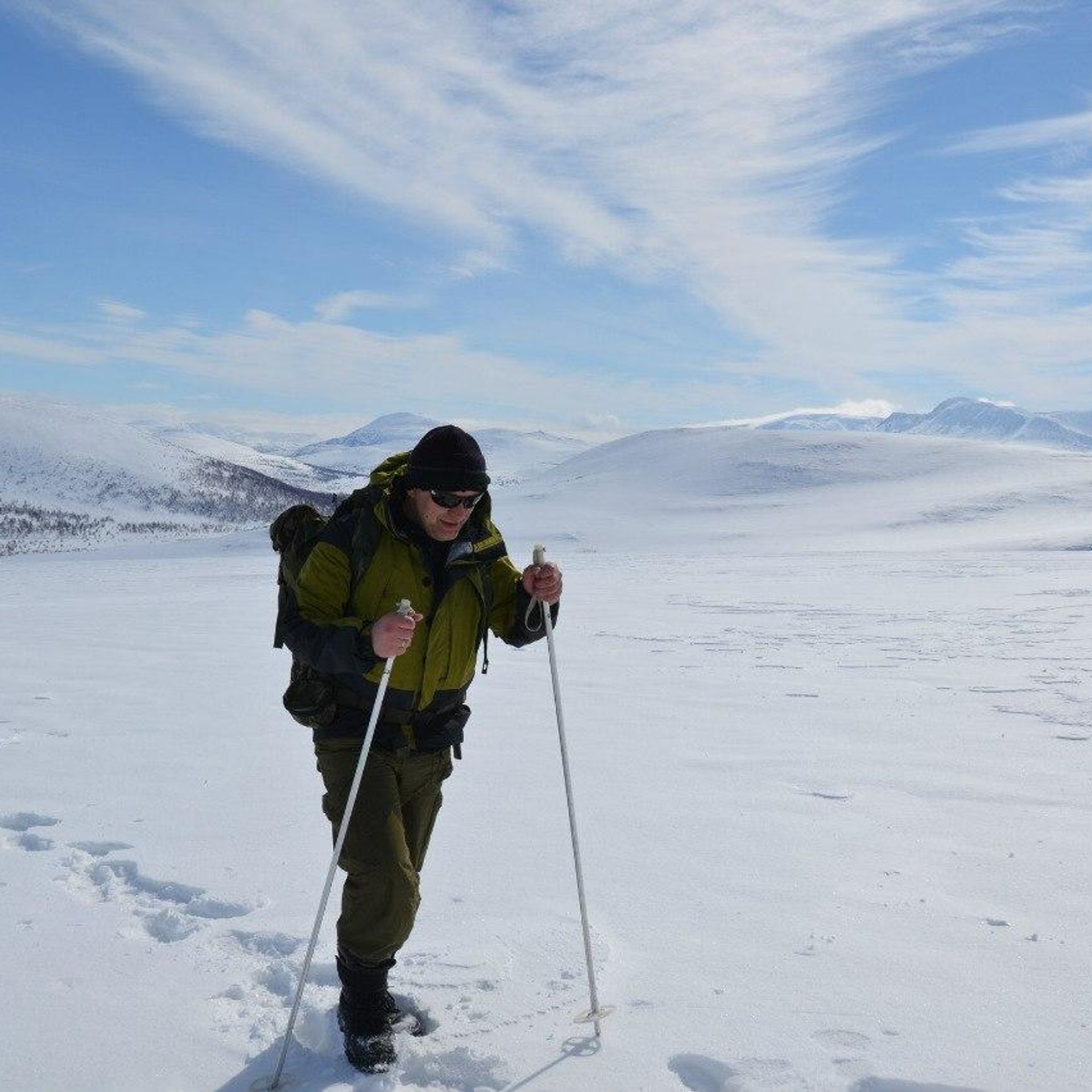
− Having spent my entire adult life in the Arctic, I think people stay either for the high salaries or because they genuinely love the Arctic landscape and prefer an active lifestyle. I’m one of the latter. I found my sport here – hiking and mountaineering in the Polar Urals, and river rafting.
Tell me about your most beautiful climb.
− I went mountaineering for the first time in 2013. Mount Pendirmape – which means “mountain of thunderclaps” in Nenets – is about 80 kilometers from Vorkuta. We took the train, got off at the station, then skied 12 kilometers and set up camp. The climb took about seven hours. We were wearing harnesses and crampons. It was tough – the terrain was wild, and there was no cell service. Our friends encouraged us, saying, “We have to keep going.” We reached the summit, but just as we did, a snowstorm hit – we didn’t even get to see any views. But I gained something much more important: a sense of having pushed past my own limits. That feeling really overwhelmed me. Ever since, I’ve tried to go back to the Polar Urals every year to conquer new peaks.


1/8
In the Polar Urals, November 2015.
© Sergei Palnikov
2/8
A group of tourists in a snow storm, Polar Urals, May 2015.
© Sergei Palnikov
3/8
Summit ascent, Polar Urals, May 2015.
© Sergei Palnikov
4/8
Summit ascent, Polar Urals, May 2015.
© Sergei Palnikov
5/8
Camp near the Bolshoy Paipudynsky Ridge, Polar Urals, 2021.
© Sergei Palnikov
6/8
Rafting down River Sob, 2024
© Sergei Palnikov
7/8
Ascension to Mount Pendirmape, Polar Urals, 2014.
© Sergei Palnikov
8/8
A lake in the Polar Urals and a view of the Dinozavr peak, the Rayiz mountain range, 2018.
© Sergei Palnikov
You’ve been traveling for almost 15 years. What advice would you give to someone going on a hike?
− The most important thing is a good attitude and the willingness to overcome whatever comes your way. The weather can be unpredictable – sometimes it pours rain and you get soaked through. You’re climbing, taking a shower in the rain, and you can’t see a thing. It might make you wonder, what are you even doing out here? But you have to treat hikes as relaxation and a change of scenery. Then everything falls into place. If someone sees it as suffering and complains the whole time, they’ll ruin the trip for everyone.
If you could change something in your life, would you still go to the Arctic?
− I have relatives in central Russia, and they tell me about their lives there, and I listen. But I can tell them a little more – I can tell them about the North.
What advice would you give to young people who are unsure whether they should dedicate their lives to service in the Arctic?
− Be confident and don’t be afraid to try something new. The Arctic is the future of Russia. The slogan at the Vorkuta train station still reads: “Vorkuta – the outpost of Arctic development.” If you feel confident and motivated, come. This is work for real men.