https://en.arctic.ru
FEFU scientists develop innovative technology to extend service life of Arctic ice roads
FEFU scientists develop innovative technology to extend service life of Arctic ice roads
Arctic.ru: Discover how Russia implements its development goals in the Arctic and the Far East
2026-09-08T16:36
2026-09-08T16:36
2026-09-09T09:23
news
infrastructure
science and technology
/img/07ea/09/08/1728081_0:66:3410:1984_1920x0_80_0_0_3fbdb7779fa458543f29c8e1724881a0.jpg
A team from Far Eastern Federal University’s Asia-Pacific New Materials and Chemistry Advanced Engineering School presented a prototype geosynthetic product designed to reinforce ice roads in the Arctic at an exhibition held as part of the 11th Eastern Economic Forum, according to the university’s website.Up to 28,000 kilometers of winter roads are built in Russia each year, providing access to remote settlements and oil fields during the freezing season. However, rising average annual temperatures in the Arctic are steadily shortening the period when these roads can be used. The unique new material reflects solar heat, helping to extend the service life of the road surface.According to Konstantin Frolov, a research fellow at the Advanced Engineering School and Associate Professor at FEFU’s Department of Oil and Gas Technologies and Petrochemistry, the material can be installed using standard road construction equipment at sub-zero temperatures, with no special conditions required. It is cost-effective and can be reused for three to five winter seasons.“The product is made from polymer materials supplied by Russian companies,” Konstantin Frolov explained.The prototype developed by the scientists consists of three main elements. Ribbed threads and a multilayer structure increase the strength of the road surface and its resistance to impacts and vibrations caused by passing vehicles. Specialized sections on the surface of the cells retain their properties even after repeated freeze-thaw cycles, while light-colored pigments reflect sunlight, slowing the warming of the ice base and preventing the road from melting prematurely.The material will now undergo pilot testing on Arctic roads.
https://en.arctic.ru/20260331/1362113.html
2026
Новости
ru-RU
https://en.arctic.ru/docs/about/copyright.html
https://xn--c1acbl2abdlkab1og.xn--p1ai/
/img/07ea/09/08/1728081_340:0:3071:2048_1920x0_80_0_0_3f70b0469ee03402f7a7f4ab71118898.jpgnews, infrastructure, science and technology
FEFU scientists develop innovative technology to extend service life of Arctic ice roads
A team from Far Eastern Federal University’s Asia-Pacific New Materials and Chemistry Advanced Engineering School presented a prototype geosynthetic product designed to reinforce ice roads in the Arctic at an exhibition held as part of the 11th Eastern Economic Forum, according to the university’s website.
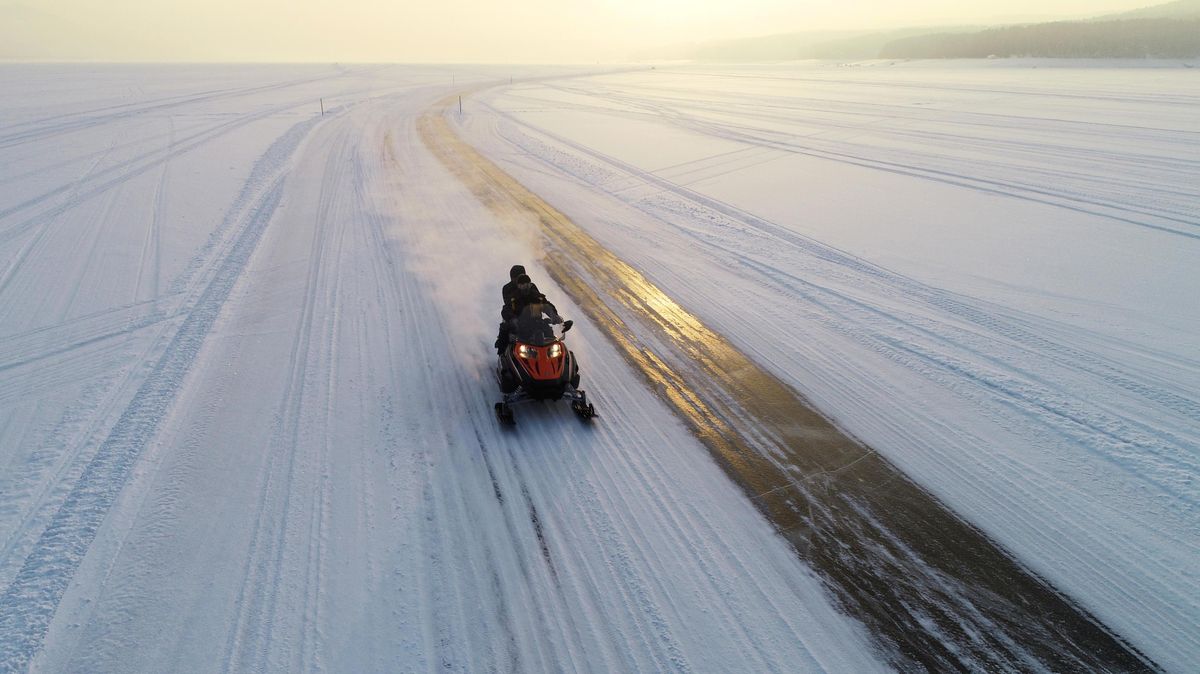
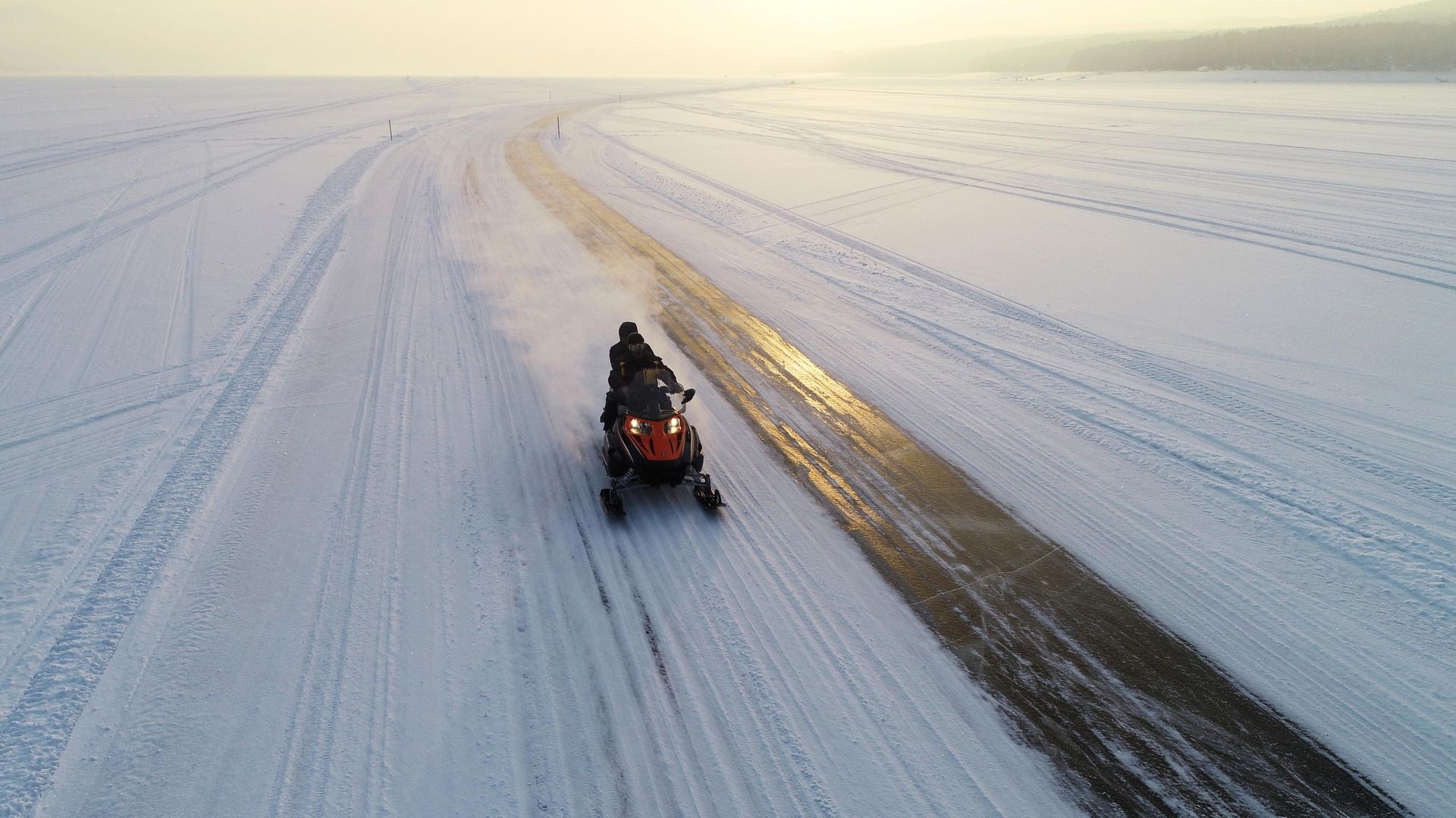
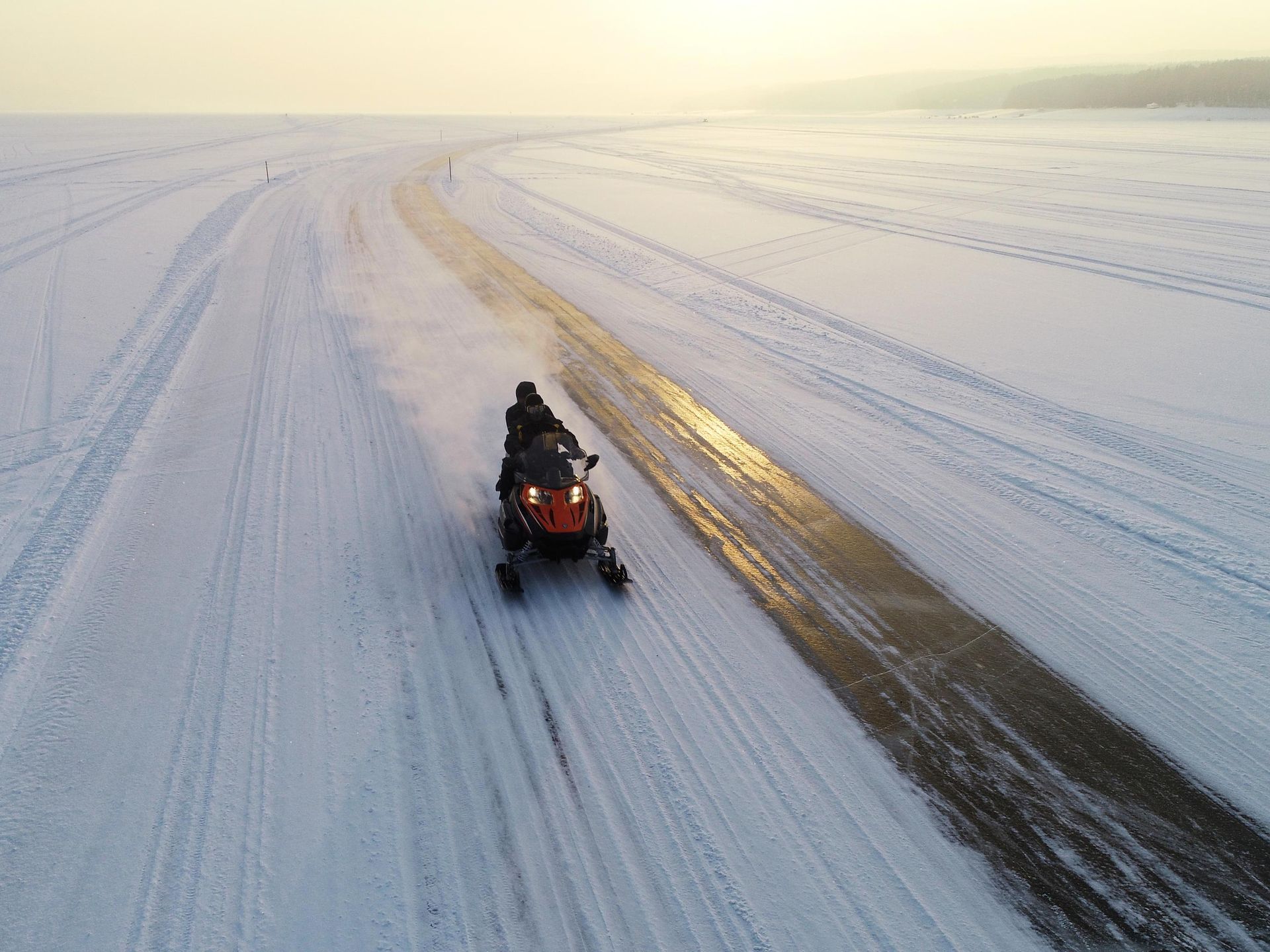
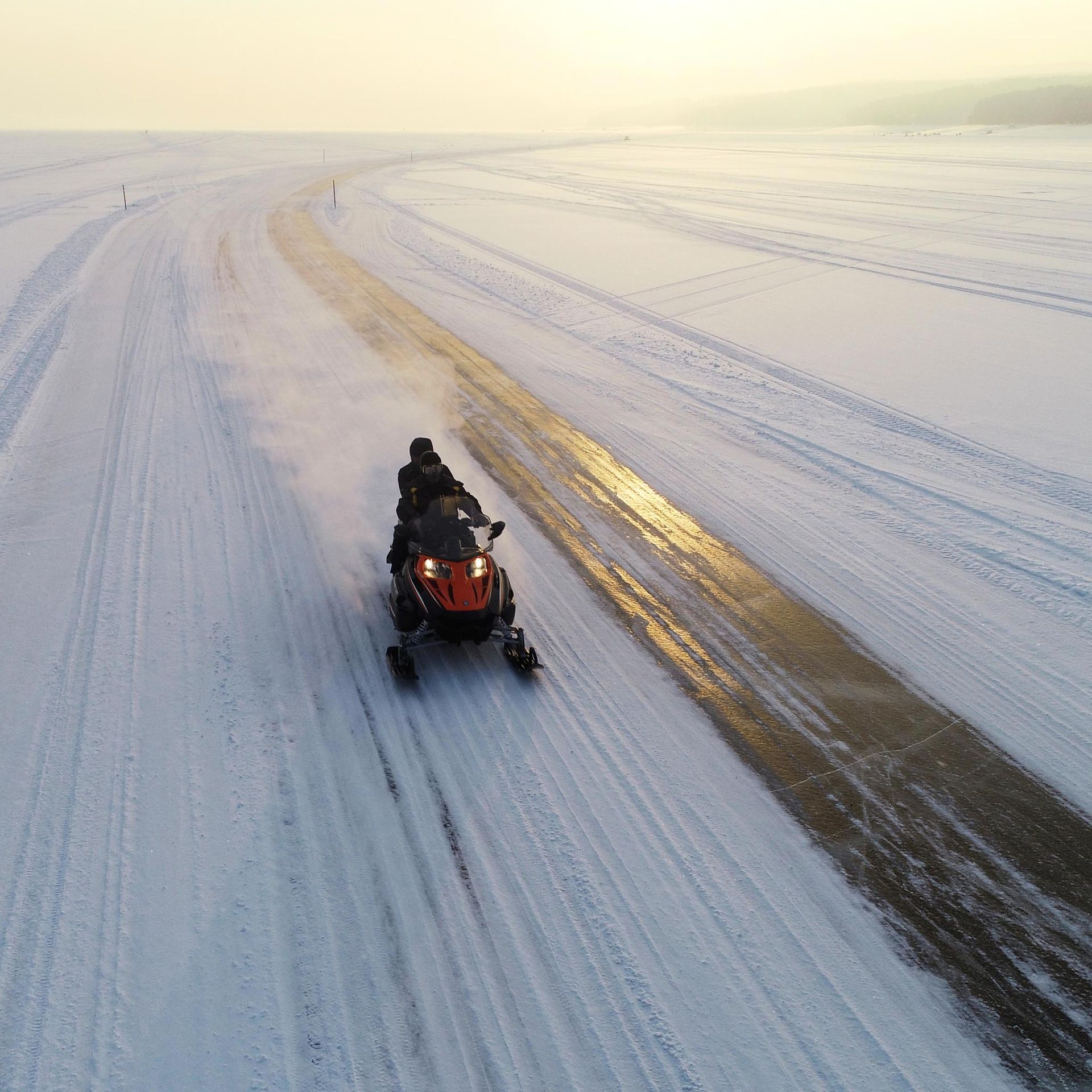
Up to 28,000 kilometers of winter roads are built in Russia each year, providing access to remote settlements and oil fields during the freezing season. However, rising average annual temperatures in the Arctic are steadily shortening the period when these roads can be used. The unique new material reflects solar heat, helping to extend the service life of the road surface.
According to Konstantin Frolov, a research fellow at the Advanced Engineering School and Associate Professor at FEFU’s Department of Oil and Gas Technologies and Petrochemistry, the material can be installed using standard road construction equipment at sub-zero temperatures, with no special conditions required. It is cost-effective and can be reused for three to five winter seasons.
“The product is made from polymer materials supplied by Russian companies,” Konstantin Frolov explained.
The prototype developed by the scientists consists of three main elements. Ribbed threads and a multilayer structure increase the strength of the road surface and its resistance to impacts and vibrations caused by passing vehicles. Specialized sections on the surface of the cells retain their properties even after repeated freeze-thaw cycles, while light-colored pigments reflect sunlight, slowing the warming of the ice base and preventing the road from melting prematurely.
The material will now undergo pilot testing on Arctic roads.