https://en.arctic.ru
Vladimir Putin: Russia is proceeding to the next stage in Far East development
Vladimir Putin: Russia is proceeding to the next stage in Far East development
Arctic.ru: Discover how Russia implements its development goals in the Arctic and the Far East
2026-09-03T12:40
2026-09-03T12:40
2026-09-03T16:39
news
vladimir putin
far eastern federal district
arctic zone of russia
infrastructure
science and technology
social affairs
/img/07ea/09/03/1716995_0:0:3000:1688_1920x0_80_0_0_bc3299d7d245052ee6337f503dd44a3d.jpg
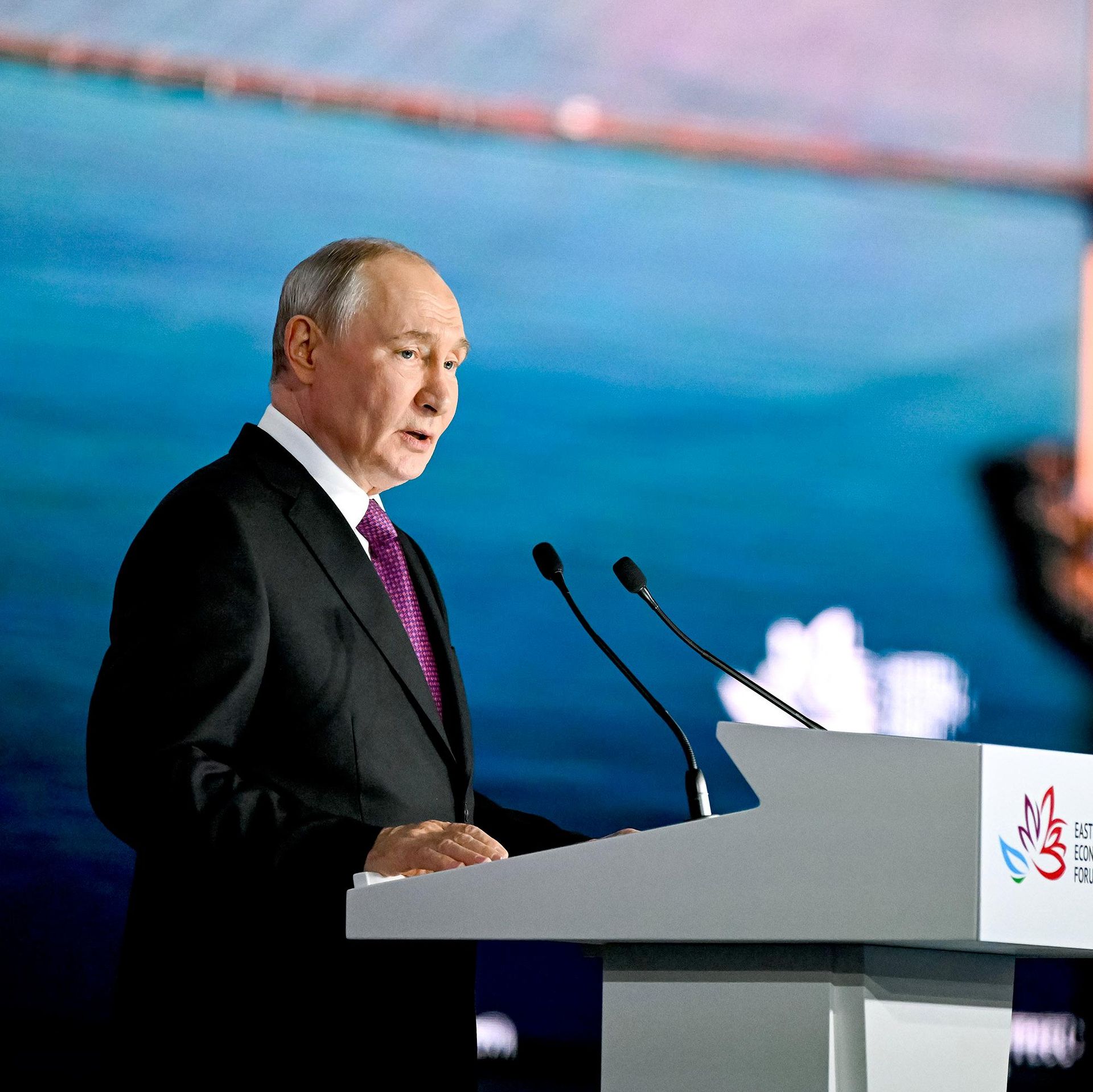
The key priorities for the advanced development of the Far East through 2036 are infrastructure, innovative technologies, and the social sector, Vladimir Putin affirmed at the plenary session of the Eastern Economic Forum.“We are proceeding to the next stage, the implementation of the updated Development Strategy for the Far Eastern Federal District for the next ten years, through 2036,” the President declared.Vladimir Putin noted that key macroeconomic indicators in the Far East currently outpace the national average. Over the past 11 years, the Gross Regional Product has more than tripled, while the unemployment rate has dropped to a record low for the district of 2.2 percent.According to Vladimir Putin, the Far Eastern Federal District and the Arctic must serve as testing grounds for bold engineering innovations. Beginning on January 1, 2027, a special legal regime will be established in the region to facilitate the testing of advanced technological solutions.“Its essence lies in the swift, unhindered testing of the latest technologies,” the President explained.Plans include building state-of-the-art data centers in the Far Eastern and Arctic regions; to this end, Vladimir Putin instructed Russian Railways to expand high-speed quantum communication networks into these areas. Electrification projects will be undertaken to provide reliable energy supplies, including the deployment of small nuclear power plants. The President further called for the development of next-generation transport solutions in the Far Eastern Federal District and the Arctic, including autonomous vehicles.To attract skilled professionals, it is essential to provide robust infrastructure – roads, schools, and medical centers – across the region. Master plans for social development have been prepared for this purpose, developed with input from both residents and specialists.Additionally, the head of state highlighted progress in developing the Trans-Arctic Transport Corridor, which is intended to ensure flexibility and security for international supply chains, unlock new transit and coastal shipping opportunities, and guarantee uninterrupted Northern Deliveries to Arctic regions amid growing risks to global shipping and trade.“We have set the goal of ensuring year-round navigation along this route. To achieve this, we are constructing icebreakers and ice-class vessels, expanding the service and rescue fleet, expanding the satellite constellation, and upgrading ports, including Dikson, Pevek, Tiksi, Arkhangelsk, and Sabetta. Work is underway in virtually all of these areas,” Vladimir Putin emphasized.The President also talked about the upcoming launch of a major oil pipeline to the new Bukhta Sever terminal at the Vostok Oil project in the Krasnoyarsk Territory, as well as plans to integrate Arctic marine terminals with railway and inland waterway systems.“Overall, we anticipate that by the end of this decade, cargo volume along the Trans-Arctic Corridor will reach at least 70 million metric tons per year – effectively doubling the current level,” the head of state added.
https://en.arctic.ru/20260902/1717823.html
2026
Новости
ru-RU
https://en.arctic.ru/docs/about/copyright.html
https://xn--c1acbl2abdlkab1og.xn--p1ai/
/img/07ea/09/03/1716995_0:0:2680:2009_1920x0_80_0_0_009d1dec668390a9045c89ec55d25f1b.jpgnews, vladimir putin, far eastern federal district, arctic zone of russia, infrastructure, science and technology, social affairs
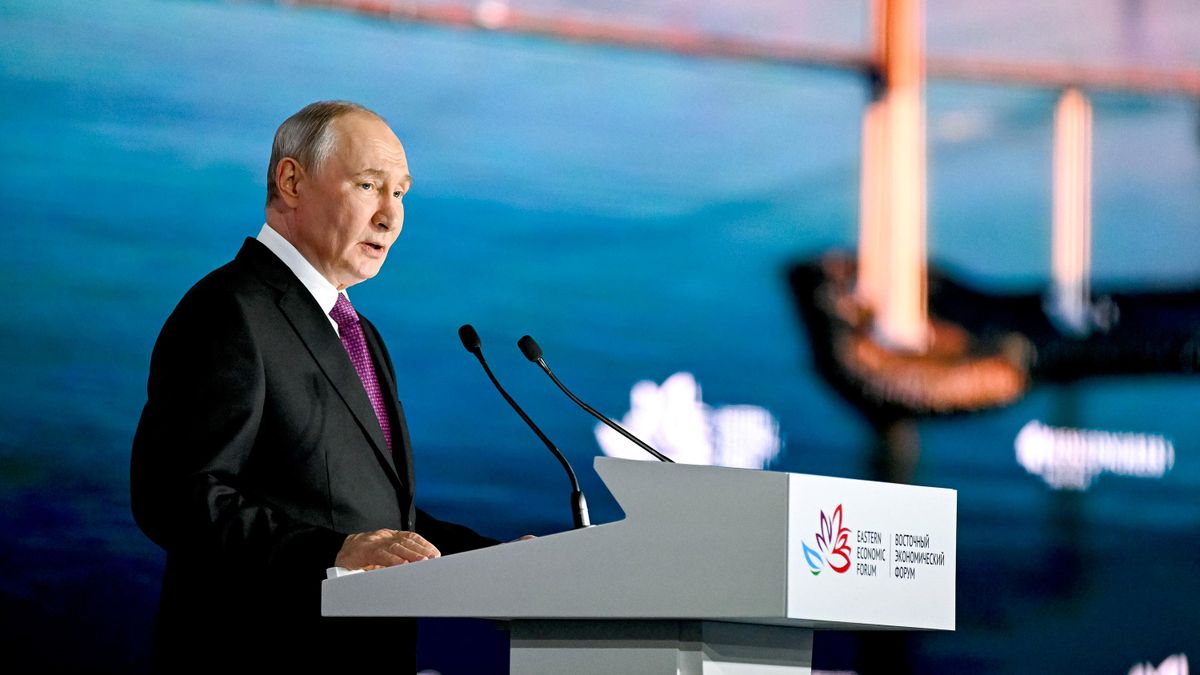
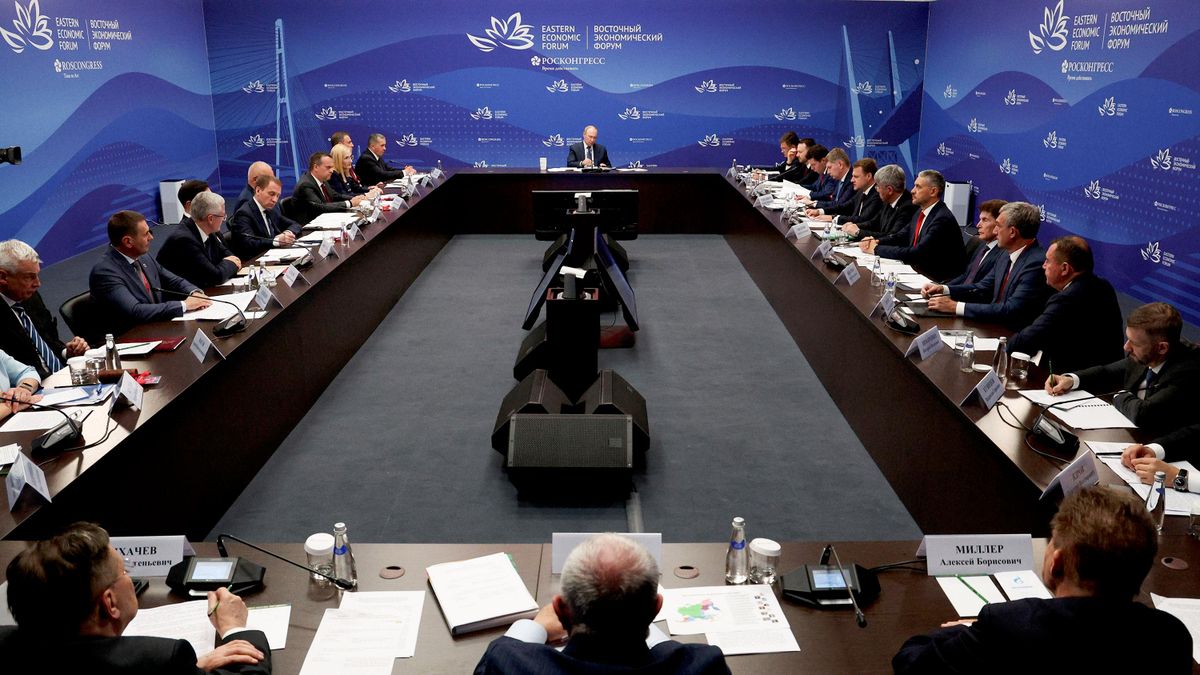
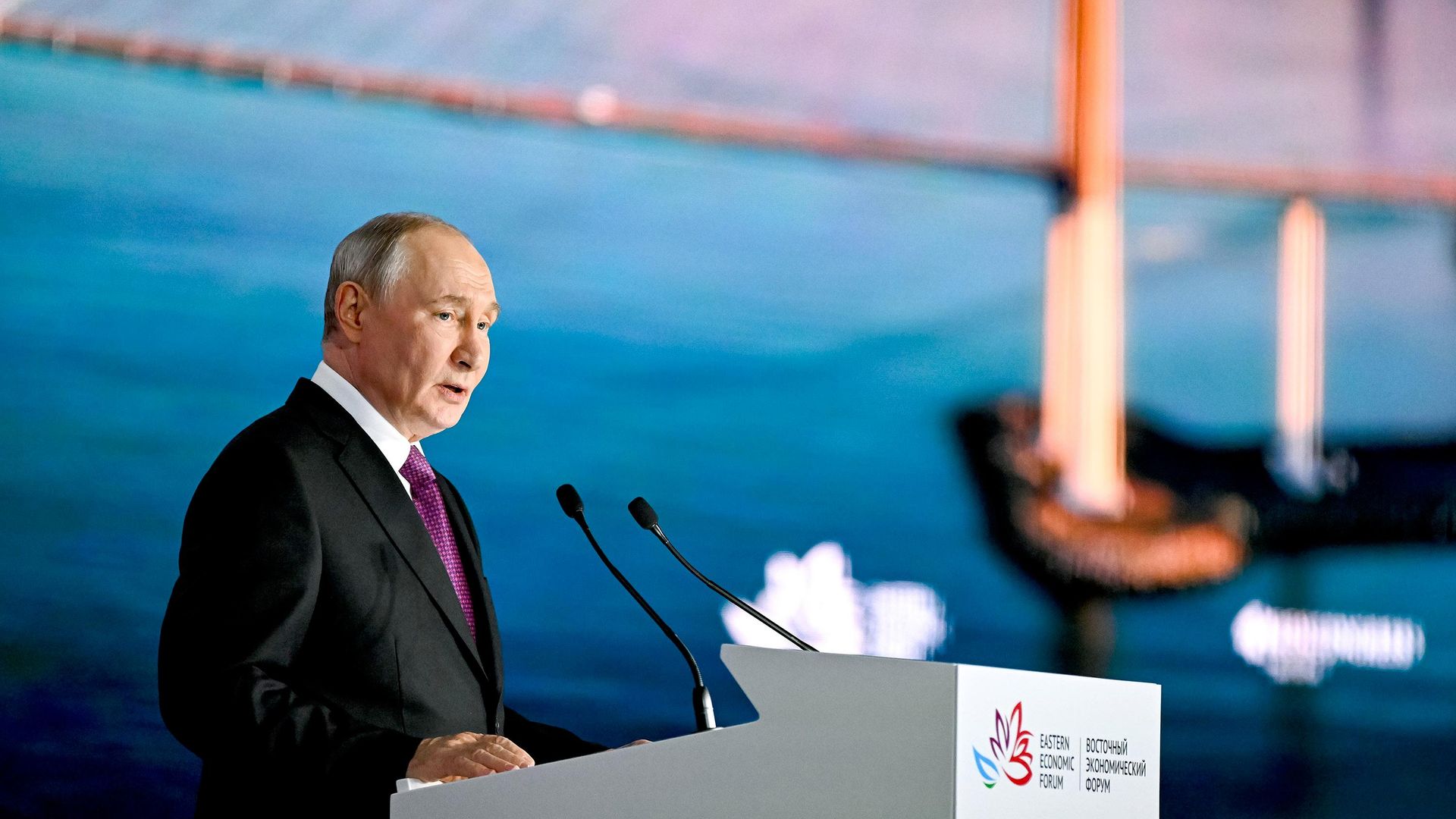
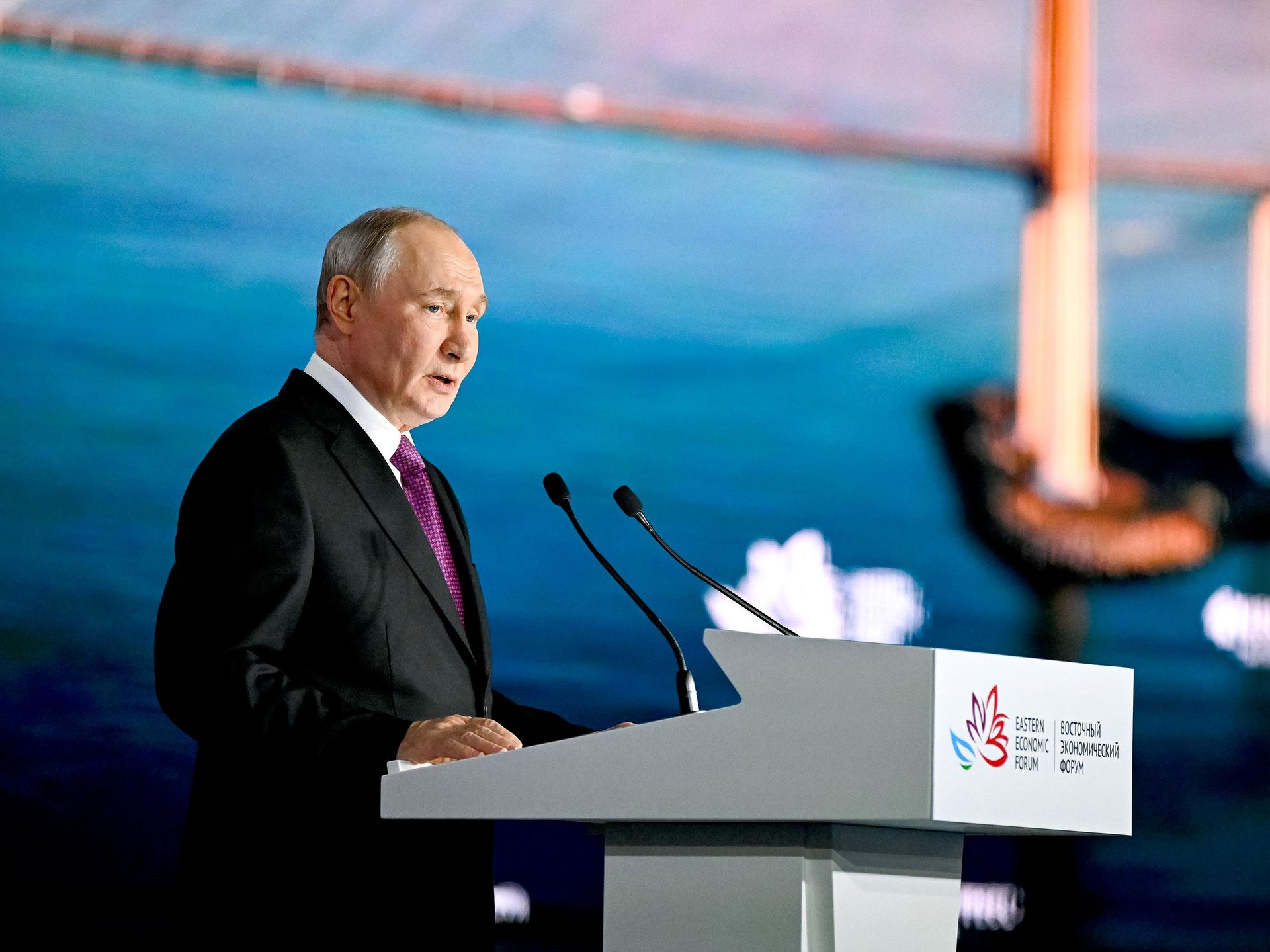
The key priorities for the advanced development of the Far East through 2036 are infrastructure, innovative technologies, and the social sector, Vladimir Putin affirmed at the plenary session of the Eastern Economic Forum.
“We are proceeding to the next stage, the implementation of the updated Development Strategy for the Far Eastern Federal District for the next ten years, through 2036,” the President declared.
Vladimir Putin noted that key macroeconomic indicators in the Far East currently outpace the national average. Over the past 11 years, the Gross Regional Product has more than tripled, while the unemployment rate has dropped to a record low for the district of 2.2 percent.
“This is precisely what we set out to achieve when we declared the region’s development a strategic priority for Russia throughout the 21st century. This is our shared success – a tangible result,” the head of state said.
According to Vladimir Putin, the Far Eastern Federal District and the Arctic must serve as testing grounds for bold engineering innovations. Beginning on January 1, 2027, a special legal regime will be established in the region to facilitate the testing of advanced technological solutions.
“Its essence lies in the swift, unhindered testing of the latest technologies,” the President explained.
Plans include building state-of-the-art data centers in the Far Eastern and Arctic regions; to this end, Vladimir Putin instructed Russian Railways to expand high-speed quantum communication networks into these areas. Electrification projects will be undertaken to provide reliable energy supplies, including the deployment of small nuclear power plants. The President further called for the development of next-generation transport solutions in the Far Eastern Federal District and the Arctic, including autonomous vehicles.
To attract skilled professionals, it is essential to provide robust infrastructure – roads, schools, and medical centers – across the region. Master plans for social development have been prepared for this purpose, developed with input from both residents and specialists.
“It is encouraging that, according to surveys, more than half of the residents of cities and metropolitan areas where master plans are in place report positive changes and view the ongoing work favorably,” the President noted.
Additionally, the head of state highlighted progress in developing the Trans-Arctic Transport Corridor, which is intended to ensure flexibility and security for international supply chains, unlock new transit and coastal shipping opportunities, and guarantee uninterrupted Northern Deliveries to Arctic regions amid growing risks to global shipping and trade.
“We have set the goal of ensuring year-round navigation along this route. To achieve this, we are constructing icebreakers and ice-class vessels, expanding the service and rescue fleet, expanding the satellite constellation, and upgrading ports, including Dikson, Pevek, Tiksi, Arkhangelsk, and Sabetta. Work is underway in virtually all of these areas,” Vladimir Putin emphasized.
The President also talked about the upcoming launch of a major oil pipeline to the new Bukhta Sever terminal at the Vostok Oil project in the Krasnoyarsk Territory, as well as plans to integrate Arctic marine terminals with railway and inland waterway systems.
“Overall, we anticipate that by the end of this decade, cargo volume along the Trans-Arctic Corridor will reach at least 70 million metric tons per year – effectively doubling the current level,” the head of state added.