14:31 02.09.2026
Murmansk Region senator: New preferential regime must be convenient for small businesses
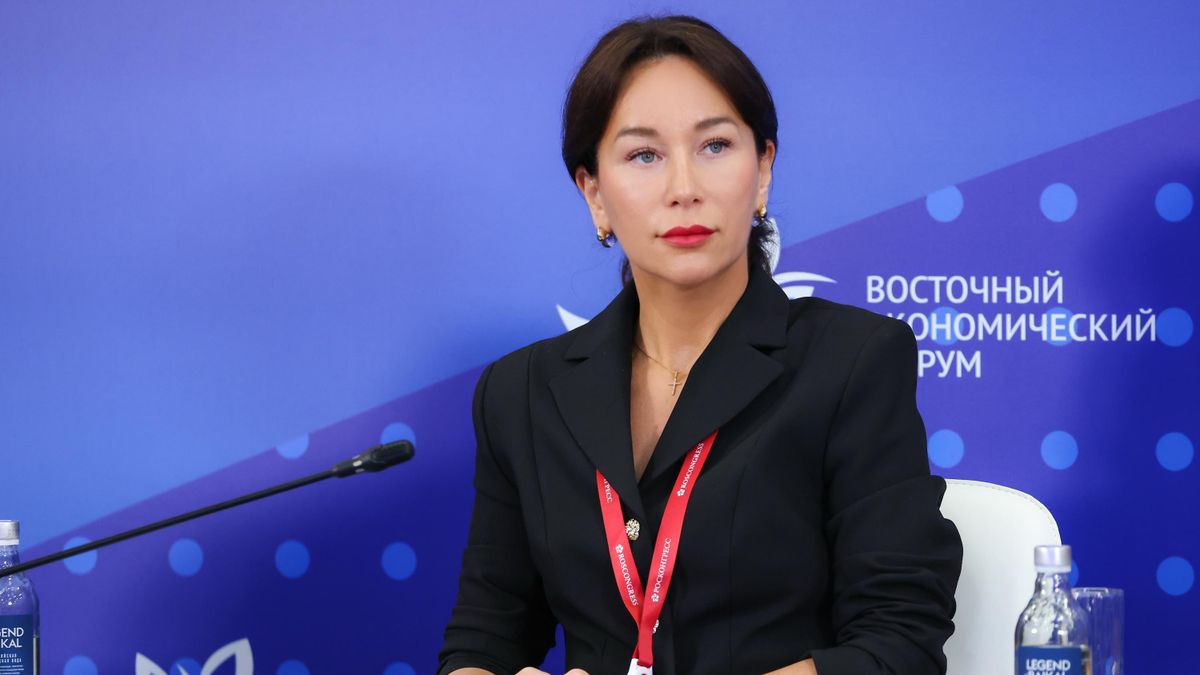
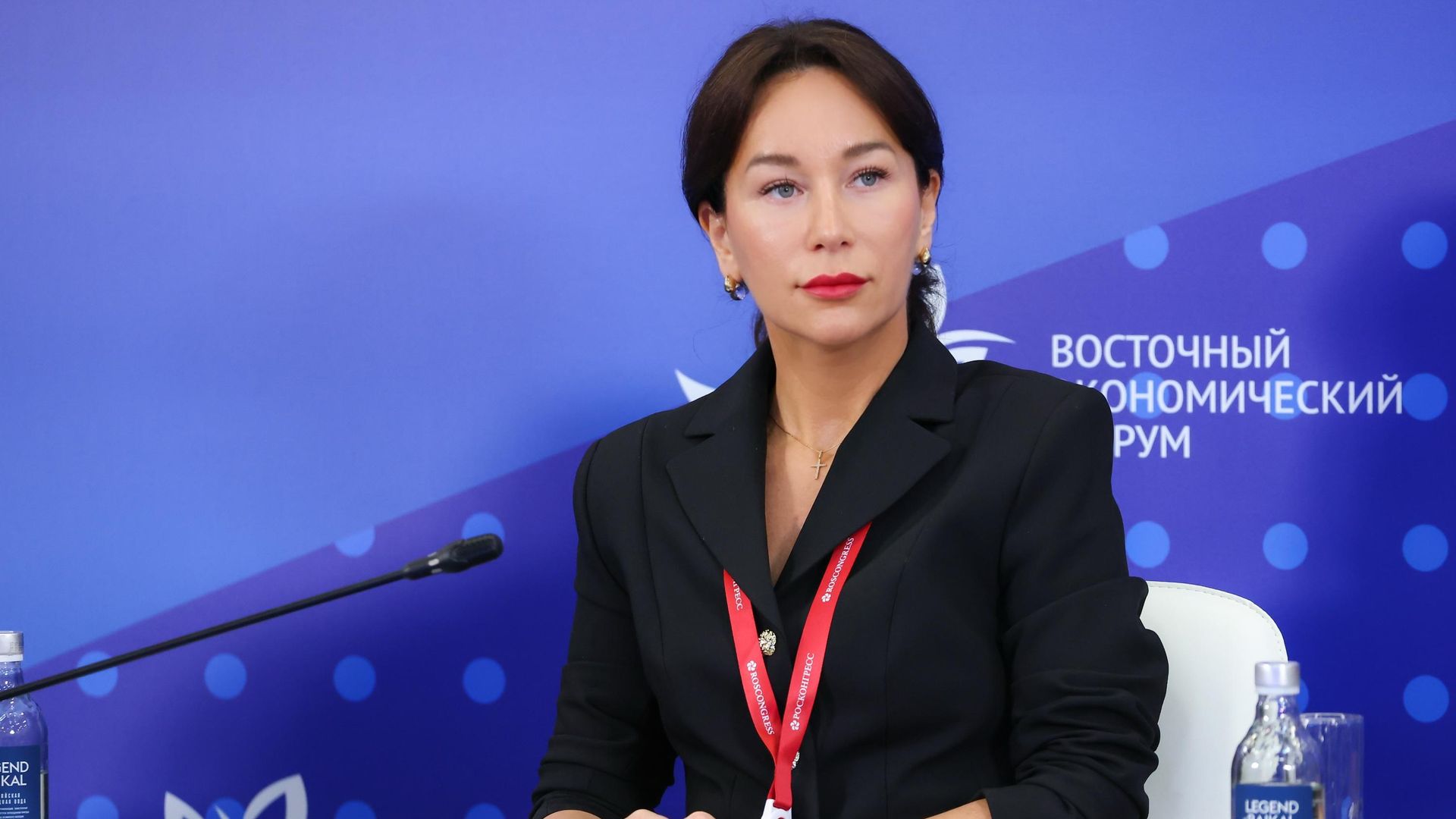
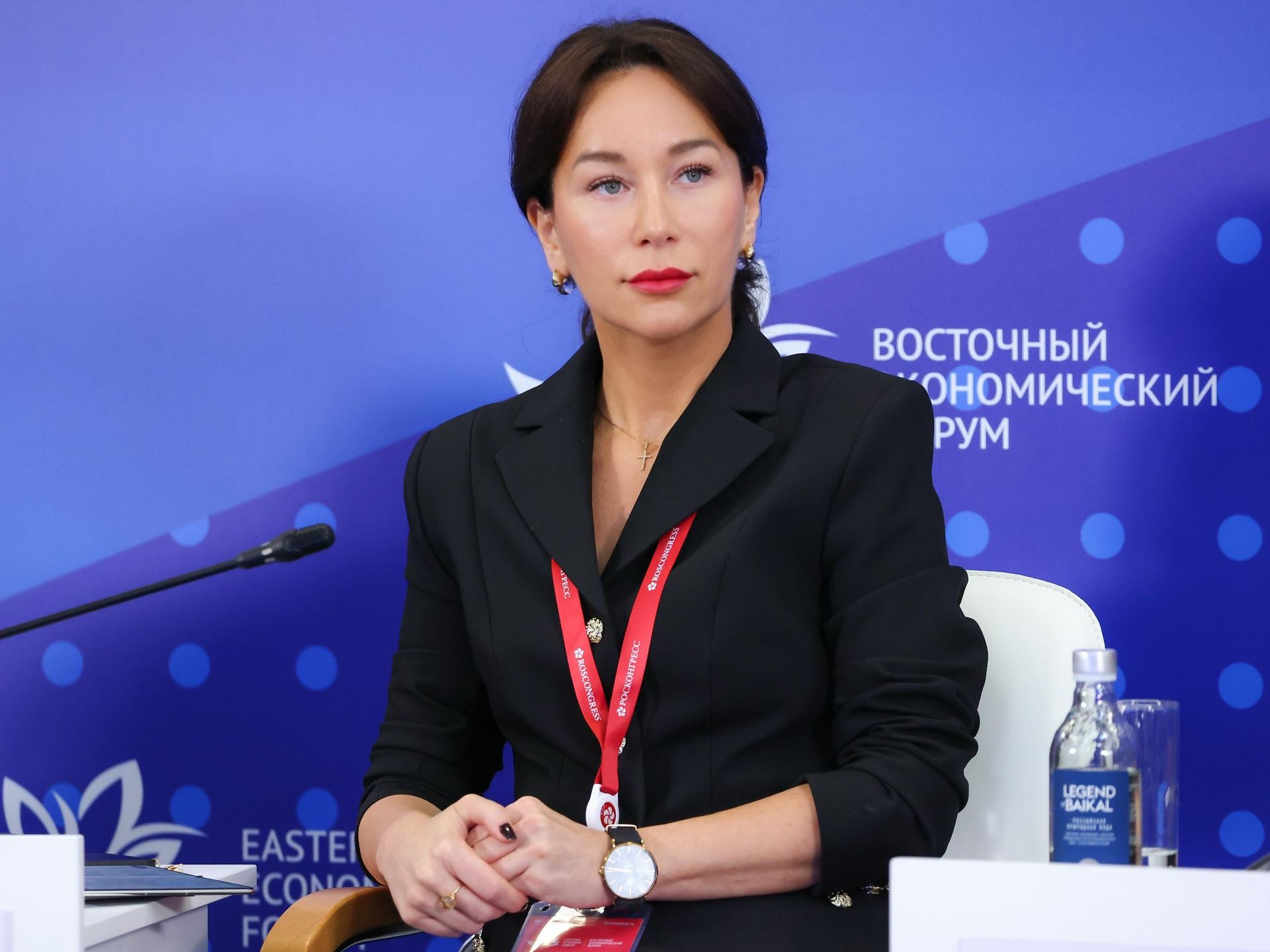
© Roscongress Foundation. Photo by Sergey Lukin
As expected, starting January 1, 2027, a unified territory of advanced development (UTAD) will begin to function in the Russian Far East and the. The project will comprise the existing preferential regimes, with more focus on new investment and modern technology.
According to Yelena Dyagileva, member of the Federation Council Committee on Budgeting and Financial Markets and senator from the Murmansk Region, the new preferential regime will integrate and unify all existing support mechanisms and will serve the interests of both large investors and SMEs.
Speaking to Arctic.ru correspondent, Yelena Dyagileva noted that the development strategy for the Far East is not just a macroeconomic document but a plan of specific improvements for local residents.
“Small and medium-sized businesses play an important role here. When we speak about preferential regimes, it is important to understand that they apply to projects of all scales,” the senator stressed.
The senator clarified that megaprojects certainly create thousands of jobs and provide a considerable taxation base. However, because their workforce is primarily rotational since they are important for construction of the enterprises but they are not a driver of the region’s development.
According to Yelena Dyagileva, member of the Federation Council Committee on Budgeting and Financial Markets and senator from the Murmansk Region, the new preferential regime will integrate and unify all existing support mechanisms and will serve the interests of both large investors and SMEs.
Speaking to Arctic.ru correspondent, Yelena Dyagileva noted that the development strategy for the Far East is not just a macroeconomic document but a plan of specific improvements for local residents.
“Small and medium-sized businesses play an important role here. When we speak about preferential regimes, it is important to understand that they apply to projects of all scales,” the senator stressed.
The senator clarified that megaprojects certainly create thousands of jobs and provide a considerable taxation base. However, because their workforce is primarily rotational since they are important for construction of the enterprises but they are not a driver of the region’s development.
“Employment for local residents – and locals’ quality of life – relies greatly on smaller companies like bakeries, coffee shops, customer service centers, and small manufacturing workshops,” she believes.
Yelena Dyagileva notes that SMEs in the Arctic and the Far East is not a secondary sector of the economy.
“These are actual jobs that are close to people’s homes; they create the availability of goods and services, sustain municipalities, and improve the quality of life. This is essential for remote and scarcely populated areas,” she said.
SMEs provide certain support to the state and drive economy-diversifying industries. As an example, Dyagileva quoted the region’s development data over the past decade: since 2015, 4,000 investment projects with 13 trillion rubles in total have been launched in the Arctic and the Far East with state support, creating 193,000 new jobs.
“The Murmansk Region is entirely located within the Polar Circle; therefore, it was extremely important for our region to extend the super-concessional regimes to this territory. Governor Andrei Chibis’s initiative allowed the Kola Peninsula to gain the largest number of business residents, of which 90 percent are small and medium-sized businesses,” the senator said.
Residents of the Russian Arctic have already implemented 65 projects. Fifty-four belong to small companies, as do over 1,300 jobs of the total 3,400.
“During the first six months, the Murmansk Region reached the top three of the Northwestern Federal District regions for tourist traffic growth. It is the Russian Arctic residents who are primarily responsible for the quality of tourist services,” Yelena Dyagileva revealed.
Another example from the Murmansk Region concerns the construction of gas stations in Teriberka, Pechenga, Lovozero and Alakurtti – areas far away from federal highways. The gas stations were also built by SMEs.
“They are located close to the residential areas of the indigenous population and popular tourist destinations, proving once again that small businesses often act as trailblazers where large investors will take a long time to assess risks,” the senator believes.
Yelena Dyagileva also pointed out the importance of lifting the bureaucratic burden. There are several preferential regimes available today – the territory of advanced development program, the Free Port of Vladivostok, the Russian Arctic preferential regime, and the Kuril Islands preferential regime. Each has its own legal specifics.
“These are actual jobs that are close to people’s homes; they create the availability of goods and services, sustain municipalities, and improve the quality of life. This is essential for remote and scarcely populated areas,” she said.
SMEs provide certain support to the state and drive economy-diversifying industries. As an example, Dyagileva quoted the region’s development data over the past decade: since 2015, 4,000 investment projects with 13 trillion rubles in total have been launched in the Arctic and the Far East with state support, creating 193,000 new jobs.
“The Murmansk Region is entirely located within the Polar Circle; therefore, it was extremely important for our region to extend the super-concessional regimes to this territory. Governor Andrei Chibis’s initiative allowed the Kola Peninsula to gain the largest number of business residents, of which 90 percent are small and medium-sized businesses,” the senator said.
Residents of the Russian Arctic have already implemented 65 projects. Fifty-four belong to small companies, as do over 1,300 jobs of the total 3,400.
“During the first six months, the Murmansk Region reached the top three of the Northwestern Federal District regions for tourist traffic growth. It is the Russian Arctic residents who are primarily responsible for the quality of tourist services,” Yelena Dyagileva revealed.
Another example from the Murmansk Region concerns the construction of gas stations in Teriberka, Pechenga, Lovozero and Alakurtti – areas far away from federal highways. The gas stations were also built by SMEs.
“They are located close to the residential areas of the indigenous population and popular tourist destinations, proving once again that small businesses often act as trailblazers where large investors will take a long time to assess risks,” the senator believes.
Yelena Dyagileva also pointed out the importance of lifting the bureaucratic burden. There are several preferential regimes available today – the territory of advanced development program, the Free Port of Vladivostok, the Russian Arctic preferential regime, and the Kuril Islands preferential regime. Each has its own legal specifics.
“For large investors who have entire departments in charge of maintaining projects, it is a solvable task, but small businesses often find it too big a challenge,” she agrees.
That is why the key goal today is to create an integrated legal contour and a transparent menu of tools. The decision would simplify procedures for investors and introduce the same rules for businesses in any part of the Russian Far East and the Arctic.
“It won’t be necessary to weigh up the advantages of any particular region,” Dyagileva says.
“It won’t be necessary to weigh up the advantages of any particular region,” Dyagileva says.
Investors will also gain access to certain concessions, including tax concessions, infrastructure support and administrative support. They will be able to decide what specific privileges are important for making a decision.