https://en.arctic.ru
Arkhangelsk Region and Belarus expand cooperation in science
Arkhangelsk Region and Belarus expand cooperation in science
Arctic.ru: Discover how Russia implements its development goals in the Arctic and the Far East
2026-08-25T18:22
2026-08-25T18:22
2026-08-25T18:22
news
arkhangelsk region
international cooperation
science and technology
/img/07ea/08/19/1700031_0:0:800:450_1920x0_80_0_0_70c83137812609e197982b90d200c4c5.jpg
The Arkhangelsk Region and the National Academy of Sciences of Belarus have signed an agreement establishing long-term cooperation in science, science and technology, and innovation, the regional government’s press service reports.The agreement covers a broad range of areas, including reforestation and forest regeneration, advanced processing of plant materials and wood waste, sustainable natural resource management, environmental research, agro-industrial and construction technologies, medicine, biotechnology, new materials, ICT, and water treatment technologies.“All these areas are important to the Arkhangelsk Region not only from a scientific perspective, but also in terms of their direct practical applications,” Governor of the Arkhangelsk Region Alexander Tsybulsky emphasized.According to the governor, the Arkhangelsk Region is a major scientific and educational center for Arctic research. It is home to the Federal Center for Integrated Arctic Research, Northern (Arctic) Federal University, which has a strong research base, and Northern State Medical University, which also conducts research.Vladimir Karanik, Chairman of the Presidium of the National Academy of Sciences of Belarus, noted that the academy currently brings together more than 100 scientific and manufacturing organizations, including a polar research center.“The center focuses primarily on the South Pole, so this is an important point of contact with the Arkhangelsk Region, given your extensive Arctic research,” he said.Karanik also highlighted forest regeneration based on genetic selection, research into environmental microplastic pollution, as well as mechanical engineering, and information systems as other areas of potential cooperation.The two sides also discussed research into the extraction and advanced processing of peat, with the Arkhangelsk Region’s peat reserves estimated at more than 700 million metric tons. The Institute of Nature Management of the National Academy of Sciences of Belarus is already working with regional enterprises in this area.“We regard this project as a good example of what modern scientific and industrial cooperation should look like – when research expertise is directly linked to business opportunities and the needs of a specific region,” Tsybulsky said.
https://en.arctic.ru/20260825/1700703.html
2026
Новости
ru-RU
https://en.arctic.ru/docs/about/copyright.html
https://xn--c1acbl2abdlkab1og.xn--p1ai/
/img/07ea/08/19/1700031_64:0:775:533_1920x0_80_0_0_d083b128e74429b61d76792a54095a81.jpgnews, arkhangelsk region, international cooperation, science and technology
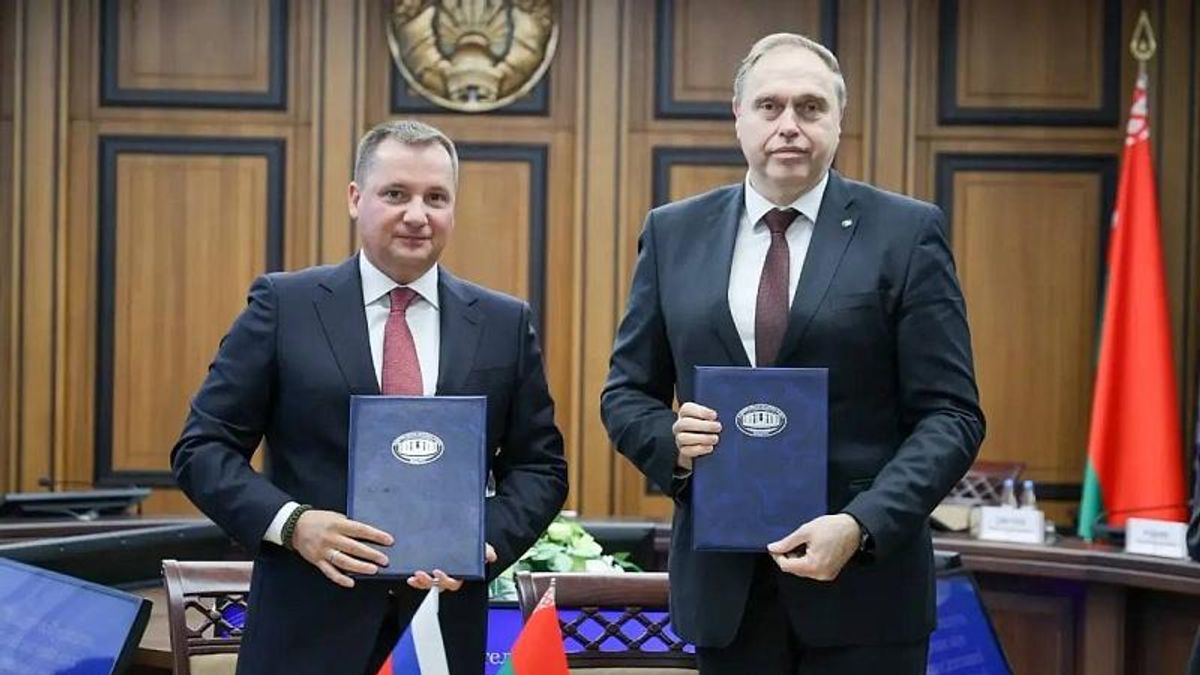
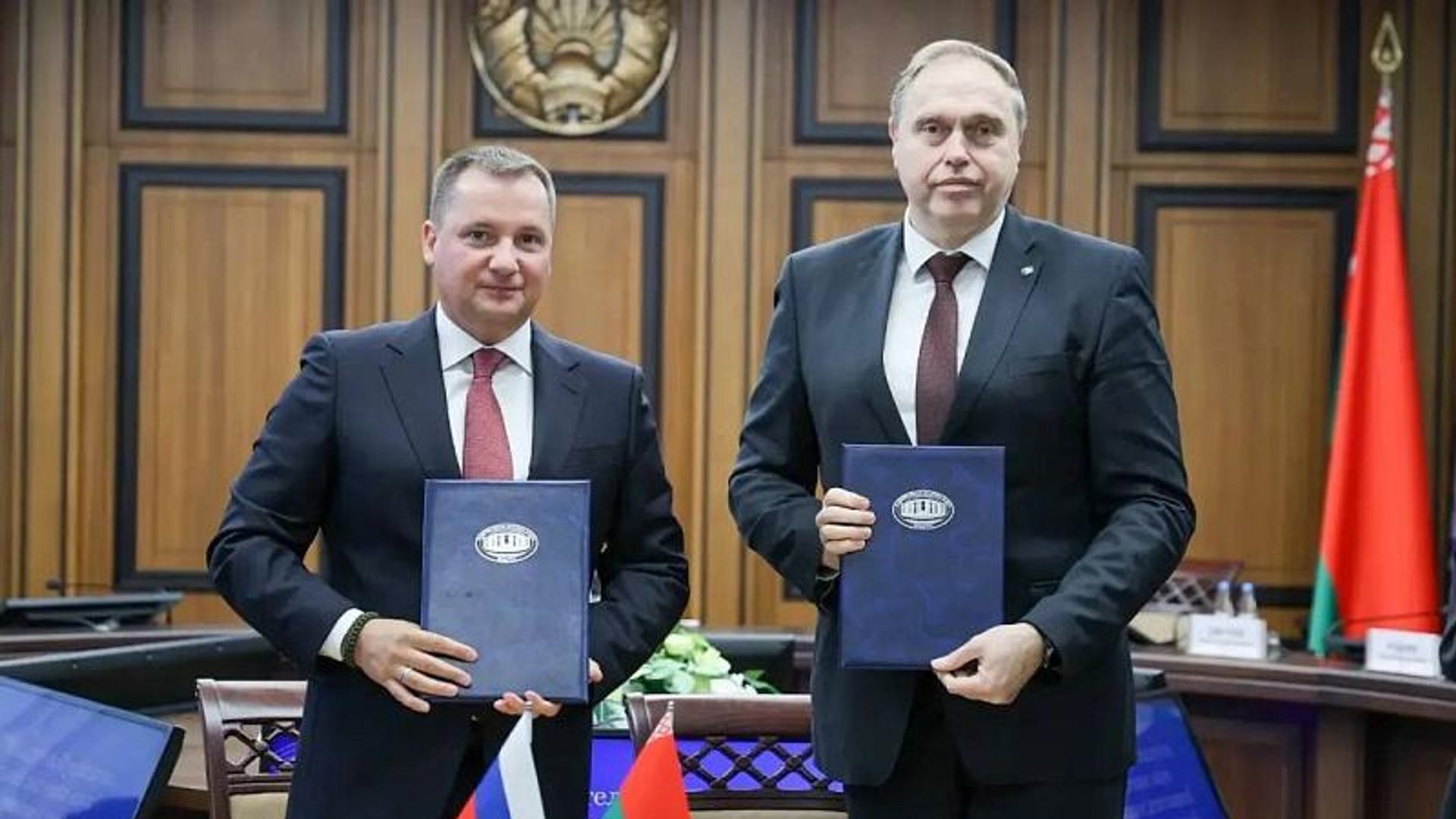
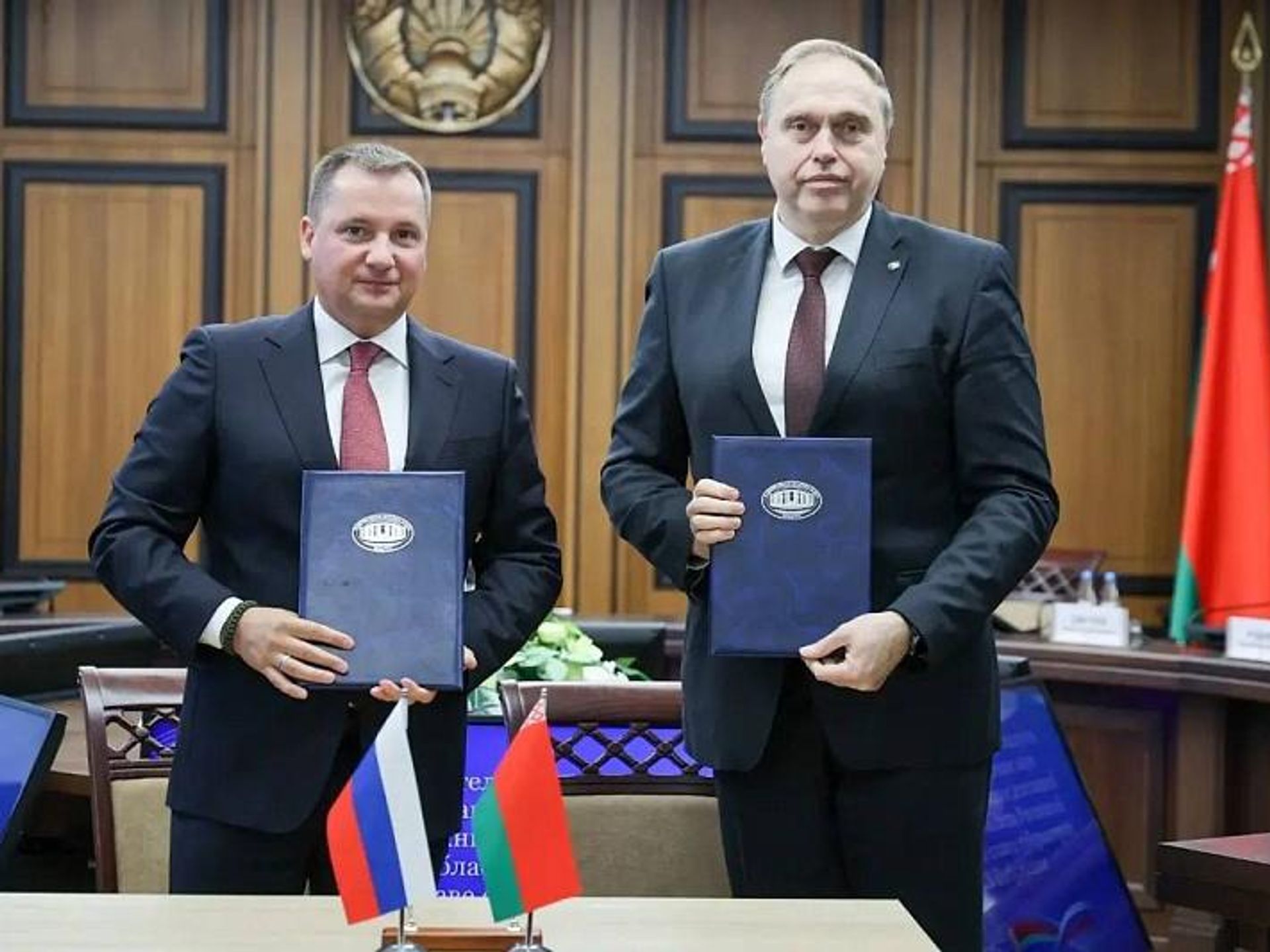
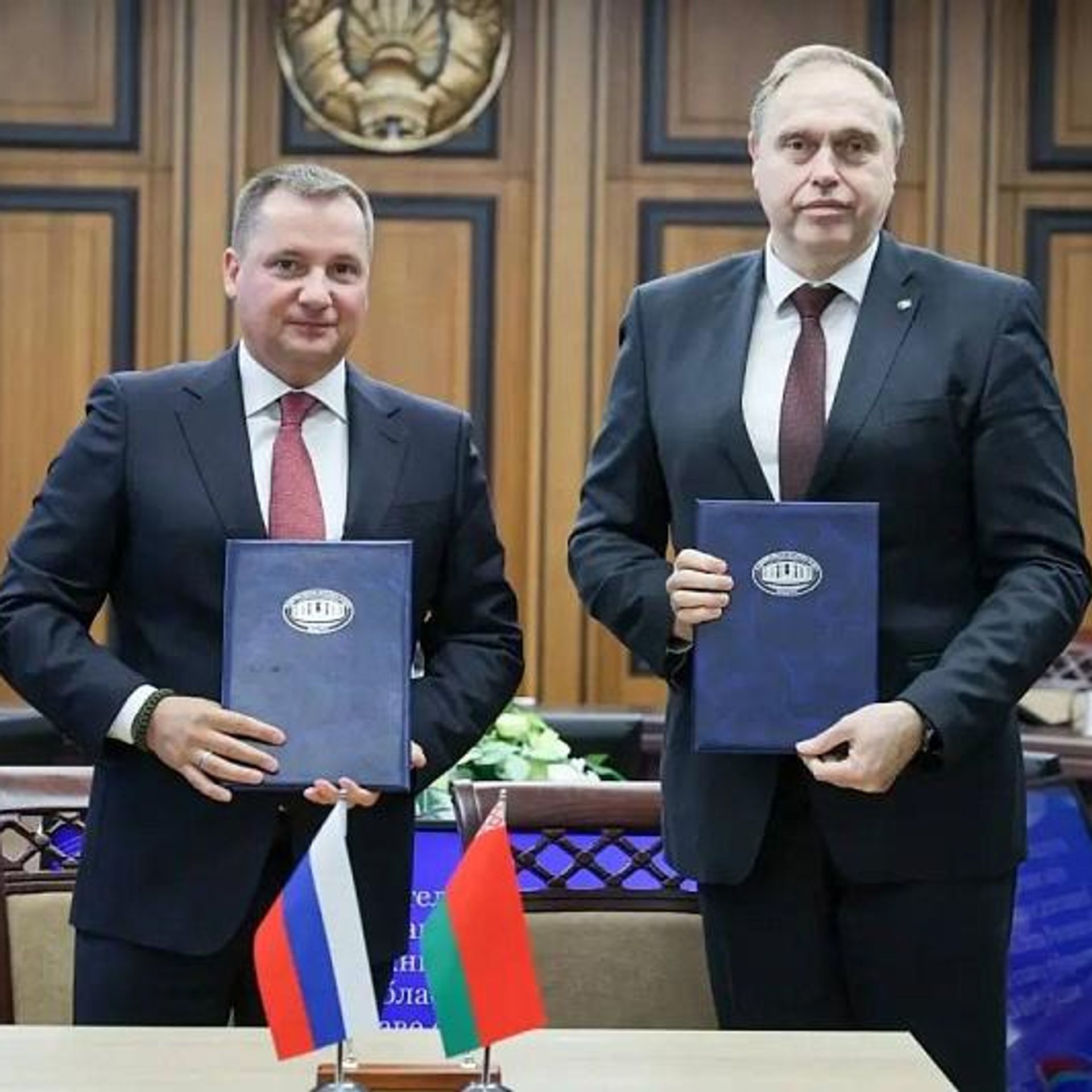
The Arkhangelsk Region and the National Academy of Sciences of Belarus have signed an agreement establishing long-term cooperation in science, science and technology, and innovation, the regional government’s press service reports.
The agreement covers a broad range of areas, including reforestation and forest regeneration, advanced processing of plant materials and wood waste, sustainable natural resource management, environmental research, agro-industrial and construction technologies, medicine, biotechnology, new materials, ICT, and water treatment technologies.
“All these areas are important to the Arkhangelsk Region not only from a scientific perspective, but also in terms of their direct practical applications,” Governor of the Arkhangelsk Region Alexander Tsybulsky emphasized.
According to the governor, the Arkhangelsk Region is a major scientific and educational center for Arctic research. It is home to the Federal Center for Integrated Arctic Research, Northern (Arctic) Federal University, which has a strong research base, and Northern State Medical University, which also conducts research.
Vladimir Karanik, Chairman of the Presidium of the National Academy of Sciences of Belarus, noted that the academy currently brings together more than 100 scientific and manufacturing organizations, including a polar research center.
“The center focuses primarily on the South Pole, so this is an important point of contact with the Arkhangelsk Region, given your extensive Arctic research,” he said.
Karanik also highlighted forest regeneration based on genetic selection, research into environmental microplastic pollution, as well as mechanical engineering, and information systems as other areas of potential cooperation.
The two sides also discussed research into the extraction and advanced processing of peat, with the Arkhangelsk Region’s peat reserves estimated at more than 700 million metric tons. The Institute of Nature Management of the National Academy of Sciences of Belarus is already working with regional enterprises in this area.
“We regard this project as a good example of what modern scientific and industrial cooperation should look like – when research expertise is directly linked to business opportunities and the needs of a specific region,” Tsybulsky said.