https://en.arctic.ru
Multicolored lights in the night sky: Fascinating facts about the Northern Lights
Multicolored lights in the night sky: Fascinating facts about the Northern Lights
Arctic.ru: Discover how Russia implements its development goals in the Arctic and the Far East
2026-08-25T10:00
2026-08-25T10:00
2026-08-25T10:00
more content
arctic zone of russia
ecology
/img/07ea/08/18/1697862_0:160:3072:1888_1920x0_80_0_0_ee9ec0bd885d68979c99fcce1255e125.jpg
The Northern Lights are one of nature’s most spectacular phenomena, attracting countless travelers each year. In Russia, some of the best places for aurora viewing are the Murmansk and Arkhangelsk regions, the Nenets and Yamalo-Nenets Autonomous areas, and Yakutia.In this article, the Arctic and Far East Development portal explores what determines the colors of the aurora – and how the indigenous peoples of the North have long interpreted this luminous spectacle.The Northern Lights occur during certain times of the year, when particles carried by the solar wind interact with Earth’s atmosphere, creating this unique spectacle in the night sky.While the phenomenon can be observed around the world, visibility depends on many factors – above all, the latitude and time of year. In Russia, the aurora is visible across much of the Arctic zone from late August, when the polar day ends, through early April. Travelers typically head to the Arkhangelsk and Murmansk regions, the Nenets and Yamalo-Nenets Autonomous areas, and the Republic of Sakha (Yakutia) for the best views.Local tour operators organize special nighttime excursions to witness the luminous glow. Once it gets dark, they set off to hunt for clear skies, where the multicolored lights are most vivid.The color of the aurora depends on both the altitude and the type of atmospheric atoms that solar wind particles collide with. The most common color is green, which occurs at altitudes of 100 to 200 kilometers. When the solar wind interacts with oxygen at altitudes of 300 kilometers or higher, the lights take on reddish hues. Purple and blue shades are also frequently seen.For the indigenous peoples of the North, however, the aurora has always inspired not just wonder, but also deep respect – and sometimes even fear. The lights in the night sky were believed to be alive and capable of influencing people.The Sami and Inuit, for example, saw the Northern Lights as the dance of souls of the dead. According to one Finno-Ugric legend, the shimmering streaks are created by a giant fox racing across the night sky, brushing snowdrifts in the tundra with its tail. Some Siberian tribes viewed the lights as spirits playing with multicolored torches.In many northern traditions, laughing, shouting or whistling under the aurora was strictly forbidden – such noise, it was believed, could draw the attention of the spirits.
https://en.arctic.ru/20251222/1013374.html
2026
Новости
ru-RU
https://en.arctic.ru/docs/about/copyright.html
https://xn--c1acbl2abdlkab1og.xn--p1ai/
/img/07ea/08/18/1697862_171:0:2902:2048_1920x0_80_0_0_8e6b62cd0a2372c409d458d93c83d7fb.jpgmore content, arctic zone of russia, ecology
The Northern Lights are one of nature’s most spectacular phenomena, attracting countless travelers each year. In Russia, some of the best places for aurora viewing are the Murmansk and Arkhangelsk regions, the Nenets and Yamalo-Nenets Autonomous areas, and Yakutia.
In this article, the Arctic and Far East Development portal explores what determines the colors of the aurora – and how the indigenous peoples of the North have long interpreted this luminous spectacle.
The Northern Lights occur during certain times of the year, when particles carried by the solar wind interact with Earth’s atmosphere, creating this unique spectacle in the night sky.
While the phenomenon can be observed around the world, visibility depends on many factors – above all, the latitude and time of year. In Russia, the aurora is visible across much of the Arctic zone from late August, when the polar day ends, through early April. Travelers typically head to the Arkhangelsk and Murmansk regions, the Nenets and Yamalo-Nenets Autonomous areas, and the Republic of Sakha (Yakutia) for the best views.
Local tour operators organize special nighttime excursions to witness the luminous glow. Once it gets dark, they set off to hunt for clear skies, where the multicolored lights are most vivid.
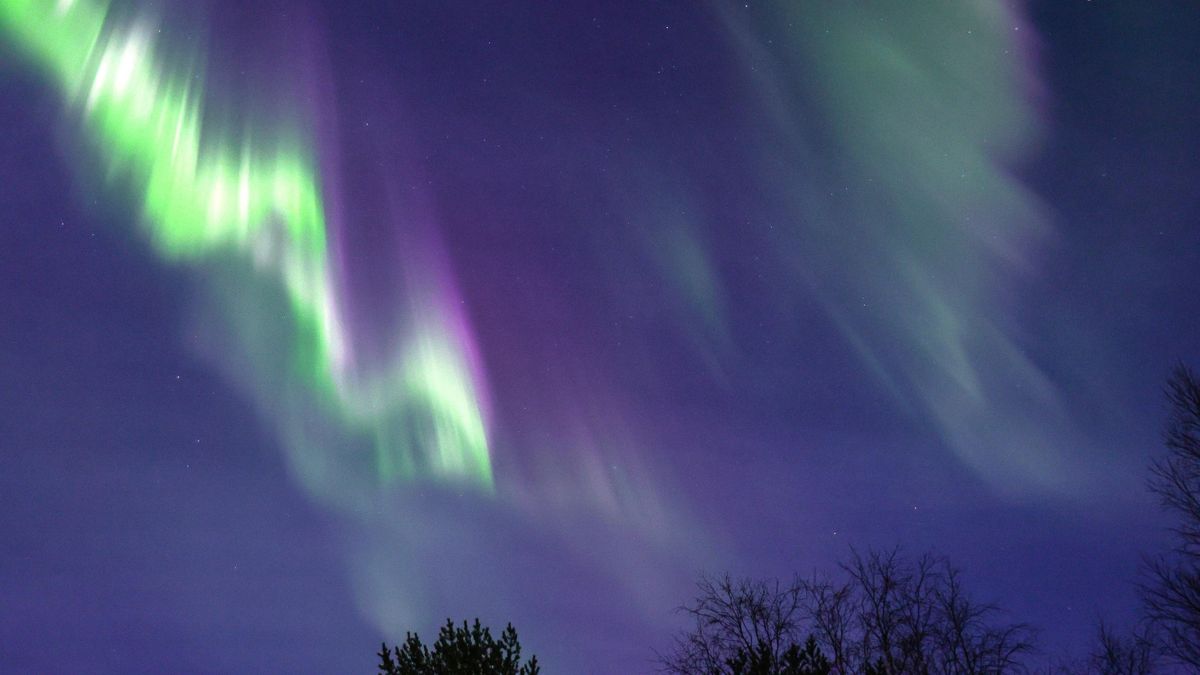
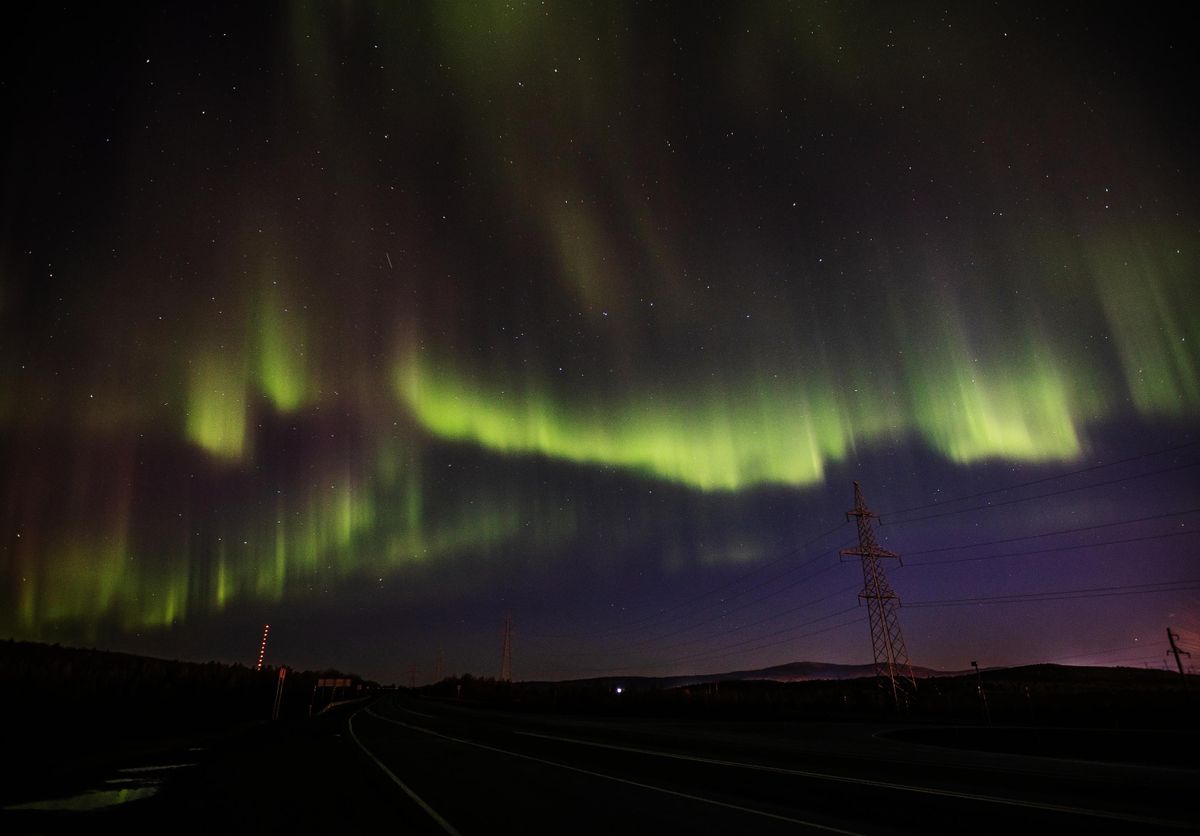
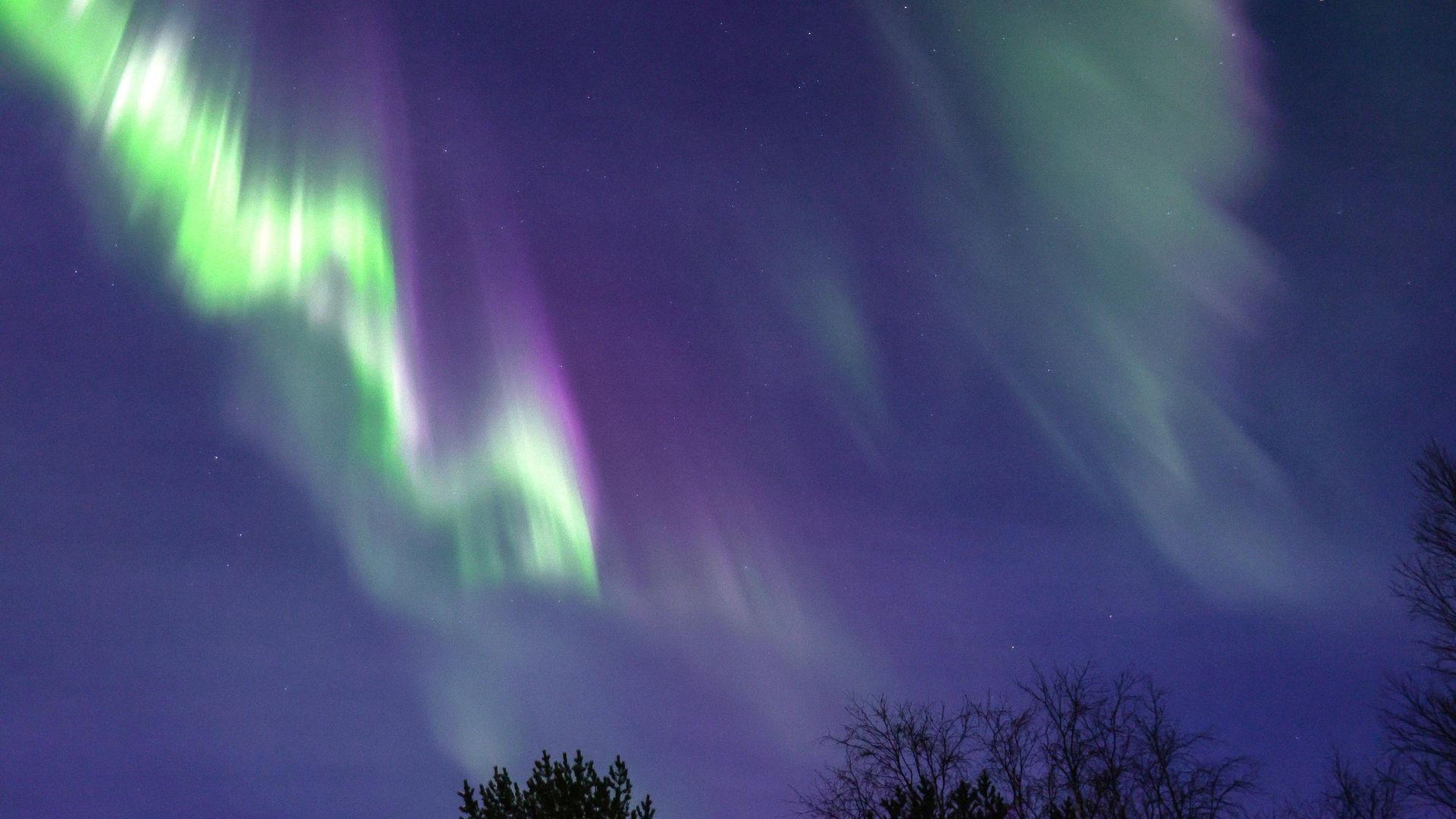
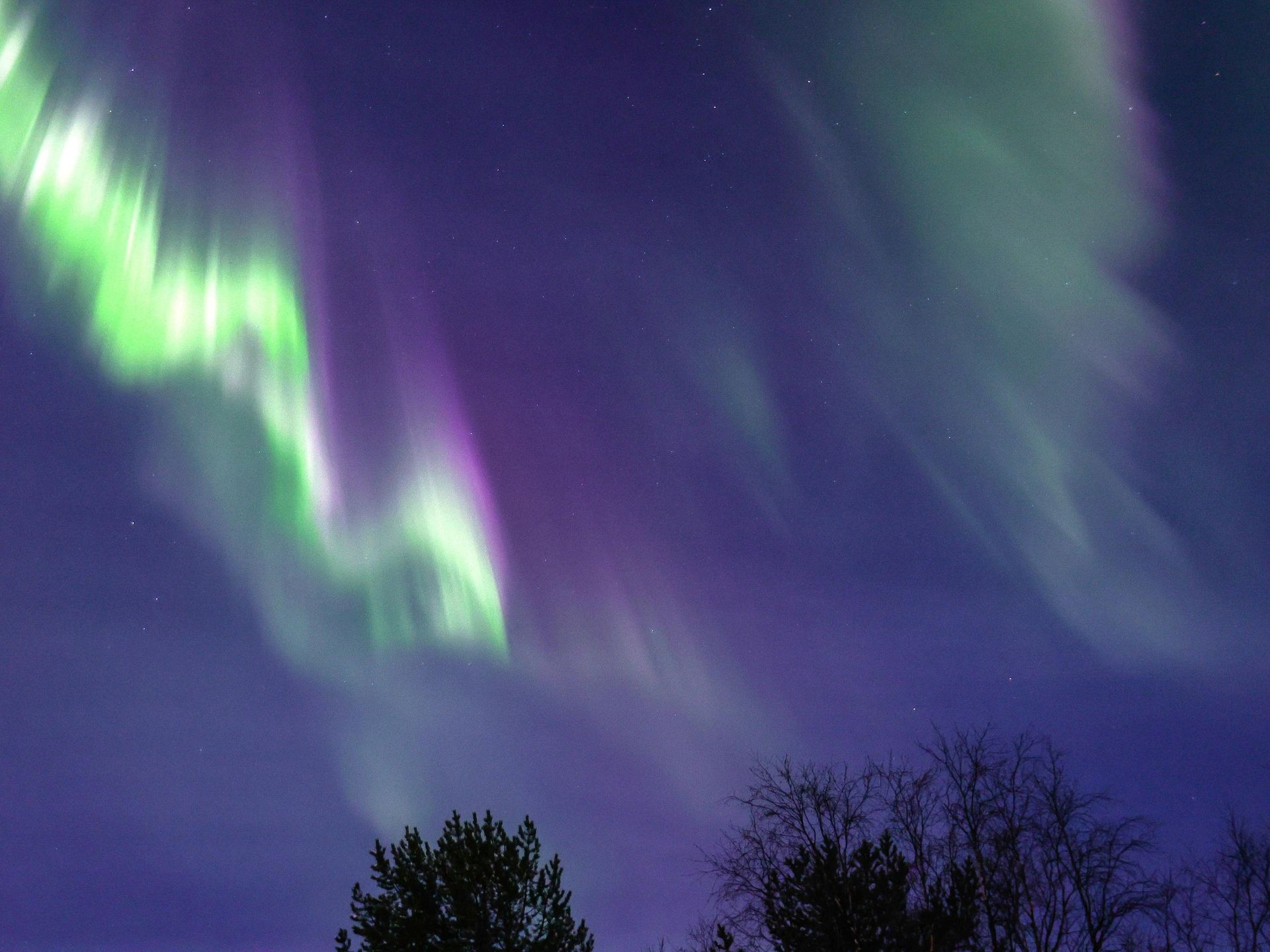
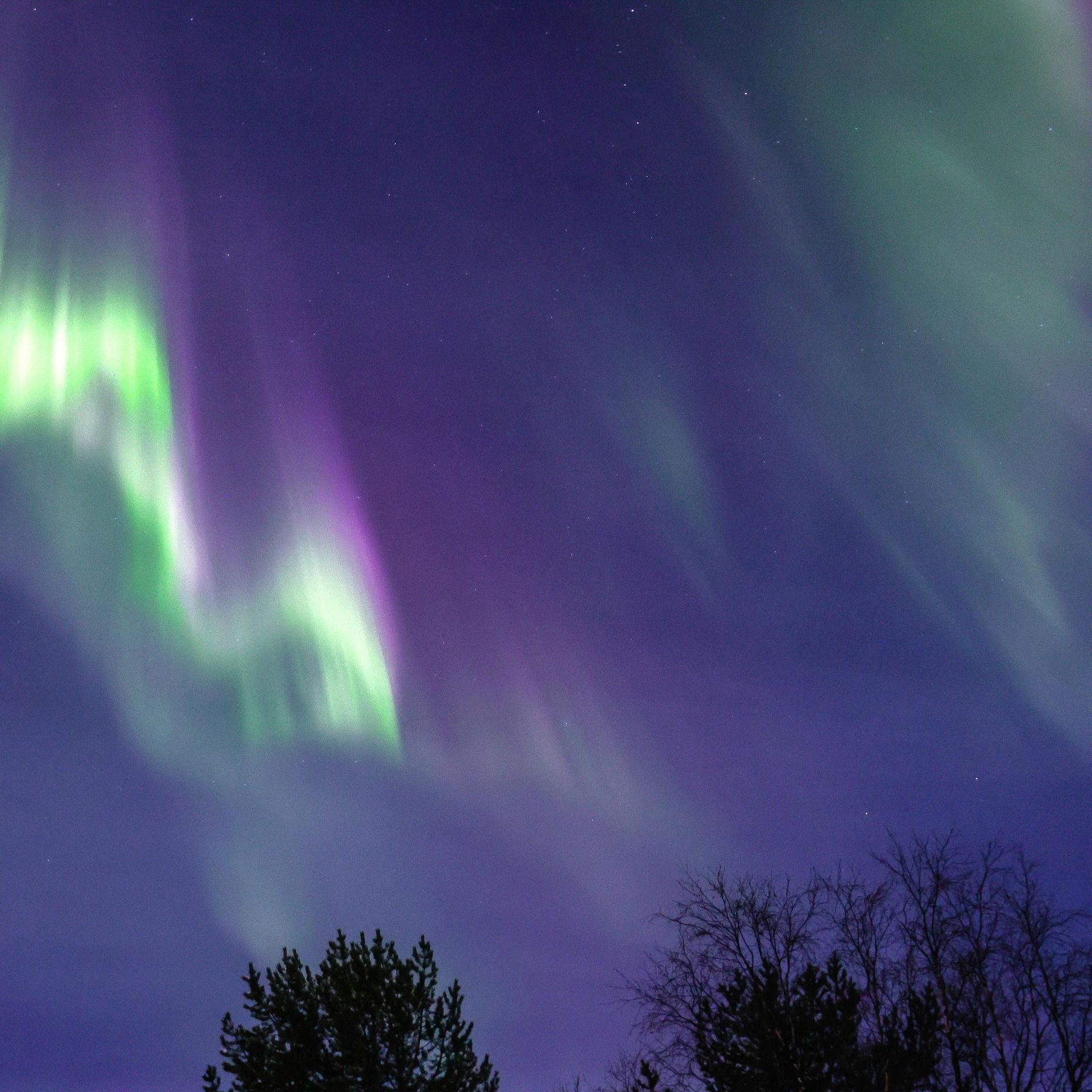
The color of the aurora depends on both the altitude and the type of atmospheric atoms that solar wind particles collide with. The most common color is green, which occurs at altitudes of 100 to 200 kilometers. When the solar wind interacts with oxygen at altitudes of 300 kilometers or higher, the lights take on reddish hues. Purple and blue shades are also frequently seen.
For the indigenous peoples of the North, however, the aurora has always inspired not just wonder, but also deep respect – and sometimes even fear. The lights in the night sky were believed to be alive and capable of influencing people.
The Sami and Inuit, for example, saw the Northern Lights as the dance of souls of the dead. According to one Finno-Ugric legend, the shimmering streaks are created by a giant fox racing across the night sky, brushing snowdrifts in the tundra with its tail. Some Siberian tribes viewed the lights as spirits playing with multicolored torches.
In many northern traditions, laughing, shouting or whistling under the aurora was strictly forbidden – such noise, it was believed, could draw the attention of the spirits.