11:00 21.08.2026
“Nothing will be missing here – and competition is practically non-existent.” What draws young people to the Arctic?
© Russian Arctic and Far East Development
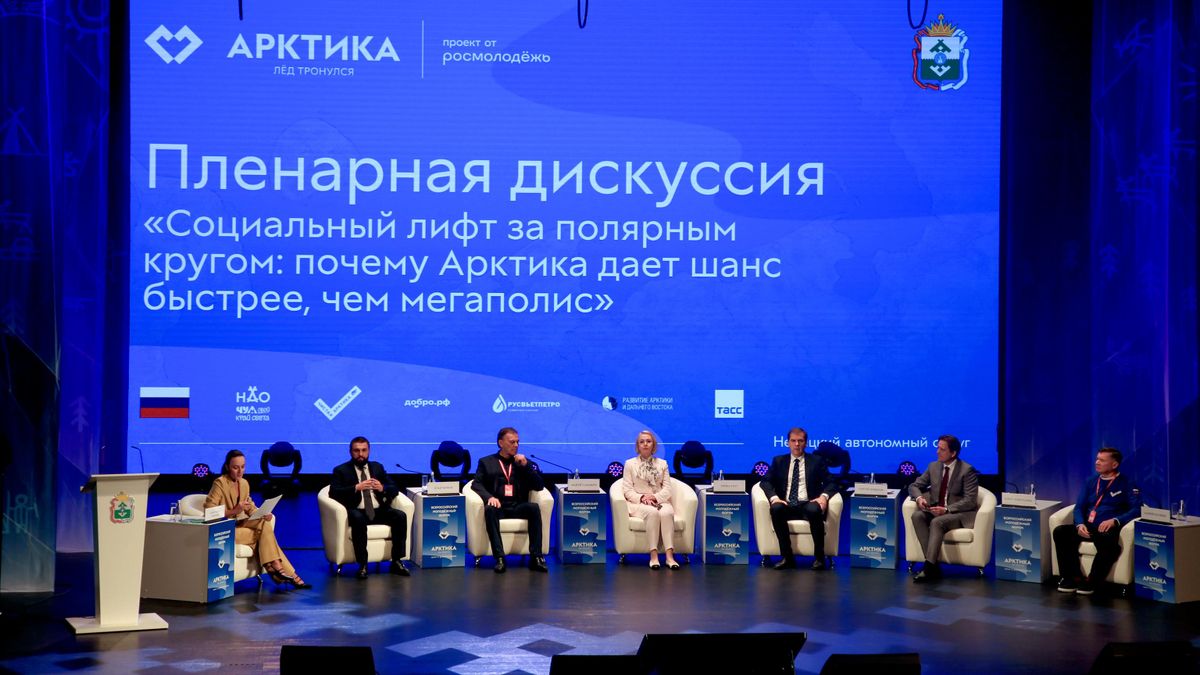
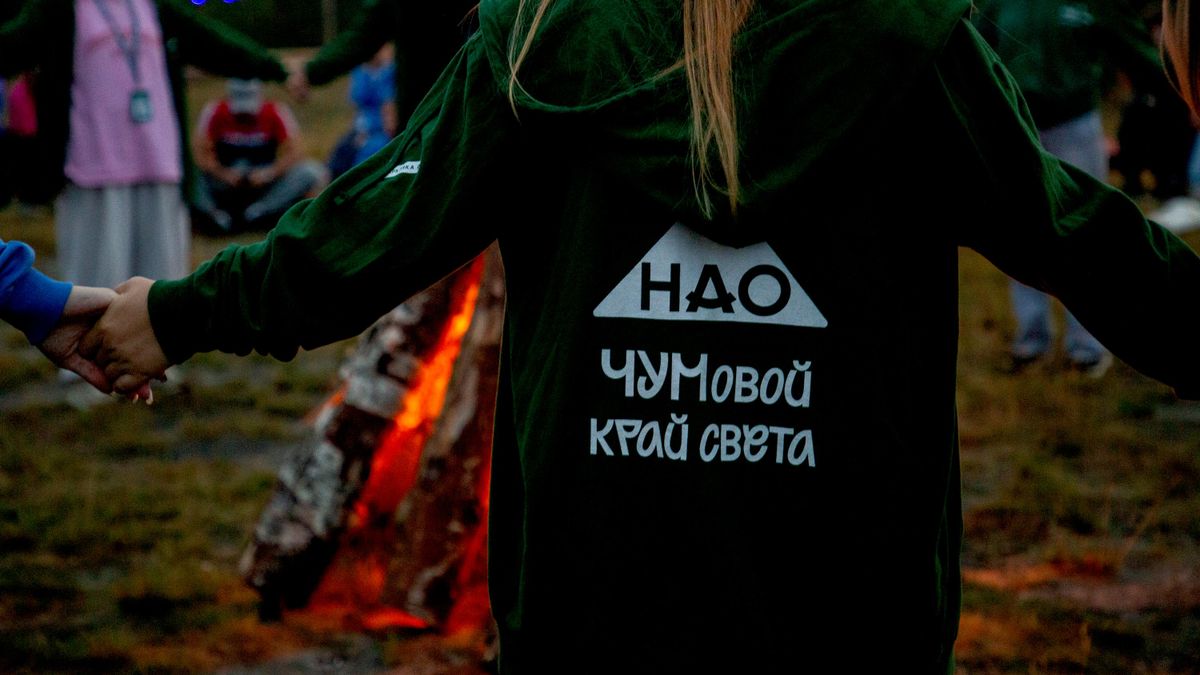
The 5th Youth Environmental Forum and Festival, The Arctic. The Ice Has Broken, held in the capital of the Nenets Autonomous Area, brought together over 300 young activists, specialists, and entrepreneurs. Arctic.ru spoke with participants from non-Arctic regions about the opportunities they see for developing their projects and for themselves beyond the Arctic Circle.
“Many towns and villages in the Arctic lack the basic services we take for granted in Central Russia – even something as simple as a decent grocery store,” says Danila Smirnov. “But anyone daring enough to come here now, while so much is still missing, stands to gain the most.”
Danila, 23, came to Naryan-Mar from Yaroslavl. He’s a master’s student at Yaroslavl State University, has launched his own startup, won several grant competitions, and has also worked as an expert at the university’s business incubator. These days, he helps develop entrepreneurial skills and sharpen the effectiveness of project teams.
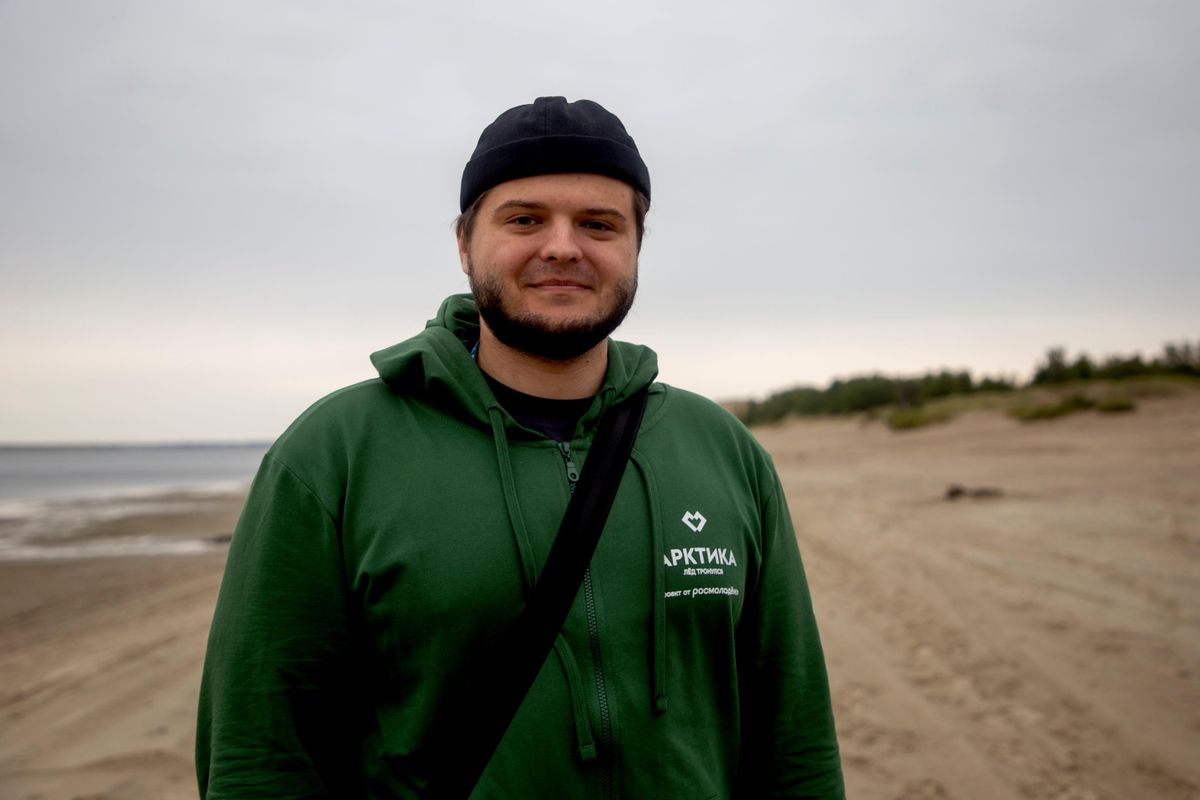
Danila Smirnov, participant, 5th All-Russia Youth Environmental Forum Festival The Arctic: The Ice Has Broken
© Russian Arctic and Far East Development
At the forum, Danila joined the Business track – both to share his know-how on grant writing and turning raw ideas into polished, workable projects, and to explore firsthand what the Arctic has to offer entrepreneurs.
“Today we visited a businessman who runs a children’s center – the kind where you drop your kid off for a few hours to play under supervision,” he says. “There are plenty of them in the central regions, but here? Just the one. So you can enter the market even with an idea that has long been tested elsewhere. And if you want to scale up fast with minimal risk, this is a great place – competition is practically non-existent.”
Danila also points to franchising as a promising avenue: Arctic residents aren’t yet exposed to many major brands. Tax incentives are another draw – the base rate under the special tax regime here is just 1.5 percent, barely a quarter of what it is in non-Arctic regions.
“Last year I was teaching first-year students at our University, and if I’d known then what I know now, I’d have been thrilled to tell them about all this,” he says. “So many of us are wondering where to go, where to test ourselves – and this is a great opportunity.”
In the coming years, life in the Arctic is set to become noticeably more comfortable, so Danila believes people from other cities should start seeing the region not just as a work posting, but as a place to put down roots.
“The nature here is stunning – the views are incredible, I absolutely love it,” he says. “Sure, I’m used to more developed infrastructure, but if you look at the Arctic as a place to live, it’s an investment in the future. Huge budgets are flowing in right now. In five to ten years, things will be on a completely different level here.”
Danila is now seriously considering bringing his own augmented-reality startup to the Arctic. He’s already developed a virtual mascot guide for Altai – a 3D character from Altai epic folklore that guides visitors along tourist routes.
“It would be fascinating to create an Arctic mascot – something that could become a brand asset for the region,” he says. “There’s real potential for creating great content up here.”
Creative business – at high latitudes
Bogdan Yelsukov, 34, joined the forum’s Culture track. An expert in social entrepreneurship, he helps newcomers launch their own business projects and runs a creative studio called Talent Quarter back in his hometown of Kirov.
“The studio is commercial, but we operate under a state license,” Bogdan explains. “We work with the government through municipal contracts and provide free training for children.”
He came to The Arctic. The Ice Has Broken to compete for a Rosmolodezh grant, soak up the northern nature, get fresh inspiration, and find partners for future collaborations.
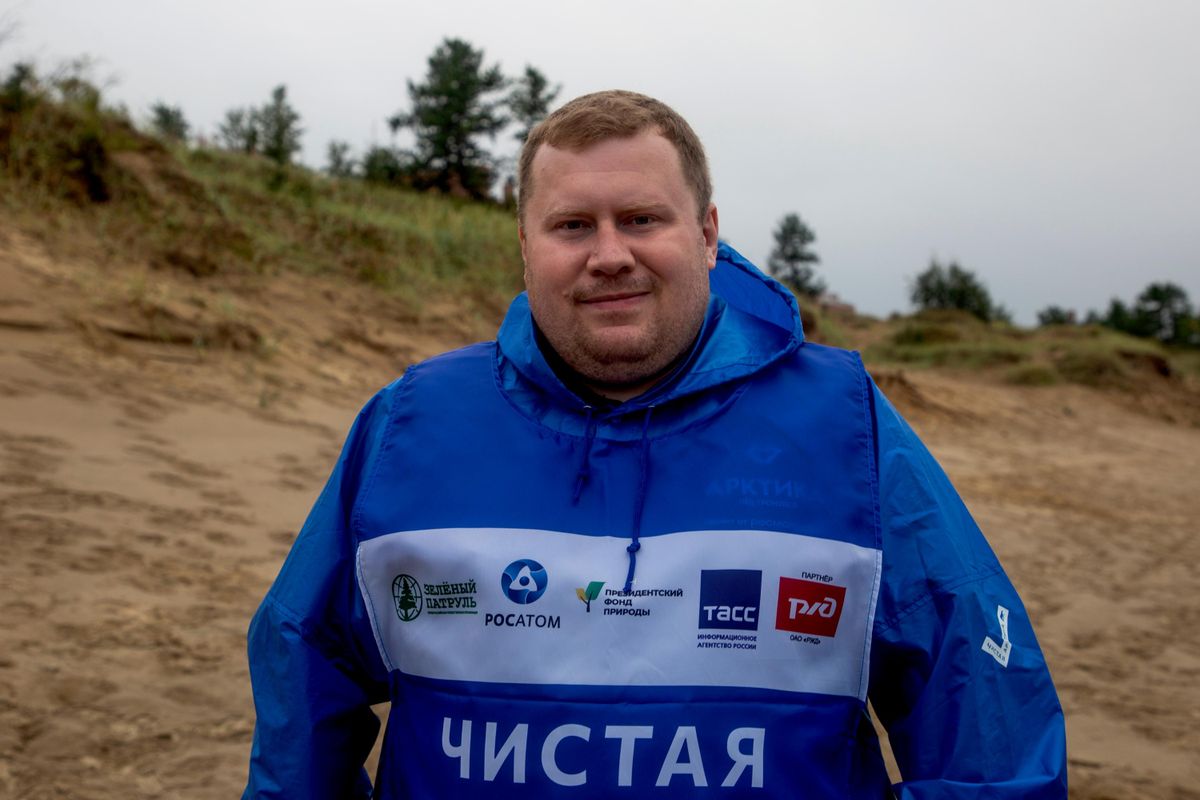
Bogdan Yelsukov, participant, 5th All-Russia Youth Environmental Forum Festival The Arctic: The Ice Has Broken
© Russian Arctic and Far East Development
In his view, the Arctic’s big advantage is speed: you can turn an idea into reality fast. Bogdan sees the region not just as a growth zone for business, but for culture too: a place to run a creative enterprise while preserving the local identity and giving back to the community. At the forum, he made it his personal mission to become an ambassador for Arctic opportunities in Kirov.
“The North can really give you a massive push forward,” he says. “I think if someone in a place like the Nenets Autonomous Area has the drive to build a business, their project could easily be scaled up to the federal level.”
Bogdan also sees public service in the Arctic as a promising path. Like the Far East, the region offers numerous personnel programs – for instance, Muravyov-Amursky 2030, designed for experienced managers who want to contribute to regional development.
“Say I’m a manager in a commercial company right now. If I tried to move into civil service, I wouldn’t even land a mid-level role because I don’t have experience in public administration. But programs like this allow you move directly into fairly senior positions and start working on major projects,” he explains.
For those just starting to consider setting up a business in the Arctic, Bogdan’s advice is simple: find out what support measures the region offers, since newcomers often have no idea they exist. Local authorities, he says, are the best source of information. And it’s essential to plug into local entrepreneurial networks.
“If you have an idea, just go for it. Don’t overthink it. The conditions are good, and the people here are so fired up – you can’t help but want to be part of it,” he says.