https://en.arctic.ru
Yamal prepares for the new academic year
Yamal prepares for the new academic year
Arctic.ru: Discover how Russia implements its development goals in the Arctic and the Far East
2026-08-21T12:18
2026-08-21T12:18
2026-08-21T16:58
news
yamal-nenets autonomous area
social affairs
/img/07ea/08/15/1693448_0:0:2048:1152_1920x0_80_0_0_816ca5b9aba35d5e69ffb9b31af68a5e.jpg
This school year, around 3,200 children from families belonging to the Indigenous Small-Numbered Peoples of the North who lead a nomadic lifestyle will arrive at educational institutions in Yamal from remote areas. Of these, 2,549 children will be transported to schools by helicopter, water transport, or road vehicles. Another 626 children living in areas close to settlements will be brought to school by their parents, press service of the Yamal-Nenets Autonomous Area Government reports.The transportation of Indigenous children to schools will continue through September 5. The process has already begun in the Yamal District, where 1,123 students will arrive at boarding schools.“Helicopters connect the most remote corners of the tundra with educational institutions, ensuring that every child, regardless of where their family lives, has access to modern, high-quality education. We understand how important this process is for maintaining a balance between the traditional way of life of indigenous peoples and the need to provide children with the knowledge they will need in the future,” Yamal District HeadArtyom Chulanov said.The process will continue in the Tazovsky District, from which 934 students will travel to educational institutions. Another 439 children will come from the Priuralsky District and 430 from the Purovsky District.There are currently 23 boarding schools operating in Yamal. Around 10,500 children will attend them in the 2026-2027 school year including more than 6,800 children from families belonging to the indigenous small-numbered peoples of the North.
https://en.arctic.ru/20260619/1534840.html
2026
Новости
ru-RU
https://en.arctic.ru/docs/about/copyright.html
https://xn--c1acbl2abdlkab1og.xn--p1ai/
/img/07ea/08/15/1693448_131:0:1667:1152_1920x0_80_0_0_4d869507c9c6d9160eb82c24544967f1.jpgnews, yamal-nenets autonomous area, social affairs
Yamal prepares for the new academic year
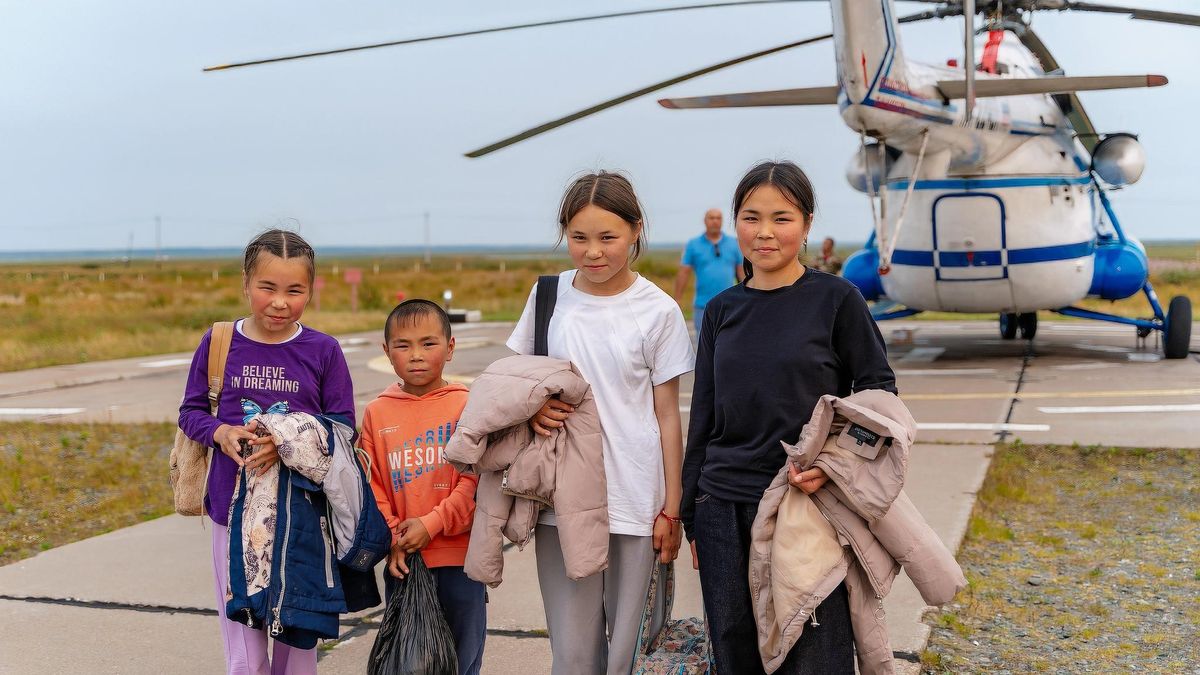
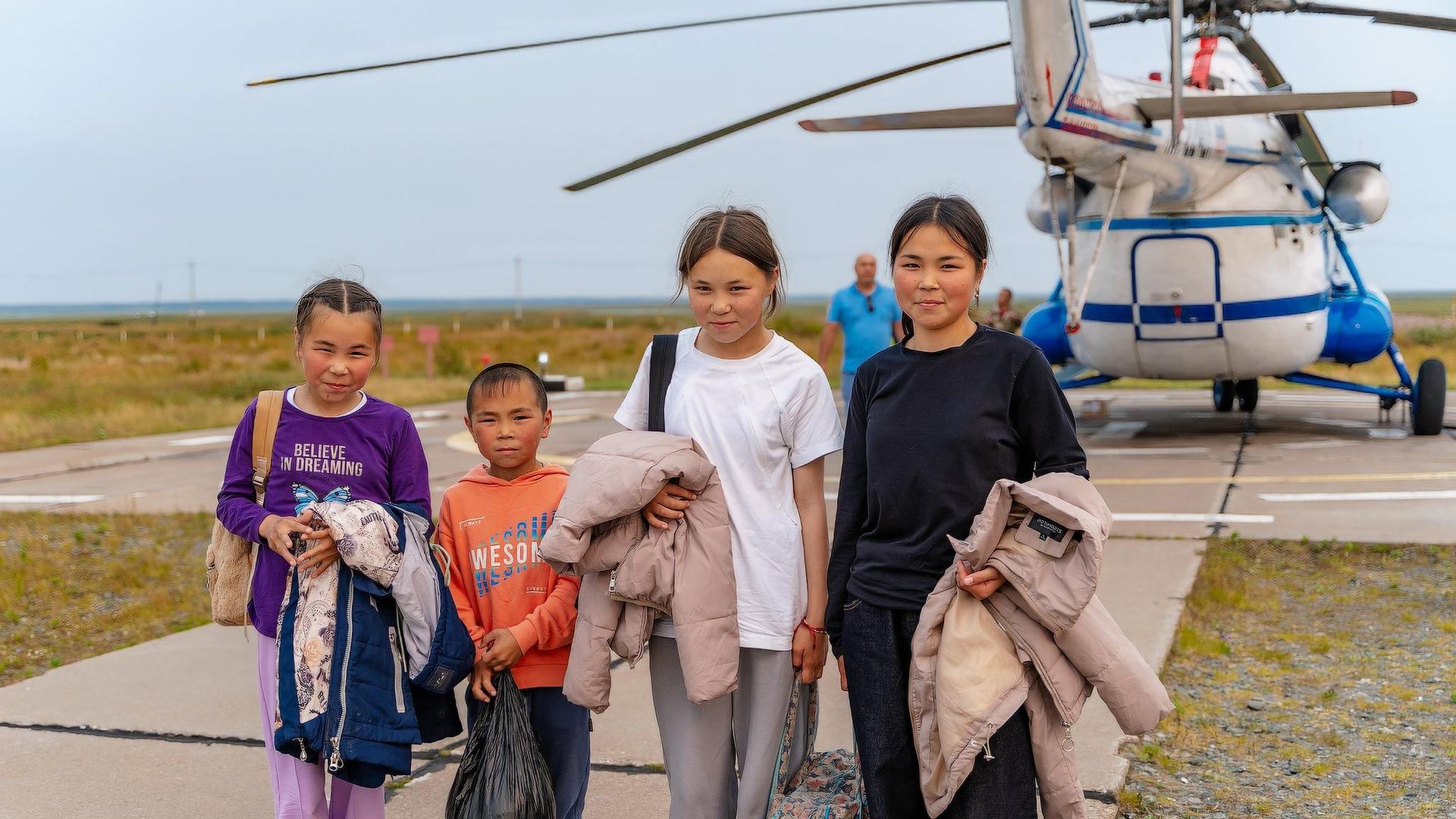
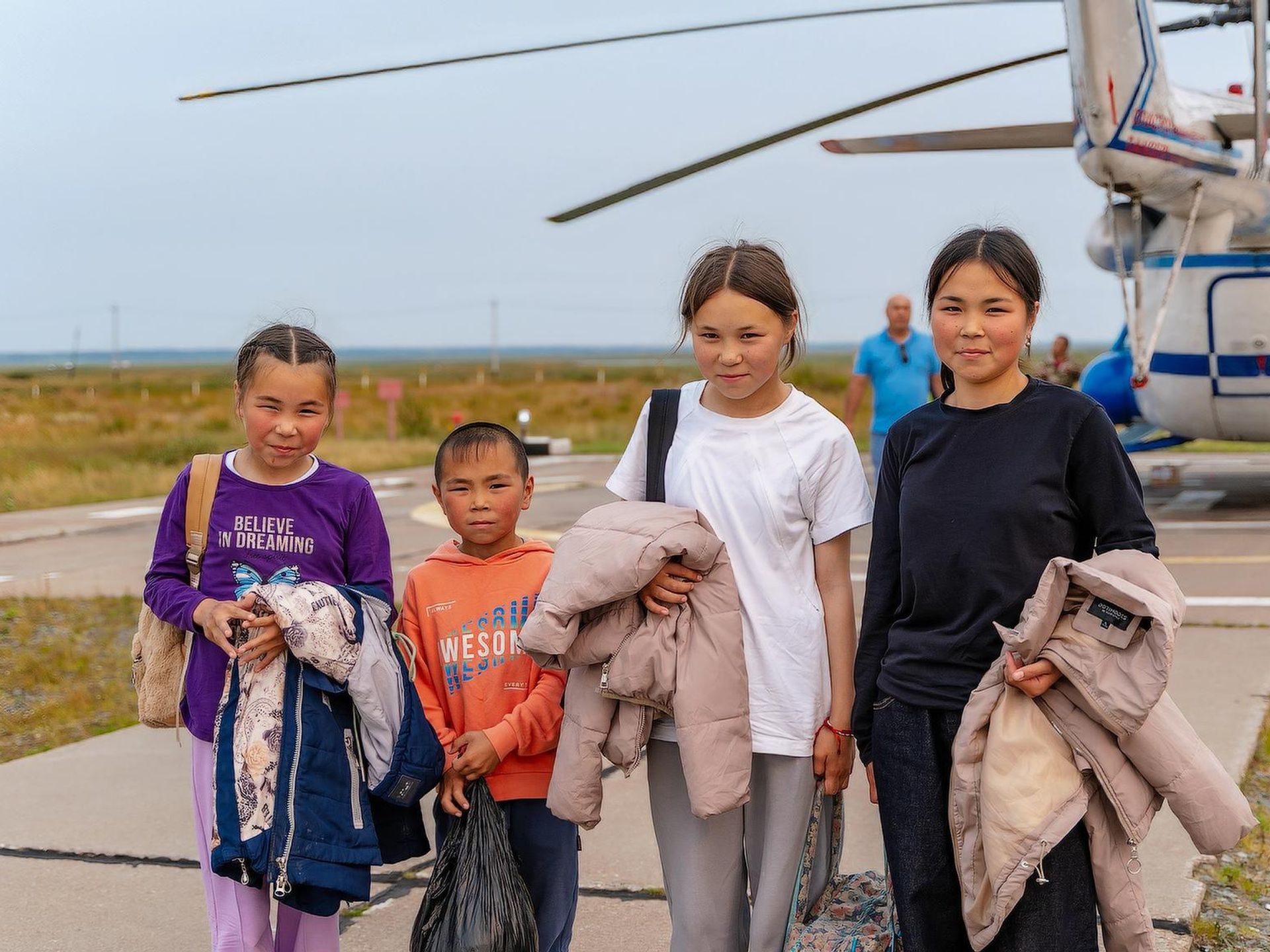
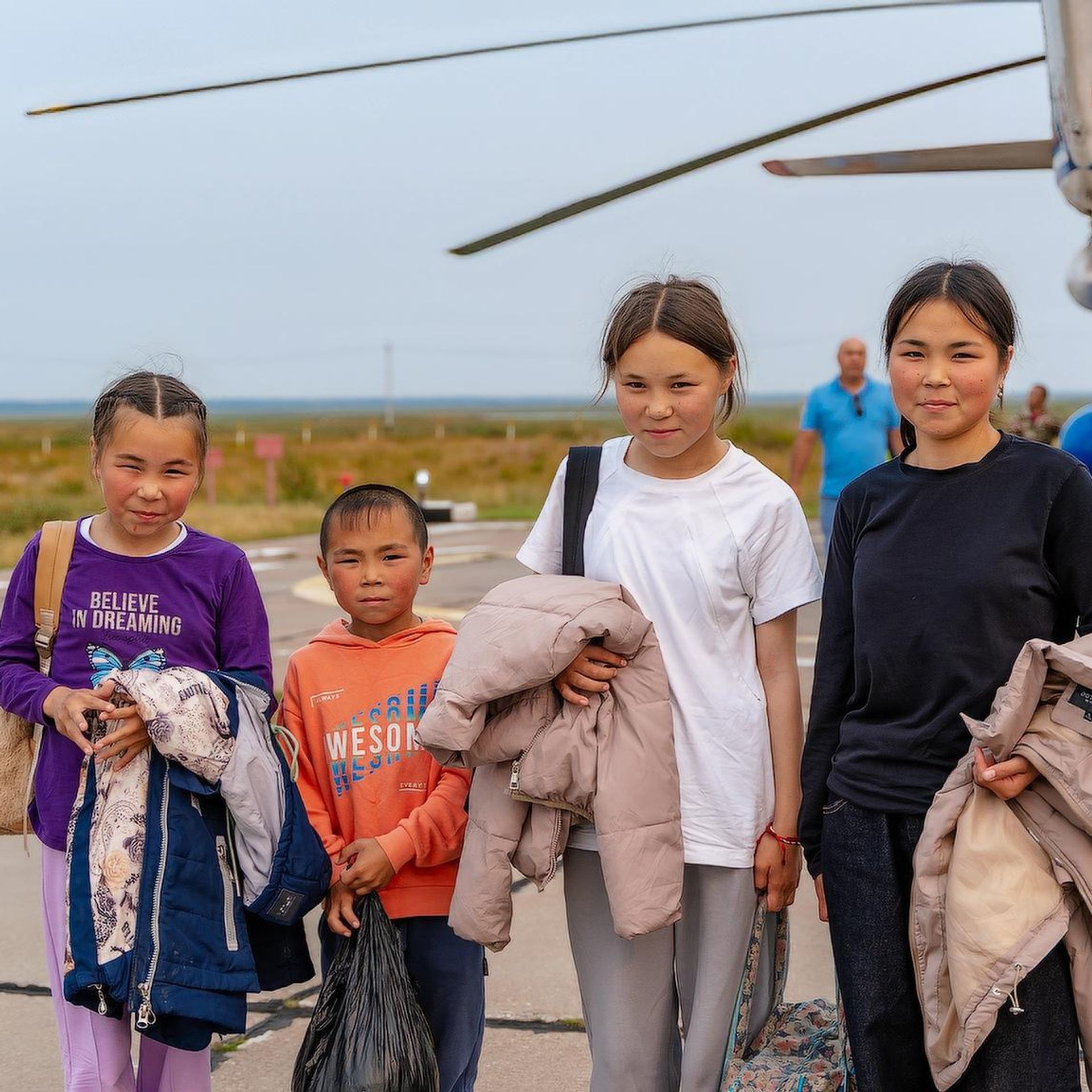
This school year, around 3,200 children from families belonging to the Indigenous Small-Numbered Peoples of the North who lead a nomadic lifestyle will arrive at educational institutions in Yamal from remote areas. Of these, 2,549 children will be transported to schools by helicopter, water transport, or road vehicles. Another 626 children living in areas close to settlements will be brought to school by their parents, press service of the Yamal-Nenets Autonomous Area Government reports.
The transportation of Indigenous children to schools will continue through September 5. The process has already begun in the Yamal District, where 1,123 students will arrive at boarding schools.
“Helicopters connect the most remote corners of the tundra with educational institutions, ensuring that every child, regardless of where their family lives, has access to modern, high-quality education. We understand how important this process is for maintaining a balance between the traditional way of life of indigenous peoples and the need to provide children with the knowledge they will need in the future,” Yamal District HeadArtyom Chulanov said.
The process will continue in the Tazovsky District, from which 934 students will travel to educational institutions. Another 439 children will come from the Priuralsky District and 430 from the Purovsky District.
There are currently 23 boarding schools operating in Yamal. Around 10,500 children will attend them in the 2026-2027 school year including more than 6,800 children from families belonging to the indigenous small-numbered peoples of the North.