Every year, a team of students from Moscow’s schools and colleges embarks on the Great Arctic Expedition, with a mission to study the flora and fauna of Cape Chelyuskin and help preserve historical heritage in Russia’s Far North.The Arctic and Far East Development portal has been covering the expedition’s scientific findings, the preparations required for such a challenging journey, and the new challenges that await the young explorers.Fourteen Moscow students take part in the expedition annually, guided for many years by veteran polar explorer Matvei Shparo. Selected through a rigorous competitive process, the participants get the chance to contribute to both historical preservation – by restoring memorials to fallen polar explorers – and ongoing research into Arctic ecosystems.Each team member carries out specific tasks assigned by leading scientific institutes. One of their key duties involves monitoring environmental conditions at Cape Chelyuskin using lichenoindication – a technique that detects pollution by analyzing the chemical composition of lichens.“The presence of certain heavy toxic metals in lichens tells us whether an area is polluted or, conversely, very clean,” explains Alexander Novigatsky, a leading researcher and head of the analytical laboratory at the Shirshov Institute of Oceanology of the Russian Academy of Sciences.Cape Chelyuskin sits at the boundary of two seas – the Laptev and the Kara. Last year’s expedition explored the eastern stretch of its coastline; this year, the team focused on the western side.“This region is also promising in terms of mineral resources: there are polymetallic ores and gold here, but those can contribute to local levels of toxic metals. To isolate that effect, we also took soil samples. Dust can also settle on lichens, and its particles may also carry heavy metals,” Novigatsky noted.He added that the students are handling the sampling tasks competently and are fully aware that they are taking part in serious scientific work.“To gather this kind of data on our own, we’d have to organize a separate expedition – it’s a major undertaking. But these young people are doing their part, and that represents both personal growth and a real contribution to science. This information is valuable not just for our institute, but for Russia as a whole – it’s important to know how clean our coastal areas are,” Novigatsky added.New species in the northern faunaThe Severtsov Institute of Ecology and Evolution has been collaborating with the Great Arctic Expedition for two years now. Based on samples the students collected during their first year of work with the institute, scientists were able to identify several interesting species of chironomids – also known as non-biting midges, says Anna Neretina, a leading researcher at the Laboratory of Ecology of Aquatic Communities and Invasions.“We’re currently working on more precise species identification, including through molecular genetic methods. We hope to present our findings at a conference later this year, together with the students,” she noted.During the 2026 expedition, the students investigated the variety of aquatic species – creatures that live in or spend most of their life cycle in water.“We’re hoping to discover invertebrate species that are new for the Cape Chelyuskin fauna, adding to the existing checklist for the region,” Neretina explained.Before setting out, the participants received detailed instructions on how to collect the required samples, along with a basic set of field equipment.“Overall, the students are doing very well with the tasks. They might lack the motivation to sit and meticulously process samples afterward, but that’s not expected of them at this stage,” Neretina added.Expanding geographic reach and breakthrough methodsLast year, the Obukhov Institute of Atmospheric Physics joined the expedition. The students now bring back samples from Arctic lakes, which provide scientists with valuable data on carbon balance and greenhouse gas emissions – information critical to climate change research.According to Irina Repina, chief researcher at the Laboratory of Atmosphere-Ocean Interaction, the students have taken on a new task this year: studying thermokarst lakes, which form in permafrost zones due to ground subsidence, for the presence of volatile organic compounds.“The students’ job is to correctly collect samples for dissolved gases, carbon, and volatile organic compounds. The latter are new this year. We’ve also established a collaboration with Shanghai University, which is helping us analyze the samples,” she said.Thanks to its partnership with the Great Arctic Expedition, the institute has significantly broadened the geographic scope of its northern lake research.“We conduct our own studies in Yamal and Yakutia, and now we’ve added the lakes of Cape Chelyuskin to our list,” Repina noted.
Every year, a team of students from Moscow’s schools and colleges embarks on the Great Arctic Expedition, with a mission to study the flora and fauna of Cape Chelyuskin and help preserve historical heritage in Russia’s Far North.
The Arctic and Far East Development portal has been covering the expedition’s scientific findings, the preparations required for such a challenging journey, and the new challenges that await the young explorers.
Fourteen Moscow students take part in the expedition annually, guided for many years by veteran polar explorer Matvei Shparo. Selected through a rigorous competitive process, the participants get the chance to contribute to both historical preservation – by restoring memorials to fallen polar explorers – and ongoing research into Arctic ecosystems.
Each team member carries out specific tasks assigned by leading scientific institutes. One of their key duties involves monitoring environmental conditions at Cape Chelyuskin using lichenoindication – a technique that detects pollution by analyzing the chemical composition of lichens.
“The presence of certain heavy toxic metals in lichens tells us whether an area is polluted or, conversely, very clean,” explains Alexander Novigatsky, a leading researcher and head of the analytical laboratory at the Shirshov Institute of Oceanology of the Russian Academy of Sciences.
Cape Chelyuskin sits at the boundary of two seas – the Laptev and the Kara. Last year’s expedition explored the eastern stretch of its coastline; this year, the team focused on the western side.
“This region is also promising in terms of mineral resources: there are polymetallic ores and gold here, but those can contribute to local levels of toxic metals. To isolate that effect, we also took soil samples. Dust can also settle on lichens, and its particles may also carry heavy metals,” Novigatsky noted.
He added that the students are handling the sampling tasks competently and are fully aware that they are taking part in serious scientific work.
“To gather this kind of data on our own, we’d have to organize a separate expedition – it’s a major undertaking. But these young people are doing their part, and that represents both personal growth and a real contribution to science. This information is valuable not just for our institute, but for Russia as a whole – it’s important to know how clean our coastal areas are,” Novigatsky added.
New species in the northern fauna
The Severtsov Institute of Ecology and Evolution has been collaborating with the Great Arctic Expedition for two years now. Based on samples the students collected during their first year of work with the institute, scientists were able to identify several interesting species of chironomids – also known as non-biting midges, says Anna Neretina, a leading researcher at the Laboratory of Ecology of Aquatic Communities and Invasions.
“We’re currently working on more precise species identification, including through molecular genetic methods. We hope to present our findings at a conference later this year, together with the students,” she noted.
1/3
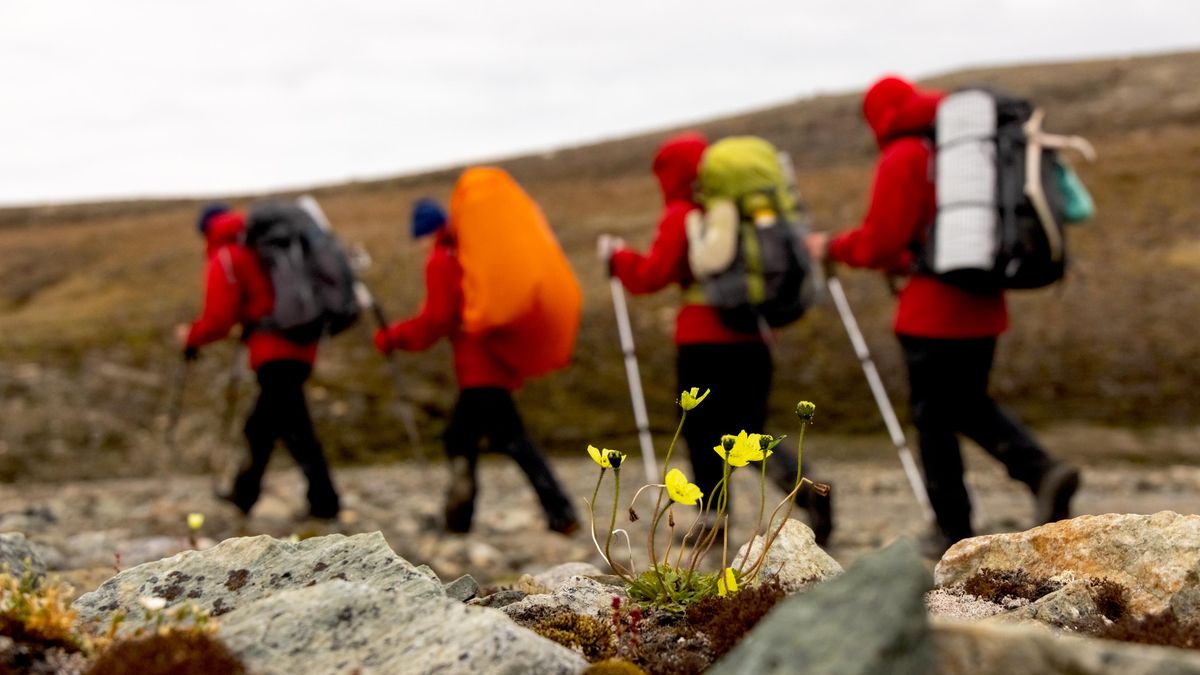
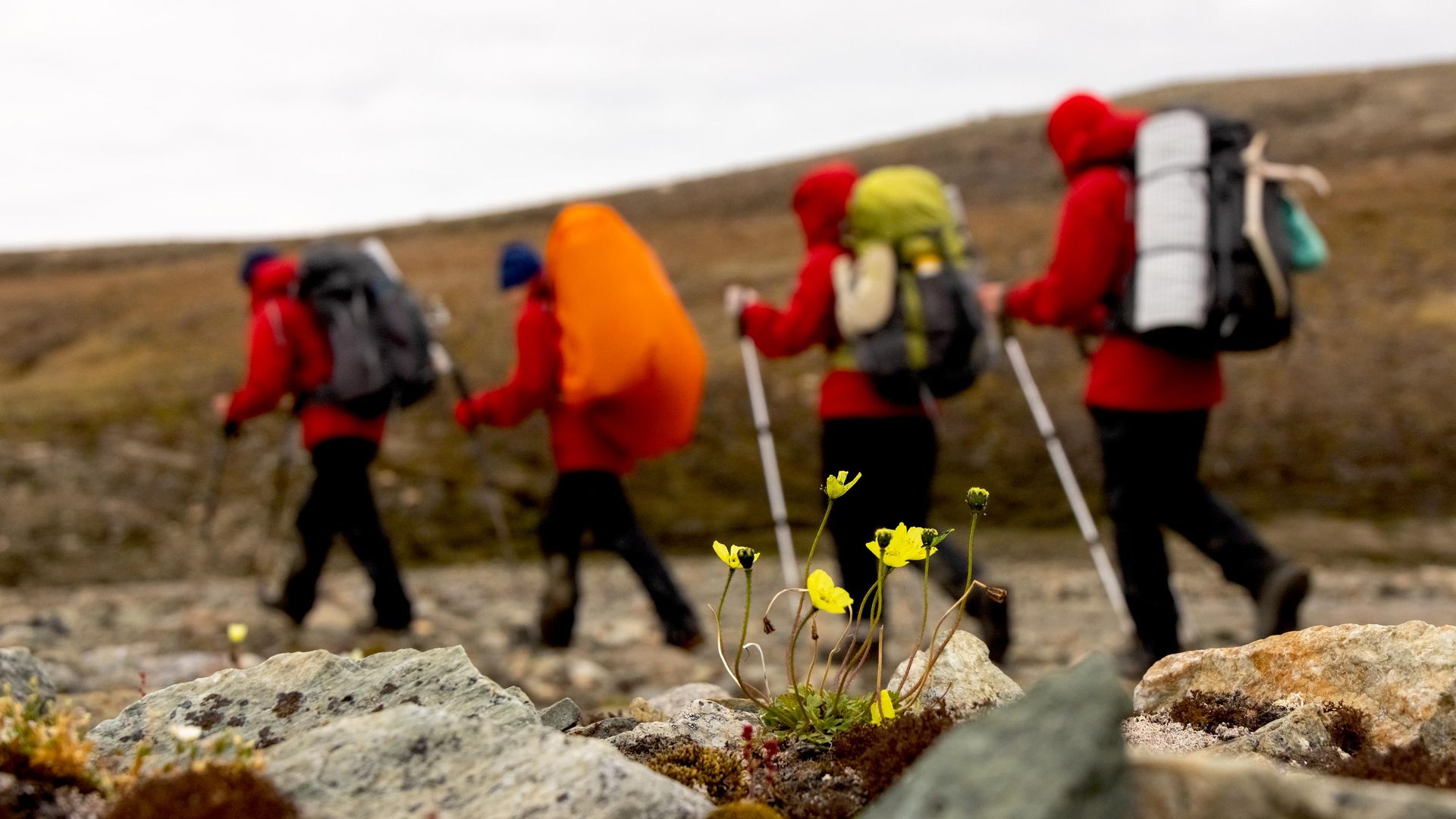
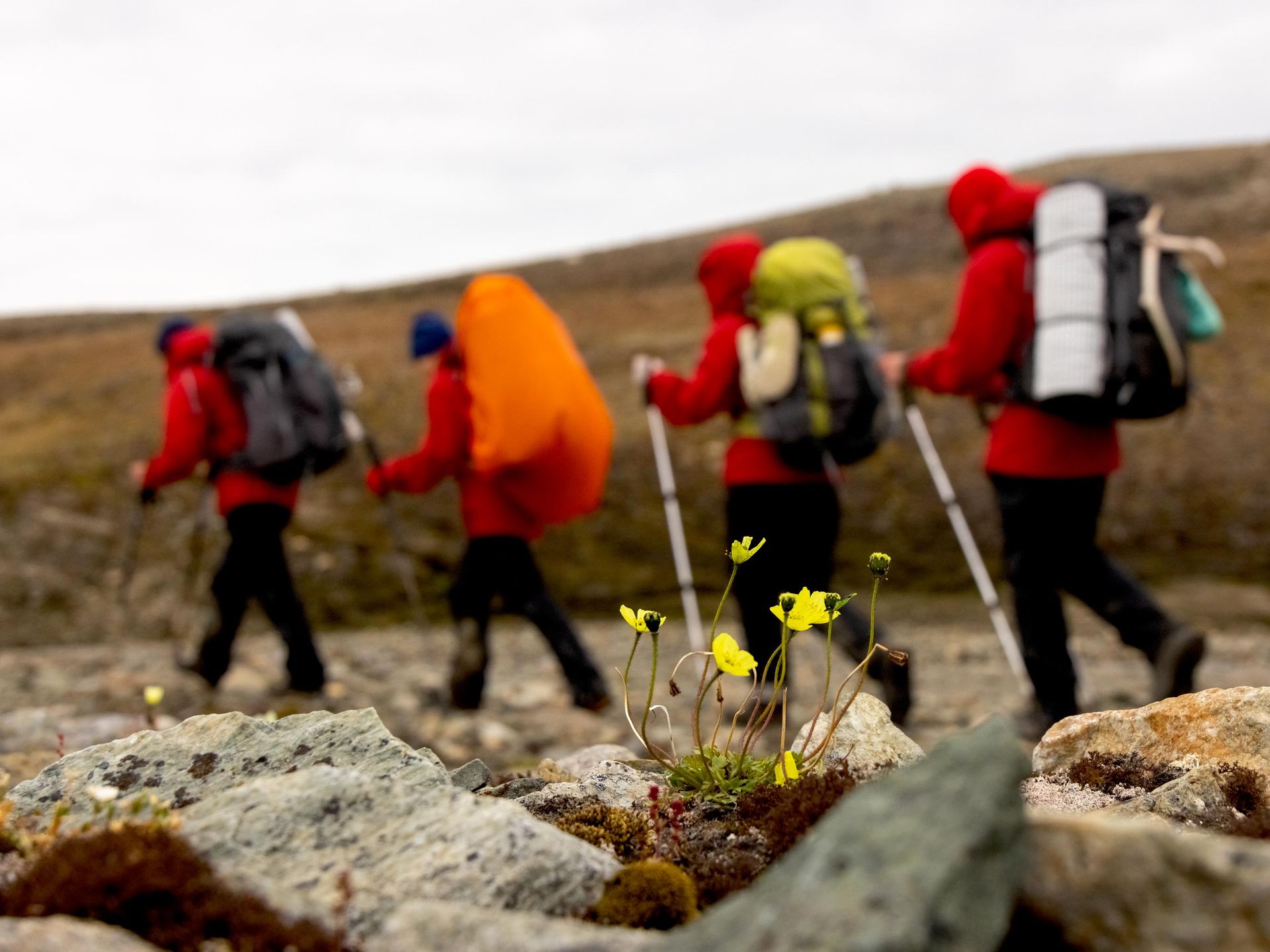
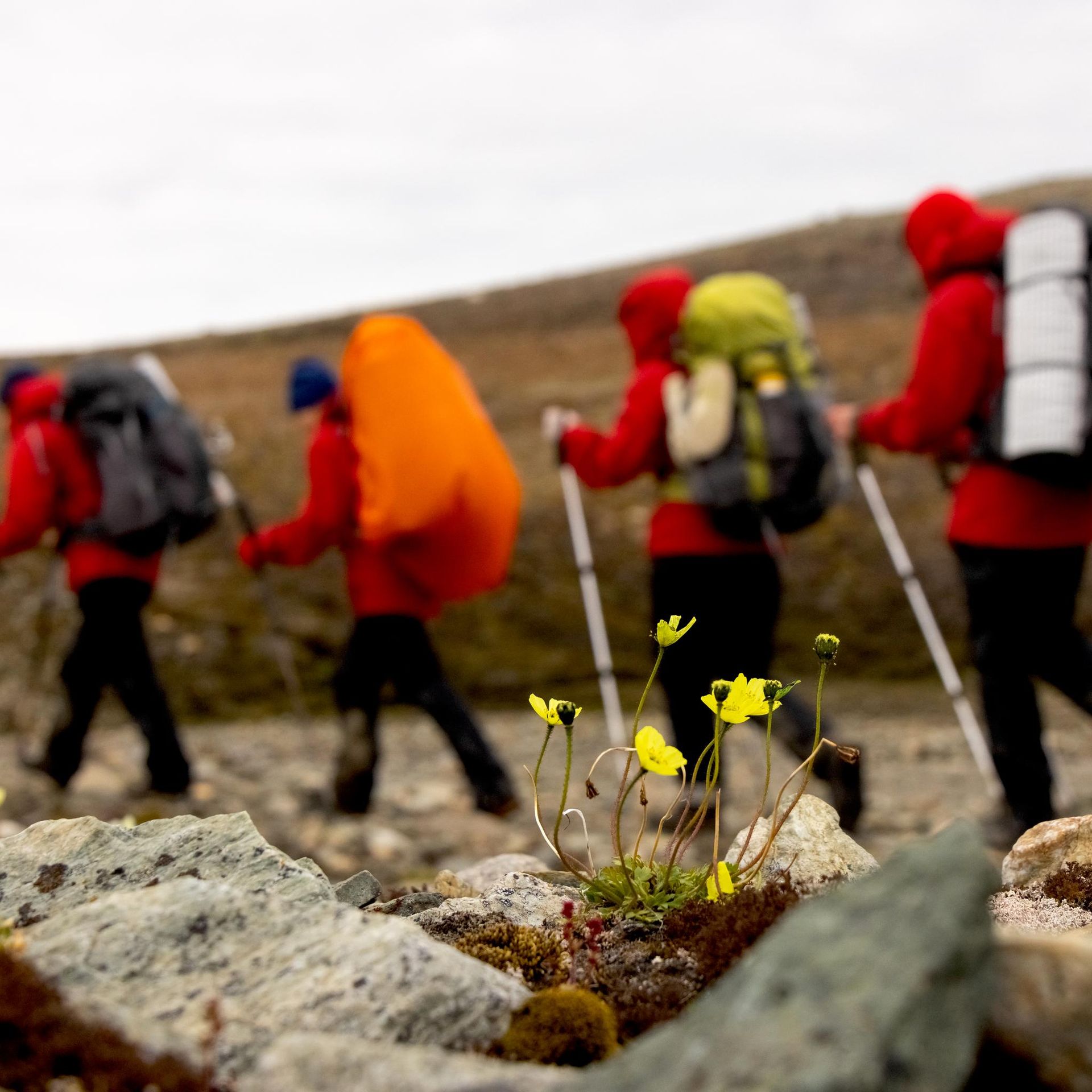
Participants of the 2025 Great Arctic Expedition collect samples for research
During the 2026 expedition, the students investigated the variety of aquatic species – creatures that live in or spend most of their life cycle in water.
“We’re hoping to discover invertebrate species that are new for the Cape Chelyuskin fauna, adding to the existing checklist for the region,” Neretina explained.
Before setting out, the participants received detailed instructions on how to collect the required samples, along with a basic set of field equipment.
“Overall, the students are doing very well with the tasks. They might lack the motivation to sit and meticulously process samples afterward, but that’s not expected of them at this stage,” Neretina added.
Expanding geographic reach and breakthrough methods
Last year, the Obukhov Institute of Atmospheric Physics joined the expedition. The students now bring back samples from Arctic lakes, which provide scientists with valuable data on carbon balance and greenhouse gas emissions – information critical to climate change research.
According to Irina Repina, chief researcher at the Laboratory of Atmosphere-Ocean Interaction, the students have taken on a new task this year: studying thermokarst lakes, which form in permafrost zones due to ground subsidence, for the presence of volatile organic compounds.
“The students’ job is to correctly collect samples for dissolved gases, carbon, and volatile organic compounds. The latter are new this year. We’ve also established a collaboration with Shanghai University, which is helping us analyze the samples,” she said.
Thanks to its partnership with the Great Arctic Expedition, the institute has significantly broadened the geographic scope of its northern lake research.
“We conduct our own studies in Yamal and Yakutia, and now we’ve added the lakes of Cape Chelyuskin to our list,” Repina noted.