09:00 17.08.2026
Northbound: A step-by-step guide to moving to the Arctic

© RIA Novosti / Pavel Lvov
The Murmansk Region is a land of rich history, unique natural beauty and tremendous potential. Like many northern territories, it needs skilled workers. In 2023, Governor Andrei Chibis launched the Northbound Employment Program to attract qualified professionals.
Read on to find out how to start a new life in one of Russia’smost promising and dynamically developing regions, and why the Murmansk Region is considered an ideal place to move with your family.
More than 1,000 people from 76 regions across Russia have headed north since the Northbound Employment Program was launched. Notably, the program has also attracted participants from other countries, including Israel, Egypt and Argentina.
When the program was launched, participation was limited to people aged 35 and younger. However, all age restrictions were lifted on January 1, 2026.
The process is straightforward. Applicants fill out an application on the official website, providing information about their professional skills and preferences for their future workplace. Each participant is then assigned a personal coordinator who provides assistance at every stage: identifying suitable job openings, arranging interviews with employers and developing an individual relocation plan.
The next step is employment. The program has signed 148 partnership agreements with leading companies and organizations in the region.
The final stage is relocation and adaptation. New arrivals are met at the airport and assisted in finding real estate agencies. They can also receive help enrolling their children in schools and kindergartens.
According to Murmansk Region Minister of Information Policy Irina Brinkova, the region has a major advantage that can be more effective and motivating than northern allowances.
The region provides comprehensive support for families, from the program called A Baby in the North to the Sugarloaf Youth Spaces and the Motherland center for gifted children. This focus on families with children is deliberate: according to the minister, one in three new residents moving to Murmansk is a child arriving with their parents.
“When parents see that the region invests in their children as seriously as an employer invests in them, the issue of northern allowances becomes secondary. We provide the most important guarantee: our children will have the best possible start here,” she stressed.
The minister believes that the key indicator of success is how many people choose to stay and build their lives in the region.
“A true victory is not simply filling a vacancy here and now, but seeing that a person has moved their family here, bought a home and plans to build their children’s future here, in the Murmansk Region,” she believes.
Trust is better than any advertising
The region is also launching complementary projects. One of them is The Arctic Lighthouse, a program for people originally from the Murmansk Region who can become ambassadors for their home region and help attract new professionals.
“We can see that trust works better than any advertising. That is why we consider developing the Lighthouse our top priority,” Irina Brinkova said.
The program will be expanded with more targeted initiatives. For example, regional authorities plan to launch a boomerang strategy aimed at bringing back young people who leave the region to attend universities in Moscow and St. Petersburg.
Plans also call for creating a network of student communities and ambassadors in key regions across Russia to support students during their studies and help them find jobs after graduation.
“When a person knows where they can return, it creates a completely different level of motivation. We should welcome our graduates back not as newcomers, but as valuable young professionals ready to conquer the Arctic – the place where they were born and that they call home,” Irina Brinkova said in conclusion.
Success stories prove the effectiveness of this program better than anything. Our correspondent spoke with several participants to find out why they decided to relocate and what they like most about the Murmansk Region.
Never a dull moment
Originally from Bashkortostan, Dinara, 28, worked as a production engineer in the timber-processing industry. She spent two years considering a move before finally taking the plunge. She learned about the program on the Work in Russia portal, submitted an application and attached her résumé, and was soon contacted by a coordinator. Dinara recalls that she had a telephone interview, was offered a job and began preparing for her move to Murmansk almost immediately.
The young woman says her coordinator not only met her at the railway station and drove her to Zapolyarny, but also helped with practical matters and provided moral support.
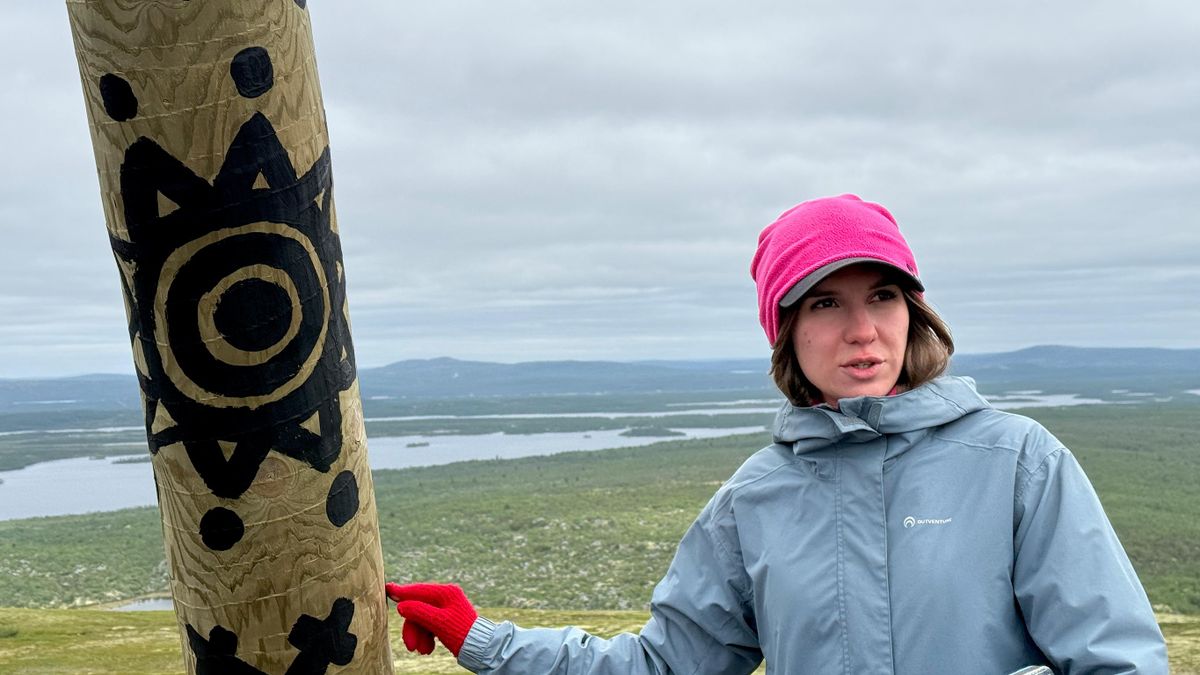
Dinara says she was struck by the unusual proximity of urban life and nature in her new home.
“Here, I can enjoy the views of the hills and the surrounding wilderness every day. Just 15 minutes from home, and you’re already in the woods. It’s very important to me to be close to nature and recharge there,” she said.


1/3
Dinara Yumagulova
© Dinara Yumagulova
2/3
Lolita Kuznetsova and her husband
© Lolita Kuznetsova
3/3
Lolita Kuznetsova
© Lolita Kuznetsova
Another example is Lolita, a dentist. After graduating from the First Medical University in St. Petersburg, she followed her husband to Monchegorsk. She learned about the program from her husband and decided to apply right away. She filled out an application on the website, and a coordinator contacted her the same day.
“The next day, she came back with several job openings. We contacted a local clinic almost immediately, and I started working just a week later,” she recalls.
Lolita also praises Monchegorsk’s vibrant cultural life and its incredibly clean, soothing natural environment.
“I would definitely recommend leaving the city, where you live with a constant sense of anxiety and stress. Here, you can live a full and eventful life. I’ve never been to so many concerts anywhere else. There’s never a dull moment,” Lolita says.