https://en.arctic.ru
Southeast Asian nations could become Russia’s partners in developing TATC
Southeast Asian nations could become Russia’s partners in developing TATC
Arctic.ru: Discover how Russia implements its development goals in the Arctic and the Far East
2026-08-13T19:50
2026-08-13T19:50
2026-08-14T15:22
news
arkhangelsk region
infrastructure
international cooperation
/img/07ea/08/0d/1679024_0:0:3072:1728_1920x0_80_0_0_62d3b7d51b73fbf6844e48c327c7bdc5.jpg
Southeast Asian countries could become Russia’s key partners in developing the Trans-Arctic Transport Corridor (TATC), Igor Levitin, Advisor to the President of the Russian Federation and Special Presidential Representative for International Cooperation in Transport, said at the 4th Arctic – Regions Forum in Arkhangelsk.According to Levitin, these nations are currently facing challenges in conducting international trade with Europe, Latin America, and North America.“This is precisely what we are discussing with our Chinese and Indian partners: we are taking on the task of linking routes into the Trans-Arctic Transport Corridor and the North-South Transport Corridor. The idea is to create a unified, multimodal transportation and logistics system. To this end, Russian companies are currently establishing joint ventures with companies from other countries,” Igor Levitin said.He added that Rosatom, in cooperation with one of Russia’s partner countries, has set up an organization that will operate a major multimodal hub in Vladivostok, where cargo for transportation along the TATC will be consolidated. A second such hub will be created in Murmansk. Meanwhile, Arkhangelsk will serve as a key anchor point for the corridor, with cargo routed from there to Central Russia.According to Irina Gekht, Governor of the Nenets Autonomous Area, the deep-water, ice-free port of Indiga has also been incorporated into the TATC network.“We are currently seeking anchor investors who will ensure the necessary cargo flow. We have a clear understanding of the development stages: initially, the port will operate as a transshipment point, and later the construction of a railway branch to Sosnogorsk will make container shipments possible,” the Governor said.
https://en.arctic.ru/20260813/1677647.html
2026
Новости
ru-RU
https://en.arctic.ru/docs/about/copyright.html
https://xn--c1acbl2abdlkab1og.xn--p1ai/
/img/07ea/08/0d/1679024_222:0:2953:2048_1920x0_80_0_0_8fc403077a17e6a636d133732f86d311.jpgnews, arkhangelsk region, infrastructure, international cooperation
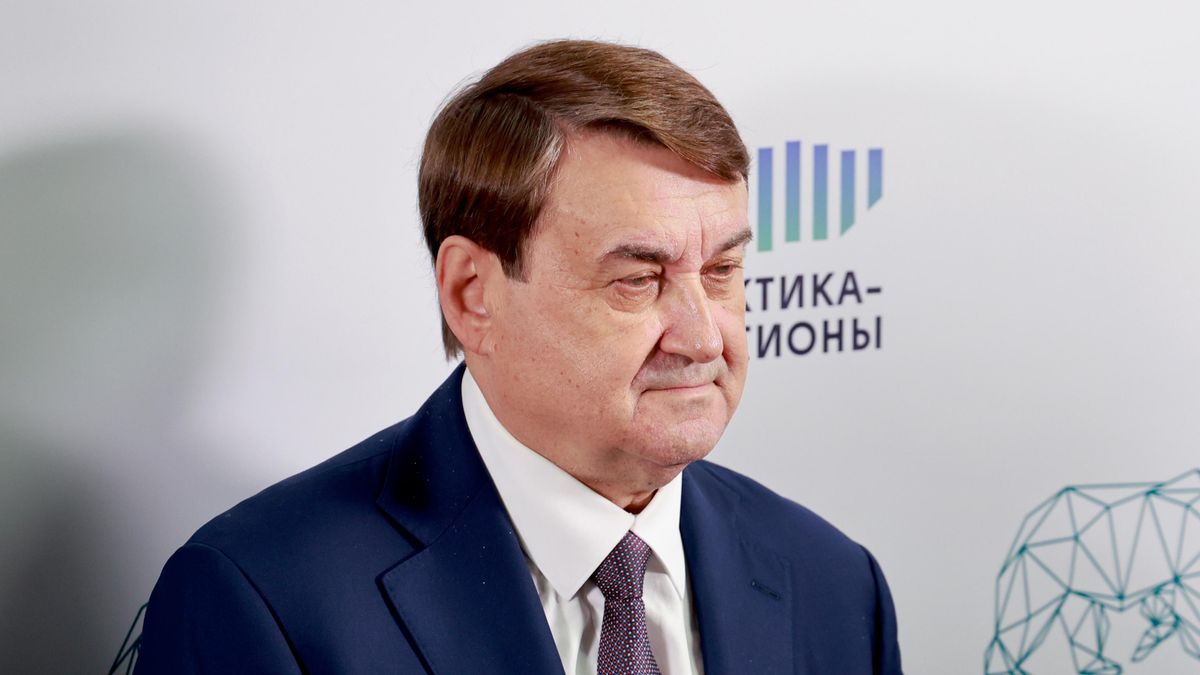
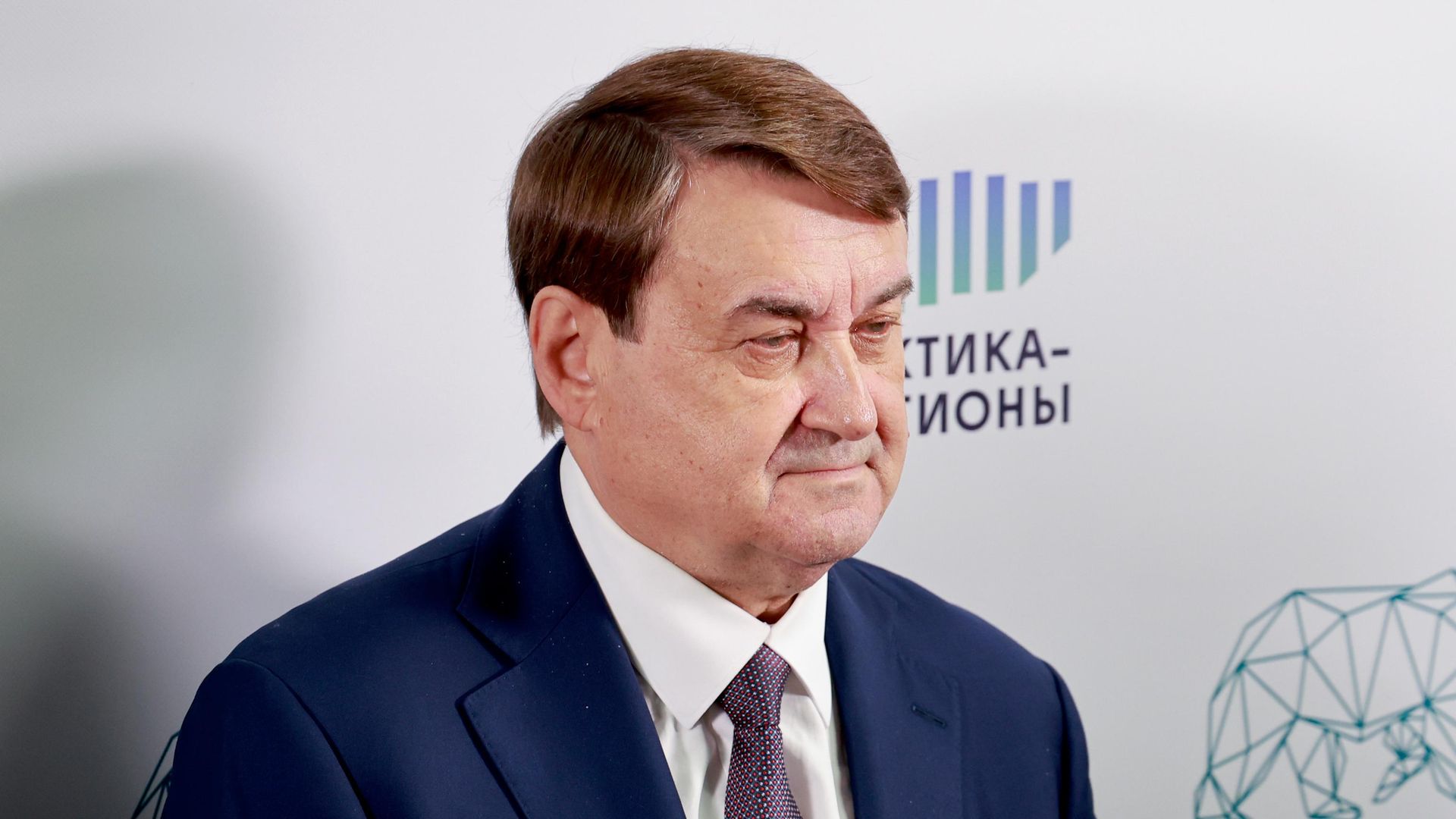
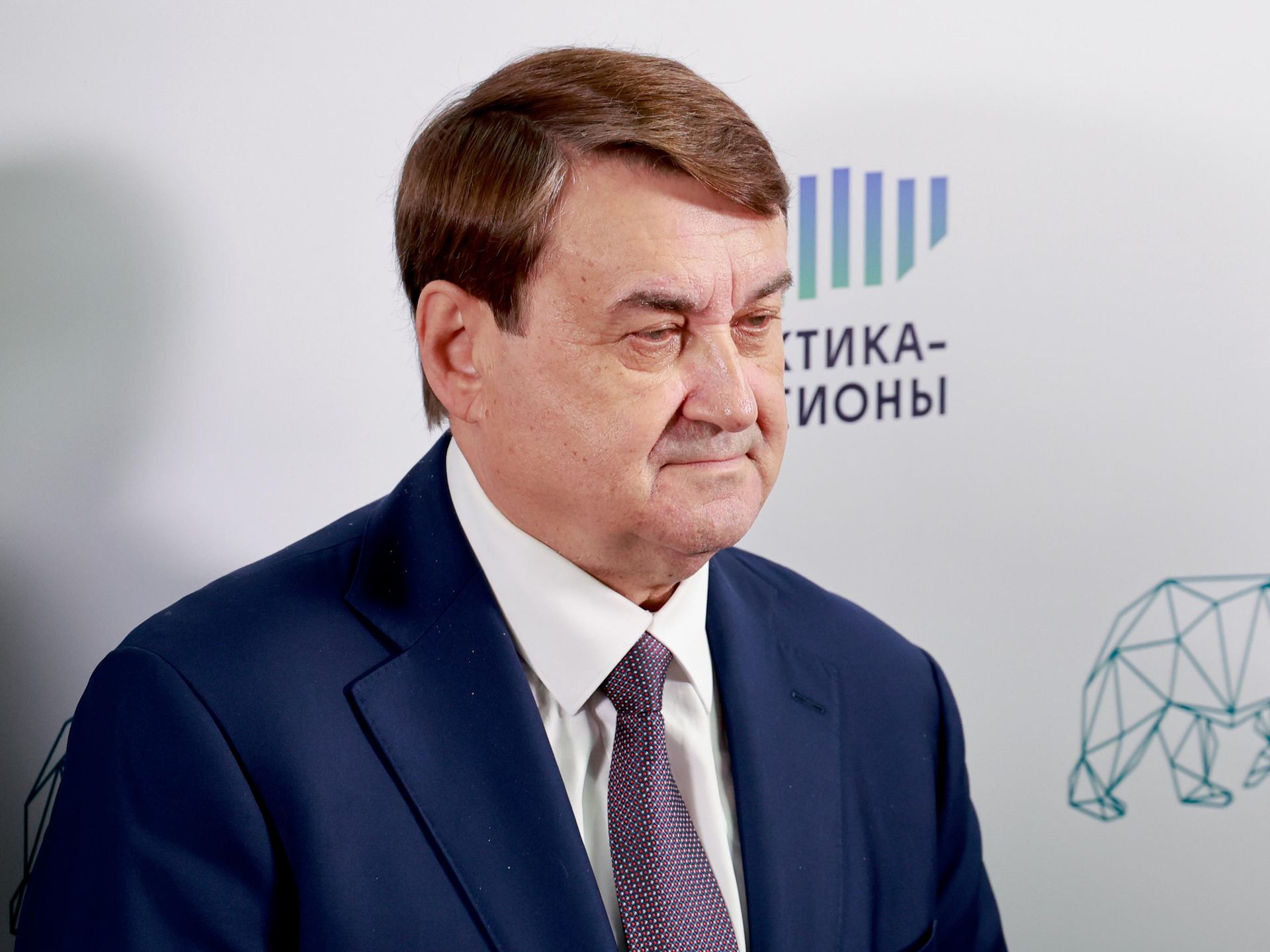
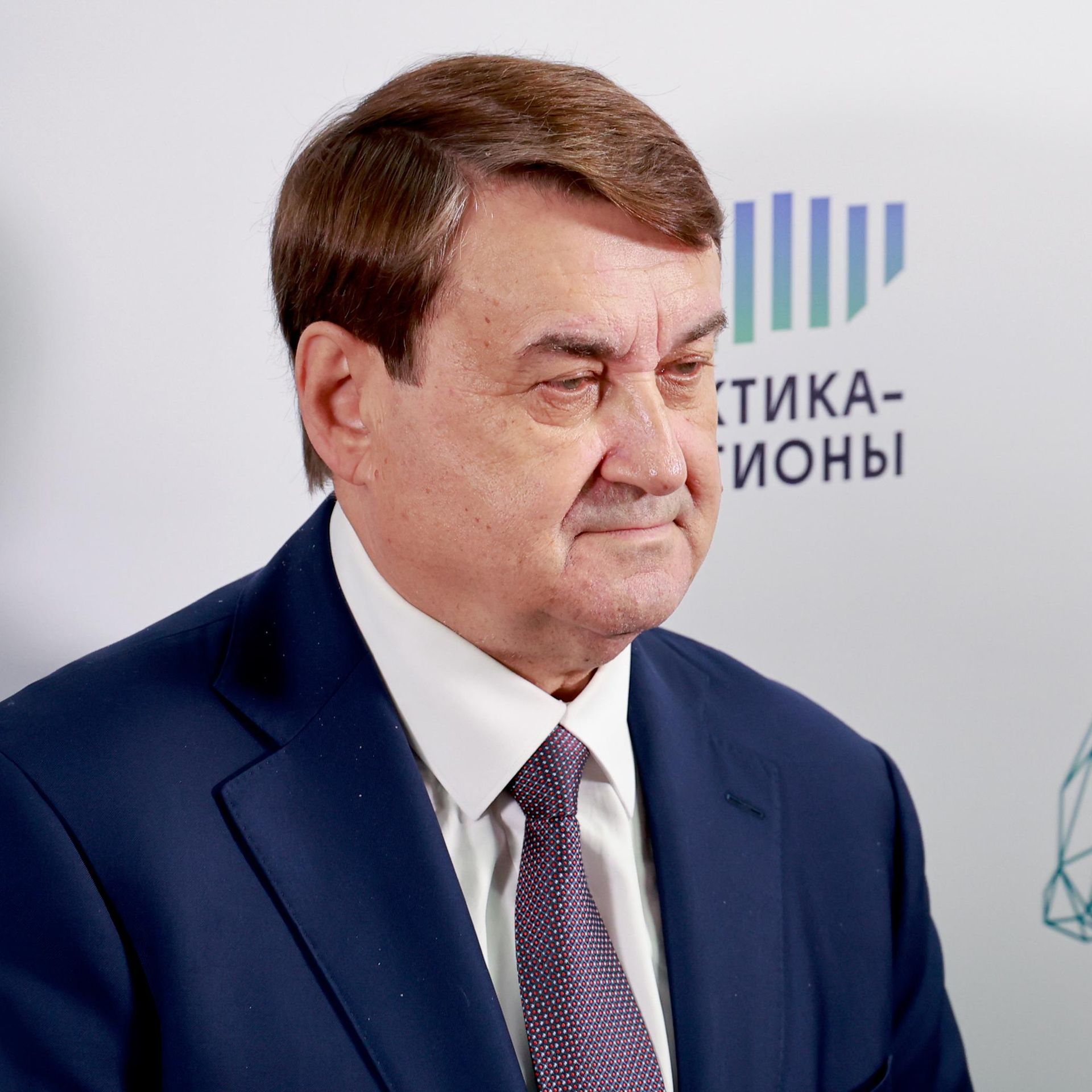
Southeast Asian countries could become Russia’s key partners in developing the Trans-Arctic Transport Corridor (TATC), Igor Levitin, Advisor to the President of the Russian Federation and Special Presidential Representative for International Cooperation in Transport, said at the 4th Arctic – Regions Forum in Arkhangelsk.
According to Levitin, these nations are currently facing challenges in conducting international trade with Europe, Latin America, and North America.
“This is precisely what we are discussing with our Chinese and Indian partners: we are taking on the task of linking routes into the Trans-Arctic Transport Corridor and the North-South Transport Corridor. The idea is to create a unified, multimodal transportation and logistics system. To this end, Russian companies are currently establishing joint ventures with companies from other countries,” Igor Levitin said.
He added that Rosatom, in cooperation with one of Russia’s partner countries, has set up an organization that will operate a major multimodal hub in Vladivostok, where cargo for transportation along the TATC will be consolidated. A second such hub will be created in Murmansk. Meanwhile, Arkhangelsk will serve as a key anchor point for the corridor, with cargo routed from there to Central Russia.
According to Irina Gekht, Governor of the Nenets Autonomous Area, the deep-water, ice-free port of Indiga has also been incorporated into the TATC network.
“We are currently seeking anchor investors who will ensure the necessary cargo flow. We have a clear understanding of the development stages: initially, the port will operate as a transshipment point, and later the construction of a railway branch to Sosnogorsk will make container shipments possible,” the Governor said.