https://en.arctic.ru
‘Solution factory’ for the Arctic: Arkhangelsk Region Governor outlines five strategic avenues
‘Solution factory’ for the Arctic: Arkhangelsk Region Governor outlines five strategic avenues
Arctic.ru: Discover how Russia implements its development goals in the Arctic and the Far East
2026-08-13T14:13
2026-08-13T14:13
2026-08-13T17:03
news
arkhangelsk region
infrastructure
/img/07ea/08/0d/1677822_0:16:3072:1743_1920x0_80_0_0_f9d9db5311838f1de1c3824bbcd90f42.jpg
At the 4th Arctic – Regions Forum in Arkhangelsk, Governor Alexander Tsybulsky presented a strategic vision for the region’s role in developing the Russian Arctic during the plenary session on Technological Leadership Protecting the Arctic. He argued that the Arctic must cease to be merely a resource extraction territory and become a platform for shaping the economy of the future.The Arkhangelsk Region, he said, is well-positioned to serve as a ‘solution factory’ – a hub where new models of logistics, industry, technology, and financing can be developed and tested, and subsequently replicated across the Russian Arctic zone.The Governor stressed the importance of building a trans-Arctic transport corridor and further developing the Northern Sea Route, which, he said, should become a fully-fledged international shipping lane with clear timelines, transparent costs, and well-developed terminal infrastructure.“To achieve this, the transport hub in Arkhangelsk is being modernized and a deep-water seaport is under construction,” he noted. “The plan is to develop not only transshipment facilities but also industrial sites around the port to create an Arctic industrial and logistics hub.”Tsybulsky also emphasized the importance of expanding and modernizing the Arctic fleet through the shipyards in Severodvinsk. Rather than building new shipyards, he proposed pooling the expertise of existing enterprises (Sevmash, Zvezdochka, Arktika, and others) into a coordinated system where each organization would handle specific stages of work, including hull construction, technological operations, and vessel maintenance.The Governor also addressed the need for a fresh investment model in the Arctic, arguing that current tax incentives are insufficient to attract major investors.“We need territories where investors don’t come to a bare plot of land with nothing but tax breaks – they should come to a fully prepared site with energy, roads, rail access, utility networks, and a clear timeline for project delivery,” he said.Tsybulsky also proposed positioning the region as a technological testing ground for Arctic innovations.“The region can become a platform for high-latitude testing of technologies in authentic northern conditions: autonomous navigation, unmanned systems, AI, port robotics, digital twins, and new materials,” he said.To this end, authorities plan to establish an innovation testing ground and application centers at the Arctic Star campus, enabling companies to complete the entire cycle from laboratory development to full-scale field testing.In concluding his address, Tsybulsky identified the ultimate measure of success for all Arctic projects: people. He argued that progress should be measured not only by investment volumes and cargo tonnage, but also by the number of high-quality jobs created, the quality of the social environment, and the accessibility of housing, healthcare, and education.“I would propose introducing the concept of ‘human impact of investments,’" he said. “Because the Arctic’s main capital is the people who choose to stay here.”The Governor suggested gradually incorporating this criterion into the evaluation of major Arctic projects going forward.
https://en.arctic.ru/20260423/1432633.html
2026
Новости
ru-RU
https://en.arctic.ru/docs/about/copyright.html
https://xn--c1acbl2abdlkab1og.xn--p1ai/
/img/07ea/08/0d/1677822_97:0:2828:2048_1920x0_80_0_0_94a8d4b0e3fd90772eac7d717f35c091.jpgnews, arkhangelsk region, infrastructure
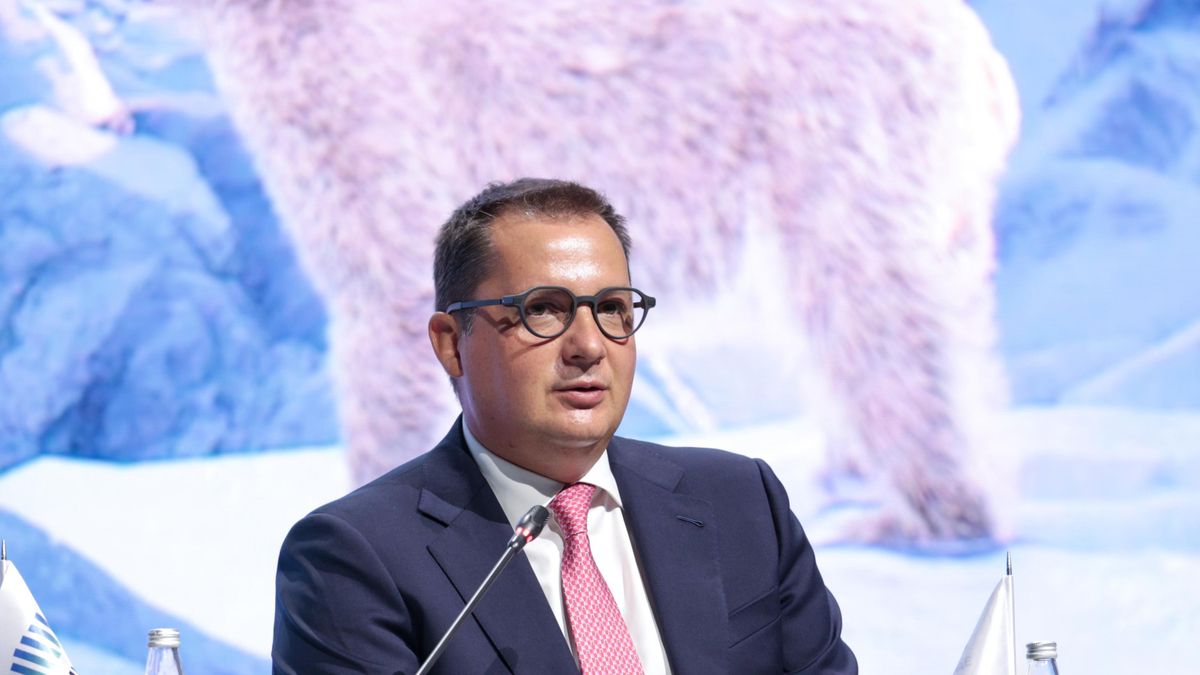
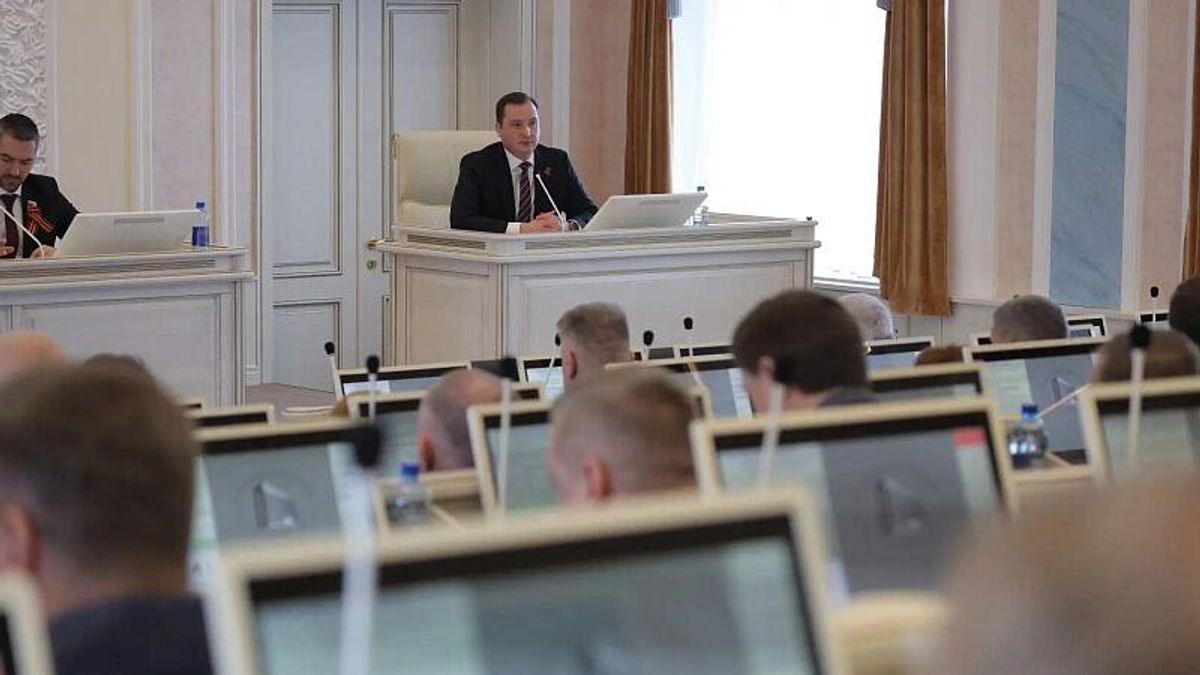
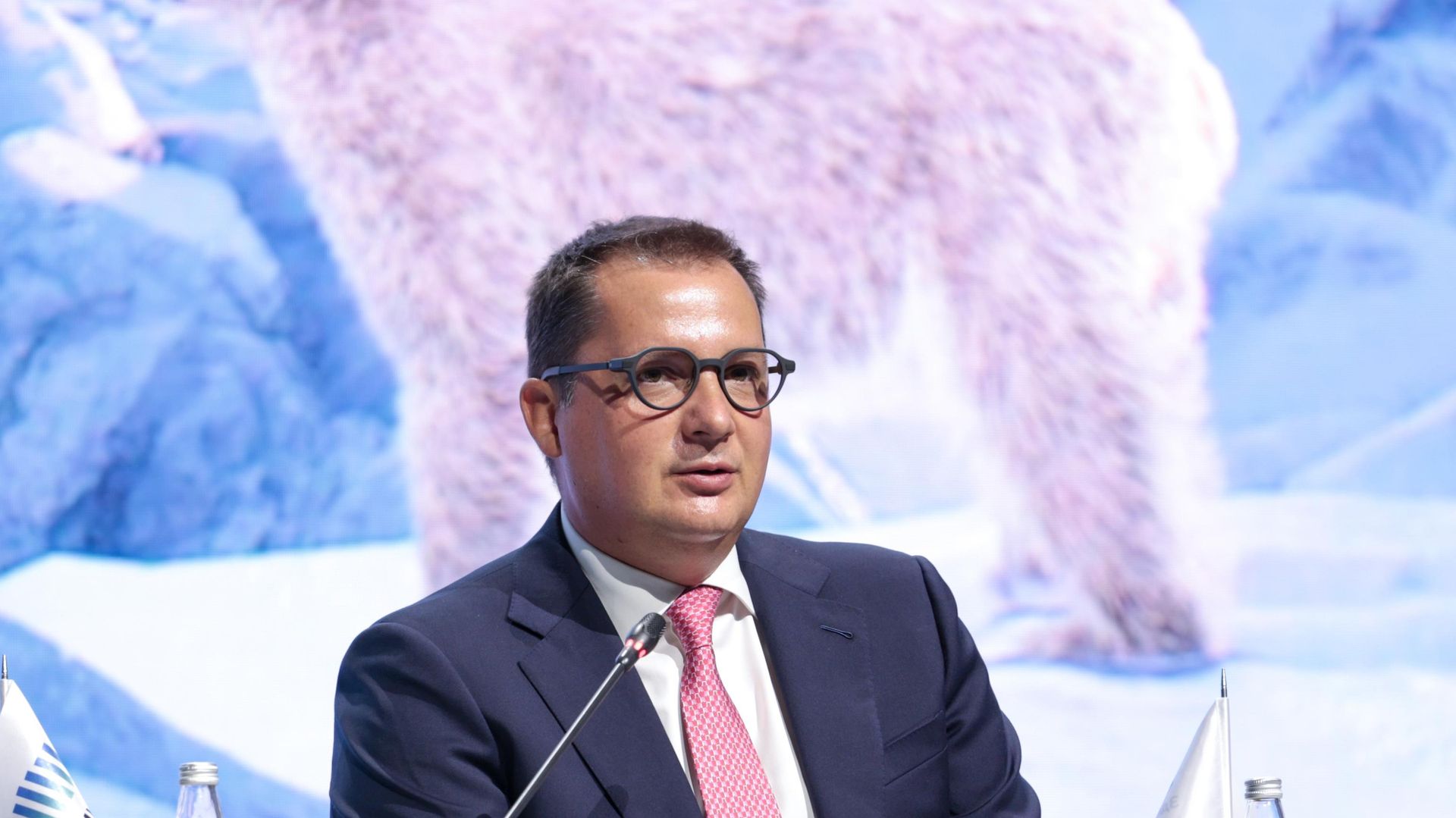
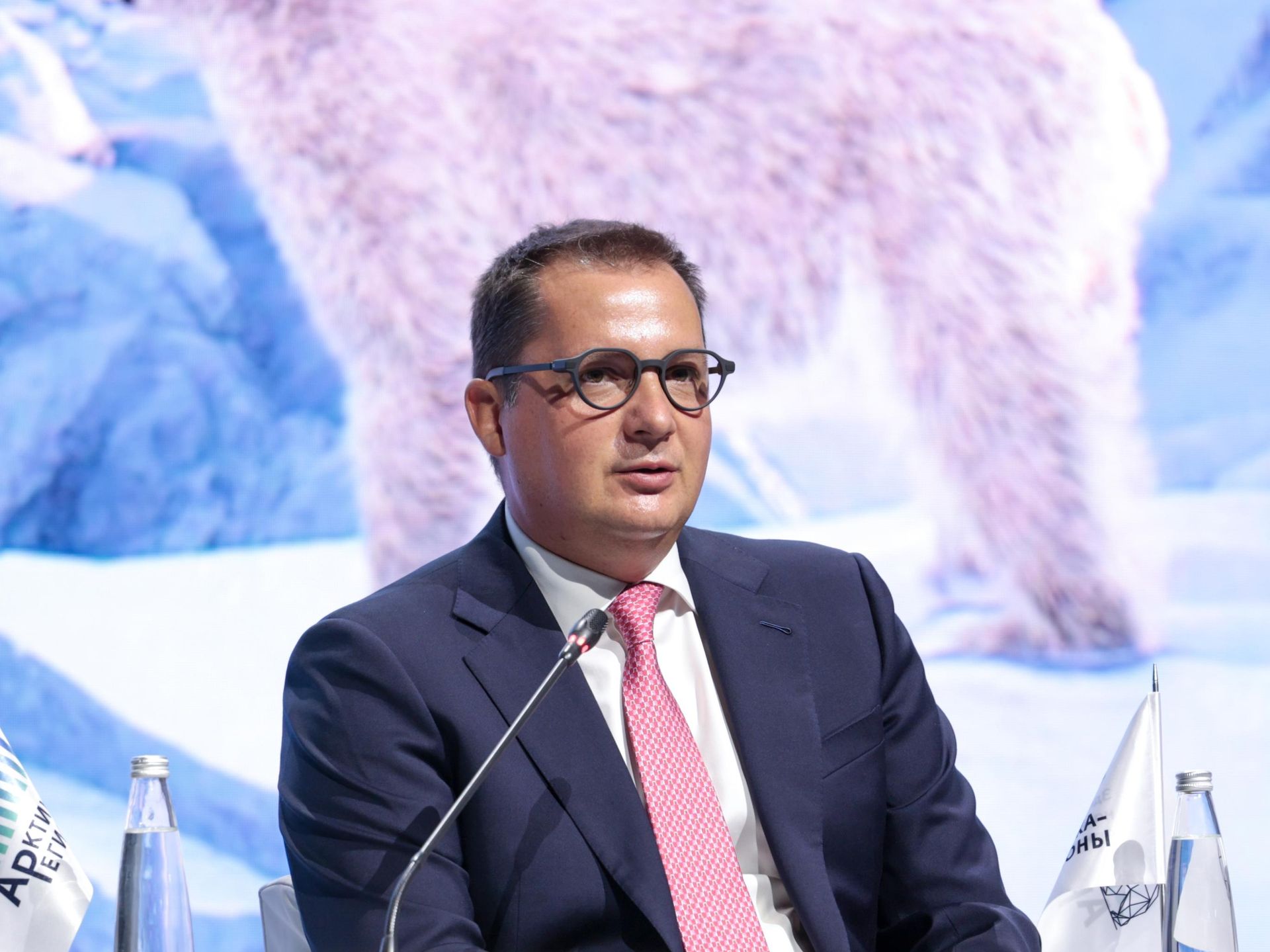
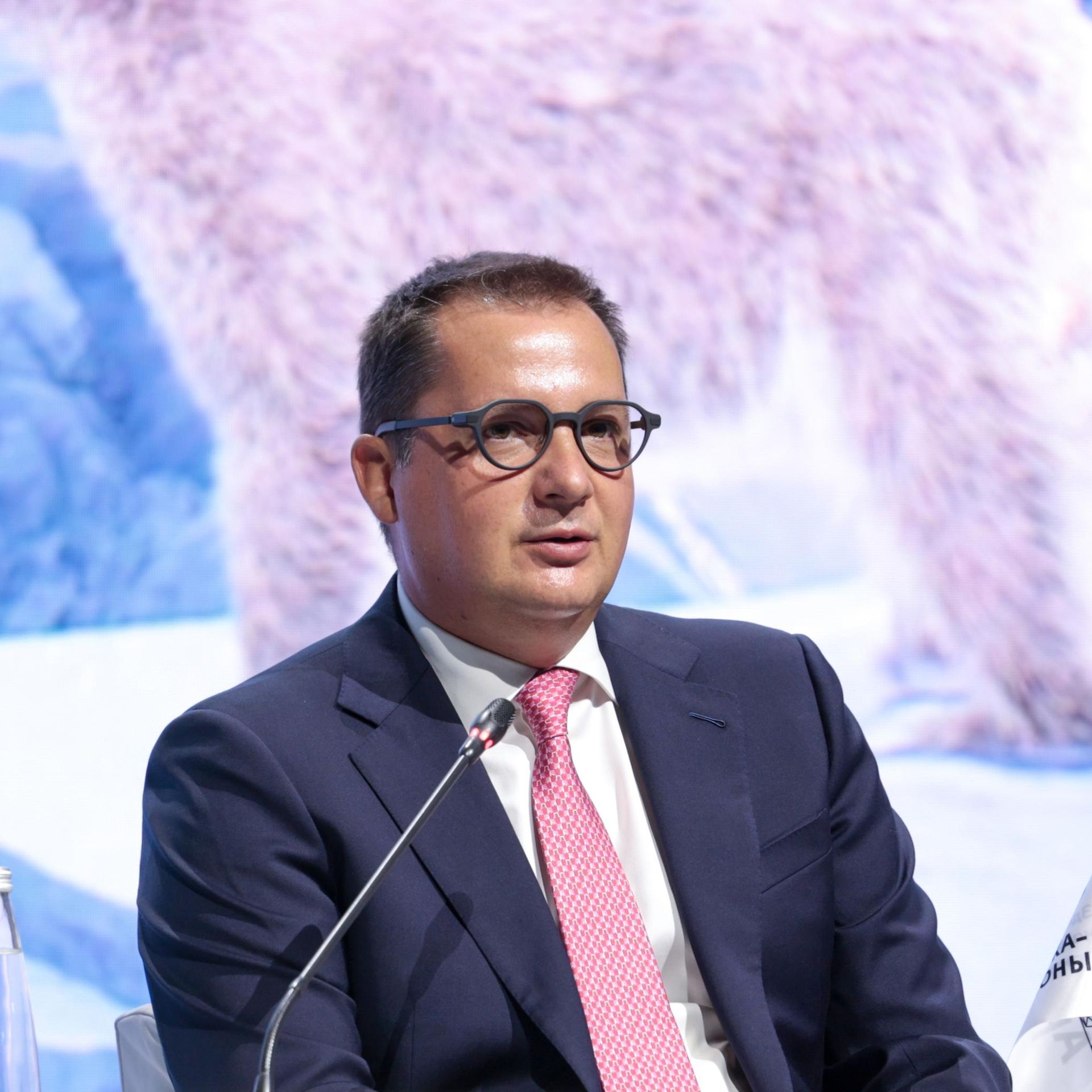
At the 4th Arctic – Regions Forum in Arkhangelsk, Governor Alexander Tsybulsky presented a strategic vision for the region’s role in developing the Russian Arctic during the plenary session on Technological Leadership Protecting the Arctic. He argued that the Arctic must cease to be merely a resource extraction territory and become a platform for shaping the economy of the future.
The Arkhangelsk Region, he said, is well-positioned to serve as a ‘solution factory’ – a hub where new models of logistics, industry, technology, and financing can be developed and tested, and subsequently replicated across the Russian Arctic zone.
The Governor stressed the importance of building a trans-Arctic transport corridor and further developing the Northern Sea Route, which, he said, should become a fully-fledged international shipping lane with clear timelines, transparent costs, and well-developed terminal infrastructure.
“To achieve this, the transport hub in Arkhangelsk is being modernized and a deep-water seaport is under construction,” he noted. “The plan is to develop not only transshipment facilities but also industrial sites around the port to create an Arctic industrial and logistics hub.”
Tsybulsky also emphasized the importance of expanding and modernizing the Arctic fleet through the shipyards in Severodvinsk. Rather than building new shipyards, he proposed pooling the expertise of existing enterprises (Sevmash, Zvezdochka, Arktika, and others) into a coordinated system where each organization would handle specific stages of work, including hull construction, technological operations, and vessel maintenance.
“This will allow us to make effective use of our existing industrial capacity and develop a new model of cooperation,” he explained.
The Governor also addressed the need for a fresh investment model in the Arctic, arguing that current tax incentives are insufficient to attract major investors.
“We need territories where investors don’t come to a bare plot of land with nothing but tax breaks – they should come to a fully prepared site with energy, roads, rail access, utility networks, and a clear timeline for project delivery,” he said.
Tsybulsky also proposed positioning the region as a technological testing ground for Arctic innovations.
“The region can become a platform for high-latitude testing of technologies in authentic northern conditions: autonomous navigation, unmanned systems, AI, port robotics, digital twins, and new materials,” he said.
To this end, authorities plan to establish an innovation testing ground and application centers at the Arctic Star campus, enabling companies to complete the entire cycle from laboratory development to full-scale field testing.
In concluding his address, Tsybulsky identified the ultimate measure of success for all Arctic projects: people. He argued that progress should be measured not only by investment volumes and cargo tonnage, but also by the number of high-quality jobs created, the quality of the social environment, and the accessibility of housing, healthcare, and education.
“I would propose introducing the concept of ‘human impact of investments,’" he said. “Because the Arctic’s main capital is the people who choose to stay here.”
The Governor suggested gradually incorporating this criterion into the evaluation of major Arctic projects going forward.