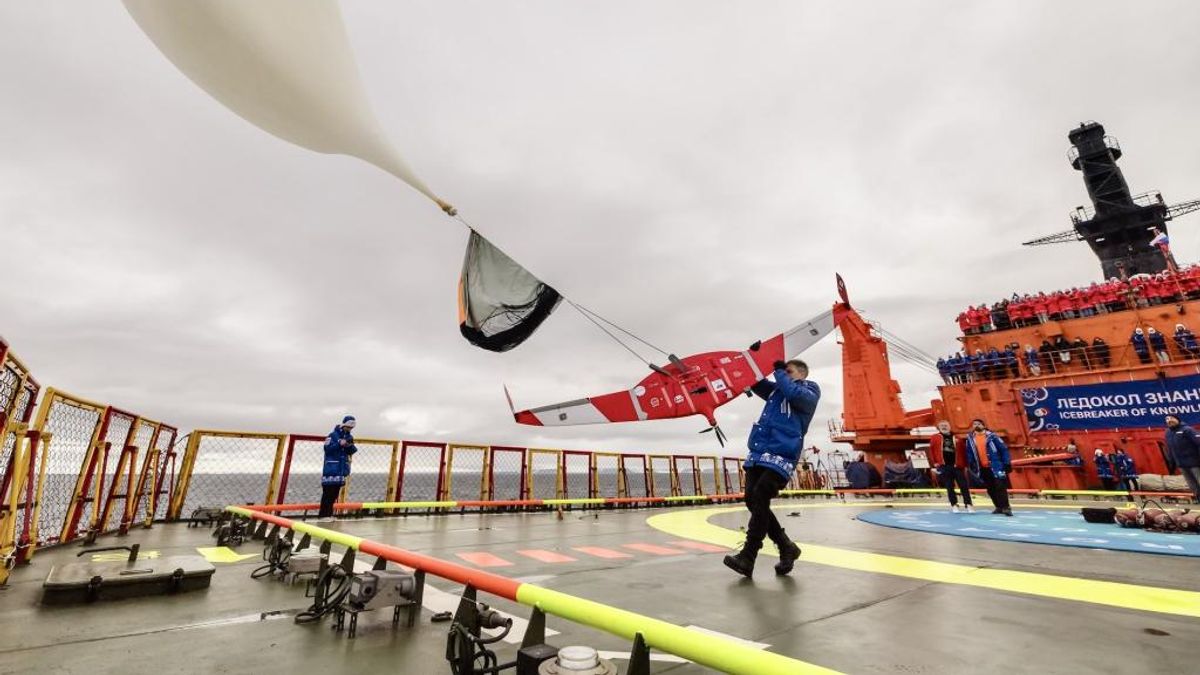
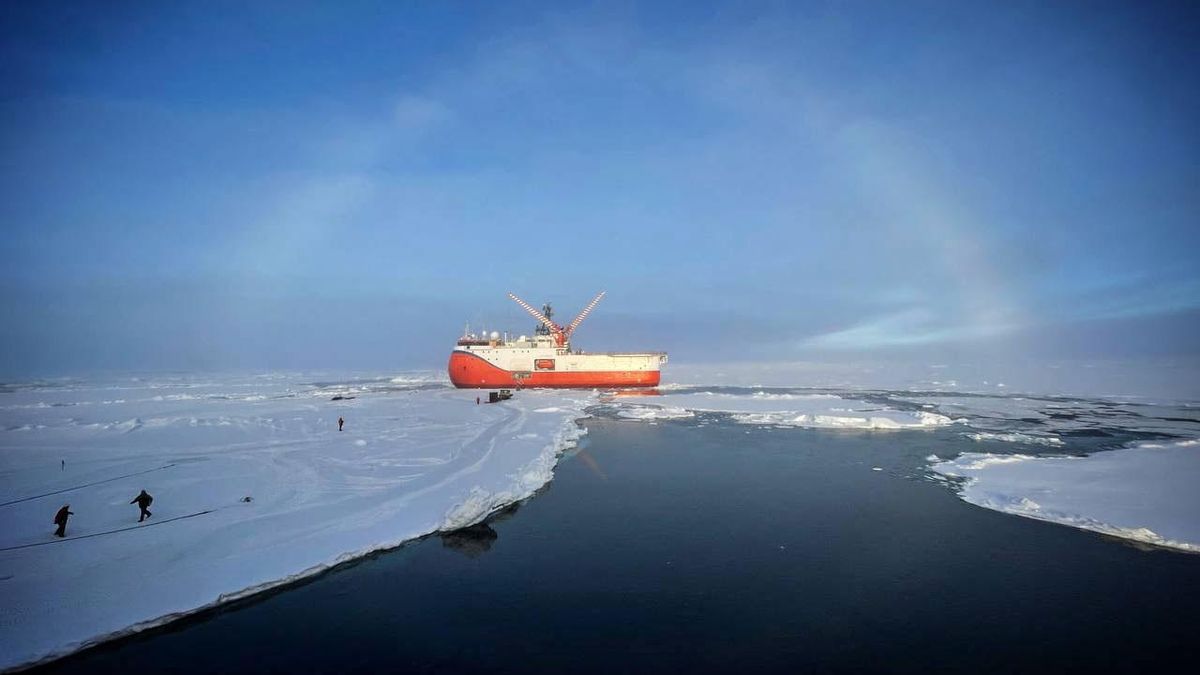
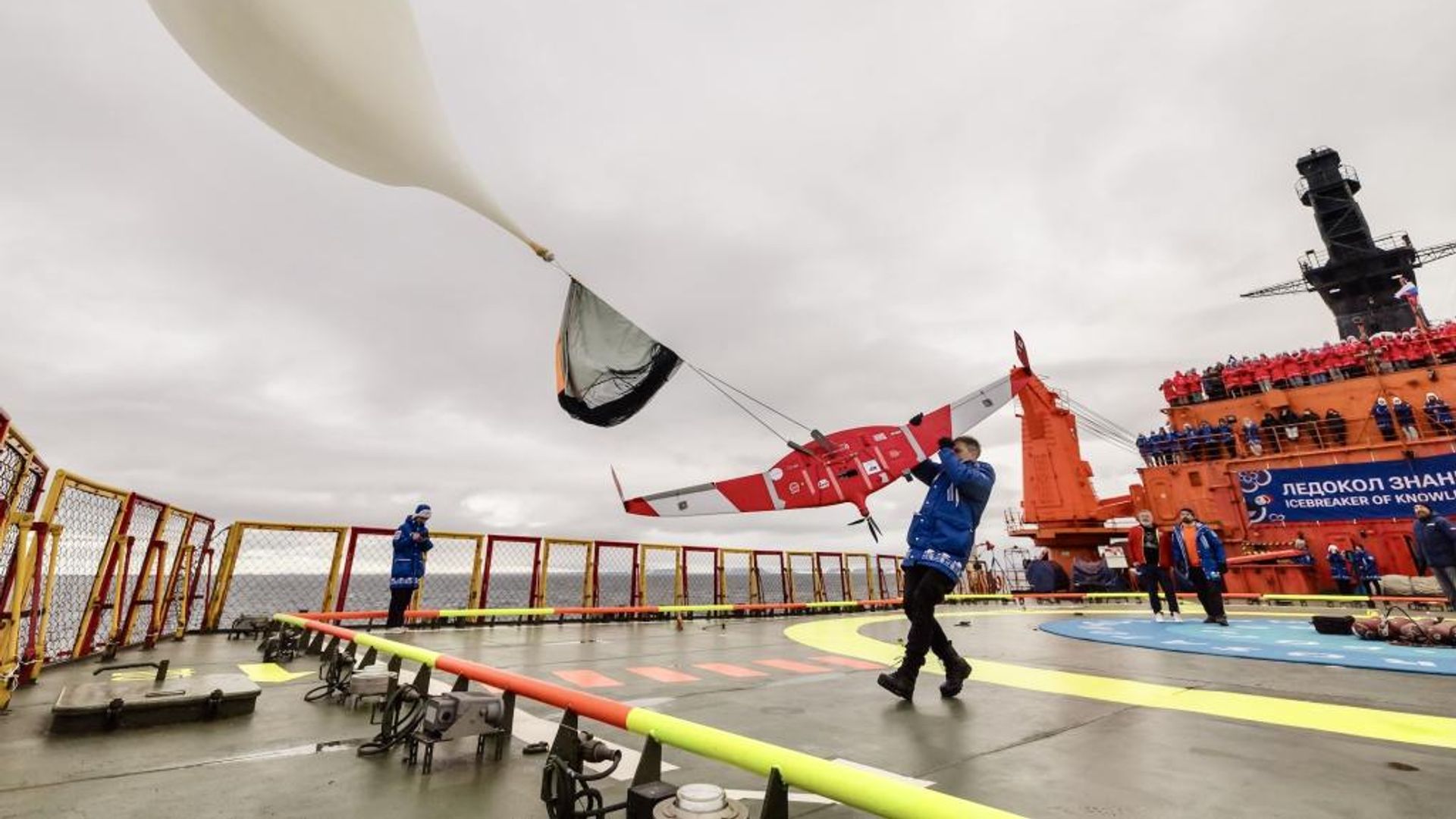
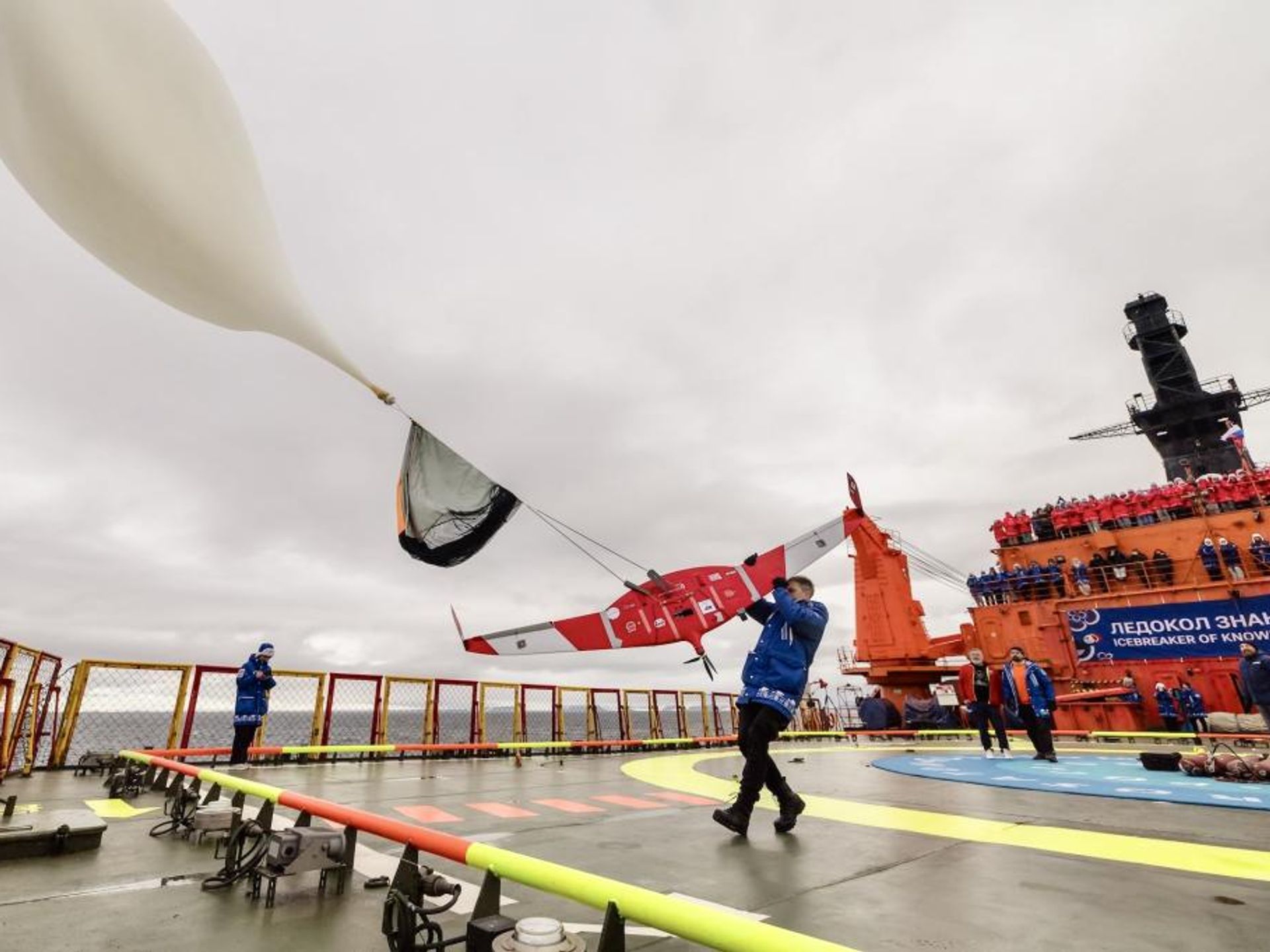
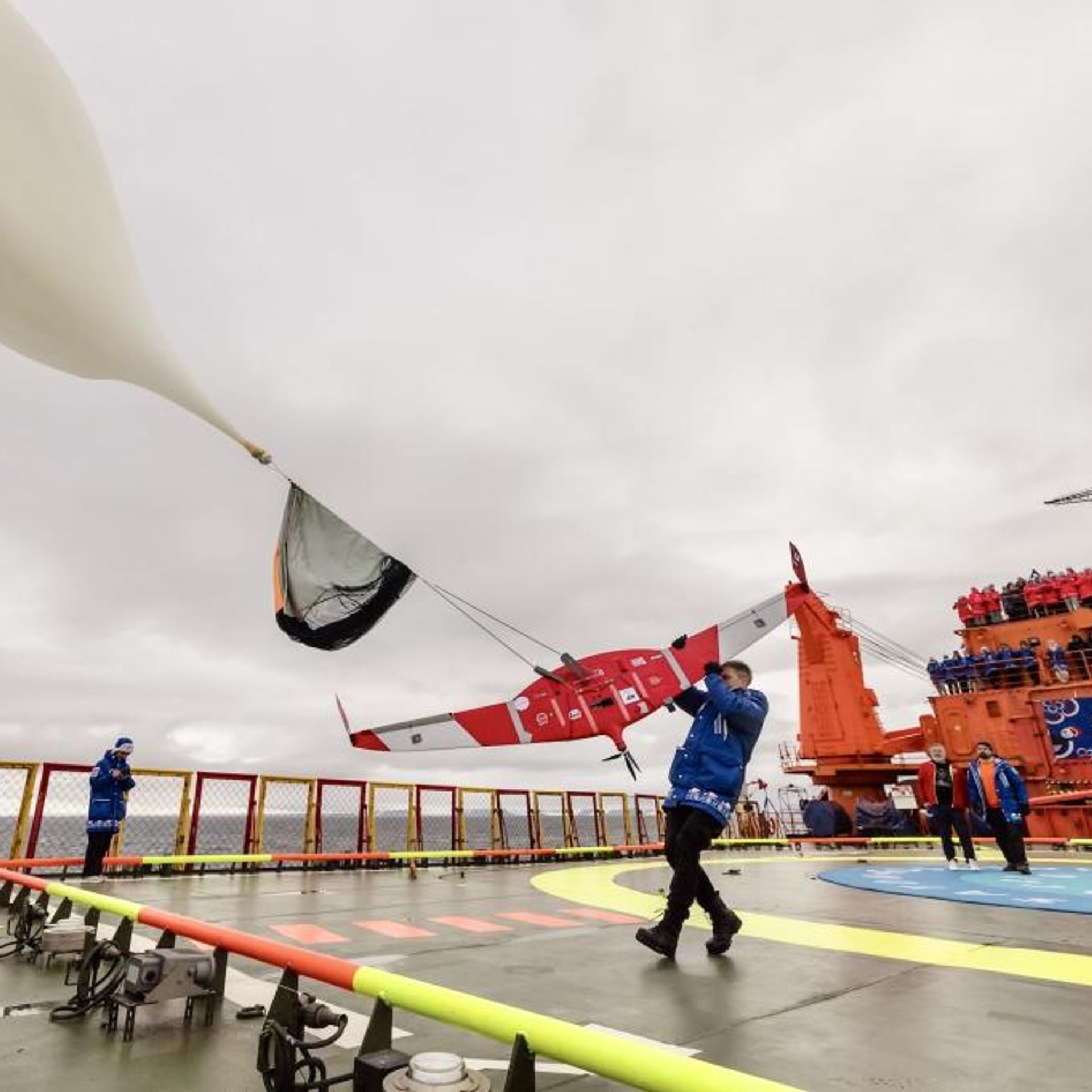
Russian scientists have successfully launched a recoverable stratospheric platform in the Arctic for the first time, marking a historic milestone in high-latitude aerospace testing. The platform is intended to monitor shipping along the Northern Sea Route (NSR), conduct environmental assessments, and enhance communications across the Arctic region. The Murmansk Arctic University reported the achievement on its official website.The stratospheric balloon was launched from the nuclear-powered icebreaker 50 Let Pobedy (50 Years of Victory) near the Franz Josef Land archipelago. It ascended to an altitude of more than 15 kilometers, covered a distance of over 100 kilometers, and made a pinpoint landing at its predetermined target point.“The crew of the 50 Let Pobedy icebreaker is proud to have assisted Russian scientists in conducting this experiment,” said Captain Ruslan Sasov. “The findings will contribute to navigational safety in NSR waters and support environmental monitoring efforts across the Arctic.”The test represents an important step towards building an independent Arctic monitoring system that does not rely on data from foreign satellites. The results are expected to provide a technological foundation for improving the quality and expanding the range of communications equipment along the entire Northern Sea Route.
Russian scientists have successfully launched a recoverable stratospheric platform in the Arctic for the first time, marking a historic milestone in high-latitude aerospace testing. The platform is intended to monitor shipping along the Northern Sea Route (NSR), conduct environmental assessments, and enhance communications across the Arctic region. The Murmansk Arctic University reported the achievement on its official website.
The stratospheric balloon was launched from the nuclear-powered icebreaker 50 Let Pobedy (50 Years of Victory) near the Franz Josef Land archipelago. It ascended to an altitude of more than 15 kilometers, covered a distance of over 100 kilometers, and made a pinpoint landing at its predetermined target point.
“The crew of the 50 Let Pobedy icebreaker is proud to have assisted Russian scientists in conducting this experiment,” said Captain Ruslan Sasov. “The findings will contribute to navigational safety in NSR waters and support environmental monitoring efforts across the Arctic.”
The test represents an important step towards building an independent Arctic monitoring system that does not rely on data from foreign satellites. The results are expected to provide a technological foundation for improving the quality and expanding the range of communications equipment along the entire Northern Sea Route.