10:00 31.07.2026
Sergei Zybko: I have always preferred making unconventional decisions and thinking outside the box
© Russian Arctic and Far East Development
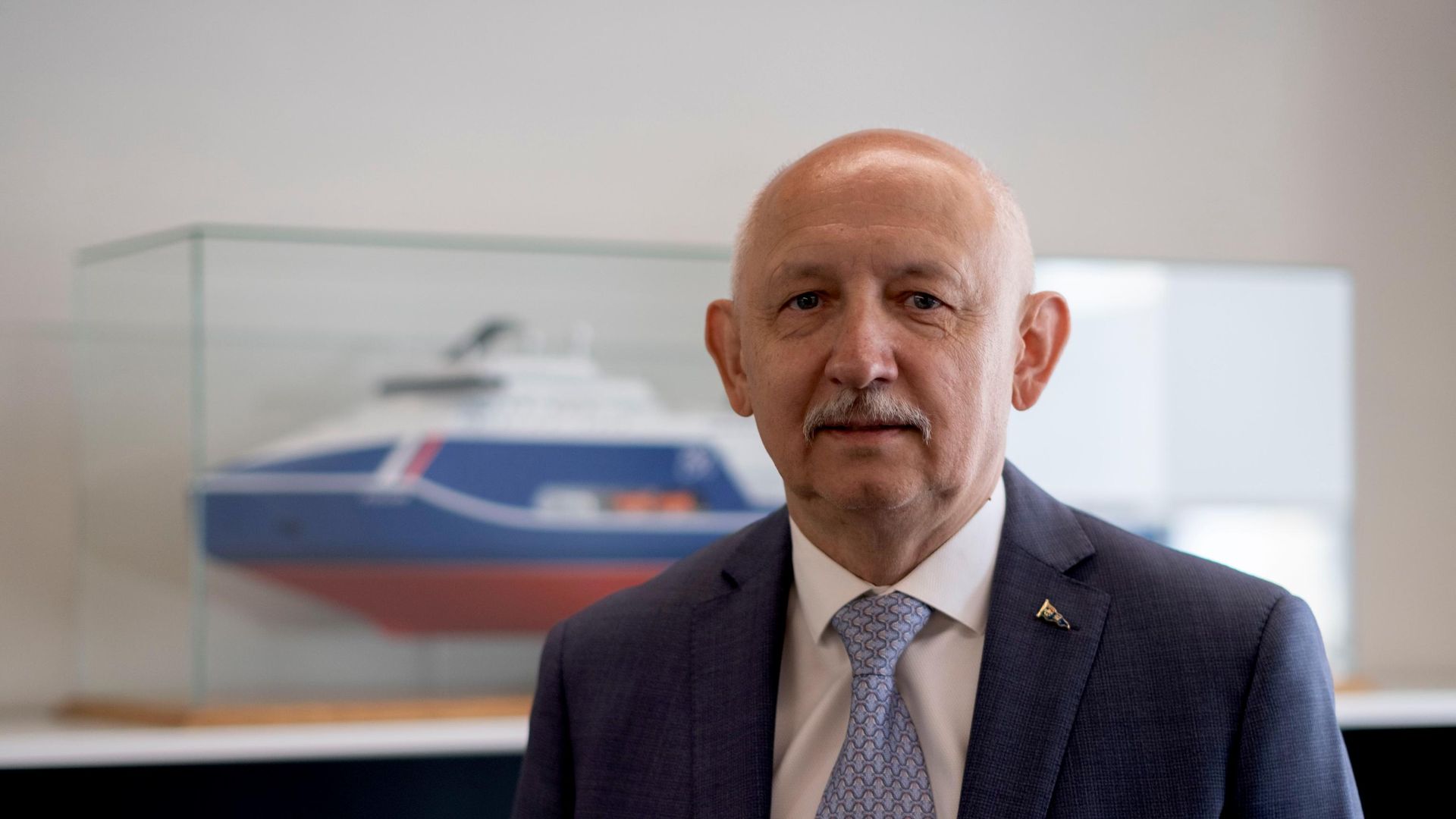
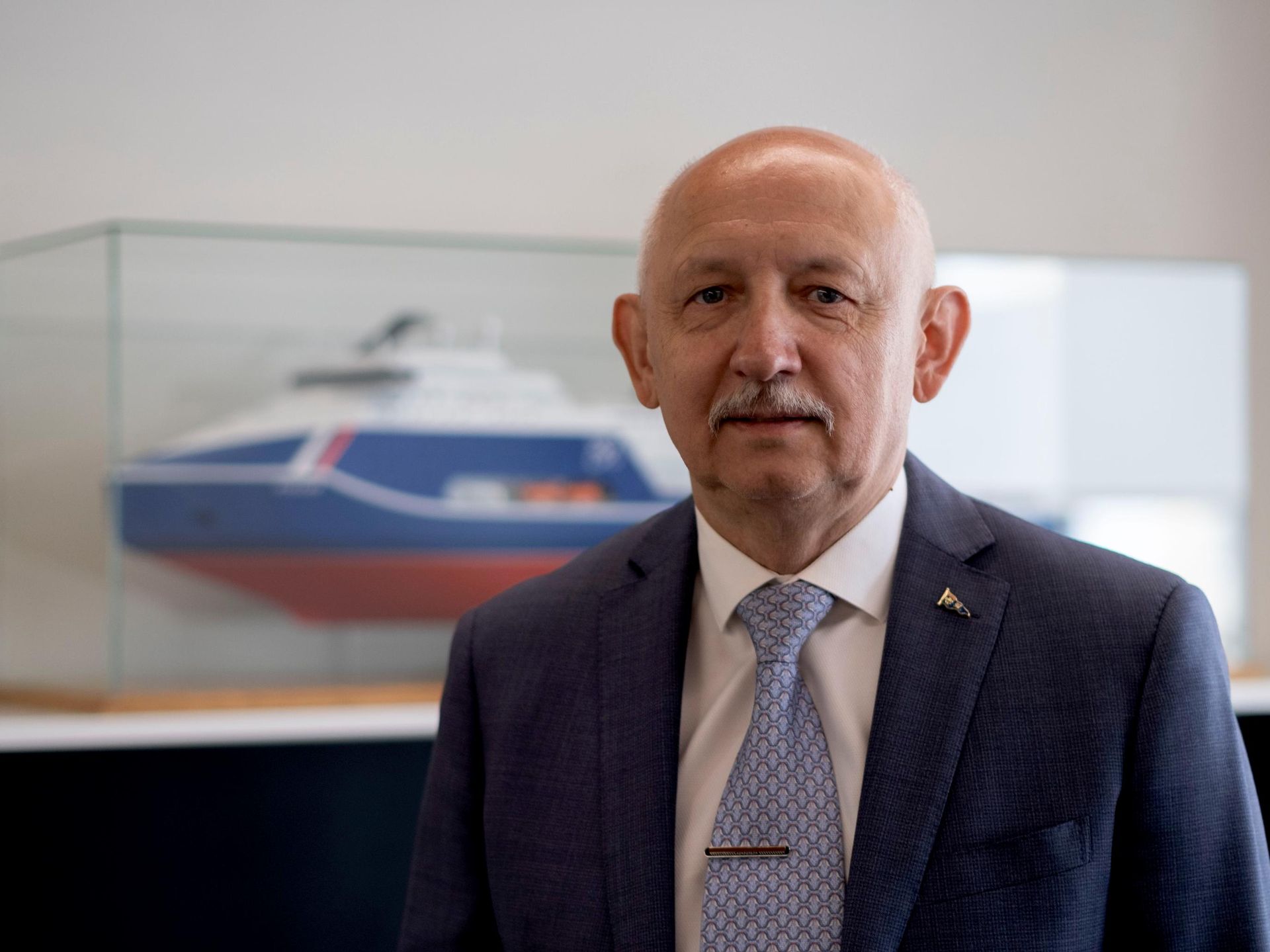
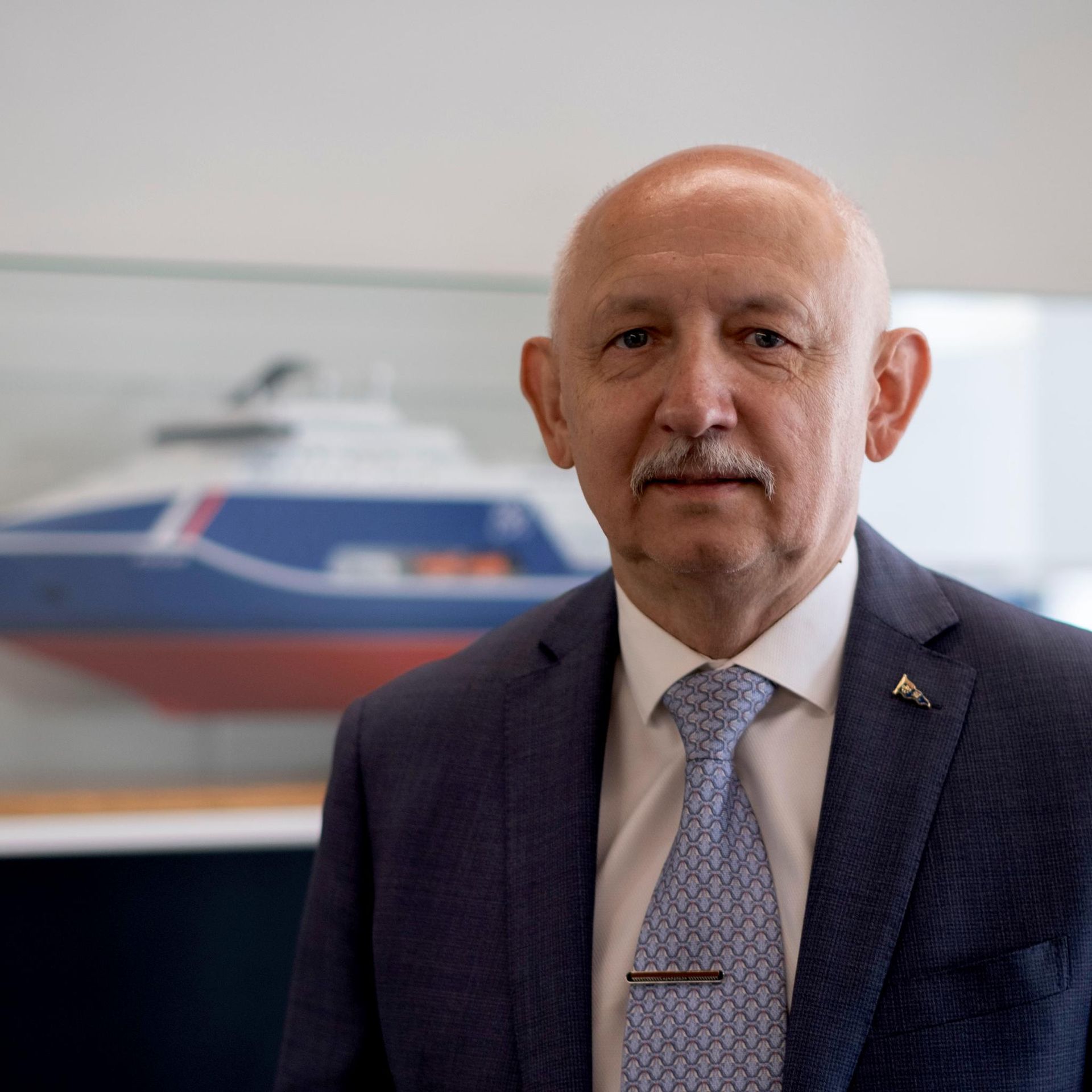
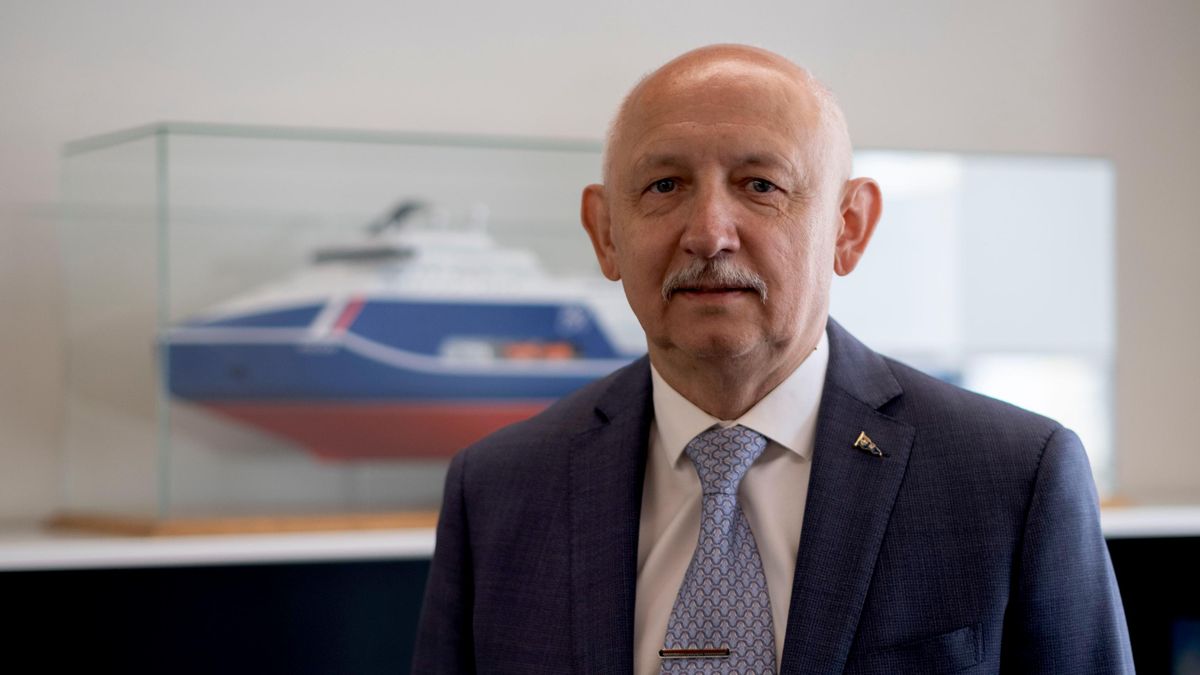
Sergei Zybko currently serves as General Director of the Northern Sea Route General Administration (NSR General Administration, or GlavSevmorput). Before assuming this position, he spent 39 years navigating the world’s oceans. Over the course of nearly four decades, he served in the Soviet Navy and subsequently the Russian Navy, where he commanded a submarine in the Northern Fleet, later worked as a captain in foreign merchant fleets (Norwegian and Japanese), and subsequently, while employed by Sovcomflot, a Russian shipping company, became the inaugural captain of the unique Arc7 ice-class LNG carrier Christophe de Margerie.
A seasoned seafarer always has stories to share. The head of the NSR General Administration shared his professional experience and personal anecdotes with an Arctic.ru correspondent. What Sergei Zybko learned from the fate of the formidable Captain Bligh, how a saltwater-filled lampshade helps forge submariners, and why the Arctic is the most romantic place on Earth – read in our feature article.
“Cleanliness, order, and everyone crossing the street strictly on the green light” – those are Sergei Zybko’s earliest childhood memories of Minsk. Another vivid impression from that carefree time is the book Only the Sea Around. Naturally, there was no sea in the capital of the Belorussian SSR. But the family library held a book with that very title. It was that work by writer Alexander Mironov that largely determined Sergei Zybko’s entire future.
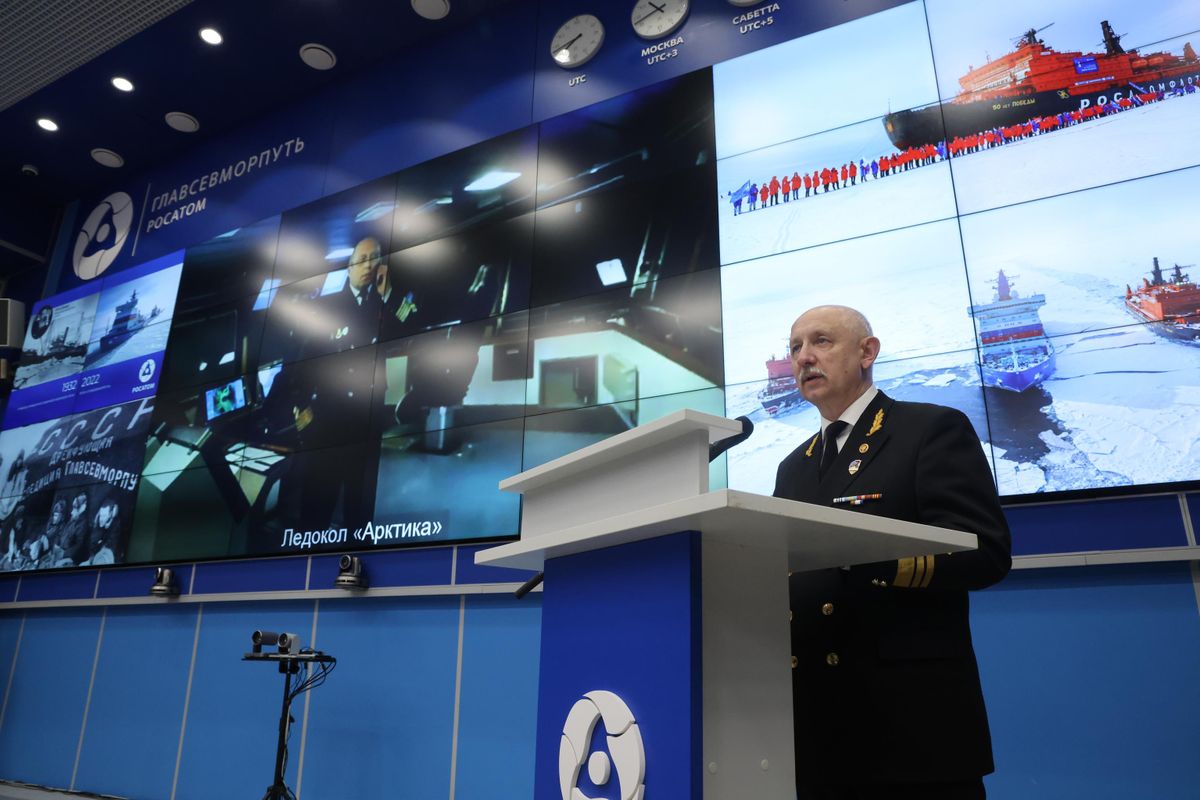
General Director of the Northern Sea Route General Administration Sergei Zybko at the maritime operations headquarters
© RIA Novosti / Sergey Karpuhin
“Now I can no longer recall how that book came into our home. Probably my father, who completed his compulsory military service in the Navy aboard a minesweeper, brought it from somewhere,” he shares.
Only the Sea Around tells the story of a Belorussian youth who came aboard a ship as a sailor and rose to become a captain.
“For me, that book became a guiding light. I read it three times. And each time, I was captivated. It described other countries so vividly. Back then, in the Soviet Union, it was a chance to see the world beyond the Iron Curtain,” recalls Sergei Zybko.
The taste of salt water from a lampshade
The Belorussian schoolboy pursued his dream of distant lands and open seas under full sail. In his senior years of secondary school, Sergei threw himself into the exact sciences in a physics and mathematics class. That became an excellent foundation for admission to a naval academy. After completing his studies, Sergei Zybko’s first duty station was the Black Sea Fleet. In Balaklava, he was assigned to a Project 613 submarine. But first came the mandatory submariner initiation.
“We had this initiation ritual: when a man reports for duty, he has to drink a lampshade full of salt water,” he recounts.
The ceremony went off successfully, and Sergei Zybko got down to his duties. Once, his wife decided to see how everything was arranged at her husband’s workplace.
“I brought my wife onto the submarine. Later, her friends passed along her words: ‘I spent a month doting on him! Where does he serve? The smell of diesel fuel and grease. And you have to duck everywhere,’” – Sergei relates with a smile.
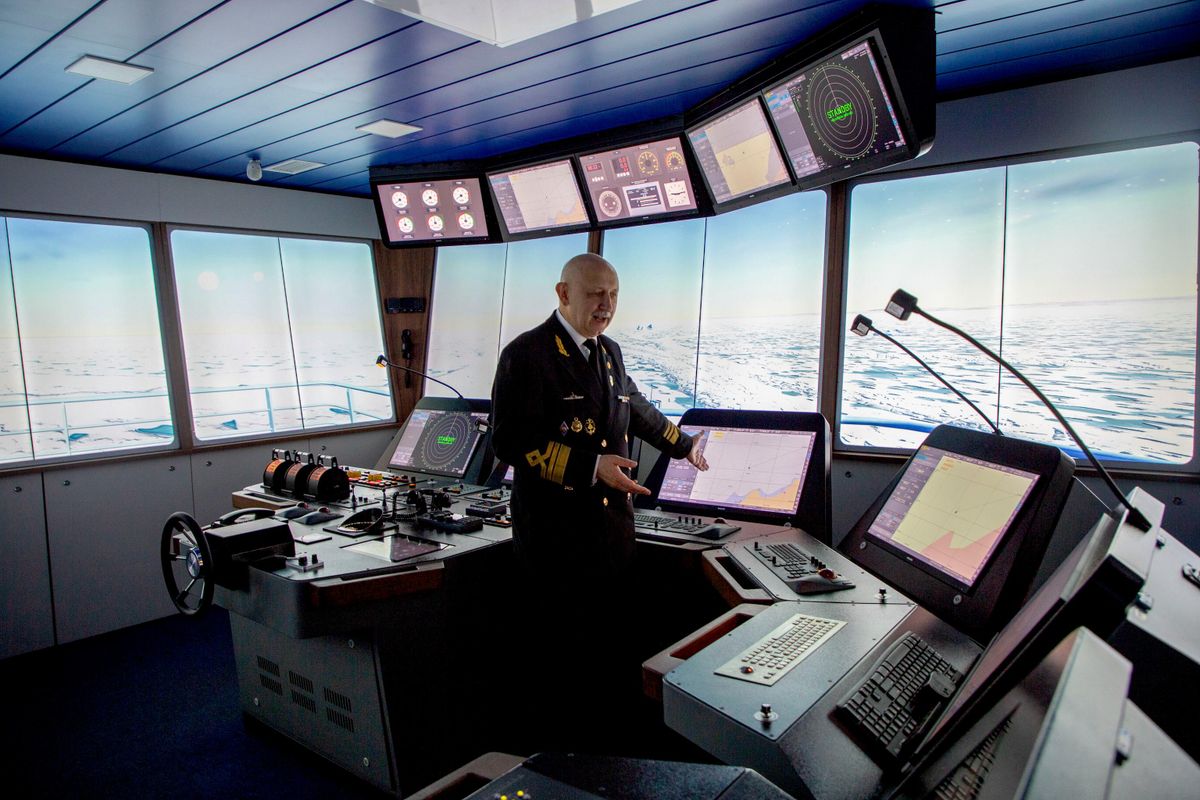
General Director of the Northern Sea Route General Administration Sergei Zybko
© Russian Arctic and Far East Development
Remarkably, even cosmonauts who once toured a submarine shared the seaman’s wife’s opinion: “When they saw the conditions we work in aboard a submarine, they were surprised, to put it mildly. They said, ‘You know, we thought we had it cramped and bad – now it turns out we have it spacious and good.’”
But it is precisely in such a demanding environment that the special brotherhood of submariners is forged. A crew bonded under harsh conditions becomes a tight-knit team forever. To this day, Sergei meets with his former shipmates and maintains warm relationships with them.
“In St. Petersburg, I belong to a submariners’ club. We get together regularly. We have this concept of the ‘submarine brotherhood.’ And the most important holiday for submariners is not Navy Day, and not Defender of the Fatherland Day on February 23, but March 19 – Submariner’s Day,” says Sergei Zybko.
“I climbed out of the trench with a grenade”
Where can you go from a submarine? Sergei Zybko has an answer to that adage. After the dissolution of the USSR, the Navy’s glory days were left behind. As a leader and a maximalist by nature, Sergei found it hard to come to terms with the decline in the fleet. Sergei Zybko completed his service on a diesel-electric submarine in 1995, holding the rank of Captain 2ndRank. He describes the reason for ending his military career allegorically:
“It so happened that I got a bit hot-headed. Let us put it this way: when the bullet was flying, I should have ducked... but instead, I climbed out of the trench with a grenade. Figuratively speaking, of course. In short, I resigned.”
Ending up without a job and running aground financially was not in the captain’s plans. So he decided to swap the Navy for the merchant marine. The vacancy required a brilliant command of English. Books, films in the original language, and the tried-and-true classic – Natalia Bonk’s English-language textbook – that is how the seaman mastered the foreign language on his own.
These studies not only landed him the job, but also shaped Captain Sergei Zybko’s gentlemanly leadership style. The film Mutiny on the Bounty(seven Oscar nominations!) served as a visual aid.
The plot: the crew of a British ship was subjected to abuse by the cruel Captain Bligh, who sought to carry out the Admiralty’s orders at any cost. In the end, the team rebelled against the tyrannical captain.
“This film ought to be shown in every leadership course. It clearly demonstrates what a captain should be, and what he should not be. You must always remember that you work with people: you need to respect them, value them, and help them. And if they make mistakes, you need to teach them, and under no circumstances squander your personnel. I believe this film is a textbook,” shares Sergei Zybko.
It is precisely the ability to manage a crew that he considers one of the most vital qualities for a captain. Sergei Zybko’s professional credo as a leader is to make people go to work with pleasure.
“I had a case: a lad joined our team from a sister vessel of the same type. We worked for four months. At the end, he said, ‘It is very strange – I have worked for four months, and I do not feel like going home. That has never happened to me before,’” recalls the General Director of the Northern Sea Route General Administration.
The President is a man you respect
It comes as no surprise that, with such an approach, the Russian marine officer became a captain aboard a foreign vessel remarkably quickly – in just five years. In the Norwegian merchant fleet, he earned both authority and respect. However, one day an offer came that was impossible to refuse: he was invited to continue his career commanding LNG carriers for Sovcomflot. Thus, in 2007, Sergei Zybko “returned to the Motherland,” where his expertise was urgently needed.
In 2016, Sergei Zybko was appointed the first captain of a unique vessel – the Arc7 ice-class LNG carrier Christophe de Margerie. For four months, he and his crew familiarized themselves with the vessel at a shipyard in South Korea, conducted all trials, and oversaw the ship’s transit to Murmansk. In 2017, rigorous ice trials were conducted in the Kara Sea and the Laptev Sea.
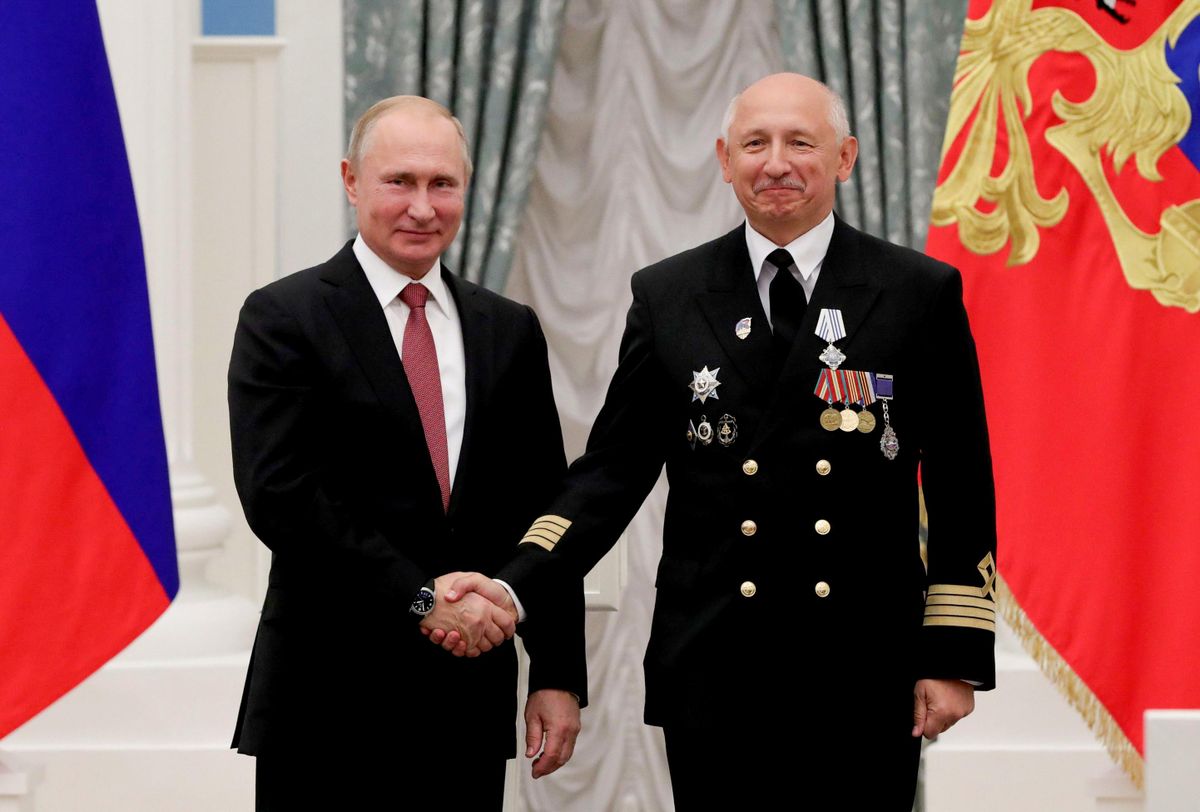
President of Russia Vladimir Putin and Captain of the LNG tanker Christophe de Margerie Sergei Zybko at the awards ceremony in the Catherine Hall of the Kremlin
© RIA Novosti / Mikhail Klementiev
Following these successful trials, the vessel made its first port call at Sabetta on the Yamal Peninsula, where it moored at the gas terminal. In March 2017, the Captain reported this milestone to President Vladimir Putin via video link. Shortly after, their in-person meeting took place. By Presidential Executive Order, Sergei Zybko was awarded the Order of Maritime Merit.
On the parquet floor of the Catherine Hall in the Kremlin, the mariner felt no less confident than on the ship’s captain’s bridge. No agitation, no nerves – only a profound feeling of curiosity and joy.
“I was highly interested in observing how it all unfolded, because such an event occurs once in a lifetime. There was no fear. I can say for certain – conditions are tougher at sea. And here you face the President – a man you respect. Furthermore, you are not pitching or rolling,” Sergei Zybko recalls that momentous day.
“I do not even dream of the sea”
After turning 60 – following 39 years of service – Sergei realized that working at sea was becoming difficult. It was time to drop anchor and begin sharing his invaluable experience. He transitioned into a teaching position at the Sovcomflot training center, where he instructed mariners in liquefied natural gas transportation technology.
“I worked there for a year, the influx of students was not very large, and I became a little bored,” Sergei Zybko admits.
Around that time, an industry publication’s editorial office was preparing a series of features highlighting Sovcomflot employees. A short documentary was made about Sergei as well. Someone within the NSR Directorate (which is part of Rosatom) watched this video, and soon Sergei received an offer to serve as General Director of the Northern Sea Route General Administration:
– So it pays to give interviews?
– Yes, that is how it turned out!
The time for desk work had come. Can the quiet harbor of a modern office really replace the captain’s bridge? As it happens, such a transition is possible.
“I will be honest: I am no longer drawn to the sea. I do not even dream of it. Thirty-nine years is quite a sufficient stretch, after all. The human organism has had its fill. You know how the saying goes: a fish takes in just as much salt as it needs – well, that is how it is with me and the sea,” he confesses.
Though the sea no longer visits his dreams, it occupies an extensive chapter in Sergei’s biography. When asked what it was that particularly attracted him to seafaring service, Sergei Zybko jokes: the schedule was convenient, you see.
“In the merchant marine, it was like this: you work for four months, and you rest for four months. For those reading this interview, I have the following statistics: when I compared how often my wife sees me, it turned out that she sees me more often than the spouses of men who go to work every day. That is because I do not waste time commuting to and from work. And I am always home, well-rested, for four months,” he says.
After sharing that striking fact, Sergei shifts to a more serious tone. As it turns out, both on land and at sea, the capacity for improvisation in decision-making has always been important to him.
“I have always preferred making unconventional decisions and thinking outside the box. It is very interesting, but also carries immense responsibility, because there is no Reset button, as in a computer game. The decision must always be correct and final,” states Sergei Zybko.
Captain Zybko’s grandchildren
It is entirely possible that, before long, Sergei Zybko’s elder grandson will be making unconventional decisions at sea. For now, he has completed his freshman year at the marine college affiliated with the Admiral Makarov State University of Maritime and Inland Shipping.
“Following a fine tradition, as we joke, if the grandfather is a navigator, then the grandson will be a mechanic. And he has indeed pursued engineering. He seems to like it. He definitely likes the uniform! He immediately posted a profile picture in uniform,” says Sergei Zybko, not without pride.
The grandfather shares with his grandson not only maritime experience but also worldly wisdom: “I impress upon him that you only get one chance to make a first impression (I heard that from Alexei Likhachev). I constantly remind him that diligence is the most important quality. And you also need a sharp mind and capable hands. With my grandson, all of that is in good order.”
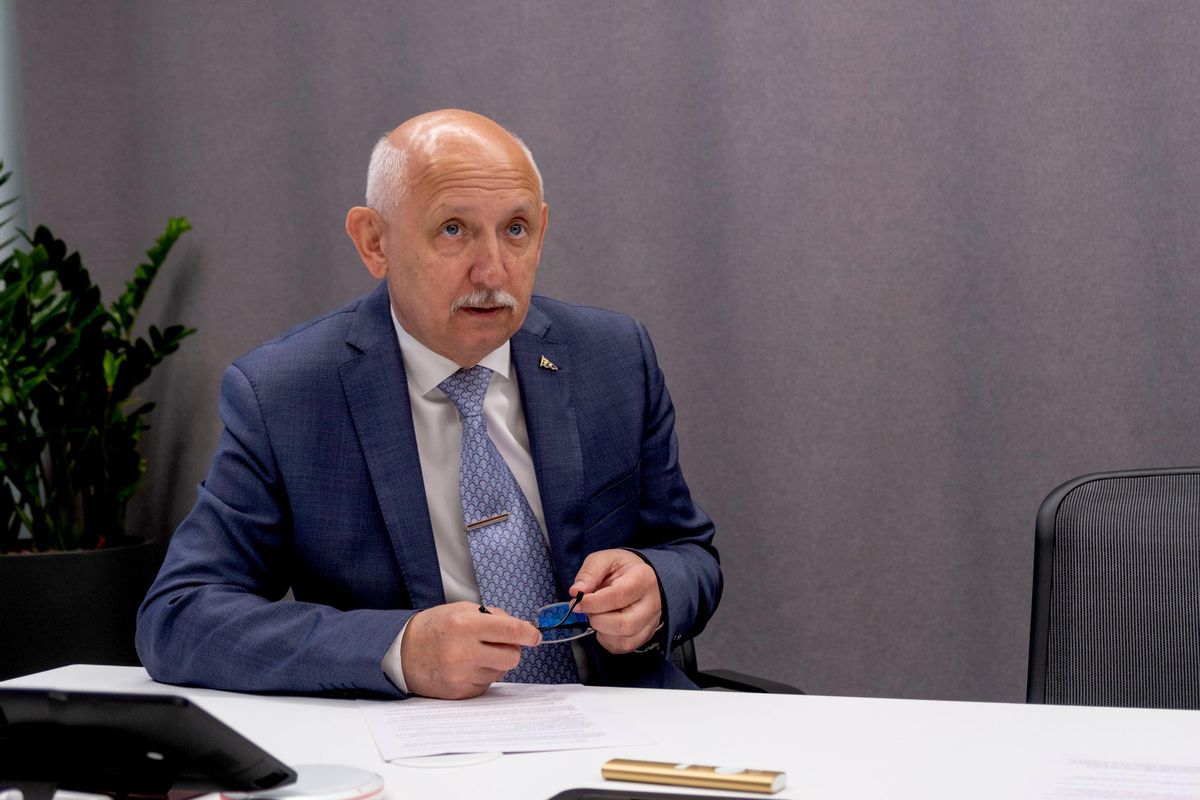
General Director of the Northern Sea Route General Administration Sergei Zybko
© Russian Arctic and Far East Development
It is not out of the question that the younger grandson, who is the exact namesake of the General Director of the NSR General Administration, will also begin charting a career course in his grandfather’s wake. However, for the time being, 7-year-old Sergei Zybko has somewhat different concerns: he is actively preparing to enter first grade.
“He is not thinking about the sea yet. It is early, he is still little. Right now he should be doing what children are supposed to do: getting into mischief and roughhousing. Incidentally, future upstanding citizens often develop from such rowdy kids. And he is doing just fine in that regard,” – says Sergei Zybko, speaking with authority on the subject.
The Arctic is the most beautiful place on earth
To conclude, our conversation drifts once again toward that very destiny-shaping book, Only the Sea Around. So, did Sergei Zybko manage to see everything he dreamed of in his distant childhood?
“I saw more, far more!” he reflects.
Among the most beautiful and memorable places, the Arctic ranks as the undisputed leader on his personal list.
“The Arctic is beautiful and fascinating. It mesmerizes you when you stand on the ship’s bridge and look at the ice, which is always different and always beautiful. And when you are walking on the deck and you hear a loud noise nearby, and then a whale surfaces – what could be more romantic than seeing a whale spouting water? It is simply stunning!” the General Director of the NSR General Administration shares his emotions.
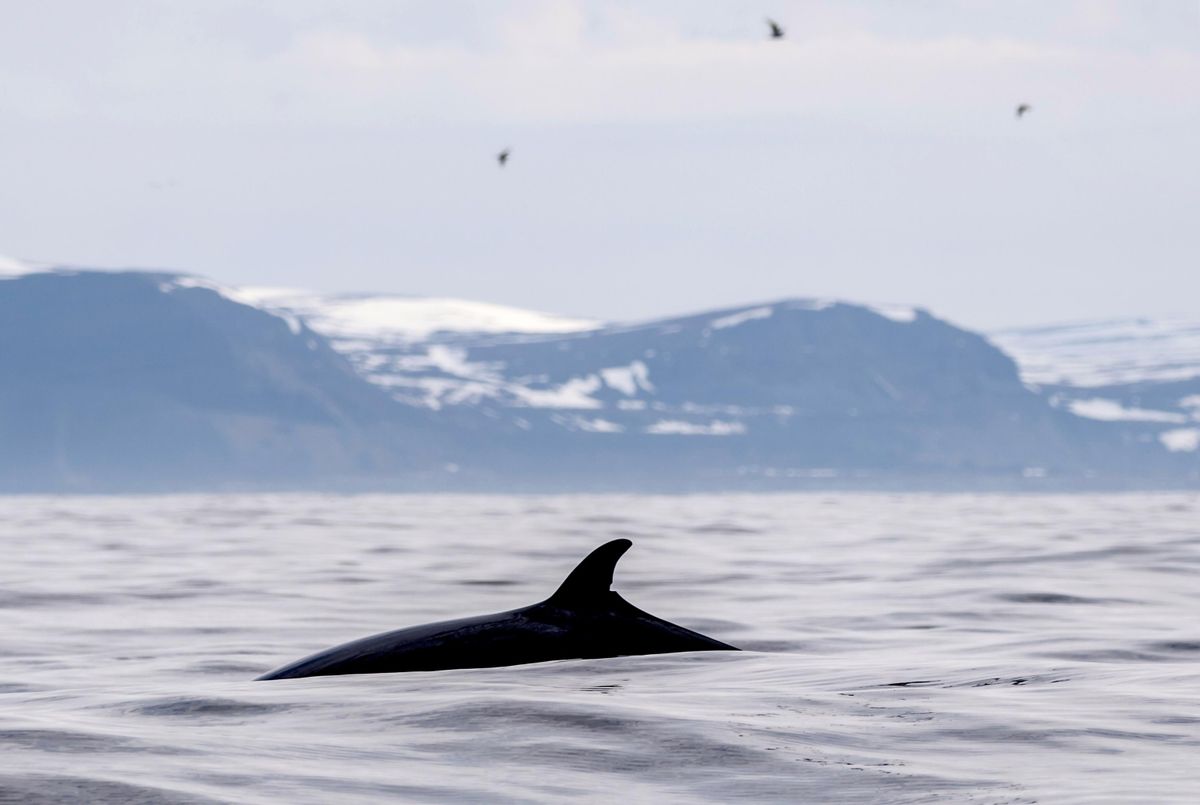
Minke whale in the Barents Sea
© RIA Novosti / Dmitriy Dubov
But still, the chief “reward” of sea voyages is not a collection of geographic points on a map, but the relationships forged with people. Over the course of his career, Sergei Zybko has heard hundreds of unique human stories. Indeed, history itself remains an active passion of his to this day.
“At this age, it turns out that the most important subject in school is not physics, nor mathematics, but history. It teaches that one must love one’s Motherland and know the history of the nation. And it helps you navigate life and raise children correctly,” he is convinced.
He raised his children successfully, and now the grandchildren are next in line. Sergei Zybko wants to see how their lives unfold and what they will manage to achieve. And besides, as an inquisitive person, he dreams of finding out: what comes next?
“My dream is to live as long as possible, because it is fascinating to see how the world will develop. The future absolutely fascinates and intrigues me. And I am doing everything to ensure that. I try to lead a healthy, active lifestyle, I eat properly, and I draw positive energy from interacting with my family and friends. And I have a sea of friends and valued acquaintances!”