https://en.arctic.ru
Yury Trutnev: Developing the TATC is a strategic priority for the Russian Arctic and the global community
Yury Trutnev: Developing the TATC is a strategic priority for the Russian Arctic and the global community
Arctic.ru: Discover how Russia implements its development goals in the Arctic and the Far East
2026-07-28T11:37
2026-07-28T11:37
2026-07-28T13:49
news
yury trutnev
northern sea route
arctic zone of russia
economy
/img/07ea/07/1c/1647902_0:0:1001:564_1920x0_80_0_0_fc9c6b299c50ebf7c1a5f93b80e9acb1.jpg
Deputy Prime Minister and Presidential Plenipotentiary Envoy to the Far Eastern Federal District, Yury Trutnev, chaired a meeting on the progress of the project titled “Development of the Russian Arctic Zone and the Trans-Arctic Transport Corridor,” according to the press service of the Far East and Arctic Development Corporation.The comprehensive project is being developed in line with the President’s instruction. At present, it encompasses four key areas: investment projects, logistics, infrastructure, and social development.The document is expected to include a framework of investment and innovation initiatives, along with measures designed to safeguard Russia’s national security in the Arctic, advance national development goals, and promote the integrated growth in the Arctic and Far Eastern territories. This should accelerate economic development in these regions, improve living standards, and boost international transit traffic.During the meeting, Minister for the Development of the Far East and the Arctic, Alexei Chekunkov, noted that when drafting the comprehensive plan, it is essential to identify priority projects capable of delivering the greatest economic and budgetary impact.The Northern Sea Route (NSR) forms the backbone of the Trans-Arctic Transport Corridor. Through 2035, the bulk of cargo traffic along the NSR is expected to come from Russian Arctic projects. At the same time, freight flows from other Russian regions – Siberia, the Urals, and the Far East – bound for the Northern Sea Route will be routed via the TATC.Concluding the meeting, Yury Trutnev underscored the need for all parties to work in unison on the comprehensive project.“This is an enormous undertaking. As a result, we need to attract 32 trillion rubles in investment, 93 percent of which will come from non-budgetary sources – from investors. <…> A project of this scale demands close coordination across all federal ministries,” he said.
https://en.arctic.ru/20260605/1521703.html
2026
Новости
ru-RU
https://en.arctic.ru/docs/about/copyright.html
https://xn--c1acbl2abdlkab1og.xn--p1ai/
/img/07ea/07/1c/1647902_50:0:877:620_1920x0_80_0_0_b3c8b8bfc8ac13dd1a2922040ee22544.jpgnews, yury trutnev, northern sea route, arctic zone of russia, economy
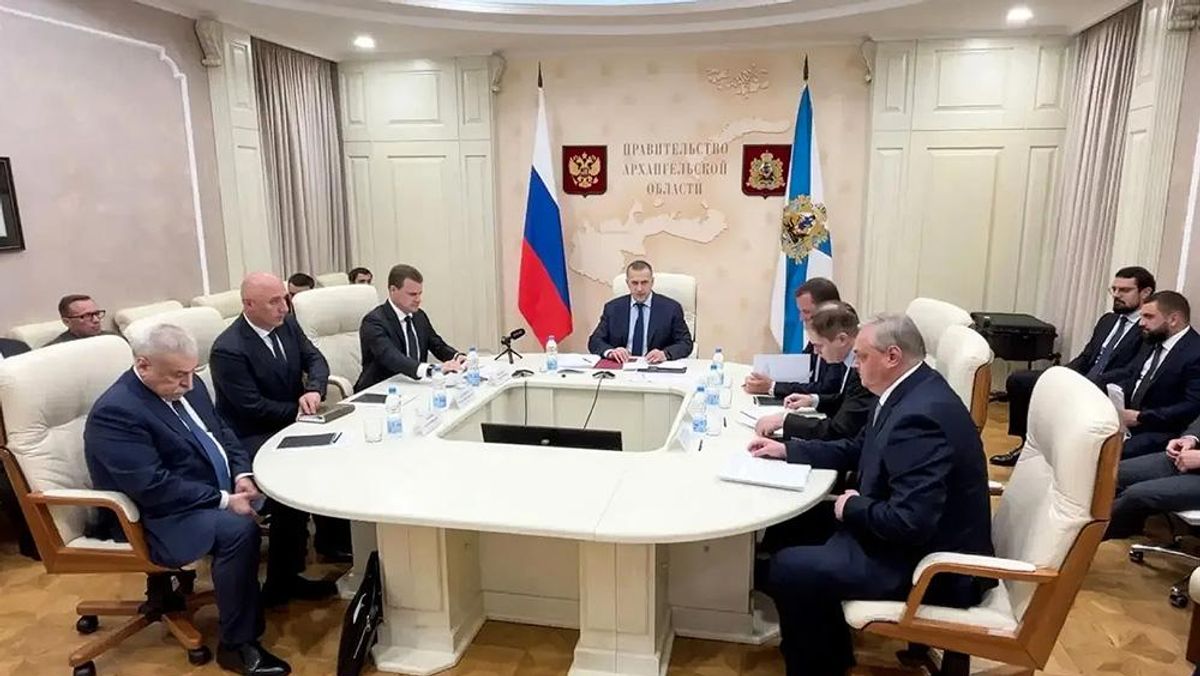
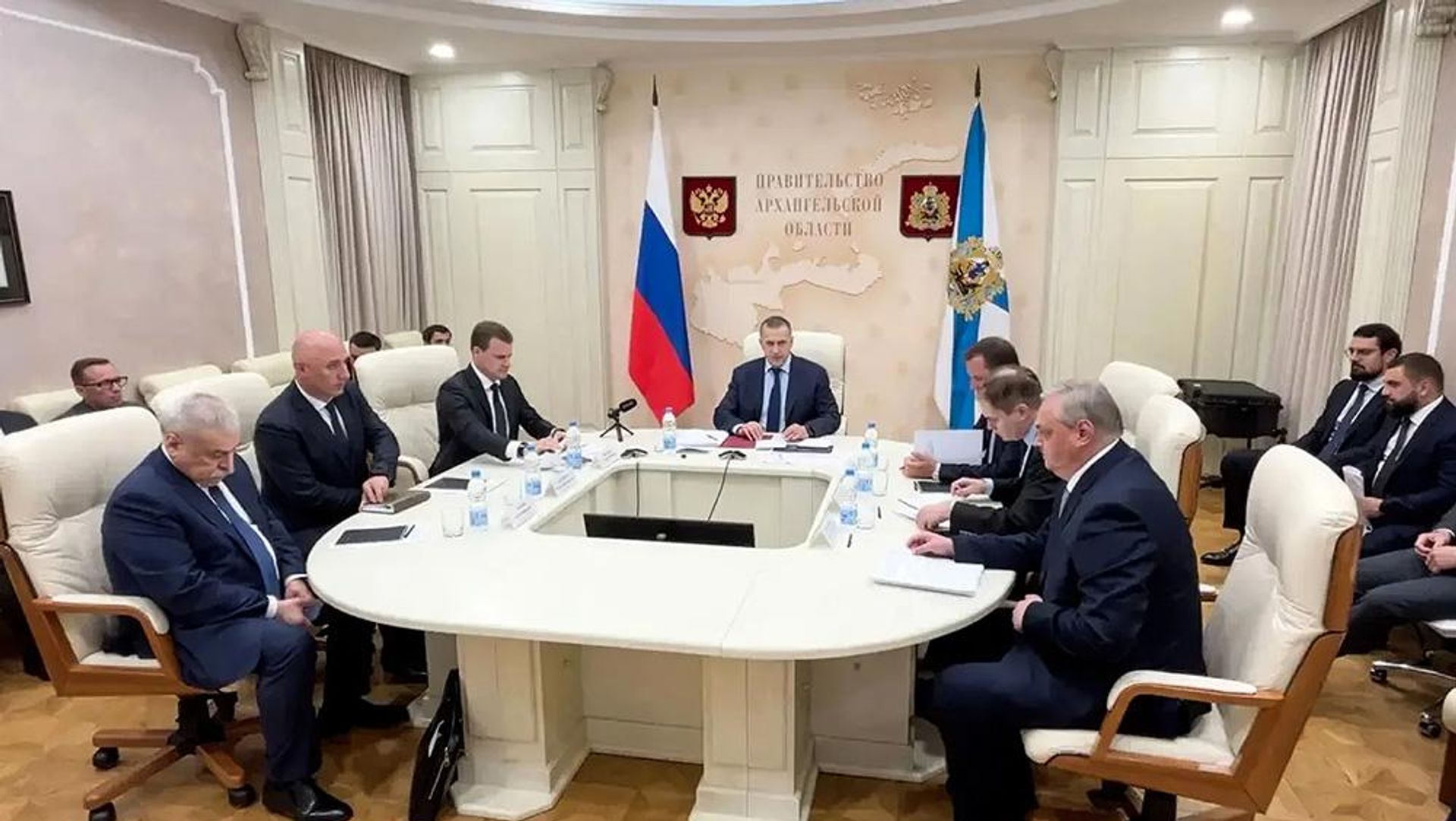
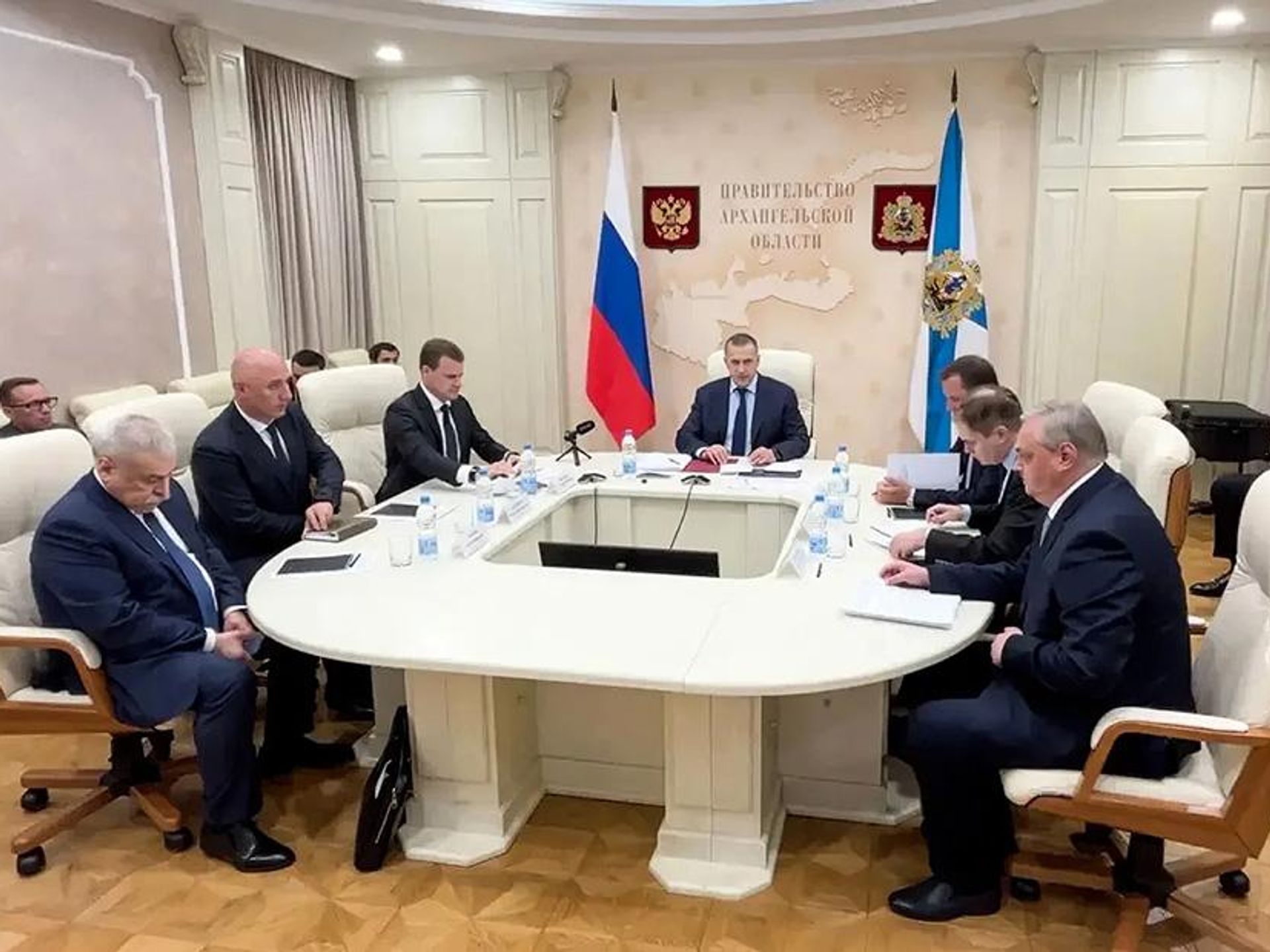
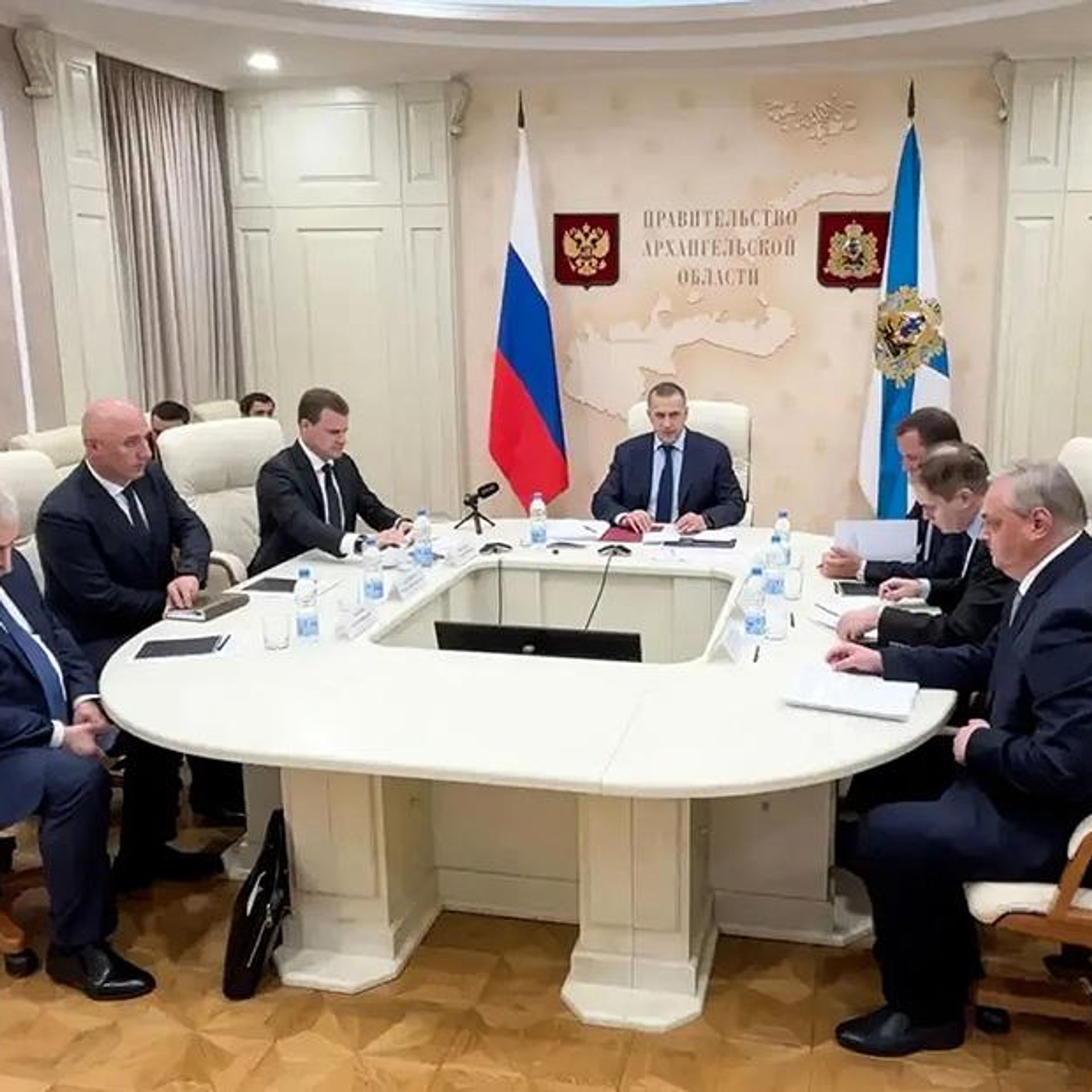
Deputy Prime Minister and Presidential Plenipotentiary Envoy to the Far Eastern Federal District, Yury Trutnev, chaired a meeting on the progress of the project titled “Development of the Russian Arctic Zone and the Trans-Arctic Transport Corridor,” according to the press service of the Far East and Arctic Development Corporation.
“The development of the Trans-Arctic Transport Corridor is a strategic priority not only for Russia’s Arctic zone, but for the entire international community. To carry out this work and meet the objectives set by President Vladimir Putin, we need clear, coordinated action from federal executive bodies, regional authorities, and joint-stock companies with relevant expertise,” Trutnev stated at the opening of the meeting.
The comprehensive project is being developed in line with the President’s instruction. At present, it encompasses four key areas: investment projects, logistics, infrastructure, and social development.
The document is expected to include a framework of investment and innovation initiatives, along with measures designed to safeguard Russia’s national security in the Arctic, advance national development goals, and promote the integrated growth in the Arctic and Far Eastern territories. This should accelerate economic development in these regions, improve living standards, and boost international transit traffic.
During the meeting, Minister for the Development of the Far East and the Arctic, Alexei Chekunkov, noted that when drafting the comprehensive plan, it is essential to identify priority projects capable of delivering the greatest economic and budgetary impact.
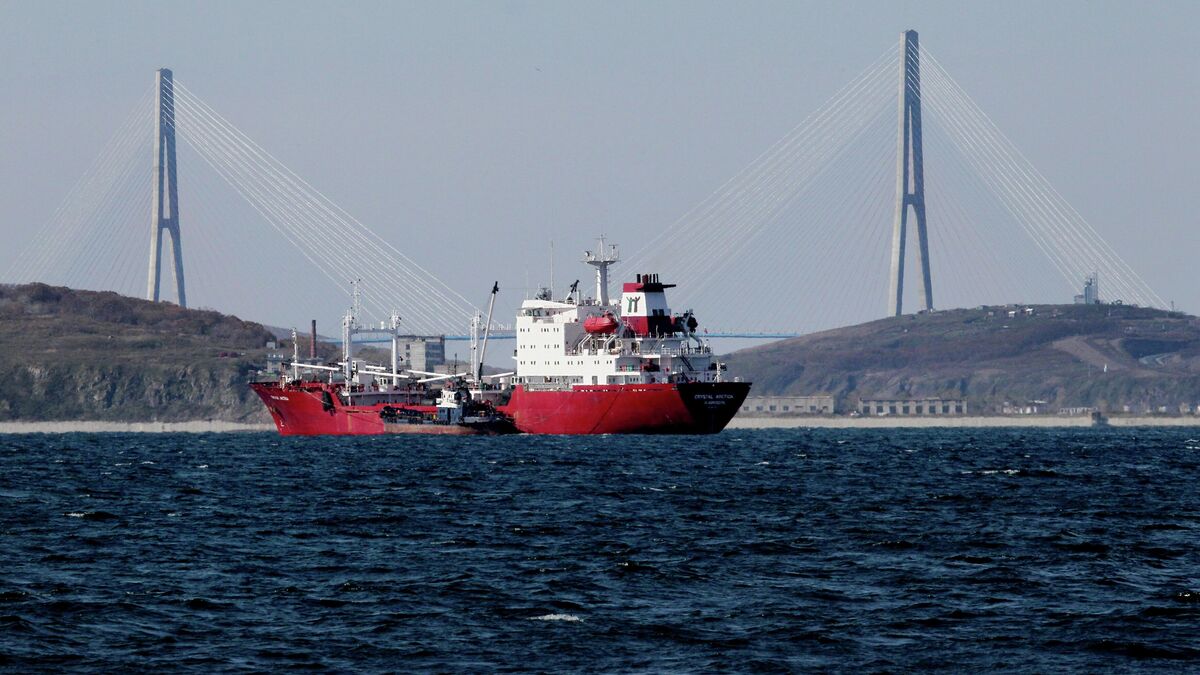
The Northern Sea Route (NSR) forms the backbone of the Trans-Arctic Transport Corridor. Through 2035, the bulk of cargo traffic along the NSR is expected to come from Russian Arctic projects. At the same time, freight flows from other Russian regions – Siberia, the Urals, and the Far East – bound for the Northern Sea Route will be routed via the TATC.
Concluding the meeting, Yury Trutnev underscored the need for all parties to work in unison on the comprehensive project.
“This is an enormous undertaking. As a result, we need to attract 32 trillion rubles in investment, 93 percent of which will come from non-budgetary sources – from investors. <…> A project of this scale demands close coordination across all federal ministries,” he said.