10:00 28.07.2026
Russian Deputy Foreign Minister: The Far Eastern Federal District is our Gateway to the Asia-Pacific Region
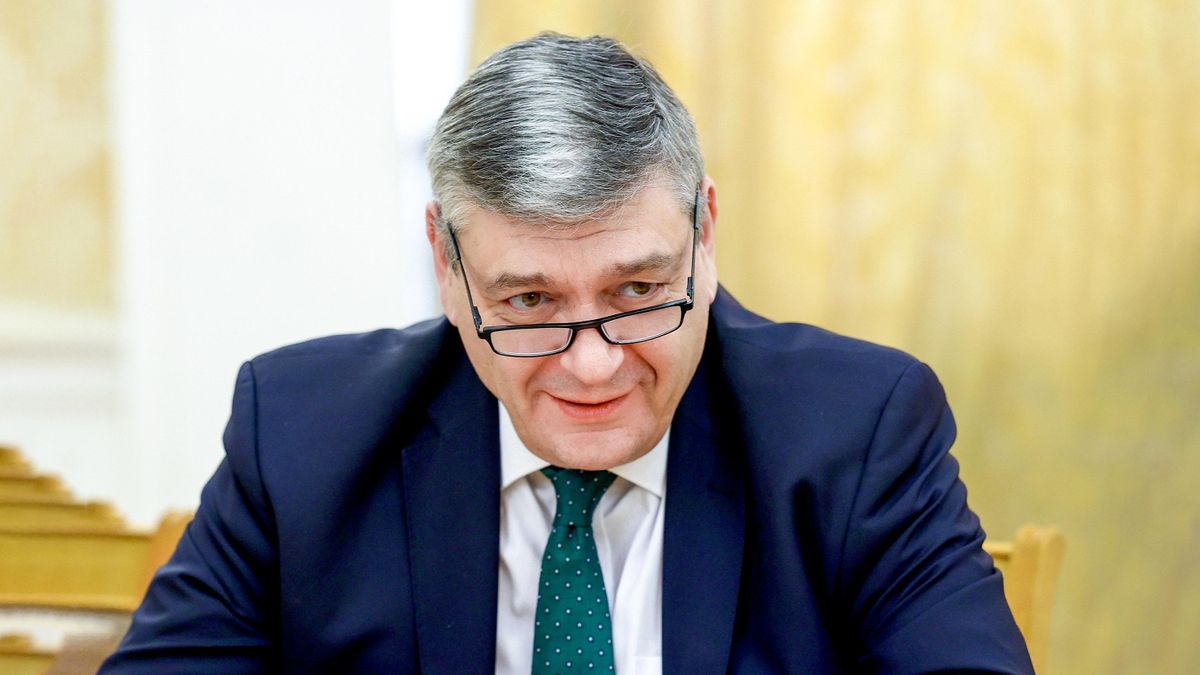
© RIA Novosti
The Asia-Pacific region remains one of the key vectors of Russia's foreign policy. The Far East plays a unique role in advancing this focus, serving as a platform for launching international projects, developing transport infrastructure, and strengthening ties with foreign partners.
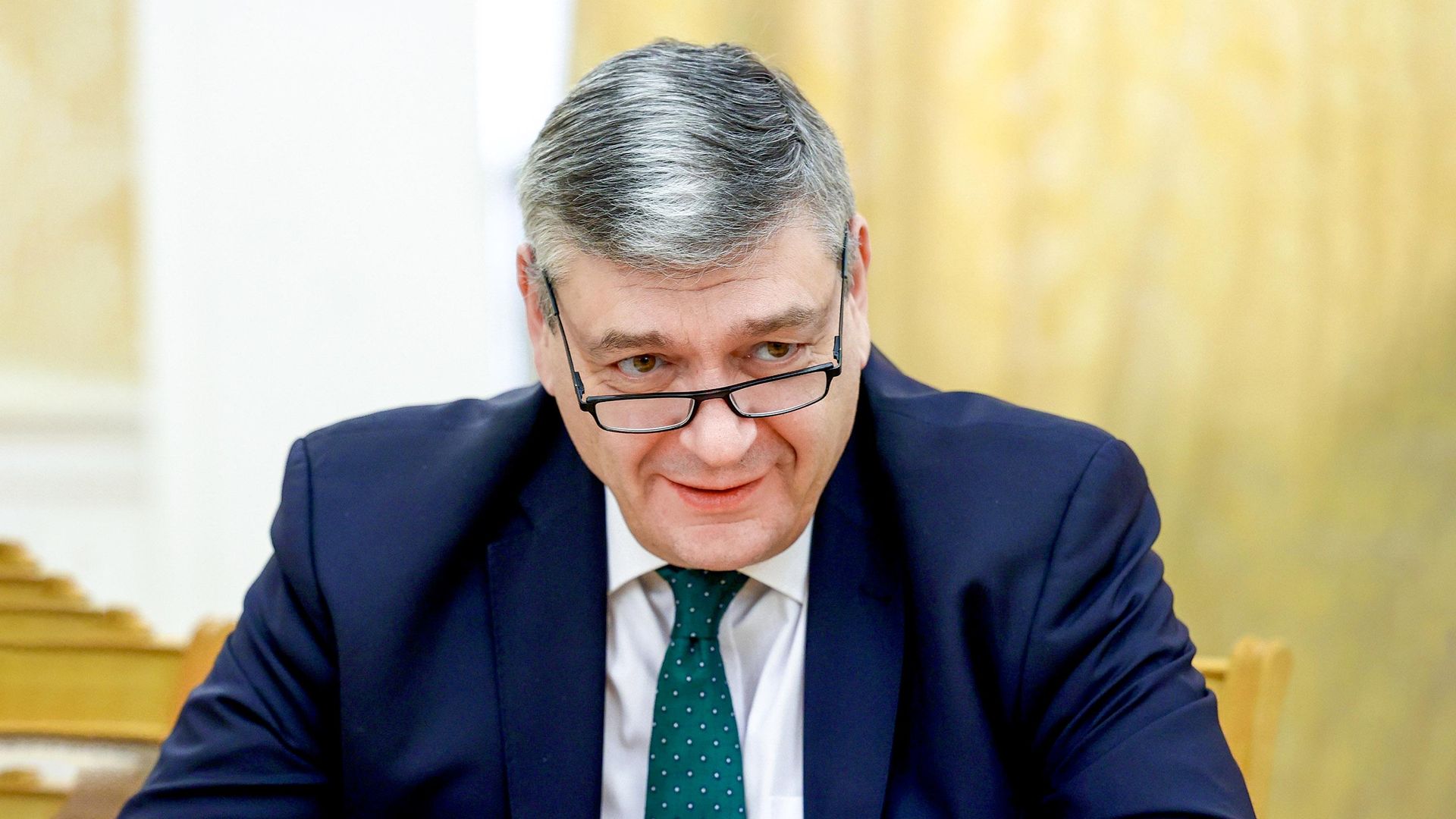
Read about the region's development prospects and how the Far Eastern Federal District is forging connections with Asian nations today in an exclusive interview with Deputy Minister of Foreign Affairs of the Russian Federation Andrey Rudenko for the Development of the Arctic and Far East portal.
Question: What significance does the Far East have in developing and strengthening Russia's relations with the countries of the Asia-Pacific Region (APR)?
Andrey Rudenko: I would like to emphasize right away that for Russia, the Asia-Pacific vector of our foreign policy is a natural one. This is not a tactical choice; it is centuries-old and strategic in nature. We are building a mutually beneficial and respectful dialogue with Asian countries, and participate in all major regional organizations, where we promote a unifying agenda.
Over recent decades, these efforts have gained new momentum, primarily due to the shift of the center of economic—and to some extent, political—development to the APR. Several important milestones in this process can be highlighted, starting with the 2012 APEC Summit in Vladivostok and culminating in the recent meeting between the leaders of Russia and ASEAN countries in Kazan this June.
In turn, the Far Eastern Federal District (FEFD), comprising 11 Russian regions, is for the rest of our country a kind of gateway to the APR. After all, the Far Eastern subjects historically formed stable trade, cultural ties with their neighbors.
Today, cooperation with our Asia-Pacific partners is complicated by interference from a number of unfriendly states. Nevertheless, amidst the emergence of a new global order, countries in the region are increasingly recognizing their national interests and choosing to maintain and expand their ties with Russia.
Question: How great is the interest of Asia-Pacific states and investors in the Far Eastern Federal District? What are the most significant projects currently underway, and what is planned for the near future?
Andrey Rudenko: The interest in the Far East is enormous. It is driven both by the development of its rich mineral and raw material base, and the growth of related manufacturing industries. The third focus area is unlocking the potential of the transport and logistics routes passing through the FEFD.
In recent years, a number of large-scale, export-oriented infrastructure projects have been completed. The modernization of the Eastern Operating Domain—the Trans-Siberian and Baikal-Amur Mainline (BAM) railways—is underway. Its third stage was launched this year, which envisions increasing carrying capacity to 210 million tons by 2030. One of the main growth drivers is the Northern Sea Route (NSR), where cargo turnover is expected to reach 100 million tons by 2030 (up from 37 million tons in 2025). Russia is developing its transport infrastructure, building icebreaker fleet vessels, and deploying emergency rescue centers along with comprehensive ice-monitoring networks.
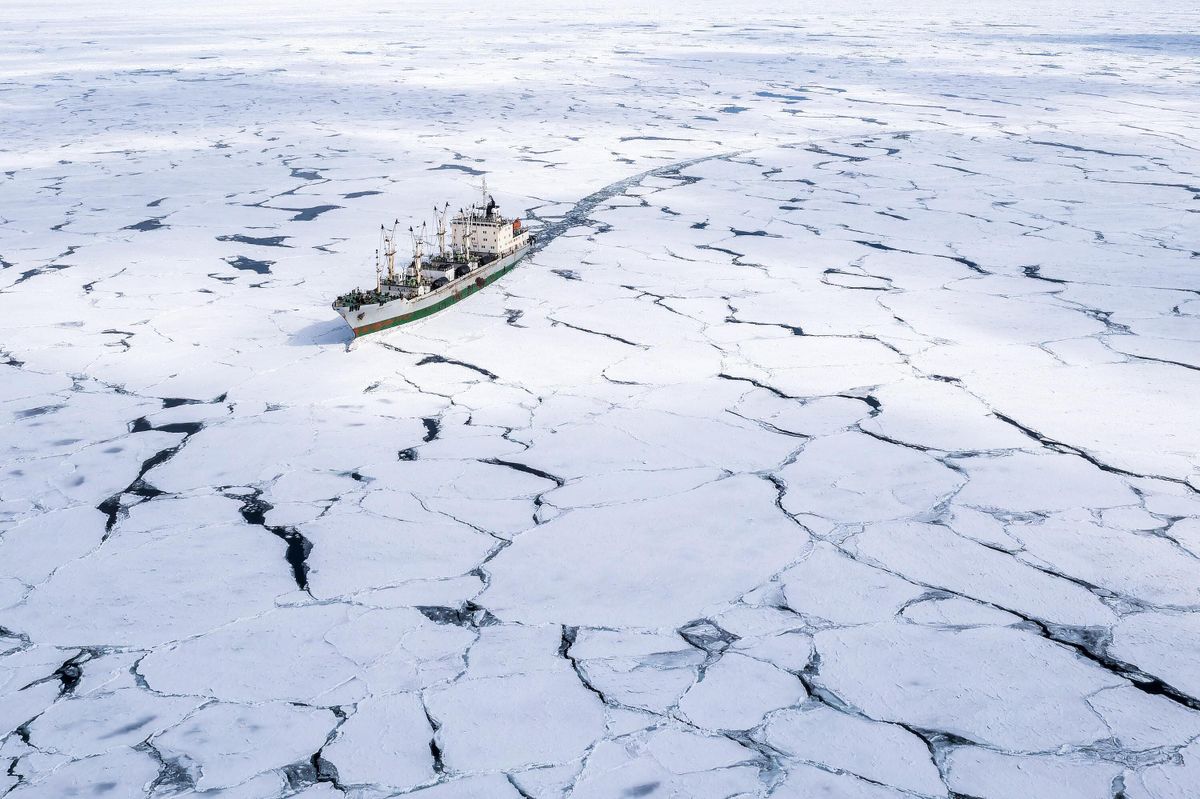
A vessel in the Sea of Okhotsk
© RIA Novosti / Sergei Krasnouhov
Far Eastern projects such as the Eastern Siberia–Pacific Ocean (ESPO) oil pipeline, the Power of Siberia gas pipeline, the Amur Gas Processing Plant, the Amur Gas Chemical Complex, the Zvezda Shipbuilding Complex, and the Vostochny Cosmodrome have become landmark initiatives for the entire country.
To create favorable conditions for investors, a new special preferential regime for the Far East—International Advanced Special Economic Zones (IASEZ)—was launched on January 1, 2026, implemented by the Ministry for the Development of the Russian Far East and Arctic. In total, five such zones are slated for creation: in the Amur Region, the Zabaykalsky, Primorsky, and Khabarovsk Territories, and the Jewish Autonomous Region.
Speaking of cooperation with foreign countries, China is naturally the leading partner of the FEFD, and I will discuss our relations with it in more detail separately. However, other nations are also implementing a number of important projects.
With India, the joint development of oil and gas fields has remained the primary focus of cooperation for decades. The Indian side is actively involved in the operations of Vankorneft and Taas-Yuryakh Neftegazodobycha, as well as the Sakhalin-1 project, and is eyeing purchases of liquefied natural gas (LNG) produced in the Russian Arctic. In 2024, the Program for Russian-Indian Cooperation in the Trade, Economic, and Investment Spheres in the Russian Far East for 2024–2029 was adopted, along with a framework on the principles of cooperation in the Russian Arctic Zone.
Collaboration in the logistics sector holds strong promise. Options for boosting shipping along the Vladivostok–Chennai maritime artery are being explored, alongside opportunities for the joint development of the NSR. The necessary legal and regulatory framework is currently taking shape. The first step was the signing of a memorandum in December 2025 on training specialists to work on vessels operating in polar waters. Next in line is the conclusion of a memorandum on developing cooperation in maritime cargo shipping across the NSR.
Trade and economic cooperation with Vietnam is actively developing. Despite external pressure, mutual trade turnover showed positive momentum in 2025, growing by +5.7 percent. This trend has continued into the current year, largely due to the Free Trade Agreement between the EAEU and Vietnam signed in 2015. Regarding projects in the FEFD, the Vietnamese investor TH Milk is developing a project to build a livestock complex and a dairy plant within the Mikhailovsky Advanced Special Economic Zone (Primorsky Krai).
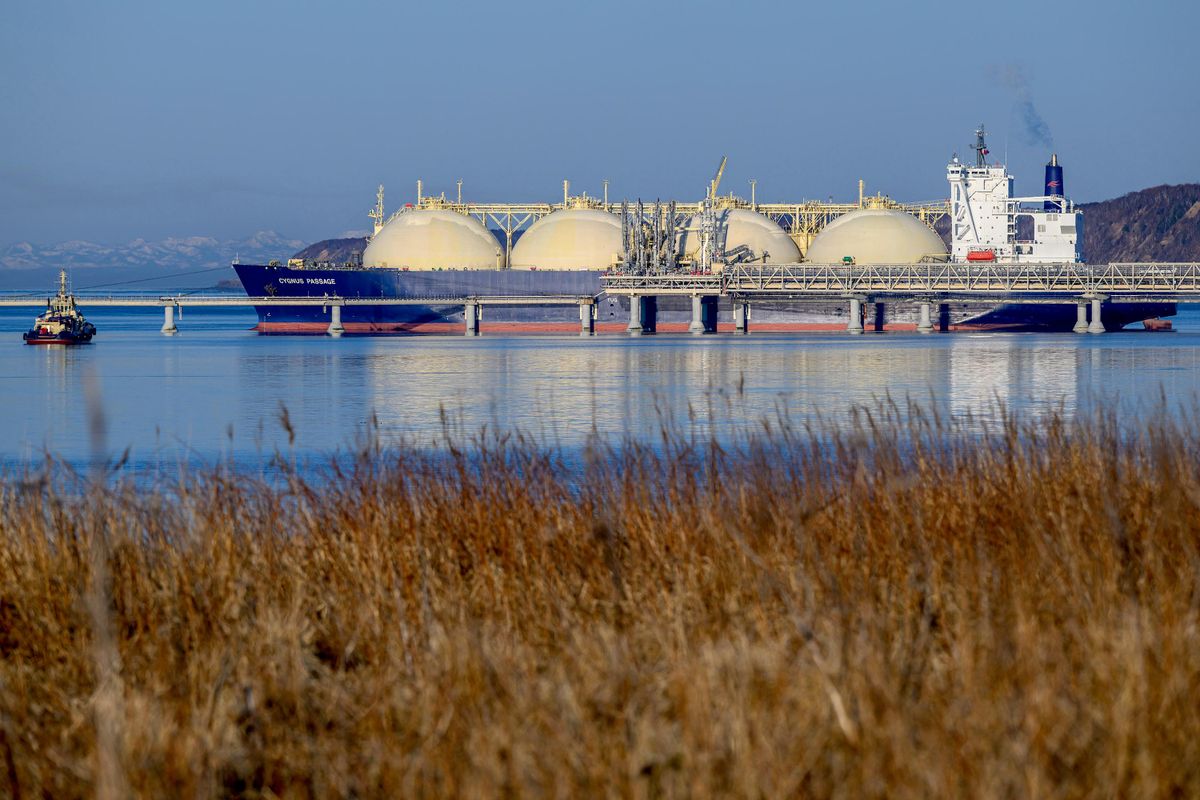
An LNG tanker at the berth of the Sakhalin-2 liquefied natural gas processing plant
© RIA Novosti / Sergei Krasnouhov
In addition, despite the almost complete "freeze" in political dialogue with Japan, investors from this country are maintaining their presence in energy projects in the Far East, particularly in Sakhalin-1 and Sakhalin-2. Cooperation also continues in select sectors, such as the fishing and timber industries. The Russian side is ready to restore full-fledged trade and economic ties, but only after Tokyo abandons its unfriendly course toward our country, backed by concrete, practical steps.
Of course, the list of major partners is not limited to the countries and projects mentioned above. These are just a few examples. I am confident that the Far East can become one of the development leaders in the Asia-Pacific. It has the necessary potential, competitive advantages, and a multitude of opportunities to realize them.
Question: Which Asian countries does Russia primarily consider as partners in the Far East?
Andrey Rudenko: The Russian side is open to engaging with anyone aimed at equal and mutually beneficial cooperation. For the Far East, this means, first and foremost, a wide circle of partners from various Asian subregions (Northeast, South, Southeast, and Central), as well as from the Middle East. We see interest from other regions of the world too.
A good indicator in this regard is the Eastern Economic Forum (EEF), held annually in Vladivostok, which has proven to be a dynamic platform for political and business contacts with a constructive sector-specific agenda. Notably, both the forum's geography and the range of topics discussed continue to expand.
For example, last year's milestone tenth EEF brought together around 8,000 participants from 75 countries. The result was hundreds of diverse projects and tens of billions of investments attracted to the development of the Far East. Over the years, the forum has been attended in person by the leaders of India, China, Malaysia, Mongolia, and Myanmar, while the leadership of Vietnam, Kazakhstan, Laos, and Thailand have participated in one form or another. As is customary at the EEF, sessions were held featuring representatives from regional associations, particularly the EAEU, SCO, ASEAN, APEC, ESCAP, and ACD (Asia Cooperation Dialogue).
Question: What are the main threats to regional security in the Asia-Pacific? What measures are we taking on our end to neutralize them?
Andrey Rudenko: One of the serious challenges to the security and development of the Asia-Pacific is the Western policy of militarizing the region and entrenching NATO’s military and political potential within it. The West's efforts are aimed at replacing the positive cooperation mechanisms that have existed here for decades with a network of confrontational bloc structures. This militaristic approach directly contradicts the traditional model of pragmatic, constructive engagement that helped Asia become a global leader in economic growth rates.
Recently, calls from the US and Europe to create an Asian equivalent of the North Atlantic Alliance have been growing louder. Some have even come up with a name: the "Indo-Pacific Treaty Organization."
This does not bode well for Asia—NATO’s historical legacy in Yugoslavia, Iraq, and Libya is well known to everyone. Now, Ukraine has been put to the knife.
Russia has always advocated for a unifying agenda in interstate relations within the Asia-Pacific, fostering open and equal engagement with interested nations. We are convinced that the path to a successful future lies exclusively in the realm of joint development. High standards in this area are set by multilateral institutions such as the EAEU, the SCO, and the ASEAN.
This year, we are celebrating the 35th anniversary of the establishment of relations between Russia and ASEAN. Throughout all these years, the Association has been a close partner of our country. At the jubilee summit in Kazan on June 18, the leaders approved a comprehensive "roadmap" for practical Russia-ASEAN cooperation for the upcoming five years.
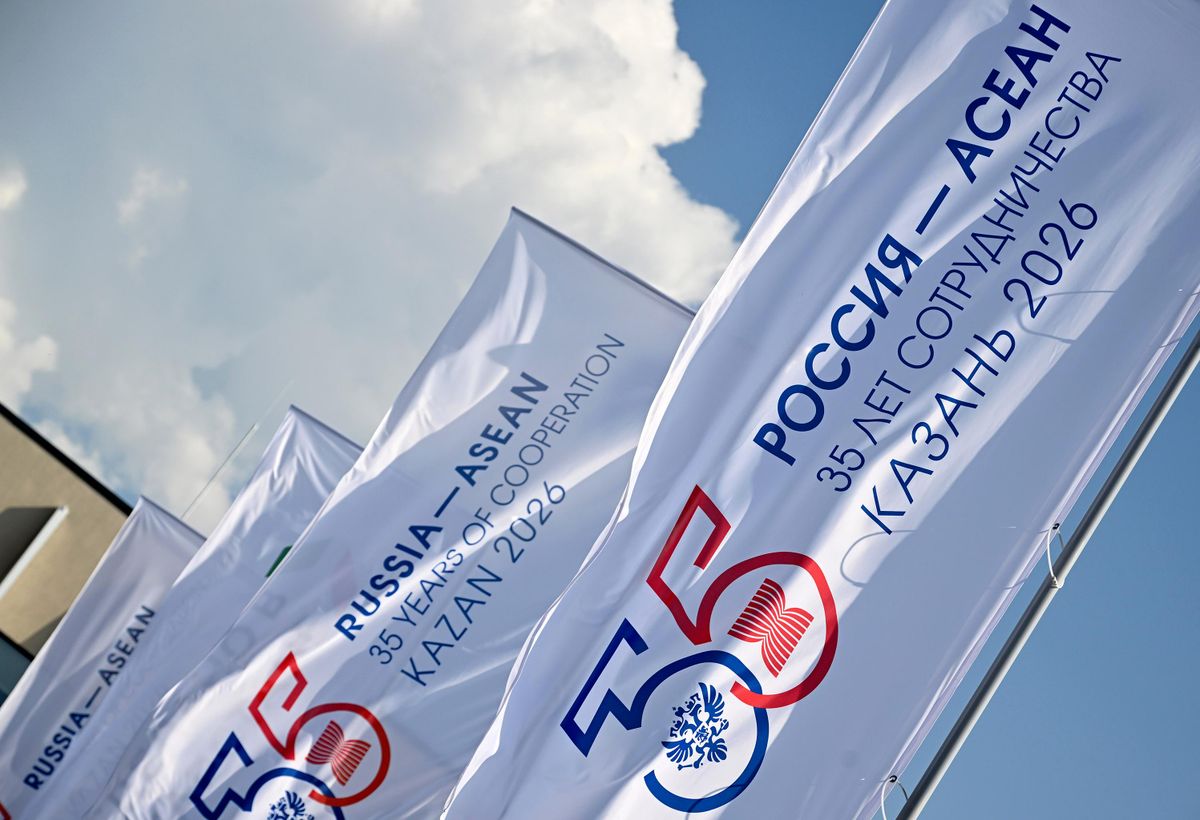
Flags with the symbols of Russia-ASEAN Summit in Kazan
© RIA Novosti / Maksim Bogodvid
This covers trade, energy (including civilian nuclear power), transport and logistics connectivity, digitalization, and a broad social and humanitarian block, including education and healthcare.
The scope of the EAEU's external ties is expanding. Recognizing the union's potential, a growing number of Asia-Pacific countries are striving for closer economic relations with it and showing interest in concluding free trade agreements. These include Vietnam, Indonesia, Iran, and Mongolia.
The SCO is a prime example of an association built on the principles of equality, mutual trust, and respect for cultural and civilizational diversity. Guided by these values, the organization makes a significant contribution to advancing regional cooperation in the spheres of politics and security, economics, and humanitarian ties, playing an increasingly prominent role in building a multipolar world order. This constructive philosophy makes the SCO attractive in the eyes of Asian countries.
Speaking more broadly, we view the EAEU, SCO, and ASEAN as the key building blocks of the Greater Eurasian Partnership (GEP) initiative put forward by Russian President Vladimir Putin. The goal of the GEP is to consolidate the cooperation potential of leading regional platforms and to align national development projects. Incidentally, the heads of the executive bodies of these associations participated in the events of the Russia-ASEAN summit in Kazan, with a view to deepening cooperation, including in such pressing areas as connectivity, the digital agenda, and food and energy security.
Question: What role does the FEFD play in developing Russia-China relations, and what are the prospects for expanding bilateral cooperation in this region?
Andrey Rudenko: As I noted earlier, the FEFD maintains extensive international ties with Asia-Pacific states, particularly with China. It plays, without exaggeration, a strategic role in developing the multifaceted complex of Russian-Chinese relations of comprehensive partnership and strategic interaction.
The Intergovernmental Russian-Chinese Commission for Cooperation and Development of the Far East of the Russian Federation and the Northeast of the People's Republic of China has been established and is actively functioning. It is headed by Yury Trutnev, Russia’s Deputy Prime Minister and Presidential Plenipotentiary Envoy to the Far Eastern Federal District, and on the Chinese side, by Vice Premier of the State Council of the People's Republic of China Zhang Guoqing.
Chinese companies are already participating in several dozen projects within the framework of International Advanced Special Economic Zones and the Free Port of Vladivostok. Of the foreign investments in the Far East, estimated at 1.2 trillion rubles, China accounts for the lion's share—1 trillion rubles.
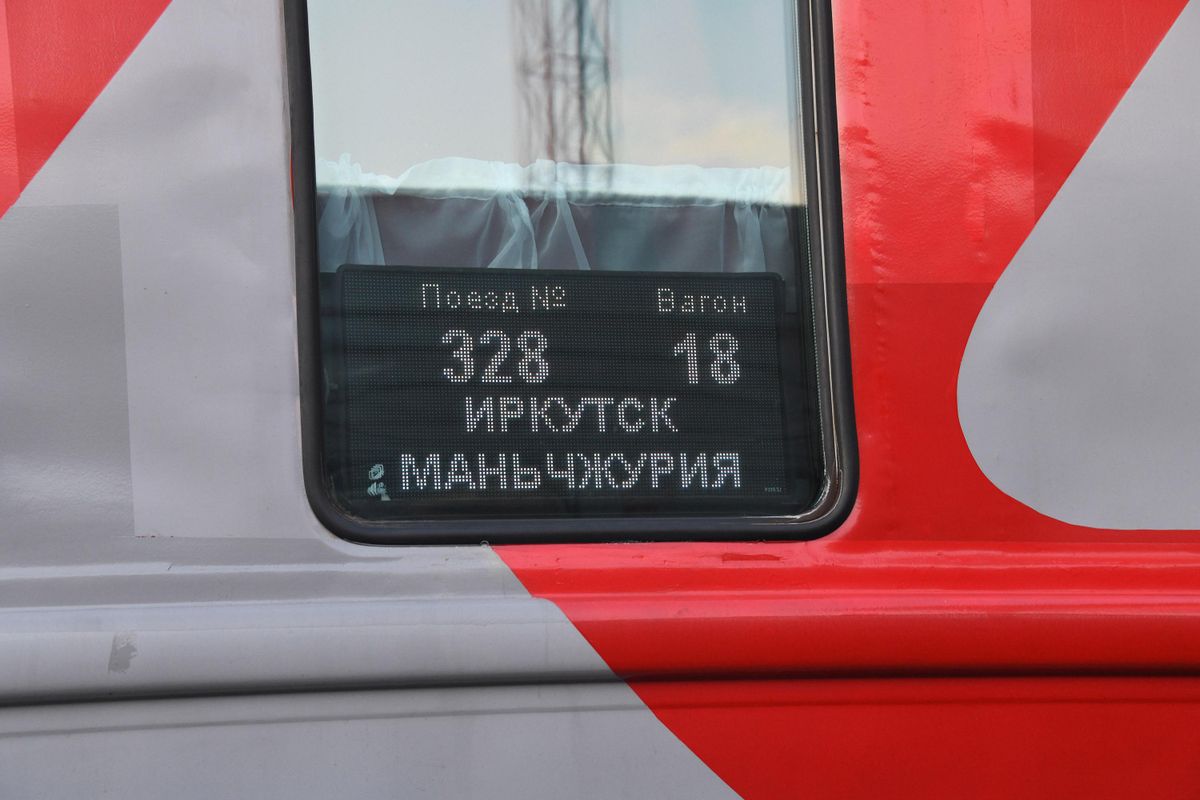
A carriage of the Zabaikalsk-Manchuria international passenger train
© RIA Novosti / Evgeny Yepanchintsev
We are paying special attention to deepening connectivity. The joint statement, adopted following Russian President Vladimir Putin's official visit to China this May, enshrines the parties' intention to scale up the construction of cross-border transport infrastructure and boost the efficiency of freight and passenger transport. For instance, an intergovernmental agreement was signed to construct a new 1435 mm gauge track via the Zabaykalsk–Manzhouli railway border crossing.
Other joint projects are also underway along our border: a bridge connection near the settlements of Jalinda and Mohe, and a new border crossing on Bolshoy Ussuriysky Island. We are exploring the possibility of utilizing new unmanned transport technologies. Furthermore, a cross-border cable car is scheduled to launch between the cities of Blagoveshchensk and Heihe. This is a one-of-a-kind international project.
We are also continuing to develop cargo navigation along the NSR. Its role as a new, independent transport artery is crucial, especially given the current geopolitical climate, such as the crisis in the Strait of Hormuz. Freight volumes along this route are growing rapidly.
We are placing a strong emphasis on developing educational cooperation. The Association of Universities of the Far East and Siberia and the Northeastern Regions of China has been established and is successfully expanding. There are excellent conditions for deepening scientific and technological cooperation based on advanced research platforms. Close contacts are being maintained in fundamental and applied scientific research.
The region is renowned for its unique recreational resources, which consistently attract Chinese travelers. These include Lake Baikal, the Valley of Geysers in Kamchatka, Sakhalin Island, and many other places of extraordinary beauty. The Okean All-Russian Children's Center annually hosts children from various regions of China for holidays as part of its international programs.
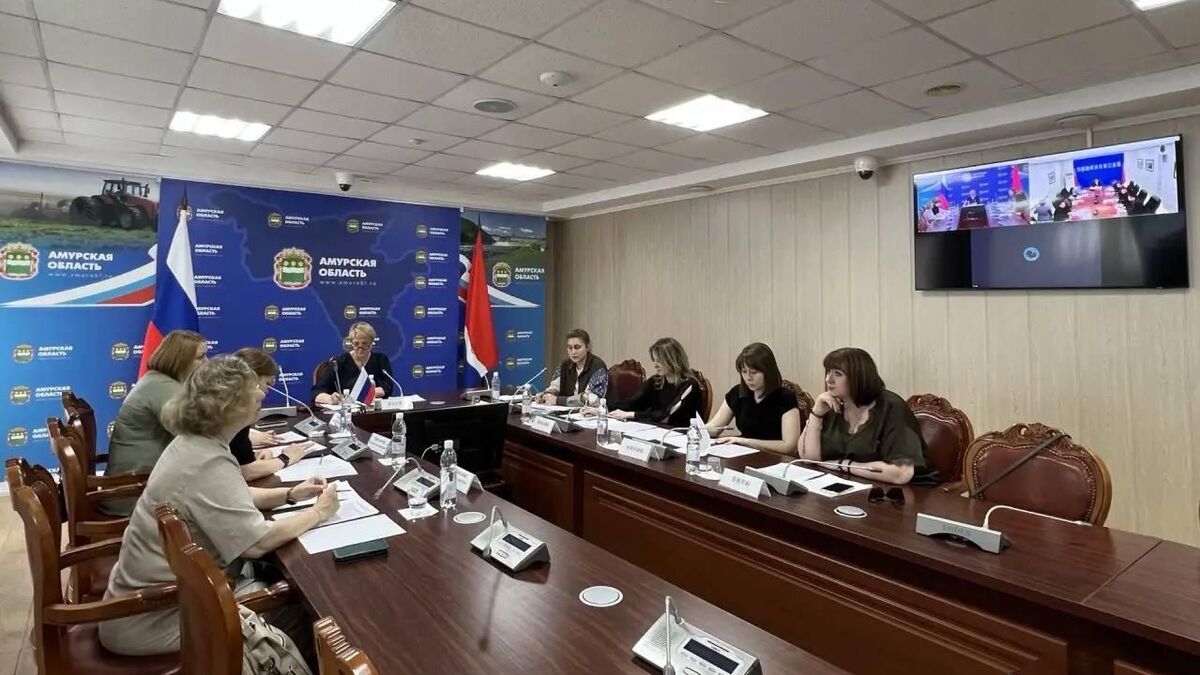
Landmark events in the cultural calendar of both countries include the Russian-Chinese Fair of Culture and Art, as well as the Amur Autumn International Film and Theater Festival.
Hosting the Russian-Chinese Winter Sports Festival on the Amur River has become a wonderful tradition. The 44th Russian-Chinese Winter Youth Games, held in Yuzhno-Sakhalinsk from January 8 to 14, 2025, are remembered for their brilliant victories and spectacular starts.
We will discuss all these and other topics in detail with our Chinese colleagues at the 11th Eastern Economic Forum in Vladivostok (September 1–4, 2026), where we expect a traditionally high-level delegation from the PRC.
Question: How has the cancellation of visas with the PRC affected tourism in Russia's eastern regions? And are there plans in the foreseeable future to take steps to ease the visa regime with other Asian countries?
Andrey Rudenko: The introduction of a mutual visa-free entry regime by Russia and China has given a powerful boost to bilateral tourist exchanges. By the end of 2025, the tourist flow between our countries grew by 17 percent, exceeding 3 million trips. In the first quarter of this year, the growth rate of tourist trips reached 50 percent year-on-year.
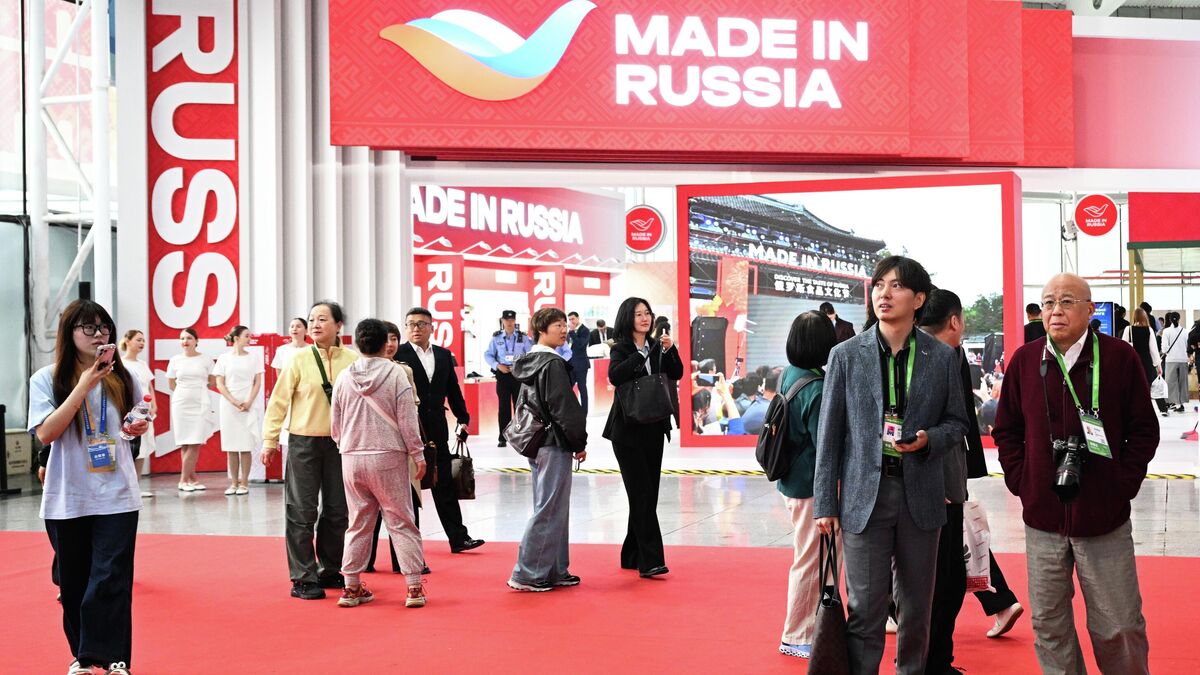
We have plans to increase the volume of tourist flow from the PRC to 5.5 million people by 2030, with the Far East expected to account for 1.8 million of them. Currently, the Chinese direction accounts for three-quarters of all foreign tourist traffic in the FEFD. To unlock the recreational potential of the Far East as a whole, comprehensive steps are being taken to improve logistics and resort infrastructure.
Tourist exchanges between the FEFD and China have solid development prospects. It is worth noting that one of the key drivers bolstering the positive momentum of our interaction is the traditional friendship between the peoples of our countries, as well as the high level of interest among residents of the Russian Far East and Chinese citizens in the culture, history, and natural landmarks of their neighboring country. We have accumulated a significant wealth of personal and family ties between our people. The strong social foundation of this interstate interaction points to excellent opportunities for advancing future cooperation across all spheres without exception, including tourism.
Facilitating mutual travel for citizens is one of the top priorities of the Russian Foreign Ministry, including in the Asian direction. Active work is underway to conclude interstate agreements on liberalizing travel regimes with Indonesia and Malaysia. We are also looking forward to the imminent launch of a mechanism for group visa-free tourist exchanges between Russia and Vietnam. Furthermore, we are discussing prospects with the PRC to establish visa-free travel for citizens on a permanent basis.