https://en.arctic.ru
“Thawing permafrost.” The reason for sending a team of researchers to the Arctic
“Thawing permafrost.” The reason for sending a team of researchers to the Arctic
Arctic.ru: Discover how Russia implements its development goals in the Arctic and the Far East
2026-07-15T12:20
2026-07-15T12:20
2026-07-16T12:22
news
arctic zone of russia
krasnoyarsk territory
science and technology
ecology
/img/07ea/07/0f/1612464_0:0:1350:760_1920x0_80_0_0_1abaf3658b413e86e0d8acf156f5de55.jpg
The summer field school for permafrost studies started operating in Norilsk today, Rector of the Fedorovsky Polar State University, Yevgeny Golubev, told RIA Novosti.“We should monitor permafrost layers in the real-time mode. Onsite studies are the only way to assess the impact of climate change on permafrost, to develop technologies for constructing and adapting buildings during soil degradation processes and for analyzing the resilience of the urban infrastructure,” he noted and added that it was necessary to deploy a team of researchers in the Arctic for these purposes.According to Golubev, the most powerful testing site with hundreds of observation wells is located in the Norilsk industrial district. “Thermal sensors which are installed there at different levels measure temperatures and seasonal melting depths of permafrost layers,” Yevgeny Golubev said; in his opinion, this essentially mega-science facility is part of the Arctic environment.“The situation is sad: permafrost layers are thawing; this is becoming more evident with every passing year, and this raises many subjects for discussion,” Yevgeny Golubev said.“If a building is located on a permafrost layer, and if the ground underneath it becomes less solid, then the building starts cracking and disintegrating. If this is an industrial facility, then it would take billions of rubles to save it in this situation,” the Rector added and emphasized the fact that the Arctic environment required humans to act extremely cautiously.
https://en.arctic.ru/20260714/1611125.html
2026
Новости
ru-RU
https://en.arctic.ru/docs/about/copyright.html
https://xn--c1acbl2abdlkab1og.xn--p1ai/
/img/07ea/07/0f/1612464_65:0:1265:900_1920x0_80_0_0_5ee6d479e5b5c8dca98f9e0c2c96cb7c.jpgnews, arctic zone of russia, krasnoyarsk territory, science and technology, ecology
“Thawing permafrost.” The reason for sending a team of researchers to the Arctic
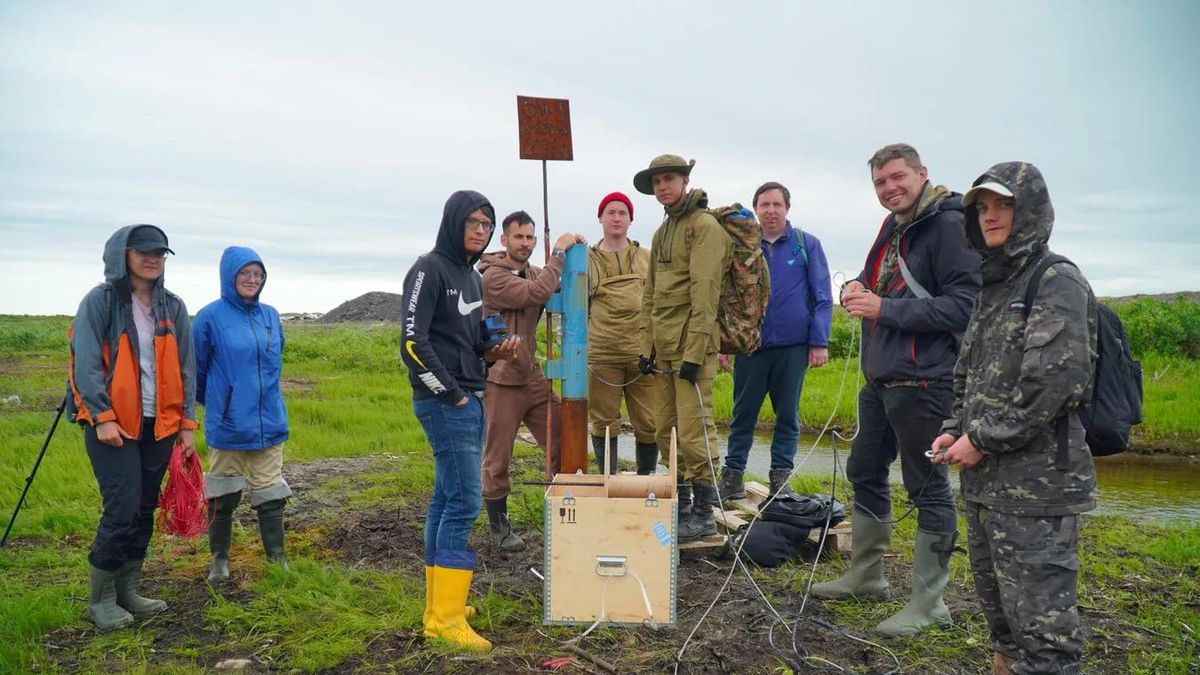
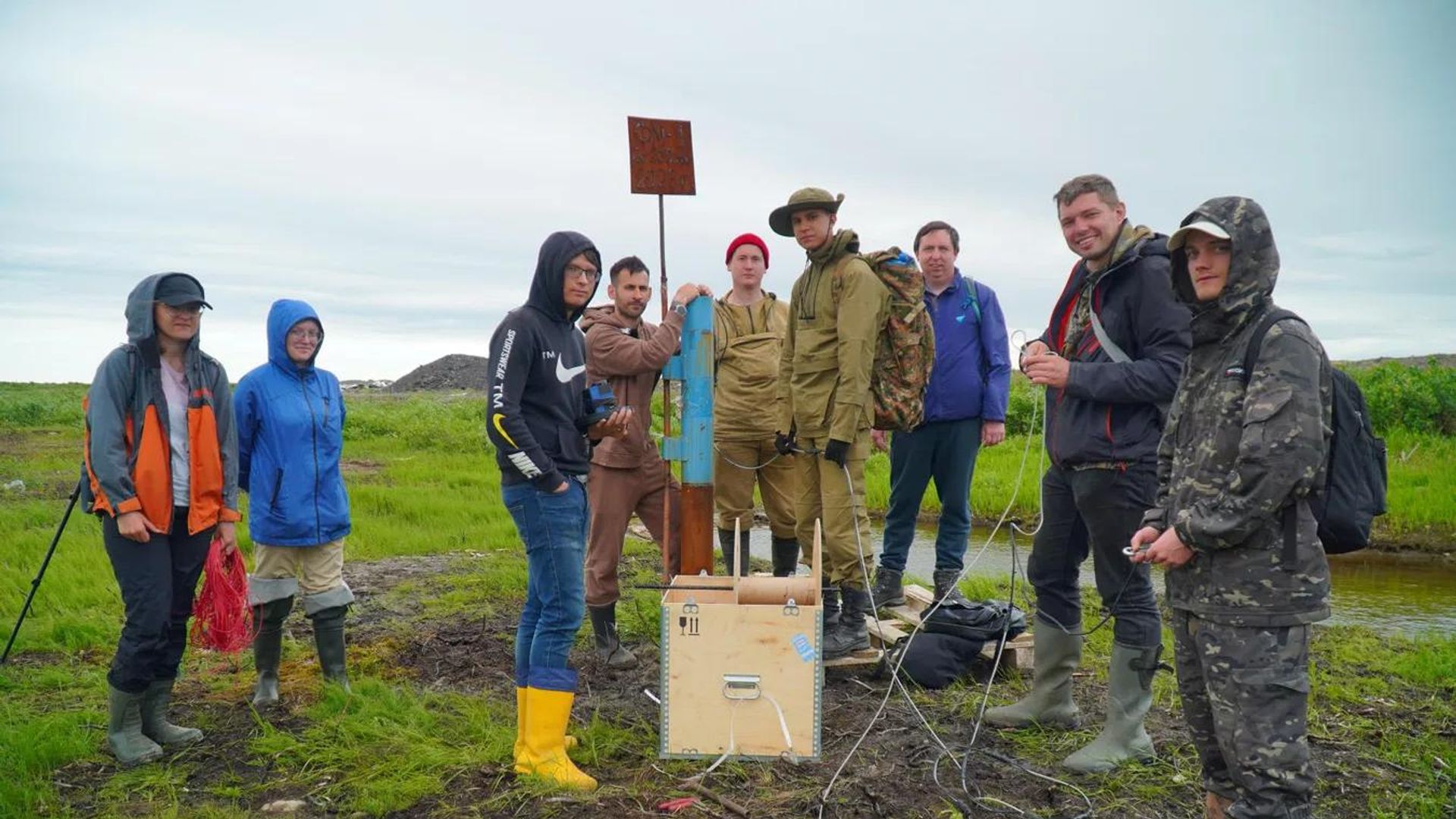
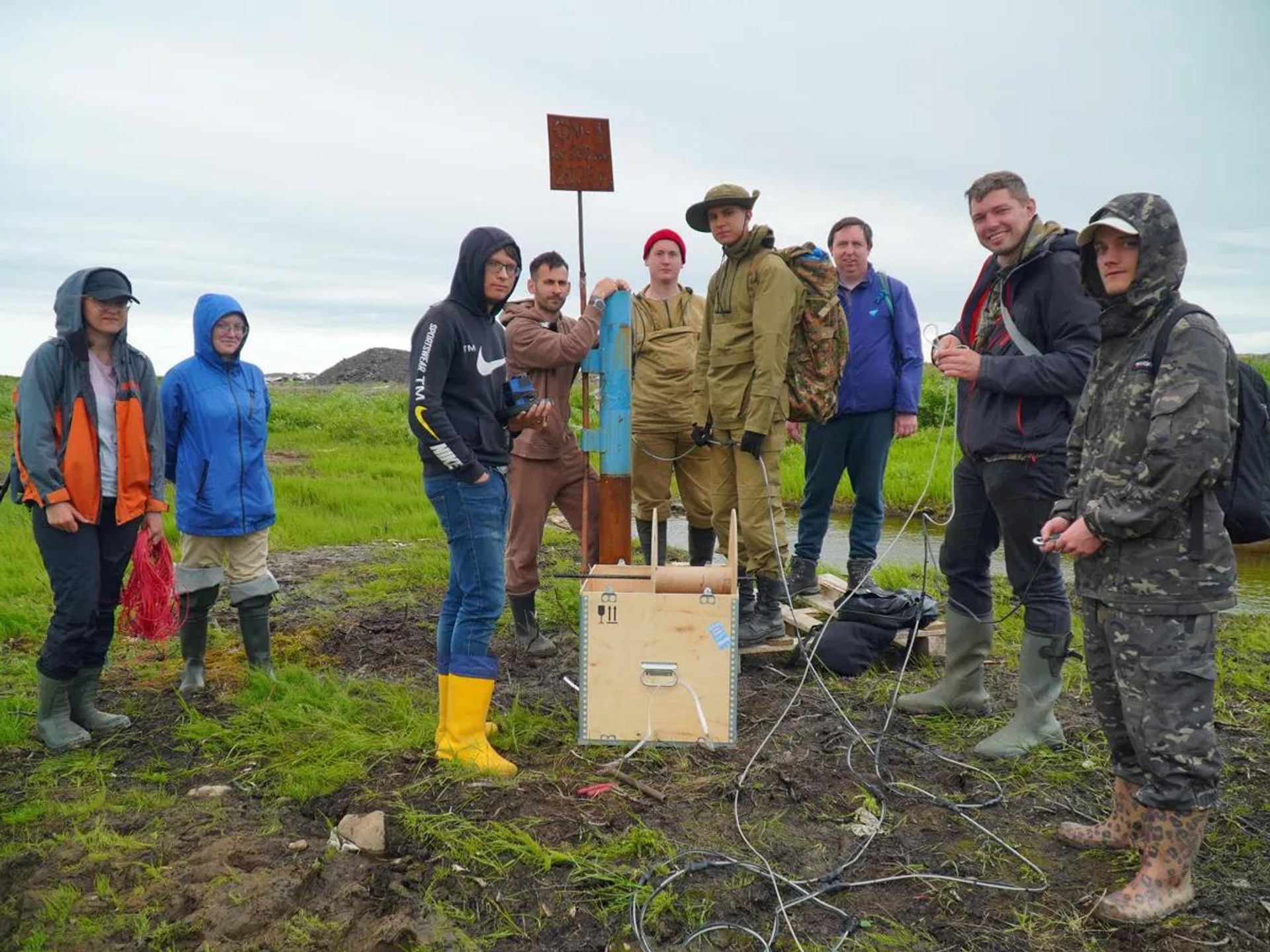
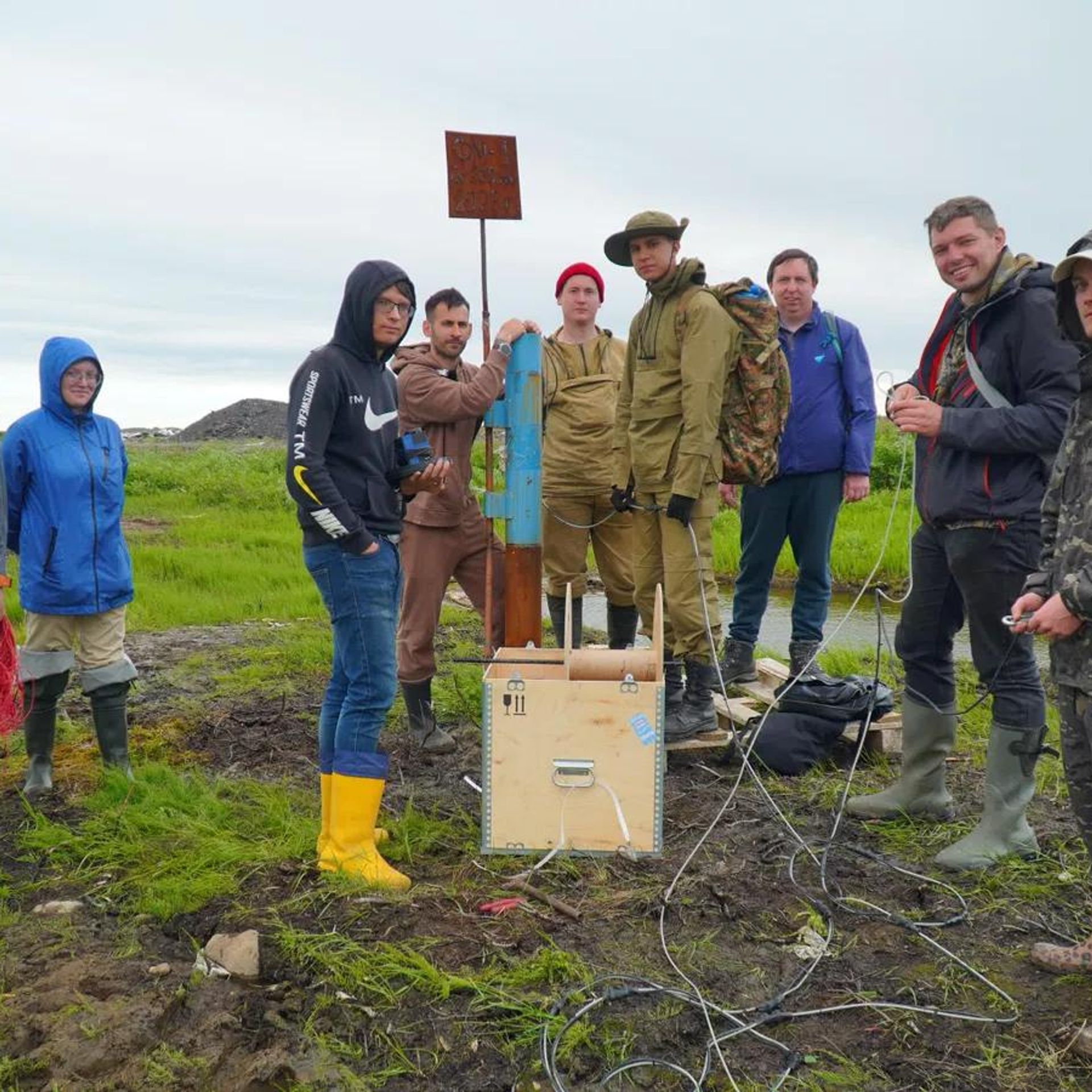
The summer field school for permafrost studies started operating in Norilsk today, Rector of the Fedorovsky Polar State University, Yevgeny Golubev, told RIA Novosti.
“We should monitor permafrost layers in the real-time mode. Onsite studies are the only way to assess the impact of climate change on permafrost, to develop technologies for constructing and adapting buildings during soil degradation processes and for analyzing the resilience of the urban infrastructure,” he noted and added that it was necessary to deploy a team of researchers in the Arctic for these purposes.
“We gather students from various universities, tell them that there is no correct answer to this problem and suggest conducting joint research,” the Rector of the Polar State University added. He stressed that students obtain fieldwork experience in Arctic conditions, and that it was impossible to replicate this environment in any lecture-room.
According to Golubev, the most powerful testing site with hundreds of observation wells is located in the Norilsk industrial district. “Thermal sensors which are installed there at different levels measure temperatures and seasonal melting depths of permafrost layers,” Yevgeny Golubev said; in his opinion, this essentially mega-science facility is part of the Arctic environment.
“The situation is sad: permafrost layers are thawing; this is becoming more evident with every passing year, and this raises many subjects for discussion,” Yevgeny Golubev said.
“If a building is located on a permafrost layer, and if the ground underneath it becomes less solid, then the building starts cracking and disintegrating. If this is an industrial facility, then it would take billions of rubles to save it in this situation,” the Rector added and emphasized the fact that the Arctic environment required humans to act extremely cautiously.