10:00 09.07.2026
"The sea has been my calling for over 20 years." Secrets of northern fishing from a Murmansk captain
© Russian Arctic and Far East Development
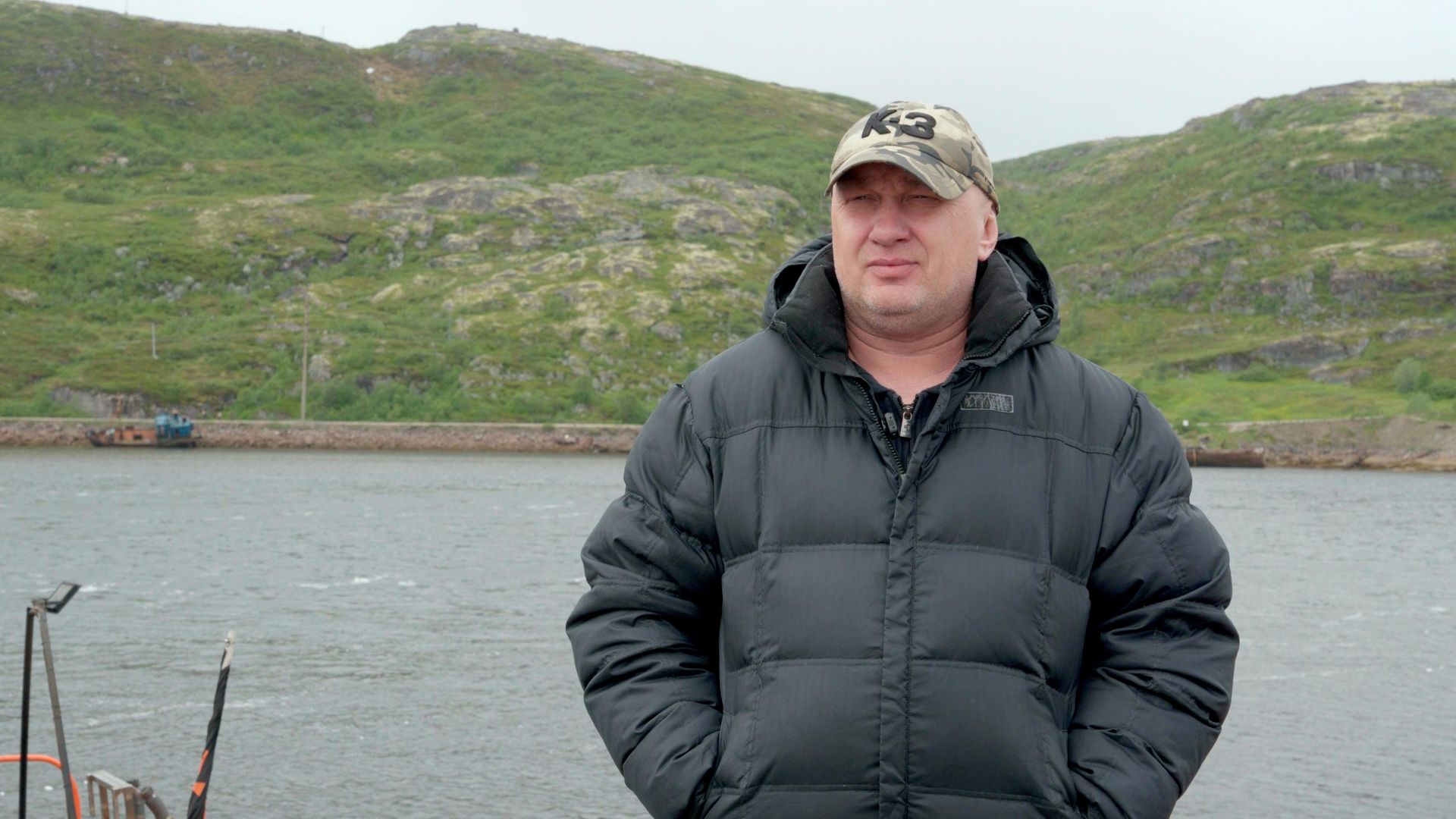
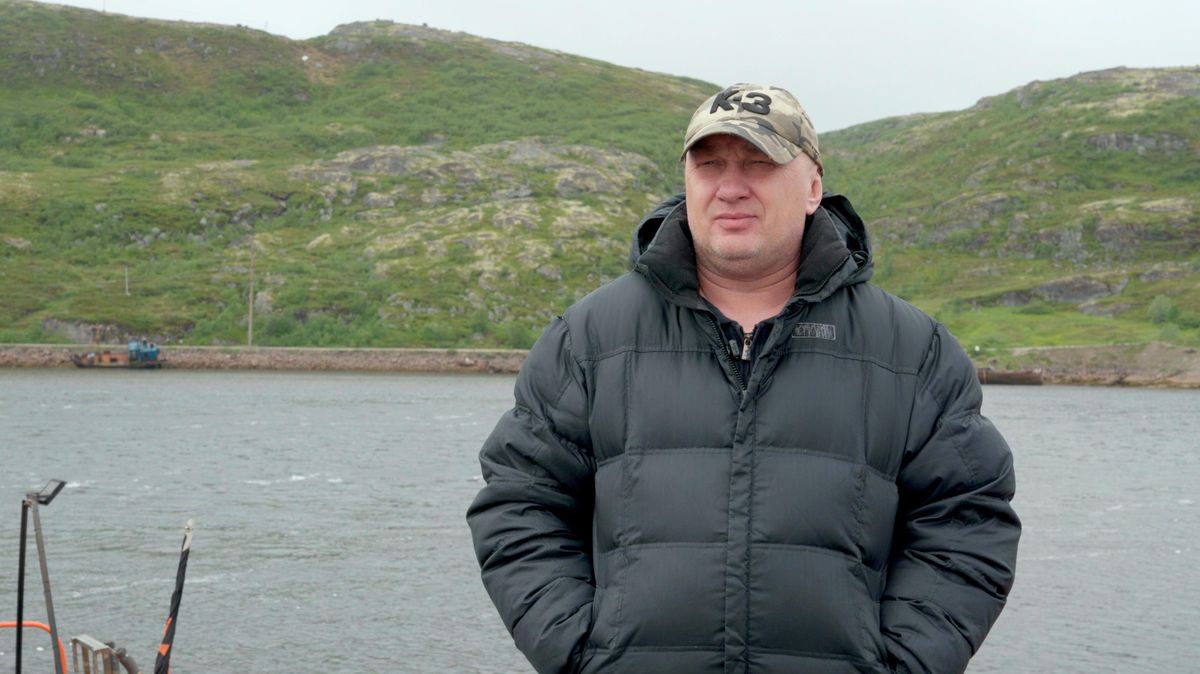
Konstantin Lazovsky first went out into the Barents Sea "just for fun," and has been hooked ever since. Hardly a single day of his life goes by now without the salty wind and the vast marine horizon. Today, he is a ship's captain and a seasoned fisherman who guides groups of tourists, showing them that fishing is not just about the catch, but a whole ocean of vivid emotions.
Read our article to find out how to act during a storm, why the amount of capelin in the Barents Sea has drastically decreased, and what beginner fishermen absolutely must have with them.
Konstantin Lazovsky is originally from the Kola Peninsula. His passion for fishing began when he was 18. On that day, he and his friends decided to take a boat ride.
"I didn't even think things would turn out this way. I went out just for fun, but then one thing led to another," he recalls.
Currently, Konstantin's main fishing grounds are the waters off Kildin Island and Dalnie Zelentsy. In search of a catch, the captain relies not only on intuition but also on modern technology. "We check the fish finder to see where the fish are biting best. If we find them, we catch them. If we don't, we don't," he explains.
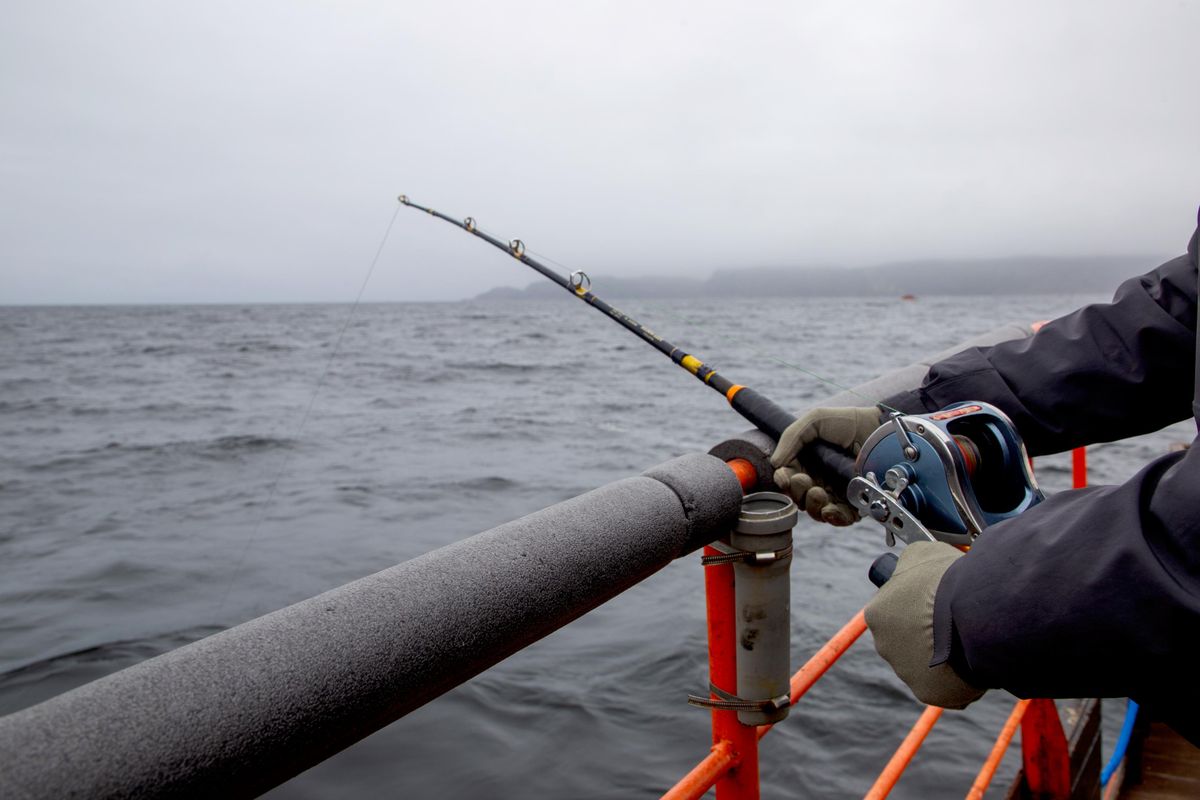
Fishing in the waters of the Barents Sea
© Russian Arctic and Far East Development
Konstantin most frequently hooks cod, and slightly less often, haddock. The best time for fishing in the Barents Sea is spring—from March to May—while by mid-June, the mass migration of cod begins, and the sea literally teems with life. Konstantin also goes out to sea in the winter, but according to him, the fishing tapers off—it is cold, and the seas get quite rough.
Over his years of work, Konstantin has noticed alarming changes: there is significantly less capelin and herring. Currently, there is a moratorium on capelin—catching it is banned because the stocks are not recovering. However, a concession was recently made for recreational anglers: they are allowed to catch up to 7 fish per person a day, but exclusively for their own consumption. Completely off-limits are crab and Atlantic halibut, which is listed in the Red Data Book.
"If you catch one, let it go. I always release them," the fisherman admits.
He emphasizes that authorities are cracking down hard on poaching in the region: patrol boats regularly monitor the waters, and inspections are relentless. Yet, the law allows an individual to harvest up to 100 kg a day quota-free.
"In my opinion, that's plenty. Why would anyone need more?" Konstantin notes.
There Is Always a Chance as Long as the Engine Is Running
The greatest hazard for Murmansk fishermen is foul weather.
"Storms get in the way; our sea is unforgiving, and the climate is unpredictable. The hardest part of my job is getting caught in a tempest: you might never return," the captain says.
The seasoned skipper's primary advice in such a scenario is to immediately seek shelter and head for home. Alternatively, you have to heave to, ride the waves, and wait for the squall to die down. In critical situations, calling rescue services right away is an absolute must.
Over his years at sea, Konstantin has faced his share of emergencies. Once, for instance, a massive storm caught them in the White Sea. "We fought to survive for three days, but we made it through," he recalls. The captain emphasizes that if a vessel loses power, the situation is critical; but as long as the engine is running, there is always a chance to pull through.
Konstantin notes that there are now significantly more tourists in the Murmansk region. Following the launch of development programs for the Arctic and the Far East, tourist traffic to the North has surged. Konstantin sees this firsthand through the sheer volume of guests: during the spring, up to 500 boats take to the water daily, drawing fishing enthusiasts from all across the country.
"The people who visit us are incredibly positive—adventurers in the best sense of the word, eager to go whale watching and do some fishing," he shares.
In the Barents Sea, you can encounter minke, humpback, and fin whales, alongside white-beaked dolphins, harbor porpoises, and seals. When schools of small fish move in, the whales arrive to feed, making the chances of spotting them exceptionally high.
The North Tests Everyone's Mettle
The captain is convinced: the key to northern fishing is preparation. He strongly advises beginners to read up on the Barents Sea, consistently check the weather forecasts, and select only the most reliable gear. You must always carry a marine radio to receive storm warnings, life jackets, flare guns, and hand flares for signaling distress.
Konstantin recalls how he recently found himself unexpectedly involved in a rescue operation when he spotted fishermen in distress whose boat had stalled and smashed against the rocks on Maly Oleny Island. He immediately relayed the information to the border guards, and the men were rescued.
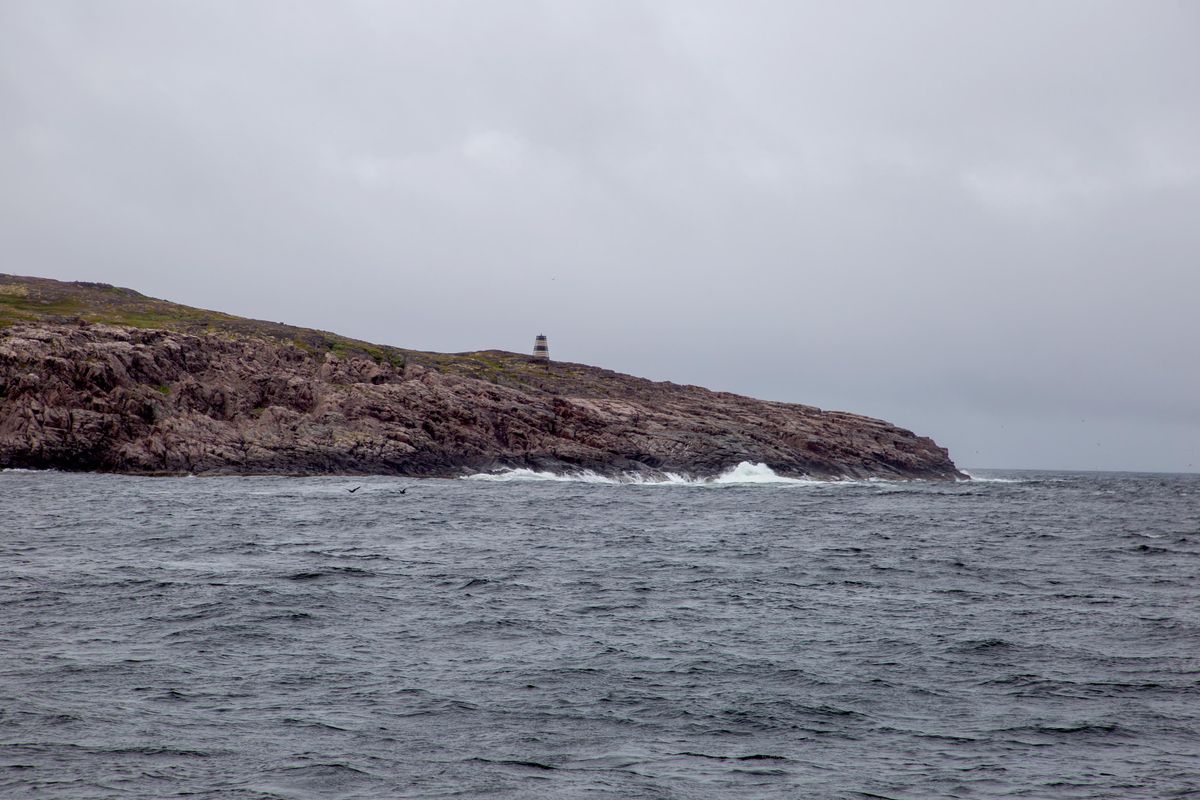
The coastal cliffs of Teriberka Isthmus
© Russian Arctic and Far East Development
"They had absolutely nothing with them. It was sheer luck they had cell service and managed to climb a hill to make a call," the captain recounts.
Over his two decades at sea, Konstantin has become convinced of one thing: the North tests the mettle of anyone who decides to link their fate to it. But if a person understands the ways of the sea and never neglects safety rules, it will reciprocate, generously bestowing its riches. It will also reward them with whale encounters, the silence of the sunsets, and a boundless sense of freedom.