https://en.arctic.ru
The Khabarovsk Territory’s vegetable industry is expanding production, and food prices are reduced
The Khabarovsk Territory’s vegetable industry is expanding production, and food prices are reduced
Arctic.ru: Discover how Russia implements its development goals in the Arctic and the Far East
2026-07-06T13:34
2026-07-06T13:34
2026-07-07T15:02
news
social affairs
khabarovsk territory
infrastructure
/img/07ea/07/06/1578177_0:2:922:521_1920x0_80_0_0_703aca51752c1c1fa2ccbb70a009d5a3.jpg
Work is underway to build a new modern greenhouse in Komsomolsk-on-Amur, and subsidies have made it possible to reduce prices two-three-fold in Okhotsk, as per the press service of the Governor and Government of the Khabarovsk Territory.The territory’s northern districts will receive more fresh cucumbers, tomatoes, radish and 15 types of greens. A new modern greenhouse, now under construction at the Vostok agricultural facility in Komsomolsk-on-Amur, will help expand production and delivery volumes.A similar greenhouse started working at the enterprise last year. Dmitry Demeshin inspected the facility during his working trip to Komsomolsk-on-Amur.This is the only enterprise in the territory’s north-western part that provides local residents with fresh vegetables and greens all year round. Its annual harvests exceed 300 metric tons. The produce is delivered to stores in Komsomolsk-on-Amur and nearby districts. The city also has its own retail network with eight outlets.The authorities are also doing their best to deliver affordable foodstuffs to far-away areas. As instructed by Dmitry Demeshin, they have started delivering food by air in the Okhotsk District under subsidized rates; delivery prices are down by almost 70 percent.Today, businesspersons spend 200 rubles (instead of 620-670 rubles in the past) on delivering one kilogram of freight. The margin is compensated from the territorial budget. In April-June, almost 40 metric tons of freight, including vegetables, fruits, dairy products, etc., were delivered to the Okhotsk District.During his working trip to the Okhotsk District, Dmitry Demeshin made sure that prices for local residents have plunged considerably. This past winter, cabbage cost 500 rubles per kilo, and now it costs 180 rubles. Apples now cost at least 250 rubles per kilo, just like in Khabarovsk, depending on their sort. Ten eggs recently cost 537 rubles, and their price is now down to 178 rubles, a three-fold decline. Prices for dairy products, including cottage cheese, sour cream and kefir (Russian yogurt) have also plunged.There are plans to deliver 30 percent more foodstuffs (over 51,000 metric tons) to northern districts. In all, 64 million rubles’ worth of budgetary funding have been allocated for delivering socially important welfare foods by air and sea.
https://en.arctic.ru/20260417/1407854.html
2026
Новости
ru-RU
https://en.arctic.ru/docs/about/copyright.html
https://xn--c1acbl2abdlkab1og.xn--p1ai/
/img/07ea/07/06/1578177_47:0:867:615_1920x0_80_0_0_3386004894f71d36555d8336bd82c1f6.jpgnews, social affairs , khabarovsk territory, infrastructure
Work is underway to build a new modern greenhouse in Komsomolsk-on-Amur, and subsidies have made it possible to reduce prices two-three-fold in Okhotsk, as per the press service of the Governor and Government of the Khabarovsk Territory.
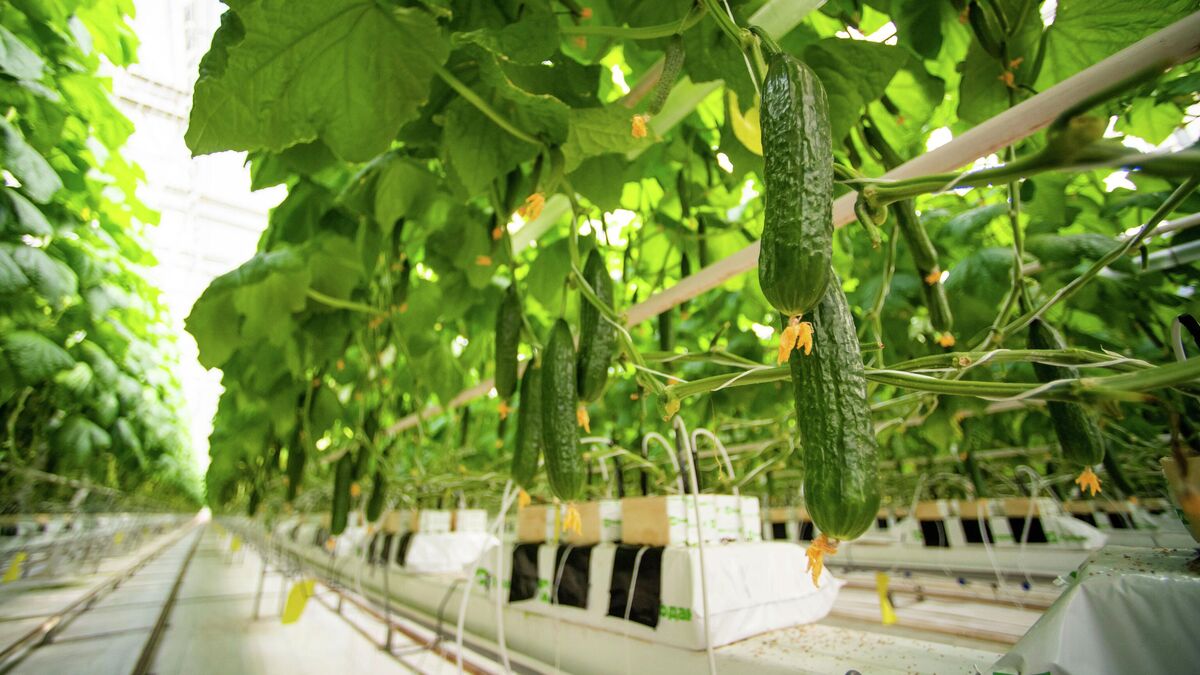
The territory’s northern districts will receive more fresh cucumbers, tomatoes, radish and 15 types of greens. A new modern greenhouse, now under construction at the Vostok agricultural facility in Komsomolsk-on-Amur, will help expand production and delivery volumes.
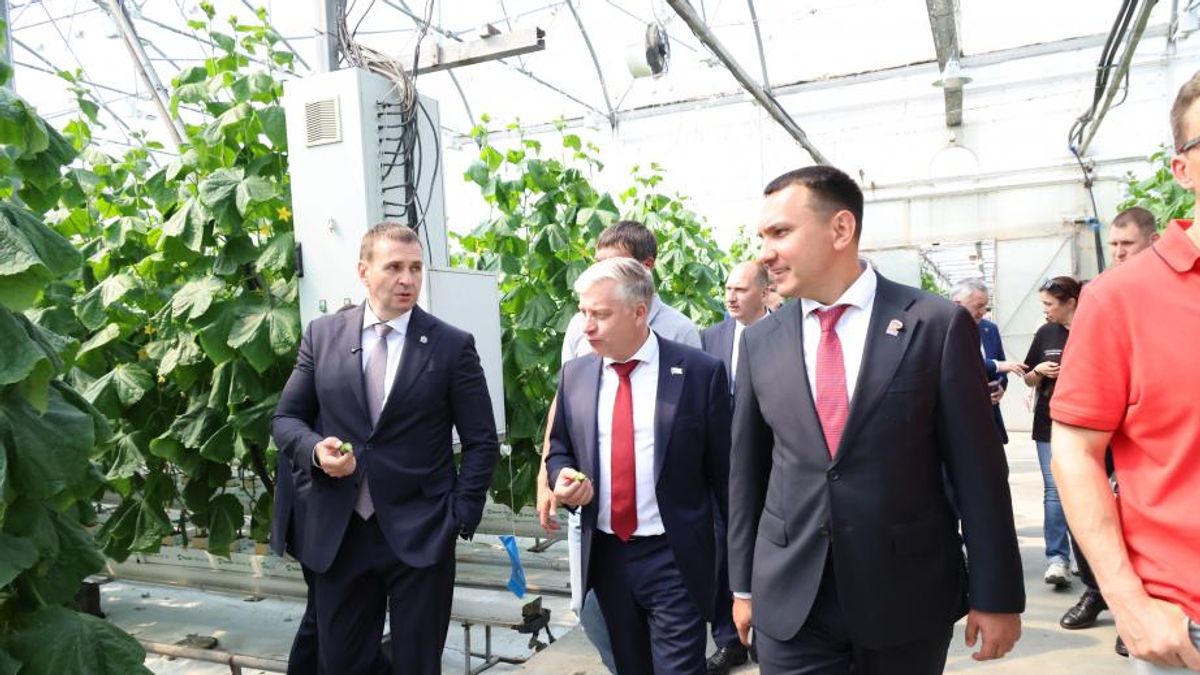
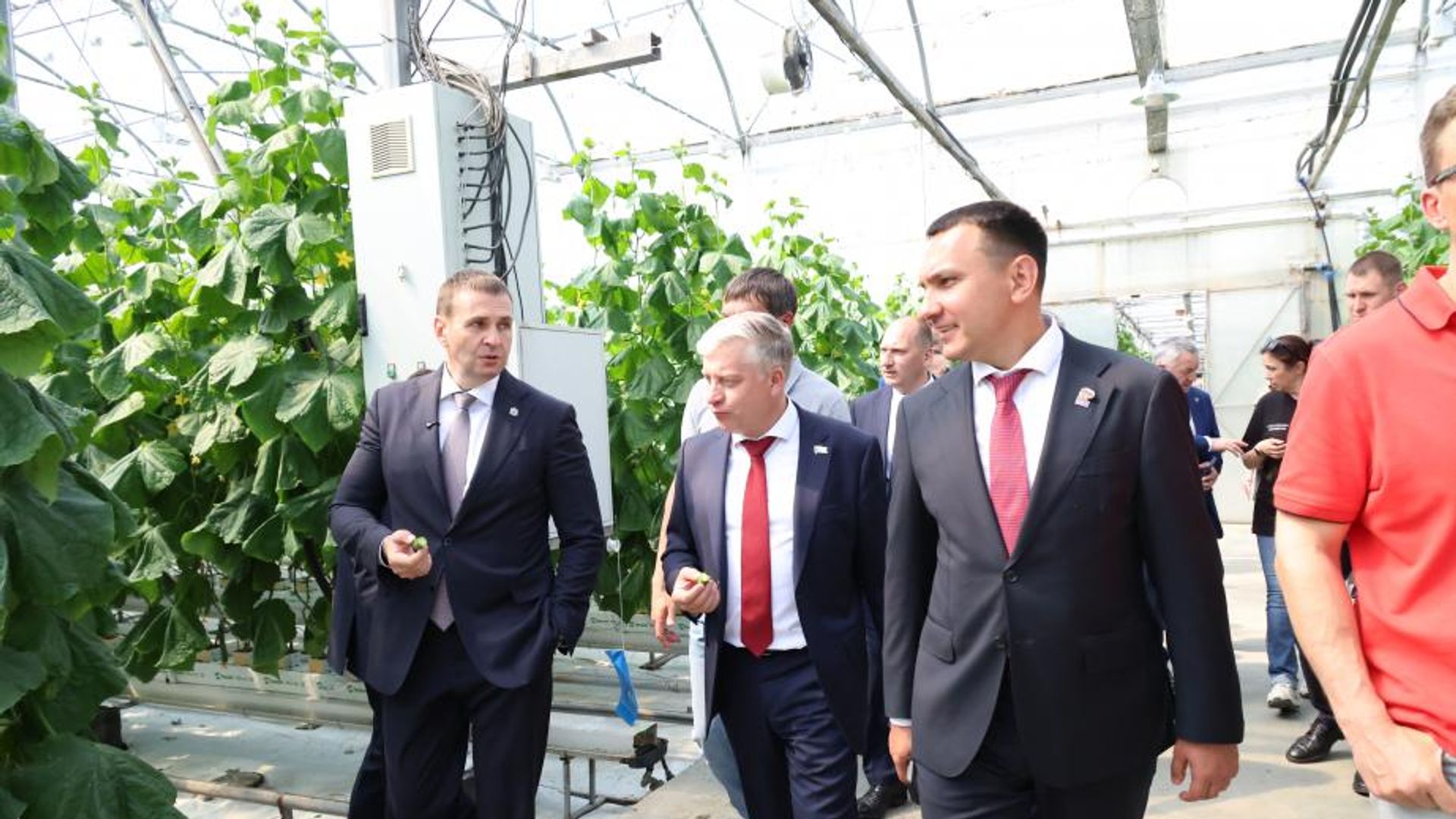
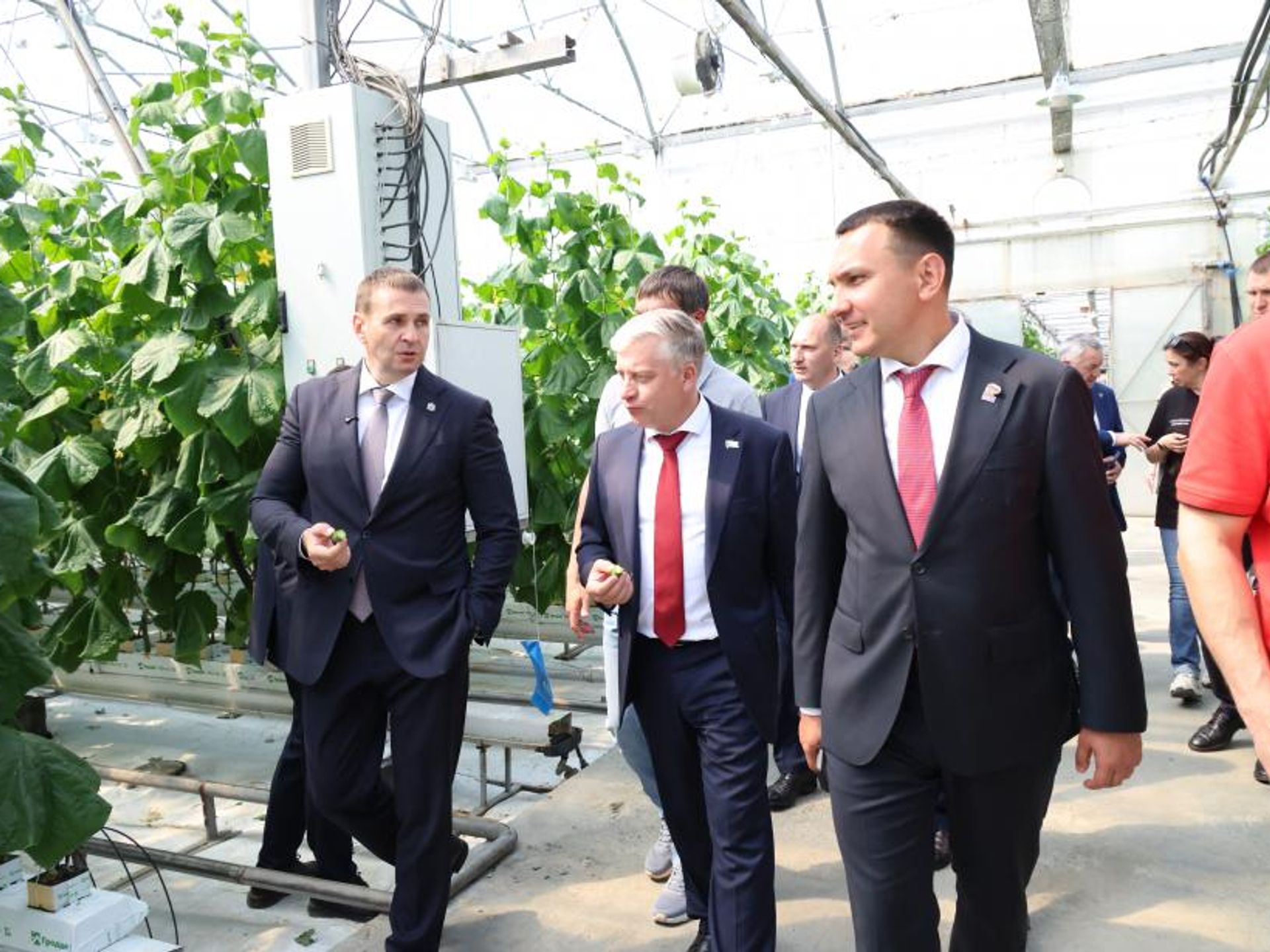
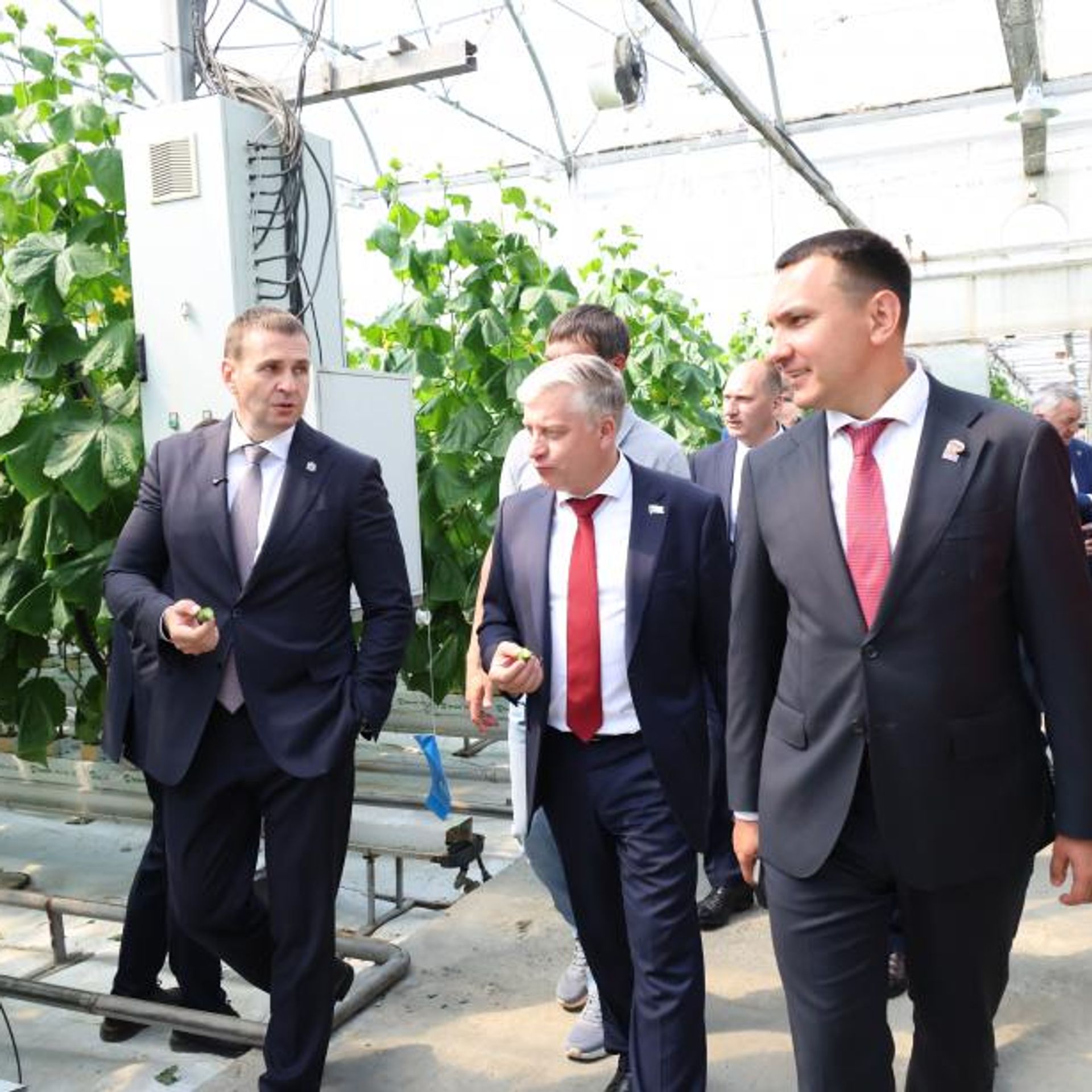
A similar greenhouse started working at the enterprise last year. Dmitry Demeshin inspected the facility during his working trip to Komsomolsk-on-Amur.
“The Vostok agricultural facility is an example of cost-effective agricultural production and of implementing an objective set by President Vladimir Putin, specifically, expanding local production volumes and accomplishing food security objectives. The produce is wonderful; we have tasted it and found out that its quality is superb,” the head of the region stressed.
This is the only enterprise in the territory’s north-western part that provides local residents with fresh vegetables and greens all year round. Its annual harvests exceed 300 metric tons. The produce is delivered to stores in Komsomolsk-on-Amur and nearby districts. The city also has its own retail network with eight outlets.
The authorities are also doing their best to deliver affordable foodstuffs to far-away areas. As instructed by Dmitry Demeshin, they have started delivering food by air in the Okhotsk District under subsidized rates; delivery prices are down by almost 70 percent.
“Our President Vladimir Putin sets us a clear objective: It is necessary to prioritize higher living standards in remote areas. And this is what we are doing in the Khabarovsk Territory. Top -priority objectives include northern deliveries of food and fuel,” the Governor noted.
Today, businesspersons spend 200 rubles (instead of 620-670 rubles in the past) on delivering one kilogram of freight. The margin is compensated from the territorial budget. In April-June, almost 40 metric tons of freight, including vegetables, fruits, dairy products, etc., were delivered to the Okhotsk District.
During his working trip to the Okhotsk District, Dmitry Demeshin made sure that prices for local residents have plunged considerably. This past winter, cabbage cost 500 rubles per kilo, and now it costs 180 rubles. Apples now cost at least 250 rubles per kilo, just like in Khabarovsk, depending on their sort. Ten eggs recently cost 537 rubles, and their price is now down to 178 rubles, a three-fold decline. Prices for dairy products, including cottage cheese, sour cream and kefir (Russian yogurt) have also plunged.
“In the near future, we will spread the experience of Okhotsk to the Aayano-Maisky and Tuguro-Chumikansky districts; I have instructed the territorial Ministry of Industry and Trade to accomplish this objective,” Dmitry Demeshin said in conclusion.
There are plans to deliver 30 percent more foodstuffs (over 51,000 metric tons) to northern districts. In all, 64 million rubles’ worth of budgetary funding have been allocated for delivering socially important welfare foods by air and sea.