10:00 19.06.2026
Free Petya: A unique humpback whale rescue off Kildin Island
© Tatyana Yefremova
The rescue of a humpback whale – listed in the Red Data Book – that became entangled in a rope off the coast of Kildin Island in the Barents Sea has concluded in the Murmansk Region. Specialists, scientists, and volunteers spent just over a day assessing the animal’s injuries and preparing the operation.
Ultimately, on June 13, the whale was freed from the dangerous gear within the first hour of the rescue team’s work. Maria Knyazeva, Acting Rector of Murmansk Arctic University (MAU), shared the details of the discovery and release of the marine giant in an interview with a correspondent from the Arctic and Far East Development portal.
The first distress call
The first report of a whale entangled in fishing gear came from tourists on the Rybachy Peninsula, who alerted staff at Murmansk Arctic University. A team of university specialists, led by Anton Yurmanov, Vice Rector for Research and Innovation, was able to quickly locate the animal – but only off the coast of Kildin Island, where the whale had migrated on its own.
During the very first examination, it was clear that the situation was dire and the animal needed to be rescued.
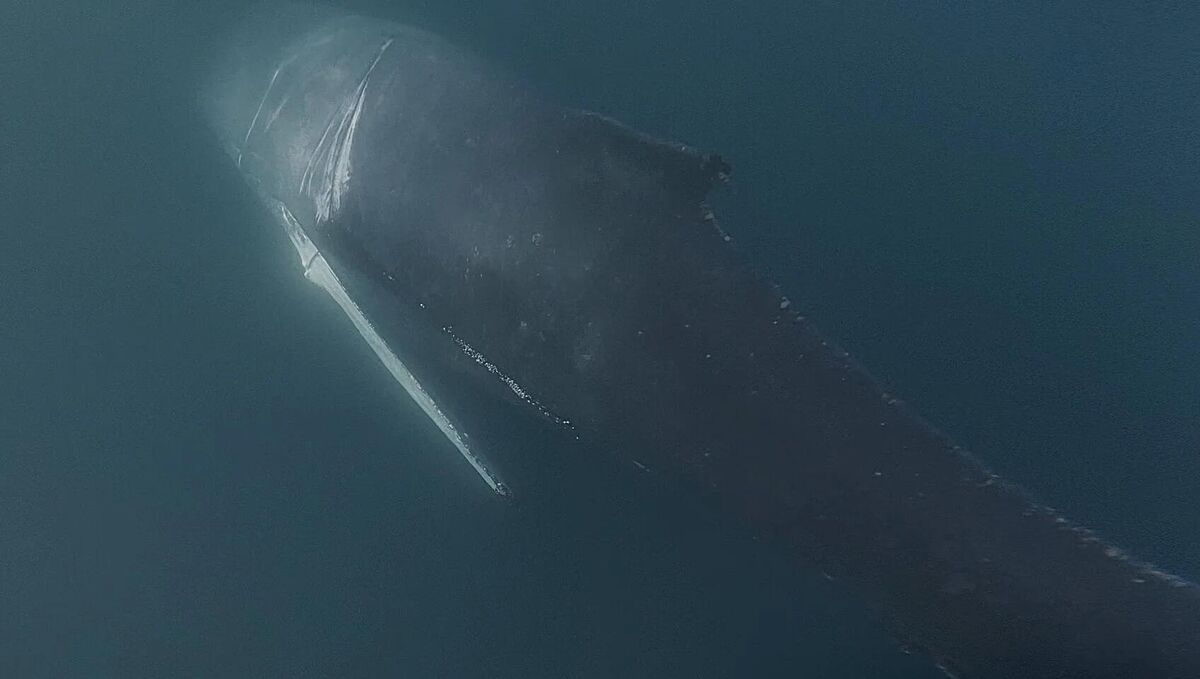
Assessing the whale’s condition beneath the surface
© Nikolai Romankov
“Staff immediately began monitoring the whale’s condition. It was important to understand his physical characteristics, assess the geometry of the entanglement, and determine the type of gear – their approach to untangling depended on this,” noted Maria Knyazeva.
Afterward, the university received a call from Anton Yurmanov on Kildin Island. He described the situation and said, “We can save the whale.”
“There was no doubt in his words – it was a statement of fact! I told them to get started,” recalled Maria Knyazeva.
Preparing for the rescue
The university then began working to obtain permission from the Rosprirodnadzor nature supervision service to conduct the rescue operation. Additional visual inspections were carried out, the entanglement geometry was clarified, and continuous monitoring of the mammal’s movement and behavior was organized. Officers from the FSB Border Directorate for the Western Arctic region quickly established a safety zone for the operation, restricting access to unauthorized vessels.
“In less than 24 hours, we assembled the entire rescue team and called in two specialists from Sakhalin who have the necessary equipment and expertise – they are practically the only ones in Russia with experience untangling marine mammals, including large ones,” emphasized Maria Knyazeva.
She added that in 2024, Sakhalin rescuers Vyacheslav Kozlov and Pavel Tkachenko from the Boomerang Club (a volunteer marine animal rescue group called Friends of the Ocean) helped rescue a humpback whale named Stanislav. Some of the MAU staff had been trained by them, but this year the entanglement was more severe, requiring specialists from the Far East to be called in again.
“The rope severely restricted his flippers, meaning he couldn’t eat or move properly. The gear also caused significant damage to his soft tissue,” she explained.
26 minutes to freedom
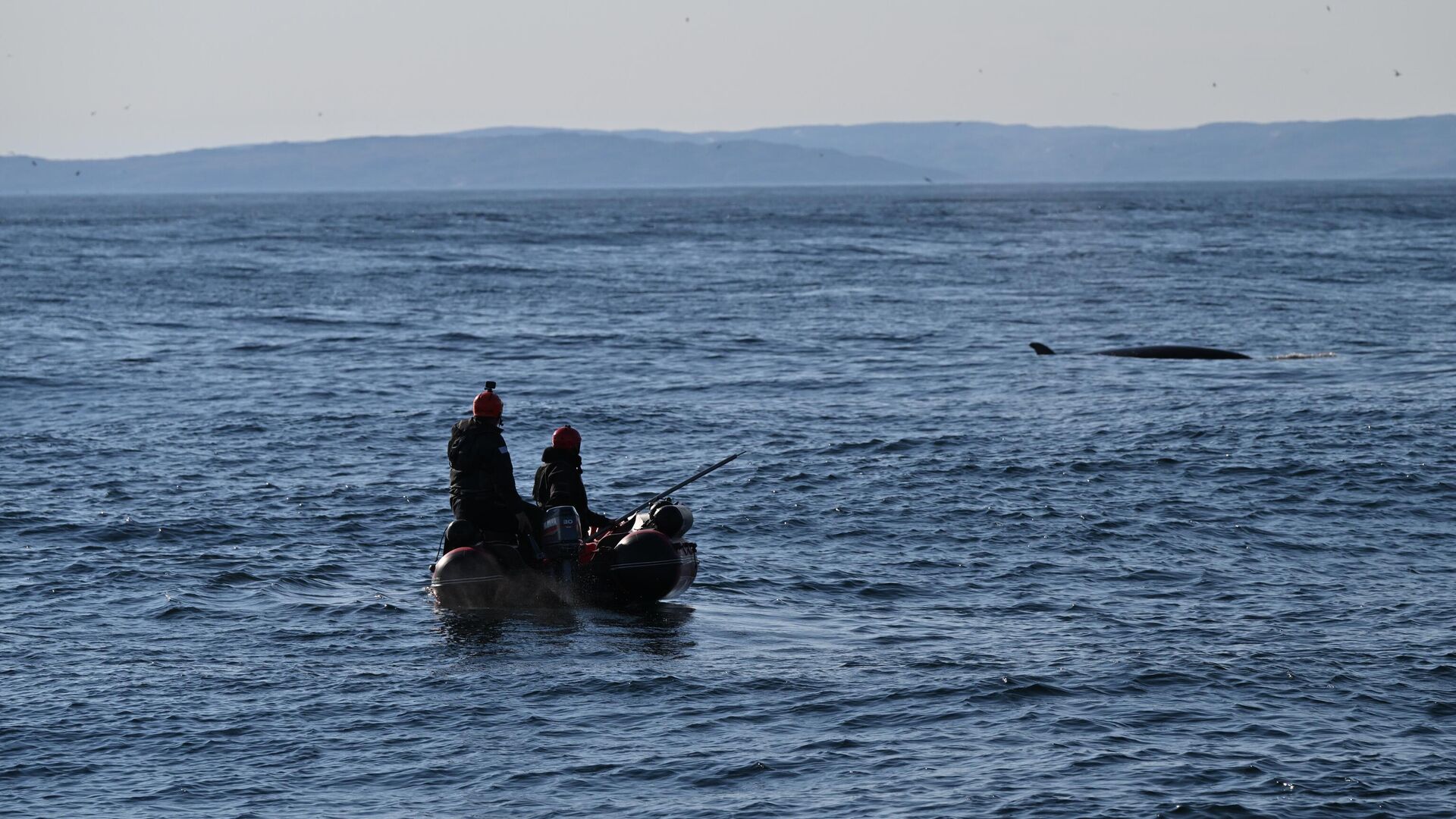
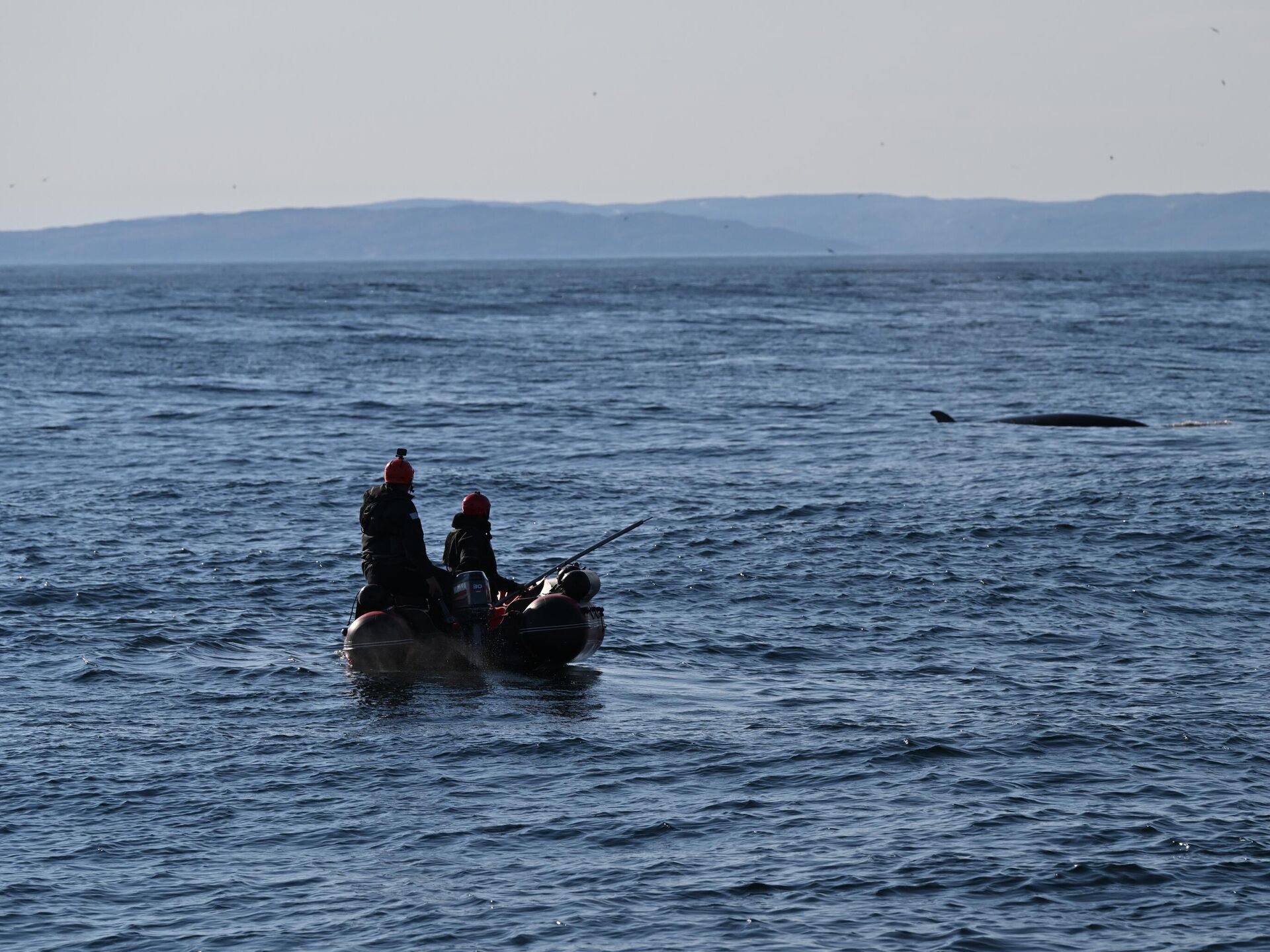
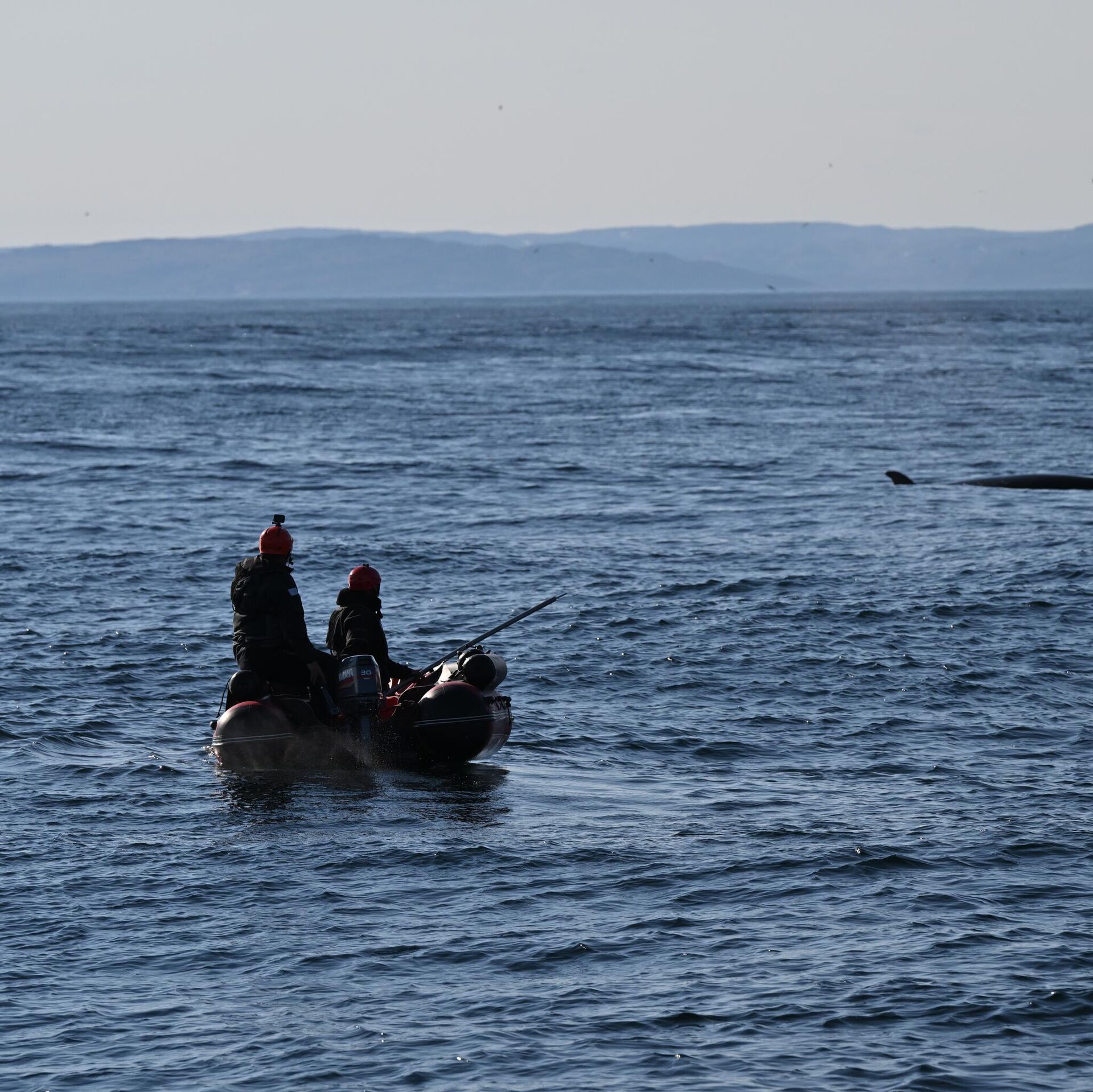
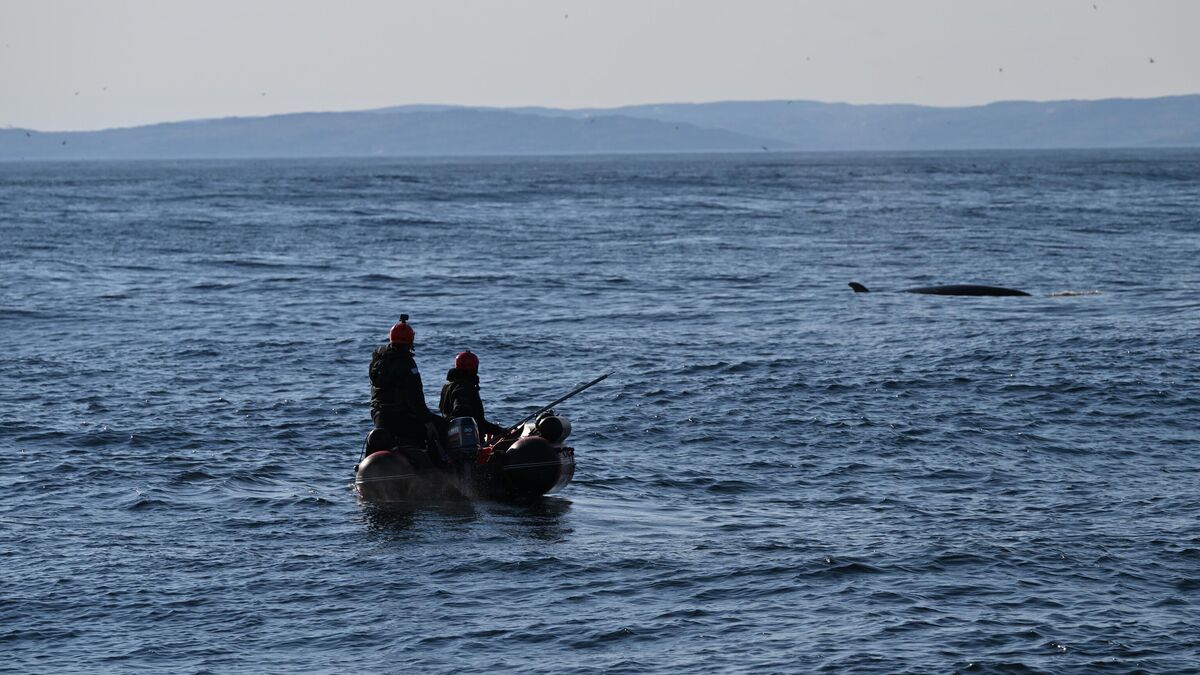
The operation began early in the morning of June 13 in the Barents Sea. The vessel Akuna-Matata, with the rescue team on board, set course for Kildin Island.
“It was an amazing moment! The forecast predicted bad weather, and we knew we had a very narrow window of opportunity. But just as the boat approached the animal, the wind died down and the waves subsided,” said Maria Knyazeva.
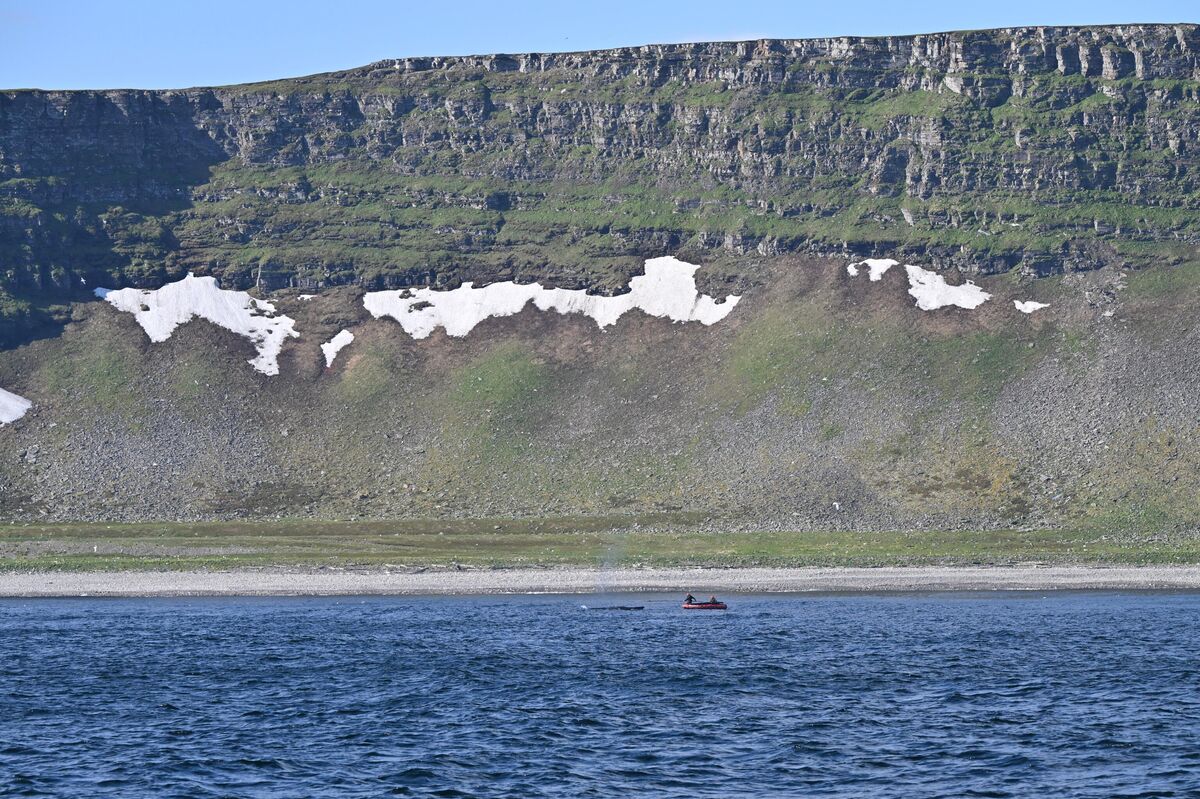
Petya the whale near Kildin Island
© Anton Yurmanov
She added that the whale itself miraculously calmed down: he surfaced and exposed his back, where the rope had been.
“And at that moment, the specialist, without losing his composure, cut it with a single touch. The entire operation took just 26 minutes! Immediately after being freed, the whale began to move actively and headed toward its feeding grounds – he was already starving,” she shared.
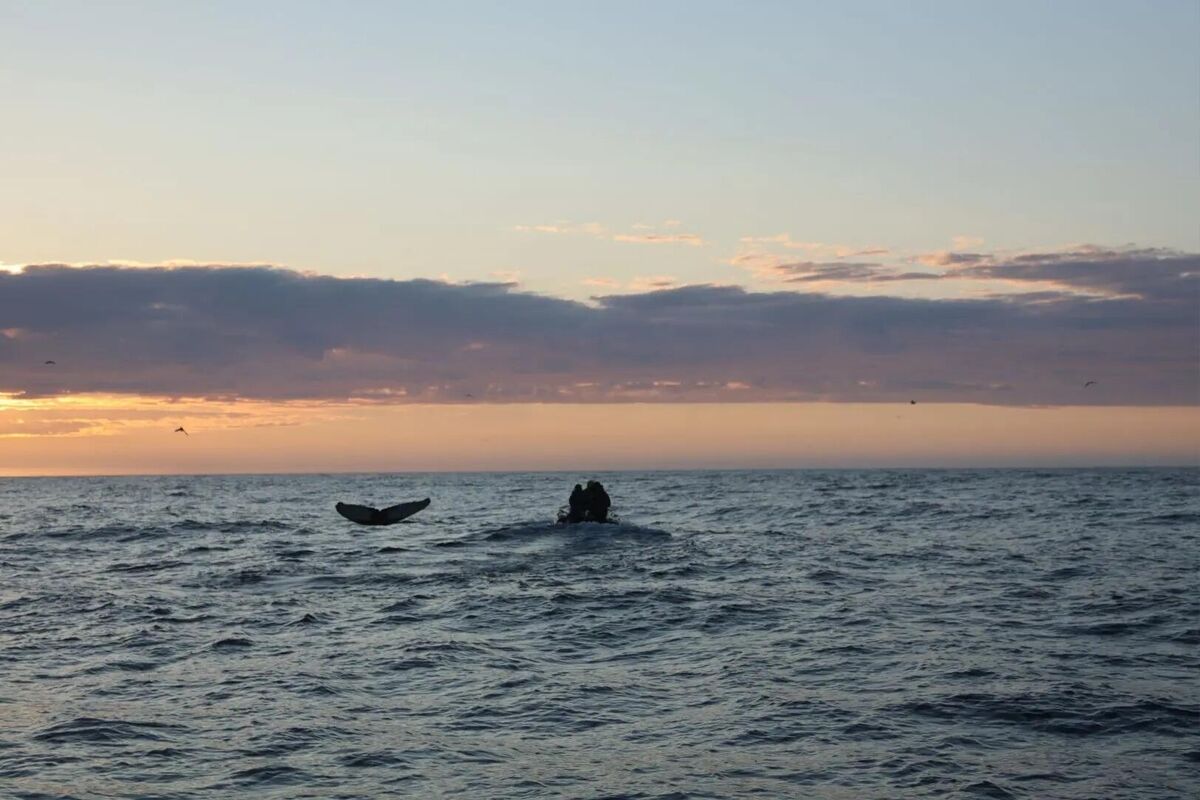
The moment Petya was freed
© Anton Yurmanov
MAU staff are currently monitoring his condition as part of the ongoing scientific expedition. Maria Knyazeva noted that the success of the operation depended largely on the coordinated work of all those involved. “I believe we were able to act with such clarity only because we had a clear division of labor. Everyone was responsible for their own function. I handled logistics, someone else handled media communications, someone else coordinated with border guards, boats, fuel, and so on,” she said.
A new marine animal assistance system
Following the successful rescue of the entangled humpback whale Petr (or Petya) – as he was named – a decision was made to establish a Center for the Study of Marine Mammal and Bird Conservation at Murmansk Arctic University (MAU). It will be built on interregional and interdepartmental cooperation.
“We will develop not just piecemeal approaches to assisting entangled cetaceans, but a comprehensive system for providing such assistance – one that includes interregional and interdepartmental coordination for a prompt and effective response,” Vice Rector Anton Yurmanov summarized the results of the rescue operation.