https://en.arctic.ru
To School by Helicopter: How Education Is Provided to Children from Indigenous Communities
To School by Helicopter: How Education Is Provided to Children from Indigenous Communities
Arctic.ru: Discover how Russia implements its development goals in the Arctic and the Far East
2026-06-19T11:00
2026-06-19T11:00
2026-07-28T12:21
social affairs
strategy implementation
/img/07ea/01/0f/1069636_0:115:3233:1934_1920x0_80_0_0_5b7124259a11668cbce43d07566aa03a.jpg
For most schoolchildren, it takes minutes to get to school. But for children from Russia’s North, especially for representatives of indigenous peoples, getting to school can be far more challenging: their families often live in remote areas or lead a nomadic way of life.Russia is implementing many projects aimed at providing quality education to children from indigenous communities. These projects include nomadic schools that travel to the children, or boarding schools where pupils fly in by helicopter.A report by the Development of the Arctic and the Far East website looks at what indigenous children are taught and what measures help make education accessible even in the most remote parts of the North.Russia employs both federal-level and regional-level measures to ensure quality education at schools regardless of place of residence. These measures are particularly relevant for children from indigenous communities of the North.In 2023, the State Duma approved amendments to the federal law On Education in the Russian Federation. The bulk of the changes concerned education of children from indigenous communities.For example, the law stipulates the need to create conditions for preschool and primary education for children from indigenous communities of the North, Siberia, and the Far East in their traditional places of residence.Importantly, these conditions in Russia are regulated not just by federal legislation but by regional support measures as well. The key aspects here include accessibility of educational institutions, linguistic specificities, and the integration of traditional cultural elements into the education process.What If There’s No School Nearby?Finding a school can be difficult for families living in remote areas. Therefore, nomadic schools are established in the North for children from indigenous communities. These schools use permanent or mobile facilities (such as modular structures). Unlike ordinary schools, nomadic schools also teach subjects related to traditional livelihoods, such as reindeer herding, fishing, and others.The nomadic school project has been particularly successful in the Republic of Sakha (Yakutia). It was supported by the UN and UNESCO in 2005.There is an alternative to nomadic schools, namely, boarding schools for children from remote northern areas (for example, in the Yamalo-Nenets Autonomous Area). The school year there lasts several months, and the curriculum includes, in addition to standard subjects, lessons in native language, regional studies, and training in sought-after professions.How to Make Native Language Learning FunIn schools, children from indigenous communities can study not only Russian. In accordance with federal law On Education in the Russian Federation, they may also receive instruction in their native languages from among the languages of the peoples of Russia. In addition, they can study the state language of their republic. To encourage children from indigenous communities to study their native languages, various educational and cultural events are set up for them to benefit from.In some regions, mobile apps are used to learn native languages. One such app, Saamikiill for learning the Saami language, was created in 2021 in the Murmansk Region.“The goal of the project was to create conditions for preserving, promoting and increasing the use of the Saami language through a mobile app. The interface is user-friendly and can be used by anyone from five-year-olds to adult learners with different levels of language proficiency,” project developer Polina Kharybina said.Support on the Way to Mastering a ProfessionIn addition to native language, it is important to study native culture as well which is why educational programs for children from indigenous communities include lessons on history and traditions of their peoples, as well as practical training in traditional areas of residence (for example, at reindeer herding farms). All acquired knowledge can come in handy in the future if young people choose to pursue traditional professions.For instance, the Northern National College in the village of Lovozero, Murmansk Region, provides vocational training for indigenous students in professions such as reindeer herder-mechanic, agricultural machinery operator, rural homestead manager, and craftsman. The college also trains specialists for the tourism sector.If a person is fluent in indigenous languages, customs and traditions, and has solid practical skills, they may train to become a nomadic teacher.The state provides support measures for young specialists and students alike. It includes financial assistance for settling in, scholarships, food allowances, travel compensation, and more.The education system for children from indigenous communities combines modern approaches with a focus on preserving the traditional culture of indigenous peoples, while state support helps make education accessible even in the most remote regions.
2026
Новости
ru-RU
https://en.arctic.ru/docs/about/copyright.html
https://xn--c1acbl2abdlkab1og.xn--p1ai/
/img/07ea/01/0f/1069636_252:0:2983:2048_1920x0_80_0_0_905ab89e9f3bcb628df932fb9bc73124.jpgsocial affairs , strategy implementation
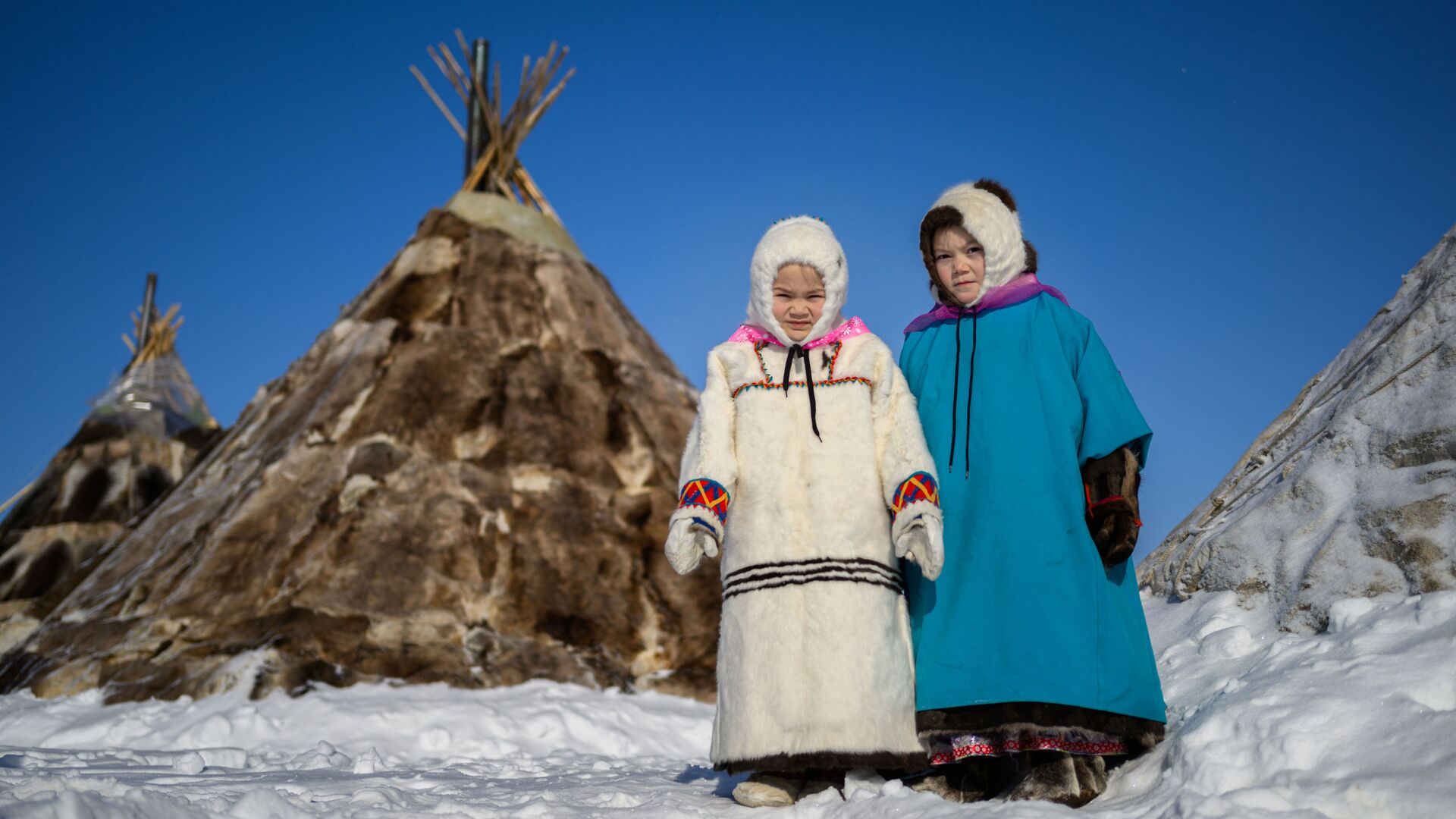
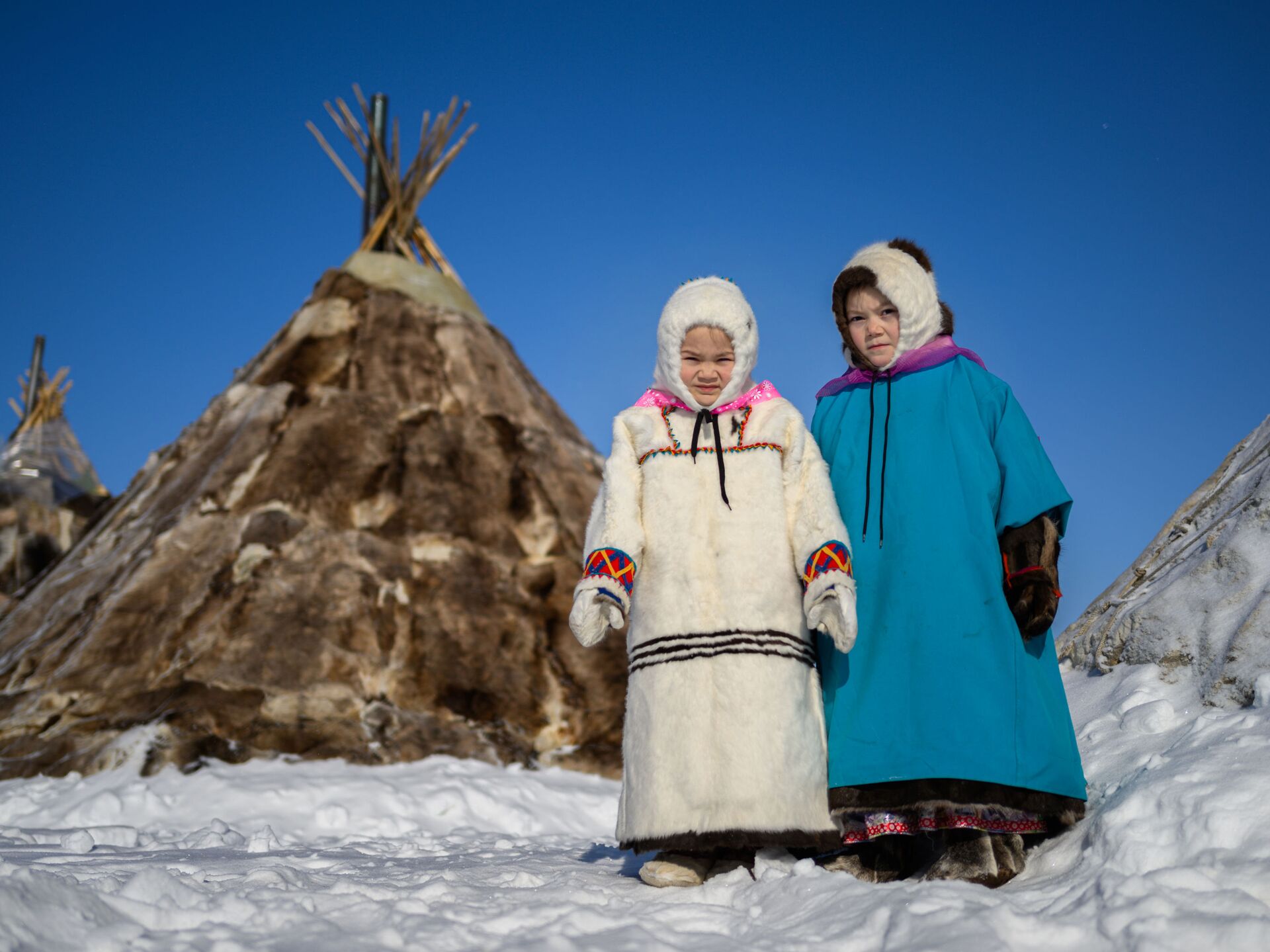
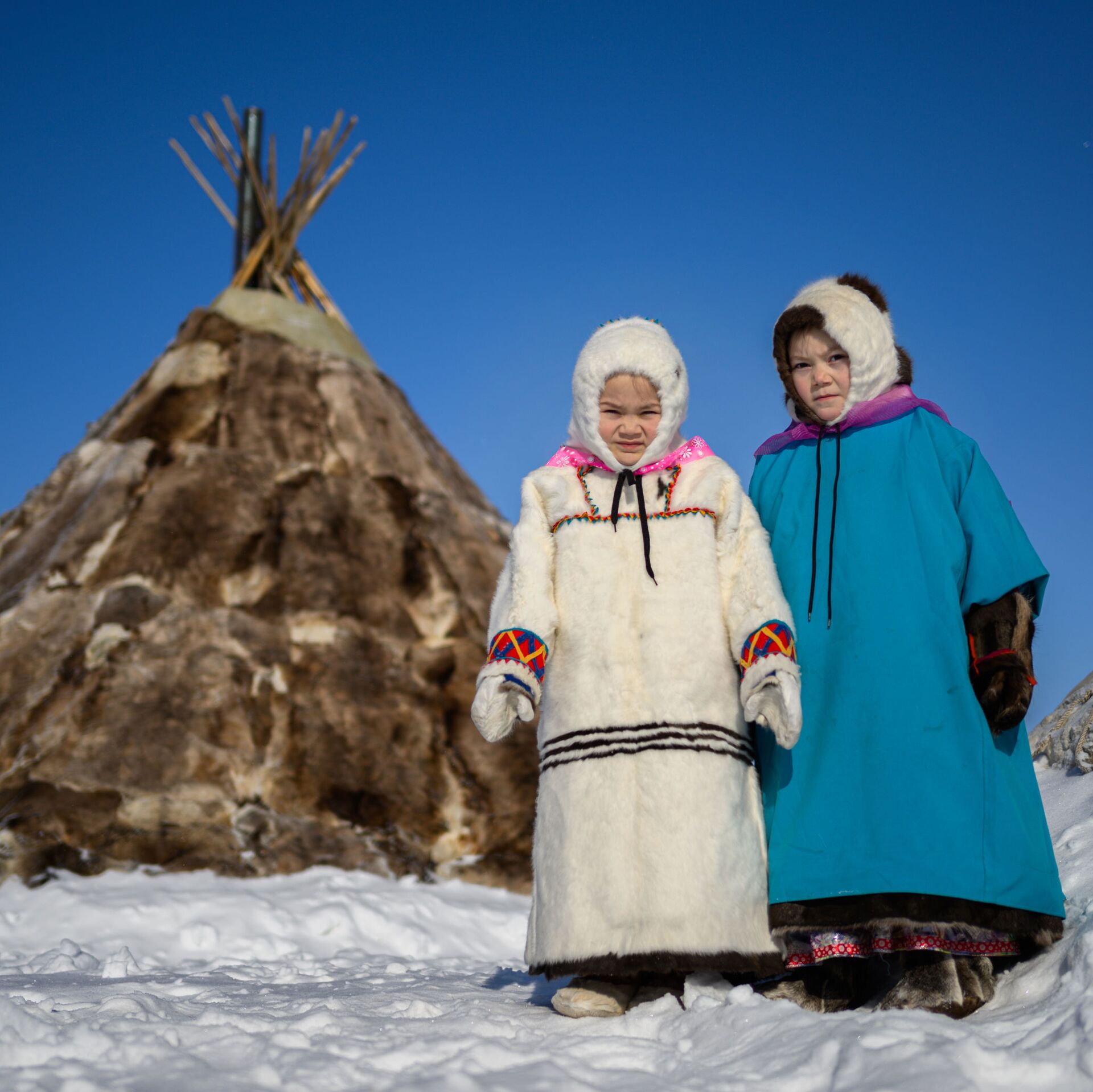
For most schoolchildren, it takes minutes to get to school. But for children from Russia’s North, especially for representatives of indigenous peoples, getting to school can be far more challenging: their families often live in remote areas or lead a nomadic way of life.
Russia is implementing many projects aimed at providing quality education to children from indigenous communities. These projects include nomadic schools that travel to the children, or boarding schools where pupils fly in by helicopter.
A report by the Development of the Arctic and the Far East website looks at what indigenous children are taught and what measures help make education accessible even in the most remote parts of the North.
Russia employs both federal-level and regional-level measures to ensure quality education at schools regardless of place of residence. These measures are particularly relevant for children from indigenous communities of the North.
In 2023, the State Duma approved amendments to the federal law On Education in the Russian Federation. The bulk of the changes concerned education of children from indigenous communities.
For example, the law stipulates the need to create conditions for preschool and primary education for children from indigenous communities of the North, Siberia, and the Far East in their traditional places of residence.
Importantly, these conditions in Russia are regulated not just by federal legislation but by regional support measures as well. The key aspects here include accessibility of educational institutions, linguistic specificities, and the integration of traditional cultural elements into the education process.
What If There’s No School Nearby?
Finding a school can be difficult for families living in remote areas. Therefore, nomadic schools are established in the North for children from indigenous communities. These schools use permanent or mobile facilities (such as modular structures). Unlike ordinary schools, nomadic schools also teach subjects related to traditional livelihoods, such as reindeer herding, fishing, and others.
The nomadic school project has been particularly successful in the Republic of Sakha (Yakutia). It was supported by the UN and UNESCO in 2005.
There is an alternative to nomadic schools, namely, boarding schools for children from remote northern areas (for example, in the Yamalo-Nenets Autonomous Area). The school year there lasts several months, and the curriculum includes, in addition to standard subjects, lessons in native language, regional studies, and training in sought-after professions.
“The educational process is organized just like in a regular general school, except that in September pupils are brought from nomadic camps to the village by helicopter, and in May, after the school year ends, the helicopter takes them back. Transport expenses are covered by the Department of Education of the Yamal-Nenets Autonomous Area,” educator Irina Pyryseva from a boarding school group in the village of Aksarka said.
How to Make Native Language Learning Fun
In schools, children from indigenous communities can study not only Russian. In accordance with federal law On Education in the Russian Federation, they may also receive instruction in their native languages from among the languages of the peoples of Russia. In addition, they can study the state language of their republic. To encourage children from indigenous communities to study their native languages, various educational and cultural events are set up for them to benefit from.
“Together with the Yamal to Descendants! Association, every two years we hold a competition in an essay competition in indigenous languages titled “Hero of Our Time” among children and youth. We see strong interest and a lively response,” Irina Pyryseva said.
In some regions, mobile apps are used to learn native languages. One such app, Saamikiill for learning the Saami language, was created in 2021 in the Murmansk Region.
“The goal of the project was to create conditions for preserving, promoting and increasing the use of the Saami language through a mobile app. The interface is user-friendly and can be used by anyone from five-year-olds to adult learners with different levels of language proficiency,” project developer Polina Kharybina said.
Support on the Way to Mastering a Profession
In addition to native language, it is important to study native culture as well which is why educational programs for children from indigenous communities include lessons on history and traditions of their peoples, as well as practical training in traditional areas of residence (for example, at reindeer herding farms). All acquired knowledge can come in handy in the future if young people choose to pursue traditional professions.
For instance, the Northern National College in the village of Lovozero, Murmansk Region, provides vocational training for indigenous students in professions such as reindeer herder-mechanic, agricultural machinery operator, rural homestead manager, and craftsman. The college also trains specialists for the tourism sector.
If a person is fluent in indigenous languages, customs and traditions, and has solid practical skills, they may train to become a nomadic teacher.
The state provides support measures for young specialists and students alike. It includes financial assistance for settling in, scholarships, food allowances, travel compensation, and more.
“I learned about the support measures almost immediately upon entering university, and after my first year I became a recipient of an additional scholarship. There were certain criteria for receiving this support, including the student’s income level and academic performance,” graduate of Surgut State University Lyubov Merova said.
The education system for children from indigenous communities combines modern approaches with a focus on preserving the traditional culture of indigenous peoples, while state support helps make education accessible even in the most remote regions.