11:58 16.06.2026
Number of large families in the Russian Far East up nearly 24 percent in two years
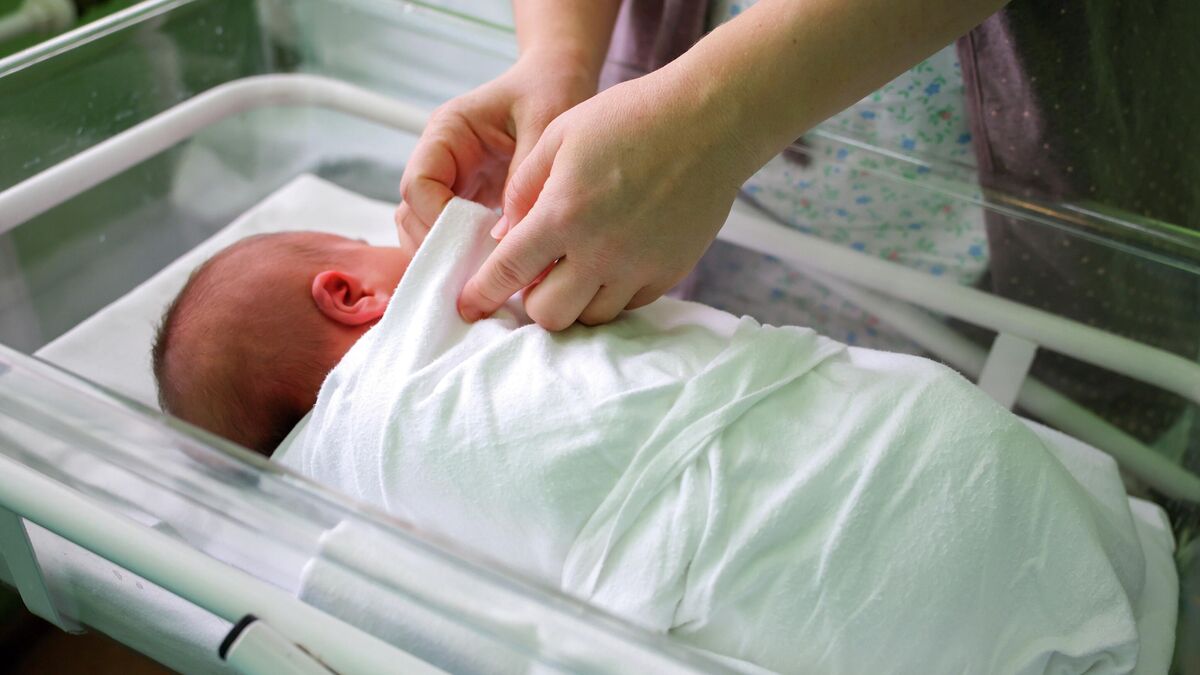
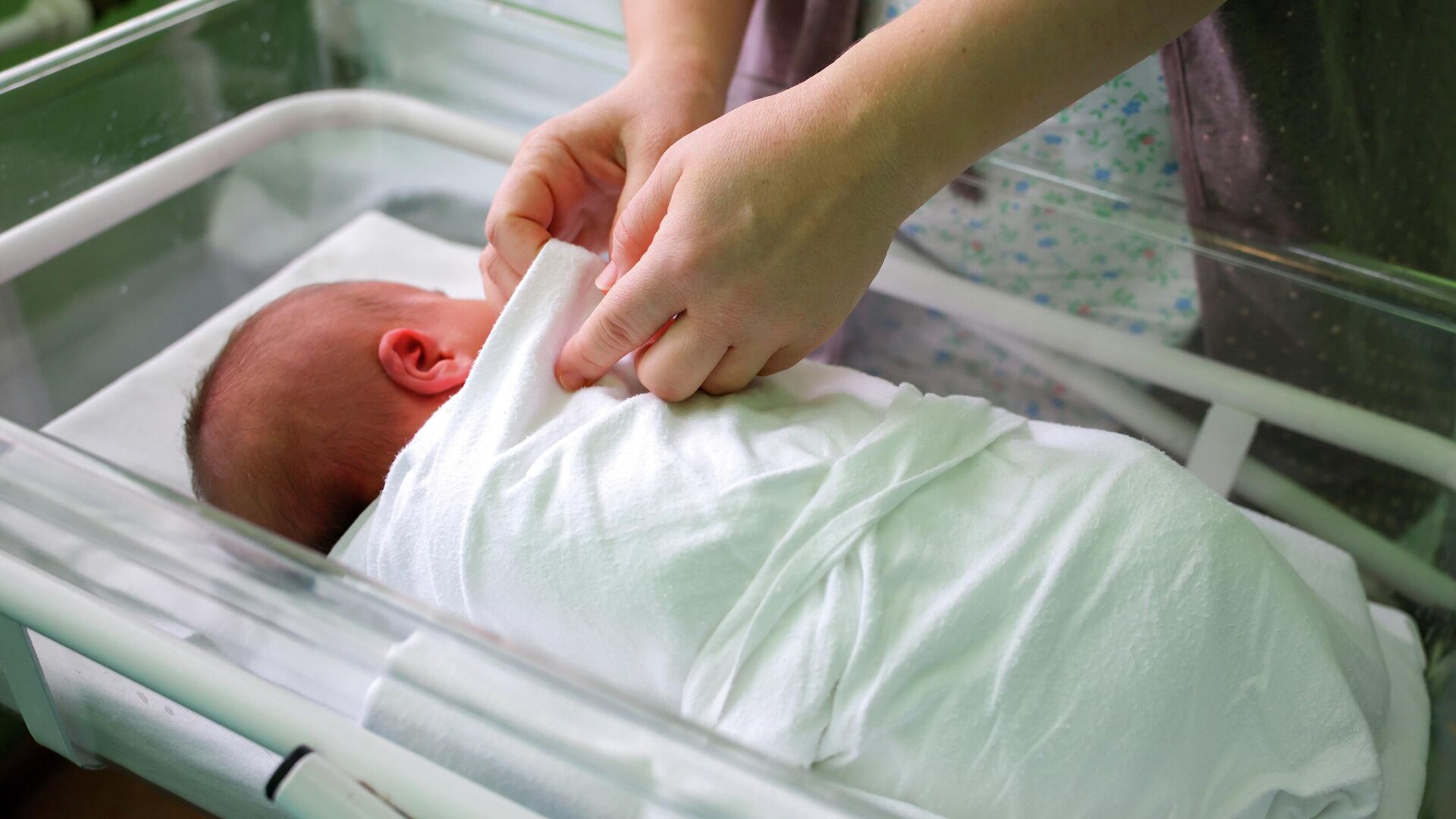
© RIA Novosti / Kirill Braga
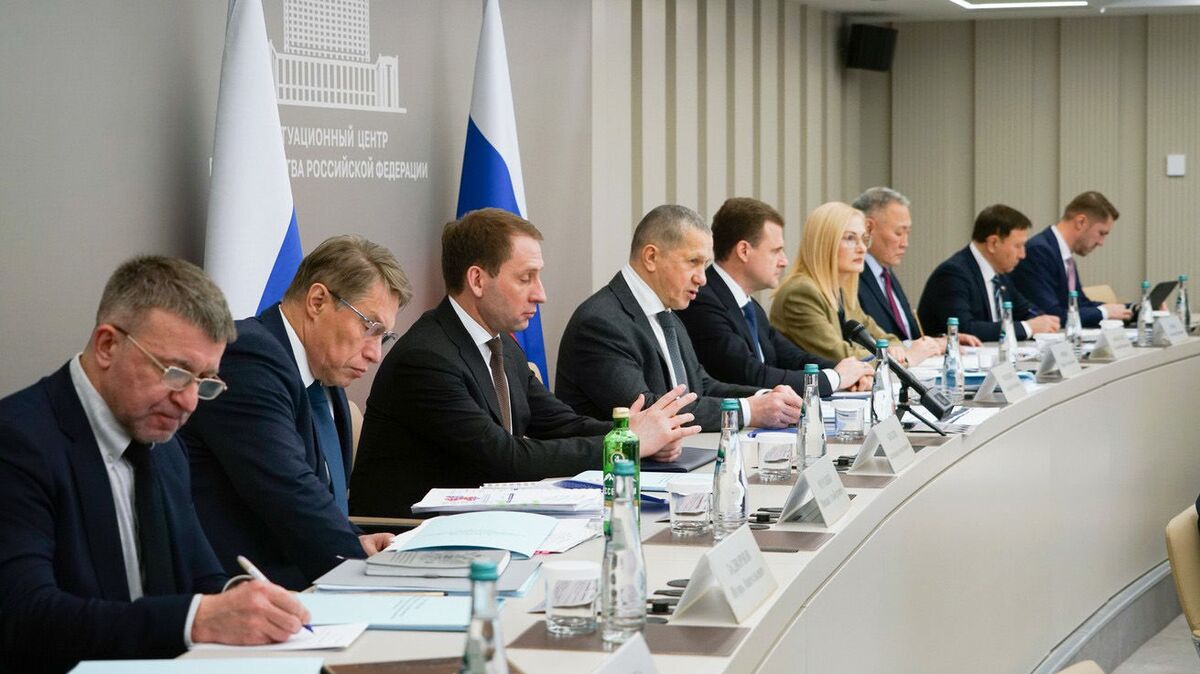
The total birth rate in Russia’s Far Eastern Federal District stood at 1.43 in 2025, compared with the national average of 1.36. The share of third and subsequent births in the region was also 23 percent higher than the nationwide figure, Minister for the Development of the Russian Far East and Arctic Alexei Chekunkov said in an address to participants of the 11th National Conference on Demographic Development of the Far East.
“Public trust in the state, which encourages people to start families, have children and relocate for education and work, is both a very subtle category and a critically important demographic resource. Our shared task is to preserve and strengthen this resource,” Alexei Chekunkov said.
According to the Russian Far East and Arctic Development Corporation, First Deputy Minister of Labor and Social Protection Olga Batalina noted that the number of large families in Russia has increased by more than 27 percent over the past two years, reaching three million. In the Far East, the figure has grown by nearly 24 percent, with more than 206,000 large families now living in the region.
“Young people aged 18-24 continue to demonstrate a strong family orientation: 74 percent of respondents identify building a happy family and raising children as their primary life goal, while 80 percent say they plan to have two or more children if favorable conditions are in place,” Olga Batalina said.
Conference participants also discussed implementation of the Far East Demographic Policy Strategy until 2030 and the 2036 planning period. Topics included improving support measures for families with children, protecting public health, enhancing quality of life, advancing education and attracting skilled workers.
Deputy Minister for the Development of the Russian Far East and Arctic Elvira Nurgaliyeva noted that the Far East remains the only federal district in Russia with a dedicated demographic development strategy. The central objective of state policy, she said, is to create favorable conditions for sustainable improvements in both quality of life and population growth.
“The Far East has developed a comprehensive system of family support measures covering every key stage of the family life cycle, from the birth of a child to housing assistance, quality education, and healthcare. More than one million residents of the Far Eastern Federal District have already benefited from the region’s demographic support package. As a result, the district continues to maintain birth rates above the national average, while third and subsequent children account for 35 percent of all births,” Elvira Nurgaliyeva said.
She added that the government’s task is not only to preserve the existing achievements but also to further improve quality of life through investment in social infrastructure, healthcare, education, modern urban development, and opportunities for personal and professional fulfillment across the Far East.