https://en.arctic.ru
Americans and Europeans to suffer from surge in demand for the Russian Arctic
Americans and Europeans to suffer from surge in demand for the Russian Arctic
Arctic.ru: Discover how Russia implements its development goals in the Arctic and the Far East
2026-06-15T16:00
2026-06-15T16:00
2026-06-16T12:46
expert opinion
northern sea route
/img/07ea/06/0f/1536884_0:0:1673:941_1920x0_80_0_0_c817ffea4000b089e87c7b1bb01fb893.jpg
Kirill Strelnikov for RIA NovostiIn an interview with RIA Novosti, Russian Minister for the Development of the Far East Alexei Chekunkov made a surprising statement that “an explosive growth is expected in the global demand for delivering goods via the Northern Sea Route.”This development will be brought about by Northern Sea Route infrastructure development as well as tensions around the Suez Canal.Yet, the minister believes that the most powerful impact will occur “as the development plans are fulfilled, including building nuclear icebreakers and other essential infrastructure facilities,” since for the time being, “navigation season along the Northern Sea Route is not sufficiently long.”It is not a secret that a certain share of Russian readers tends to reject anything related to decades-long construction projects, as if it was part of their immune response to a highly intoxicating allergy, believing that it would be more reasonable to spend the enormous funds involved on something critically important today rather than on something that will benefit the next generations.Therefore, it is important to add some important notes to the story with the Northern Sea Route that dramatically change the optics of Chekunkov’s statements because he was not talking about a time when none of us would be living but, in fact, about what will be happening literally tomorrow.As the collective West is trying to block all existing conventional sea routes, Russia is actively developing its alternative transport corridor. It is expected to become a year-round navigation route that, naturally, does not depend on anyone’s ill or good will.In today’s world trade routes tend to have multiple bottlenecks which, apparently, even notorious hegemons are unable to unclog. This has become an additional incentive for expediting the launch of the Northern Sea Route to its full capacity. For example, it appears that the Strait of Hormuz will become a private shop that may at any time hang the Lunch Break or Closed sign, and this could be forever. Yesterday Iranian Foreign Minister Abbas Araghchi said that the future of the Strait of Hormuz will never be like its past and from now on, services relating to the strait will no longer be free. The Houthis are making similar claims about the Bab-el-Mandeb strait that locks access to the Red Sea and the Suez Canal. In Asia, tensions are rising around bottlenecks like the Strait of Malacca. As a result, cautious shipping companies are redirecting ships to bypass Africa, which sharply increases fuel and insurance costs and draws out the voyage by 30%–40%.Speaking at the latest international transport and logistics forum in St. Petersburg, Vladimir Putin said that “increasingly, countries and companies are focusing not only on the speed and cost of transportation; the security and resilience of transport routes and supply chains that are less vulnerable to crises, military conflicts, and other external risks are becoming the decisive factor. Russia can offer such solutions to the world.”International traders’ hearts start beating faster, but then they see reports that navigation along the Northern Sea Route currently lasts four to six months – and they feel discouraged.But no worries. Fix your sails and prepare your oars. Everything will change quite soon.According to Rosatom Director General Alexei Likhachev, year-round navigation along the Northern Sea Route will become feasible starting 2030.Is Mr. Likhachev rushing things?It appears he is not. The US Department of Energy, which is certainly not known for sympathizing with Russia or the Northern Sea Route, presented an assessment based on scientific data and statistical climate models. Here are a few key takeaways from this study:Pragmatic Chinese and Korean scientists have also produced similar calculations: the former plan to increase freight operations via the Northern Sea Route to 20 million tons in 2030, while the latter are preparing for year-round navigation around the same period.Yet, we are not simply waiting for the grass to grow. To stretch the navigation season as much as possible today, Russia is building ten nuclear-powered icebreakers and 40 emergency vessels while also working on the deployment of a satellite group and expanding support infrastructure.To meet the prime era of the Russian Arctic fully equipped and maximize its colossal transit potential, the Russian leadership recently issued instructions to drastically boost the aggregate tonnage of the Russian trade fleet and become one of the top ten leading marine powers. Why settle for selling travel cards to foreigners when you can and should keep all the profits?These real prospects and preparations clearly frustrate our enemies, rivals, competitors and would-be partners.The report by Leonardo S.p.A. and the University of Oulu in Finland titled Geopolitics of Arctic Shipping – Focus on the Northern Sea Route states that, with all apparent advantages and benefits, the development of the Northern Sea Route “could offer geopolitical leverage to Russia.”In its publication titled Navigating the Future: The Geopolitical Implications of the Northern Sea Route, the Alexander Hamilton Society directly admits that the Northern Sea Route is a “strategically significant shipping lane” “positioned to dramatically reshape global trade and Arctic geopolitics” while the United States risks allowing “Russia [and China] to dominate Arctic policy.”What can be said? You wanted to make the Russian bear angry but you infuriated both the brown and the polar bear. Now, whether you want it or not, you will have to be fur seals and stay quiet.
https://en.arctic.ru/20260605/1519548.html
2026
Новости
ru-RU
https://en.arctic.ru/docs/about/copyright.html
https://xn--c1acbl2abdlkab1og.xn--p1ai/
/img/07ea/06/0f/1536884_88:0:1343:941_1920x0_80_0_0_79291f8e99537471ee082a88a825e886.jpgexpert opinion, northern sea route
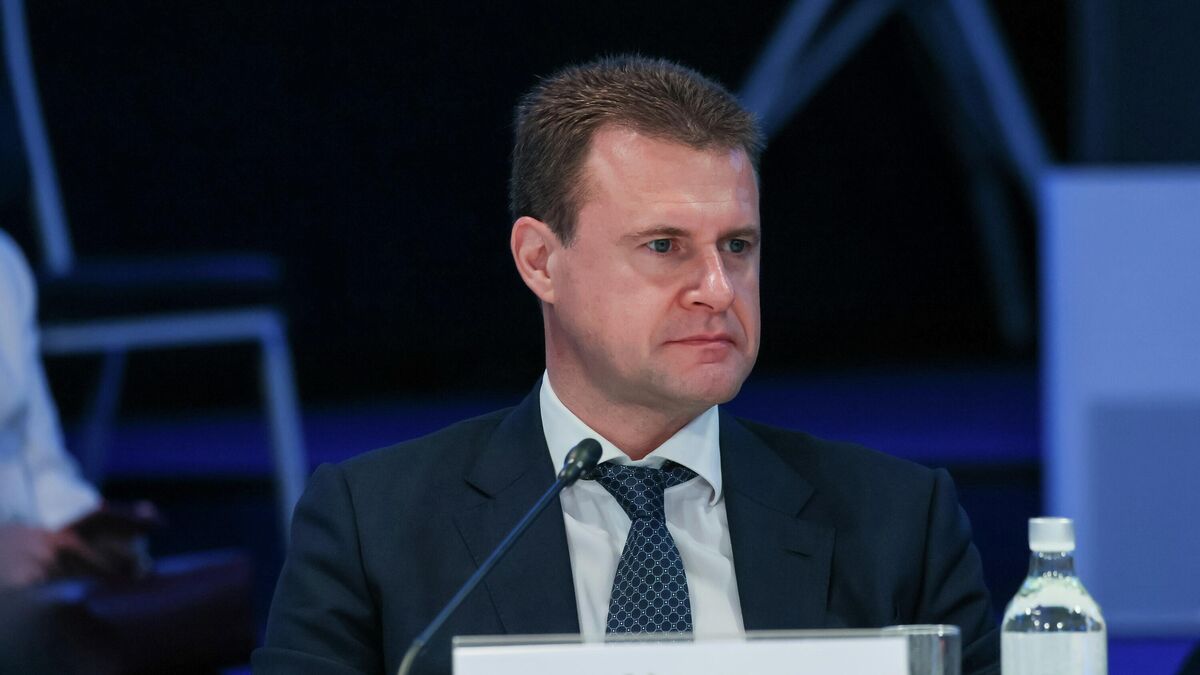
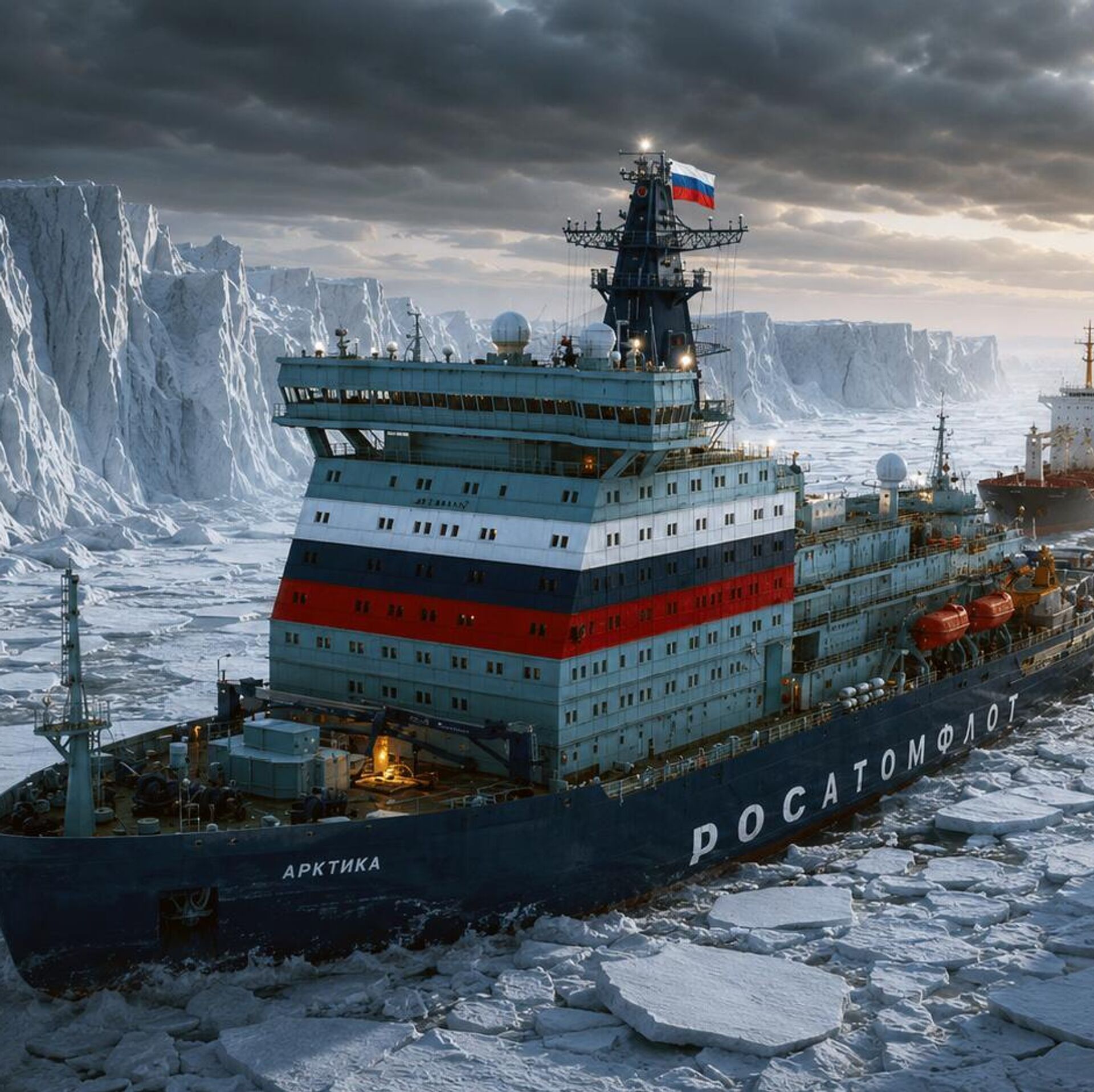
Kirill Strelnikov for RIA Novosti In an interview with RIA Novosti, Russian Minister for the Development of the Far East Alexei Chekunkov made a surprising statement that “an explosive growth is expected in the global demand for delivering goods via the Northern Sea Route.”
This development will be brought about by Northern Sea Route infrastructure development as well as tensions around the Suez Canal.
Yet, the minister believes that the most powerful impact will occur “as the development plans are fulfilled, including building nuclear icebreakers and other essential infrastructure facilities,” since for the time being, “navigation season along the Northern Sea Route is not sufficiently long.”
It is not a secret that a certain share of Russian readers tends to reject anything related to decades-long construction projects, as if it was part of their immune response to a highly intoxicating allergy, believing that it would be more reasonable to spend the enormous funds involved on something critically important today rather than on something that will benefit the next generations.
Therefore, it is important to add some important notes to the story with the Northern Sea Route that dramatically change the optics of Chekunkov’s statements because he was not talking about a time when none of us would be living but, in fact, about what will be happening literally tomorrow.
As the collective West is trying to block all existing conventional sea routes, Russia is actively developing its alternative transport corridor. It is expected to become a year-round navigation route that, naturally, does not depend on anyone’s ill or good will.
In today’s world trade routes tend to have multiple bottlenecks which, apparently, even notorious hegemons are unable to unclog. This has become an additional incentive for expediting the launch of the Northern Sea Route to its full capacity. For example, it appears that the Strait of Hormuz will become a private shop that may at any time hang the Lunch Break or Closed sign, and this could be forever. Yesterday Iranian Foreign Minister Abbas Araghchi said that the future of the Strait of Hormuz will never be like its past and from now on, services relating to the strait will no longer be free. The Houthis are making similar claims about the Bab-el-Mandeb strait that locks access to the Red Sea and the Suez Canal. In Asia, tensions are rising around bottlenecks like the Strait of Malacca. As a result, cautious shipping companies are redirecting ships to bypass Africa, which sharply increases fuel and insurance costs and draws out the voyage by 30%–40%.
Speaking at the latest international transport and logistics forum in St. Petersburg, Vladimir Putin said that “increasingly, countries and companies are focusing not only on the speed and cost of transportation; the security and resilience of transport routes and supply chains that are less vulnerable to crises, military conflicts, and other external risks are becoming the decisive factor. Russia can offer such solutions to the world.”
International traders’ hearts start beating faster, but then they see reports that navigation along the Northern Sea Route currently lasts four to six months – and they feel discouraged.
But no worries. Fix your sails and prepare your oars. Everything will change quite soon.
According to Rosatom Director General Alexei Likhachev, year-round navigation along the Northern Sea Route will become feasible starting 2030.
Is Mr. Likhachev rushing things?
It appears he is not. The US Department of Energy, which is certainly not known for sympathizing with Russia or the Northern Sea Route, presented an assessment based on scientific data and statistical climate models. Here are a few key takeaways from this study:
—
Surface temperatures in the Arctic in the second half of the 20th century rose twice as fast as the global average;—
Perennial sea ice will disappear by 2050 in any case;—
If carbon dioxide and methane emissions are maintained at current levels (and they will be maintained or even increase), this scenario could materialize before 2030.
Pragmatic Chinese and Korean scientists have also produced similar calculations: the former plan to increase freight operations via the Northern Sea Route to 20 million tons in 2030, while the latter are preparing for year-round navigation around the same period.
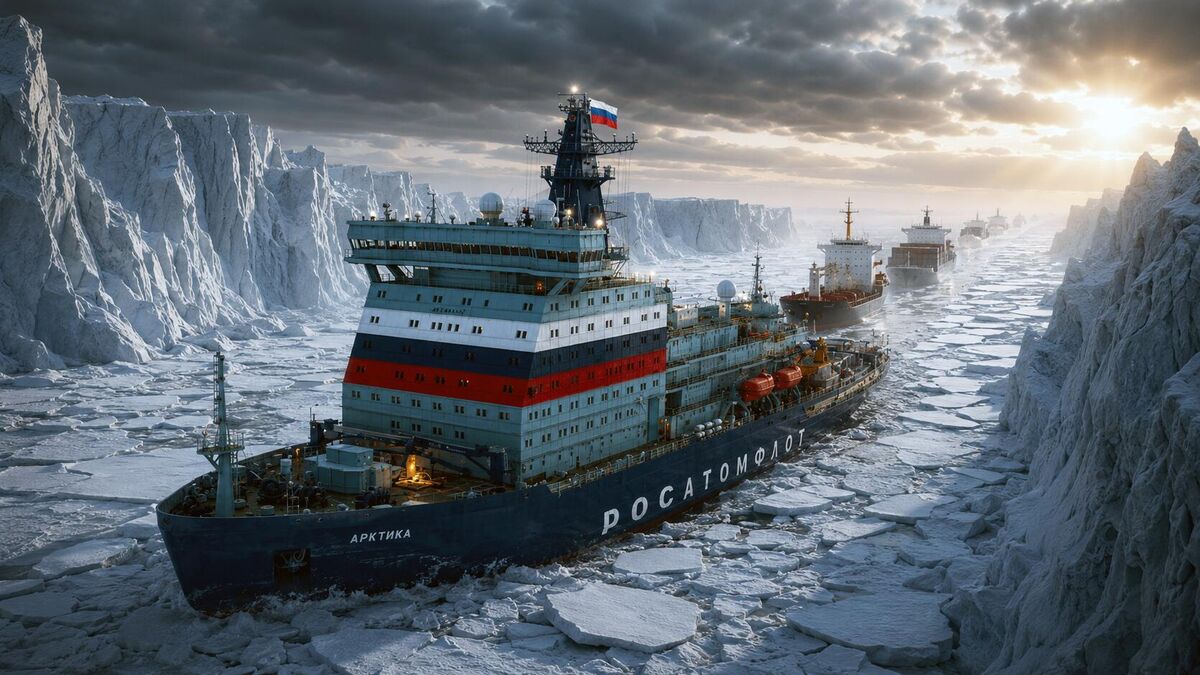
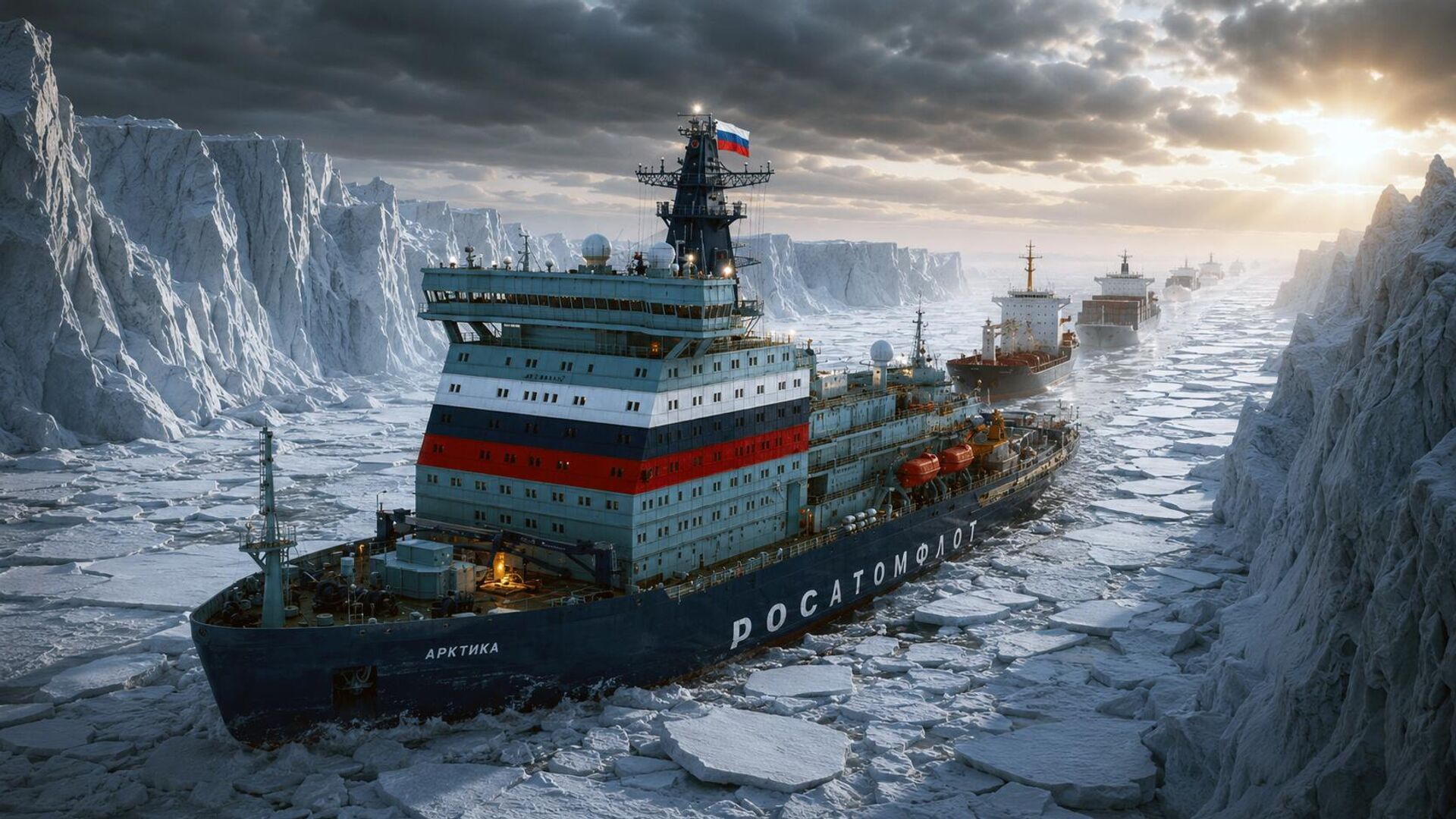
Yet, we are not simply waiting for the grass to grow. To stretch the navigation season as much as possible today, Russia is building ten nuclear-powered icebreakers and 40 emergency vessels while also working on the deployment of a satellite group and expanding support infrastructure.
To meet the prime era of the Russian Arctic fully equipped and maximize its colossal transit potential, the Russian leadership recently issued instructions to drastically boost the aggregate tonnage of the Russian trade fleet and become one of the top ten leading marine powers. Why settle for selling travel cards to foreigners when you can and should keep all the profits?
These real prospects and preparations clearly frustrate our enemies, rivals, competitors and would-be partners.
The report by Leonardo S.p.A. and the University of Oulu in Finland titled Geopolitics of Arctic Shipping – Focus on the Northern Sea Route states that, with all apparent advantages and benefits, the development of the Northern Sea Route “could offer geopolitical leverage to Russia.”
In its publication titled Navigating the Future: The Geopolitical Implications of the Northern Sea Route, the Alexander Hamilton Society directly admits that the Northern Sea Route is a “strategically significant shipping lane” “positioned to dramatically reshape global trade and Arctic geopolitics” while the United States risks allowing “Russia [and China] to dominate Arctic policy.”
What can be said? You wanted to make the Russian bear angry but you infuriated both the brown and the polar bear. Now, whether you want it or not, you will have to be fur seals and stay quiet.