15:26 26.05.2026
Expert: Alternative sources are a promising area for energy development in the Arctic
© Russian Arctic and Far East Development
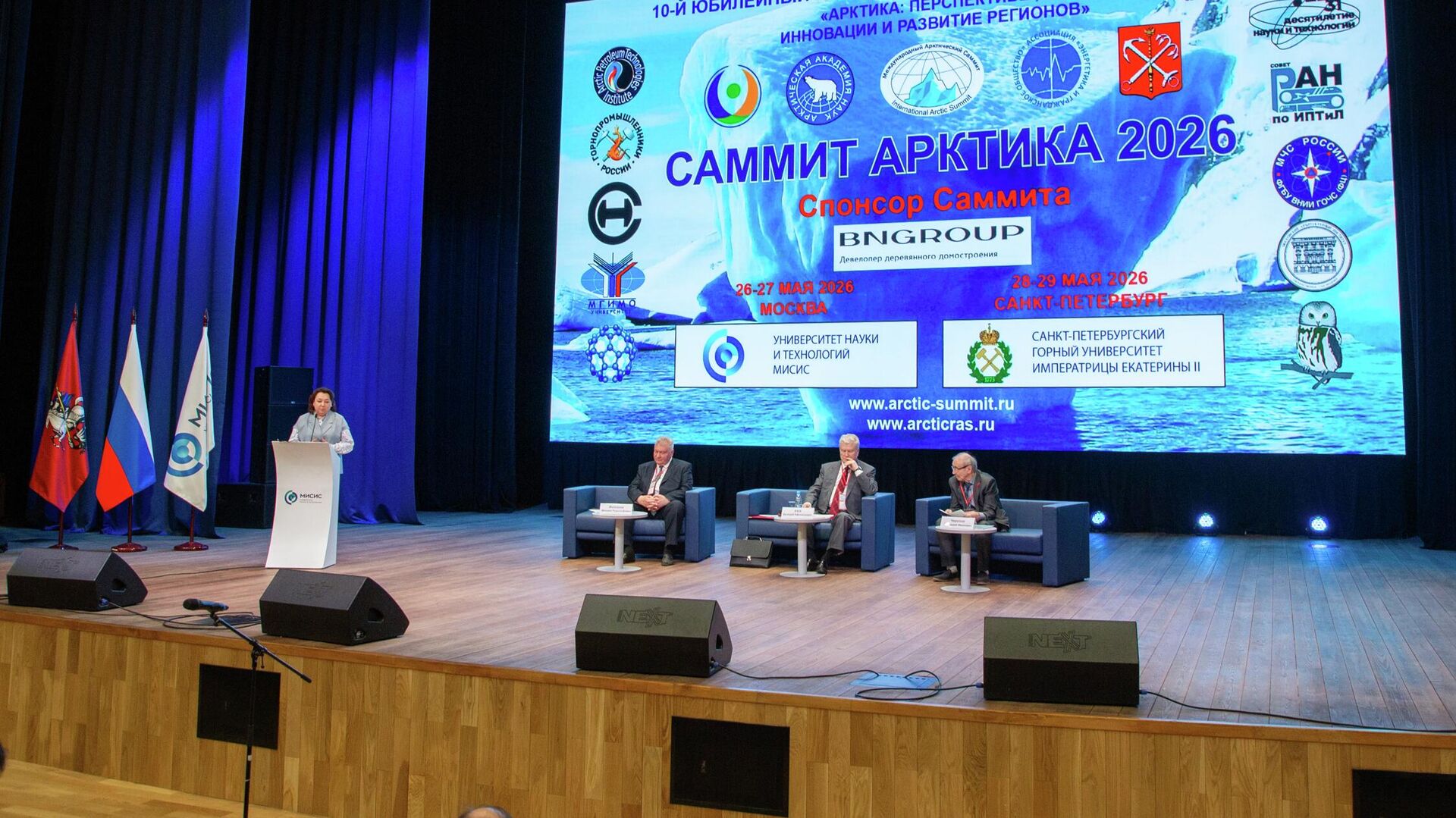
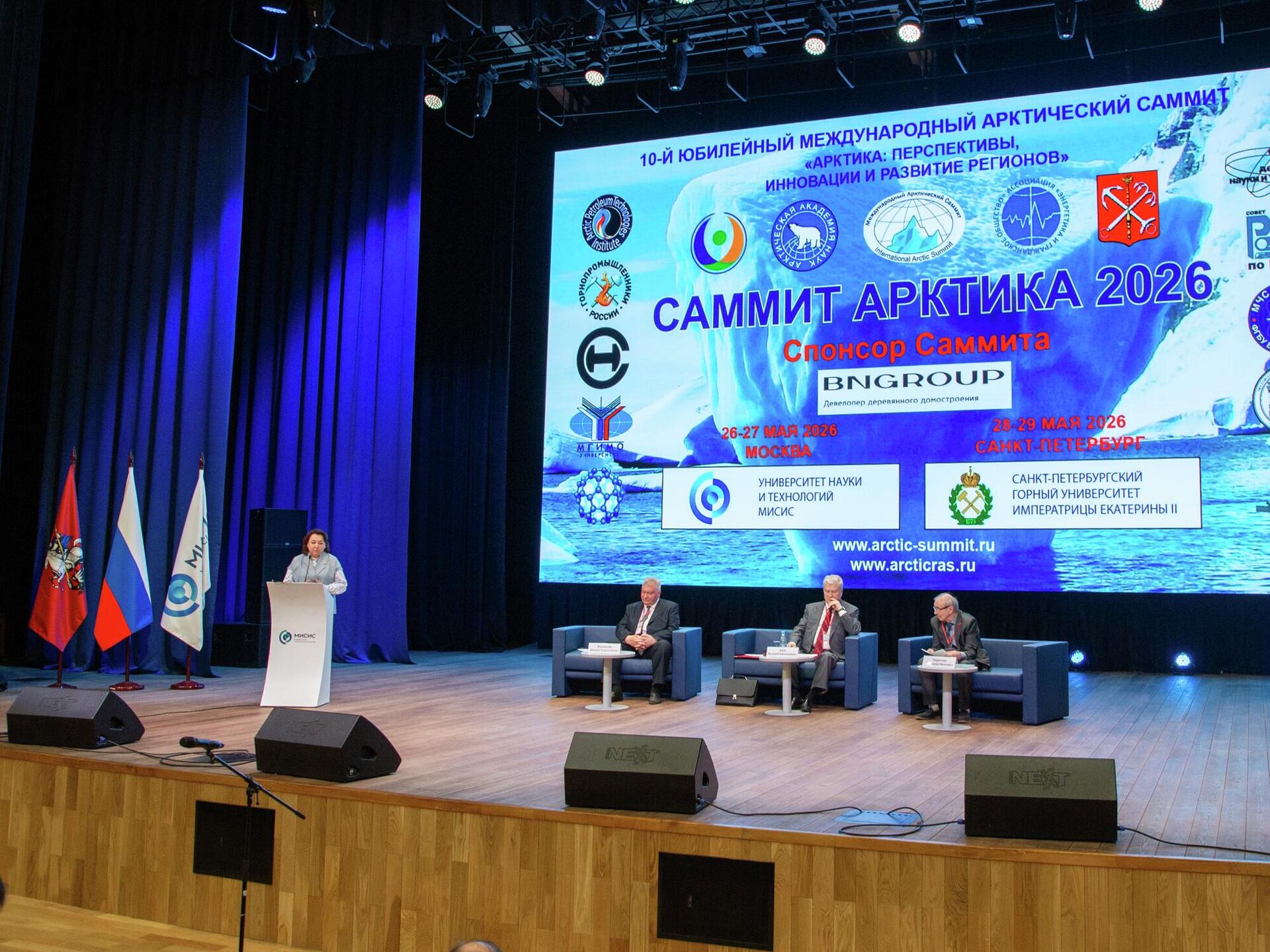
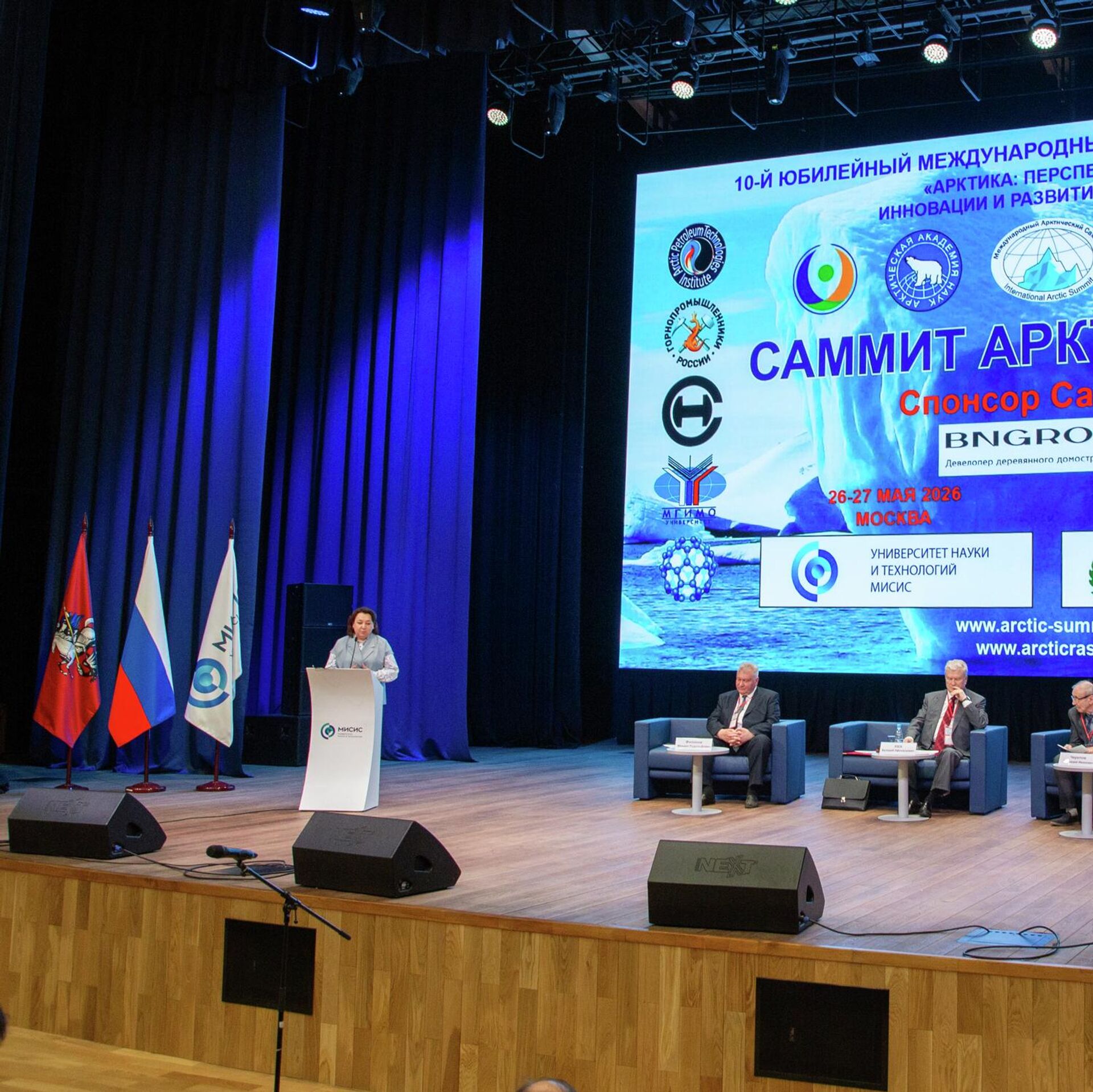
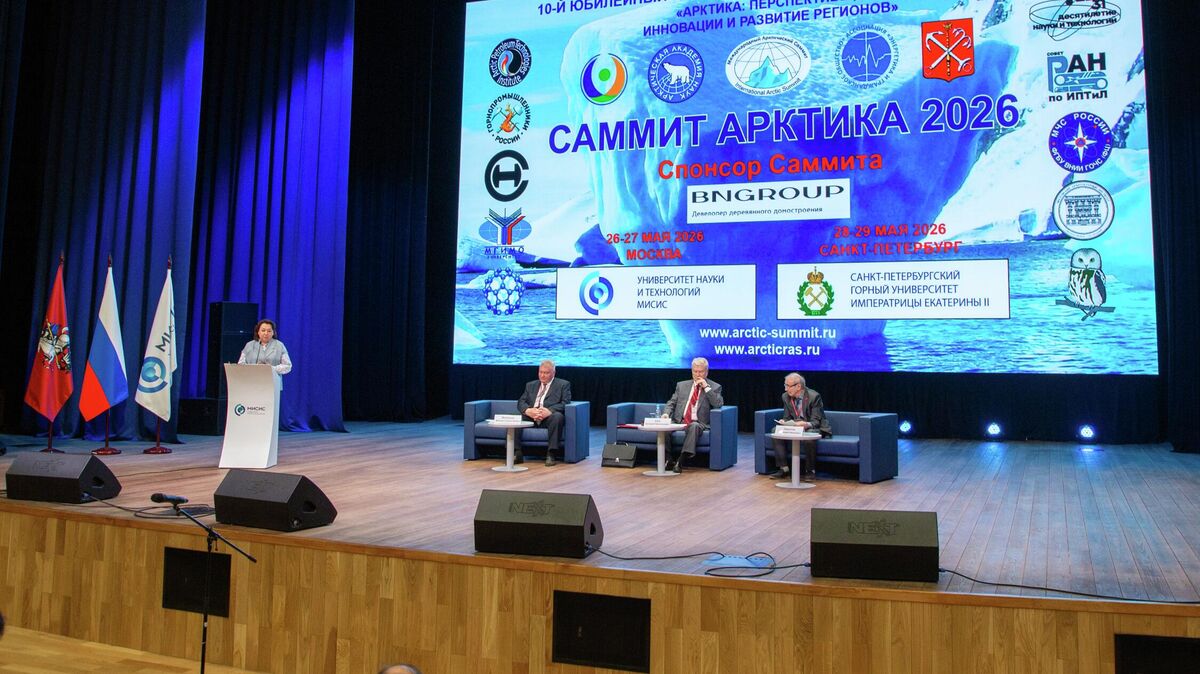
The National University of Science and Technology MISIS is hosting the 10th International Arctic Summit – The Arctic: Prospects, Innovations and Regional Development.
“This year, we have already held eight forums dedicated to Arctic issues. This year’s summit, which is expected to bring together a large number of speakers in Moscow and St. Petersburg over the course of four days, will provide an opportunity to unite all organizations,” said Tatyana Avgusmanova, Head of the Directorate for Sustainable Development at the World Peoples’ Assembly and Director of Development at the Institute of Peoples of Eurasia.
Participants in the plenary session, Sustainable Development of Russia’s Arctic Region: Priority Tasks and the Implementation of Government Programs and National Projects, discussed the prospects for the development of the Arctic regions, particularly in the energy sector.
According to Prof. Yury Ampilov, Merited Scientist and Doctor of Physical and Mathematical Sciences, only the Prirazlomnoye Oil Field has so far been developed efficiently in the Arctic, while other Arctic territories remain essentially untapped.
The professor emphasized that the whole world is now seeking to move away from oil and gas, searching for alternative energy sources that will be able to compete with hydrocarbons in the future. According to Yury Ampilov, the development of renewable energy has been one of the reasons for the significant decline in hydrocarbon prices.
He mentioned wind power stations, which can be easily installed in remote and hard-to-access areas to provide them with energy, as a promising avenue for Arctic energy development.
“The surplus can be converted into liquid hydrogen and stored as reserve capacity. <…> A hydrogen fuel cell is an efficient electricity generator. If wind energy runs out, we will have hydrogen in reserve,” the professor shared.
This idea was supported by Prof. Yury Plakitkin, Head of the Center for Analysis and Innovation in Energy, Doctor of Economics, and Member of the Russian Academy of Natural Sciences.
He also pointed out that eventually priority should be given to renewable energy sources as they are more technology-oriented.
“We should keep in mind that, despite our reliance on traditional energy resources, which should continue to be produced as long as there is demand, we may encounter certain challenges after 2050,” Yury Plakitkin emphasized.