15:18 26.05.2026
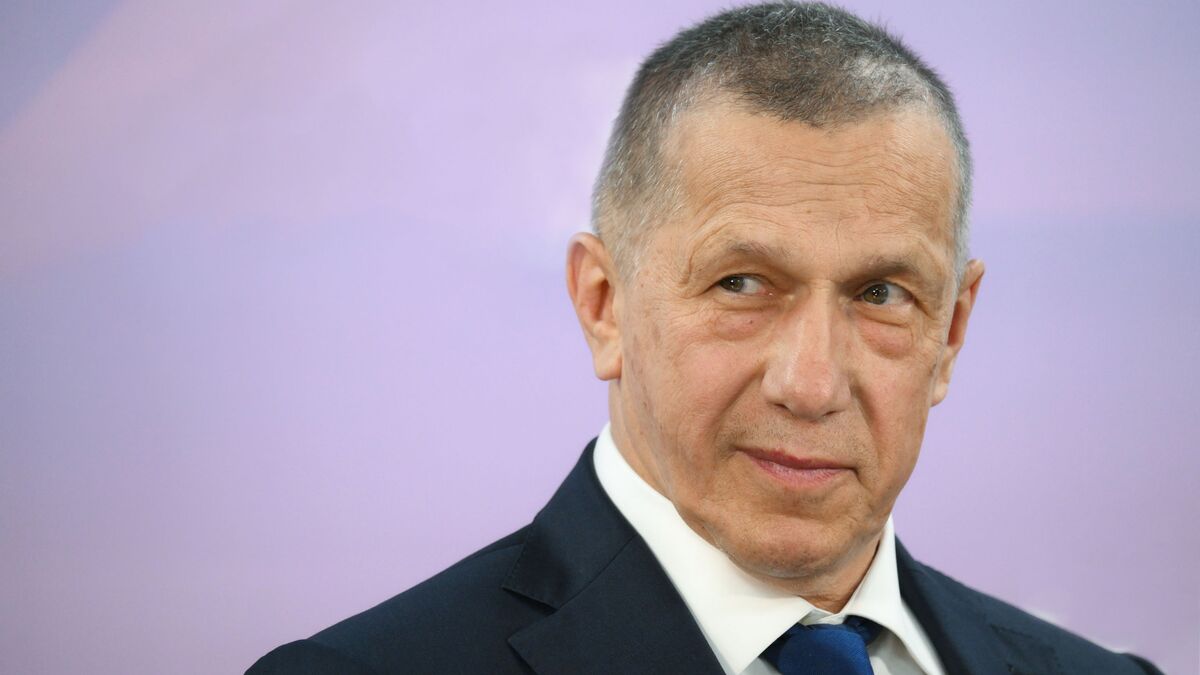
Yury Trutnev outlines Far Eastern Federal District key projects and plans through 2030
© Official website of the Plenipotentiary Presidential Envoy to the Far Eastern Federal District
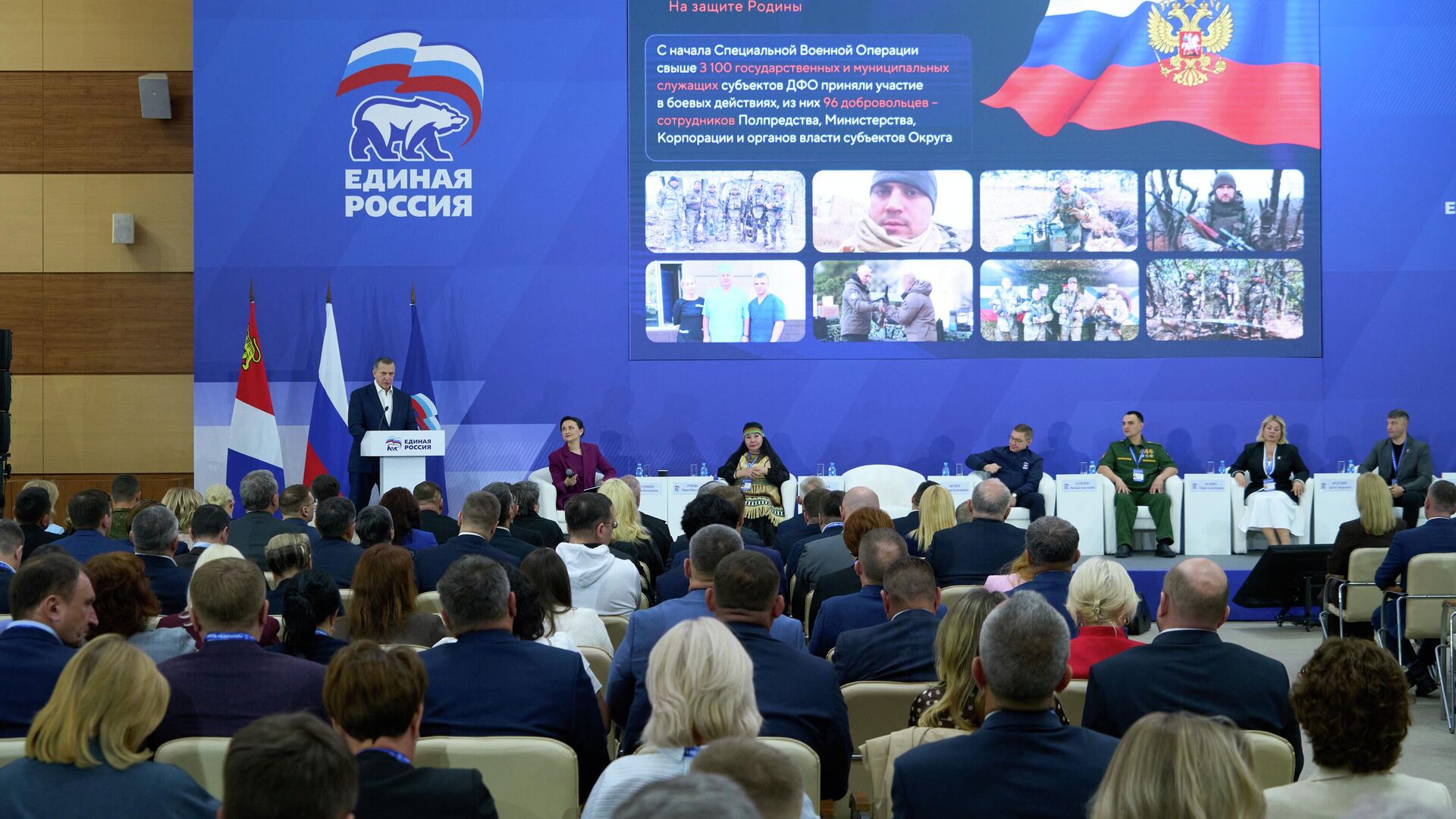
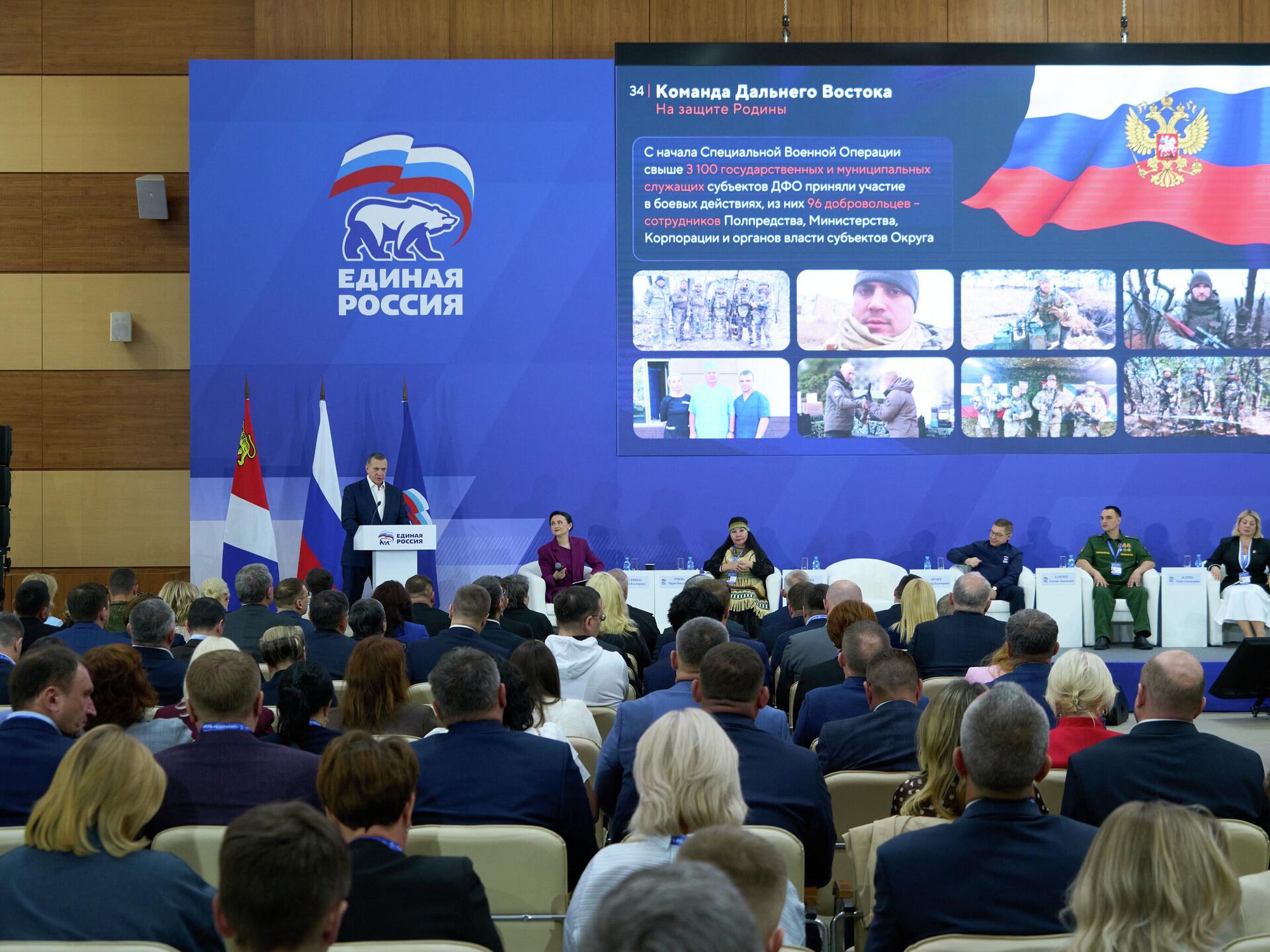
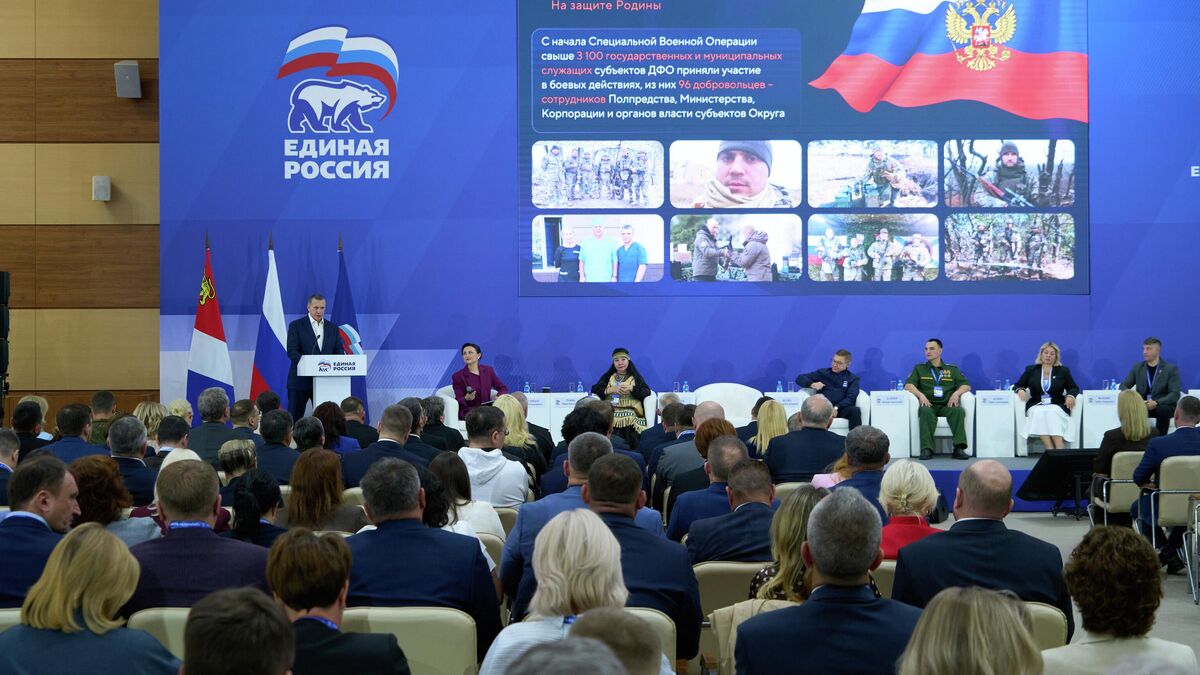
Ninety federal laws aimed at developing the Far East have been adopted, creating a foundation for attracting investment, Yury Trutnev, Deputy Prime Minister of the Russian Federation and Presidential Plenipotentiary Envoy to the Far Eastern Federal District, said addressing the There Are Results! United Russia party forum in Vladivostok.
Yury Trutnev emphasized that in 2013, Vladimir Putin designated the development of the Far East as a national priority for the entire 21st century. Following this decision, the Ministry for the Development of the Russian Far East and Arctic was established.
According to the press service of the Republic of Buryatia, Yury Trutnev noted that priority development areas have emerged on the country’s economic map, along with mechanisms such as the Far Eastern Hectare program, preferential mortgages, and subsidies for socially significant air routes.
As the Deputy Prime Minister explained, accelerated economic growth has contributed to increased regional budget revenues. Over the past decade, revenues in the Far Eastern Federal District have grown 2.3-fold. This increase has enabled the financing of major social initiatives as well as the implementation of regional development plans. A presidential decision was also made to create master plans for Far Eastern cities, all developed in consultation with local residents.
“The total cost of implementing the master plans amounts to 3.6 trillion rubles, covering more than 1,000 projects across 25 cities. Work will continue through 2030, and nearly 50 percent of the funding has already been secured,” Yury Trutnev said.
New parks, embankments, sports facilities, social infrastructure, and public spaces have opened in cities across the Far East. The master plans also include the construction of industrial facilities.
“The implementation of these master plans is not only improving living conditions but also transforming life in the Far Eastern regions. Wages are rising, the urban quality index is improving, and new jobs are being created,” Yury Trutnev added.
The Presidential Envoy also noted that housing costs in the Far East fell below the national average for the first time in 2024 and were 22 percent lower than the Russian average in 2025. The Far Eastern Hectare program has further contributed to improved living conditions, with more than 164,000 people receiving land plots during this period.
“People are building homes on their land, launching businesses, developing tourism and sports infrastructure, and engaging in agriculture,” the Deputy Prime Minister said.
Under a unified presidential subsidy, nearly 700 schools, hospitals, kindergartens, outpatient clinics, and first aid stations have been constructed or renovated. In addition, 130 ambulances have been purchased, and 4,000 doctors have been deployed to remote areas.
Efforts are also underway to modernize higher education institutions through the Priority 2030: Far East program. Work is underway to build world-class university campuses in Yuzhno-Sakhalinsk, Ulan-Ude, Chita, and Khabarovsk.
“Demand for higher education opportunities in the Far East among applicants from other regions has quadrupled in just one year,” Yury Trutnev noted.
Substantial efforts are also being made to improve social infrastructure, including the creation of creative clusters, as well as the opening of museums, theaters, and higher educational institutions specializing in the arts.
Meanwhile, transport accessibility has also improved. A program to subsidize flights on socially significant routes, developed at the president’s instruction, together with the establishment of Aurora Airlines, a Far Eastern air carrier, has strengthened regional connectivity. Direct flights have been introduced between regions that were previously accessible only via Moscow.
“In 2025, the Far Eastern airline Aurora transported 1.7 million passengers across nearly 400 routes, including 480,000 passengers on 33 socially significant routes,” Yury Trutnev said.