https://en.arctic.ru
“It’s absolutely worth it!” Registration continues for the Icebreaker of Knowledge International Expedition
“It’s absolutely worth it!” Registration continues for the Icebreaker of Knowledge International Expedition
Arctic.ru: Discover how Russia implements its development goals in the Arctic and the Far East
2026-05-22T09:46
2026-05-22T09:46
2026-05-25T14:30
news
rosatom state corporation
international cooperation
science and technology
/img/07ea/05/16/1498974_0:0:1920:1080_1920x0_80_0_0_218ab3980a19e8ca0bc1fffa62fd801d.png
Applications are still being accepted on the official website of Rosatom’s 7th International Arctic Expedition , Icebreaker of Knowledge, for participants ready to travel to the North Pole aboard the 50 Let Pobedy nuclear-powered icebreaker. The voyage to the top of the Arctic is scheduled for August 2026.To take part in the expedition, students aged 14 to 16 must submit an application by May 27 inclusive and successfully complete a series of intellectual and creative challenges.In the project’s seventh season, participants will compete in three thematic tracks. The first category, Explorer, is intended for future scientists, researchers and science journalists. The second category, Creator, is designed for aspiring engineers, designers, and inventors. The third category, Master, is being introduced for the first time in the project’s history and is aimed at students interested in skilled trades and technical professions.Young people from 23 countries are eligible to compete for a place on the North Pole expedition: Armenia, Bangladesh, Belarus, Bolivia, Brazil, China, Egypt, Hungary, India, Indonesia, Kazakhstan, Kyrgyzstan, Mongolia, Myanmar, Namibia, Rwanda, Serbia, South Africa, Tanzania, Türkiye, Uzbekistan, Vietnam, and, of course, Russia.Polina Brinza, a third-year student at National Research Nuclear University MEPhI and a participant in the 2022 Icebreaker of Knowledge expedition, spoke about why students should apply and what opportunities the project can offer.Polina also shared how she managed to win such a highly competitive selection process as a 16-year-old student from Rostov.Notably, even four years after the expedition, Polina remains actively involved in the nuclear sector. She now works as a science journalist and promotes the nuclear industry among young people.“Everything I’m doing now was inspired by Icebreaker of Knowledge. I’m currently studying nuclear physics and have come to understand how important science communication really is. The nuclear industry is both a relatively new area of physics and an extremely complex one. I really want to contribute to it in any way I can,” Polina Brinza said.
https://en.arctic.ru/20260429/1430667.html
2026
Новости
ru-RU
https://en.arctic.ru/docs/about/copyright.html
https://xn--c1acbl2abdlkab1og.xn--p1ai/
/img/07ea/05/16/1498974_375:0:1815:1080_1920x0_80_0_0_9d181836939e479c641f7b2a18edd4f4.pngnews, rosatom state corporation, international cooperation, science and technology
Applications are still being accepted on the
official website of
Rosatom’s 7th International Arctic Expedition ,
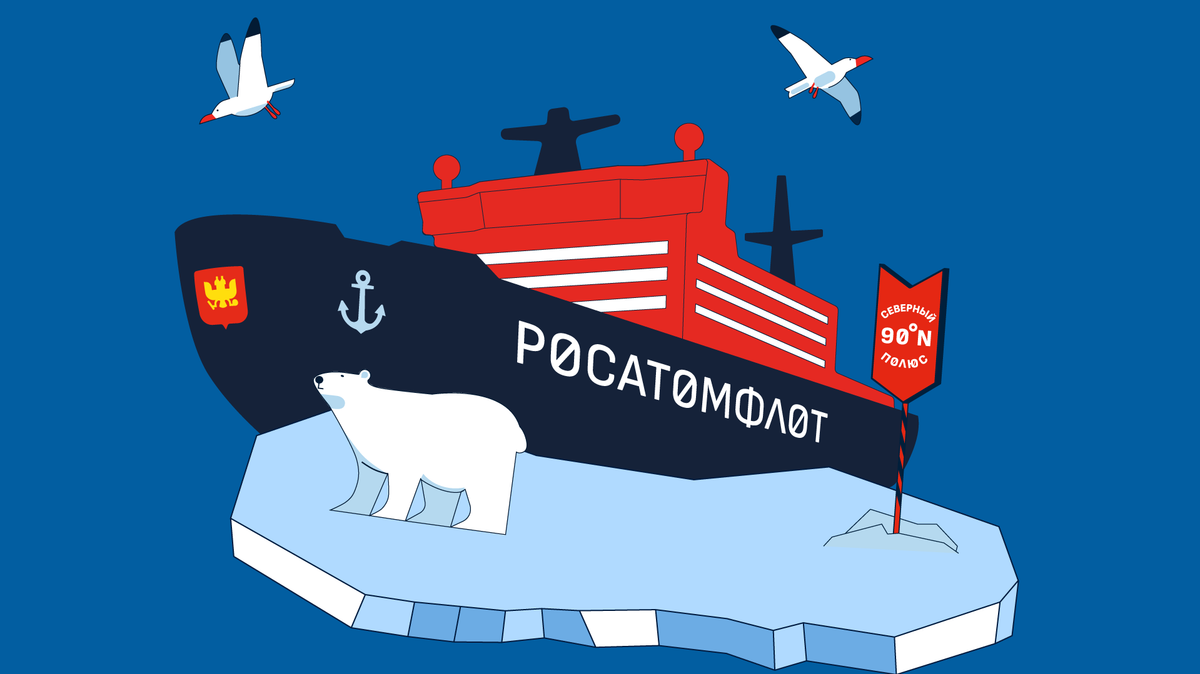
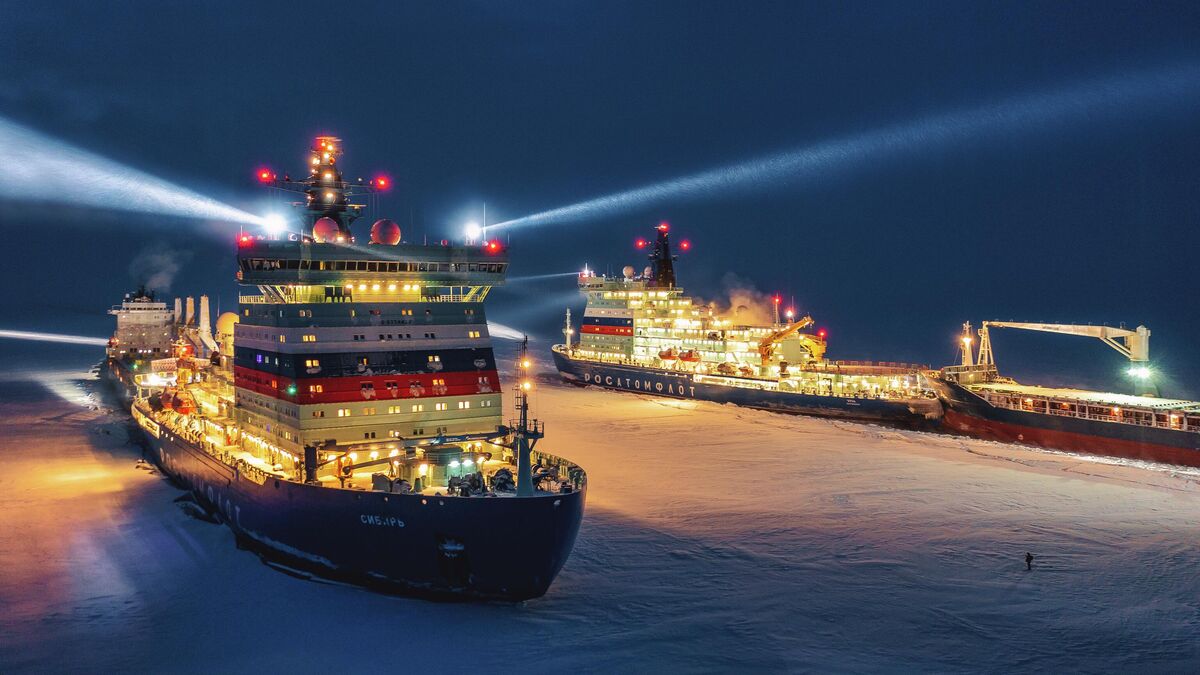
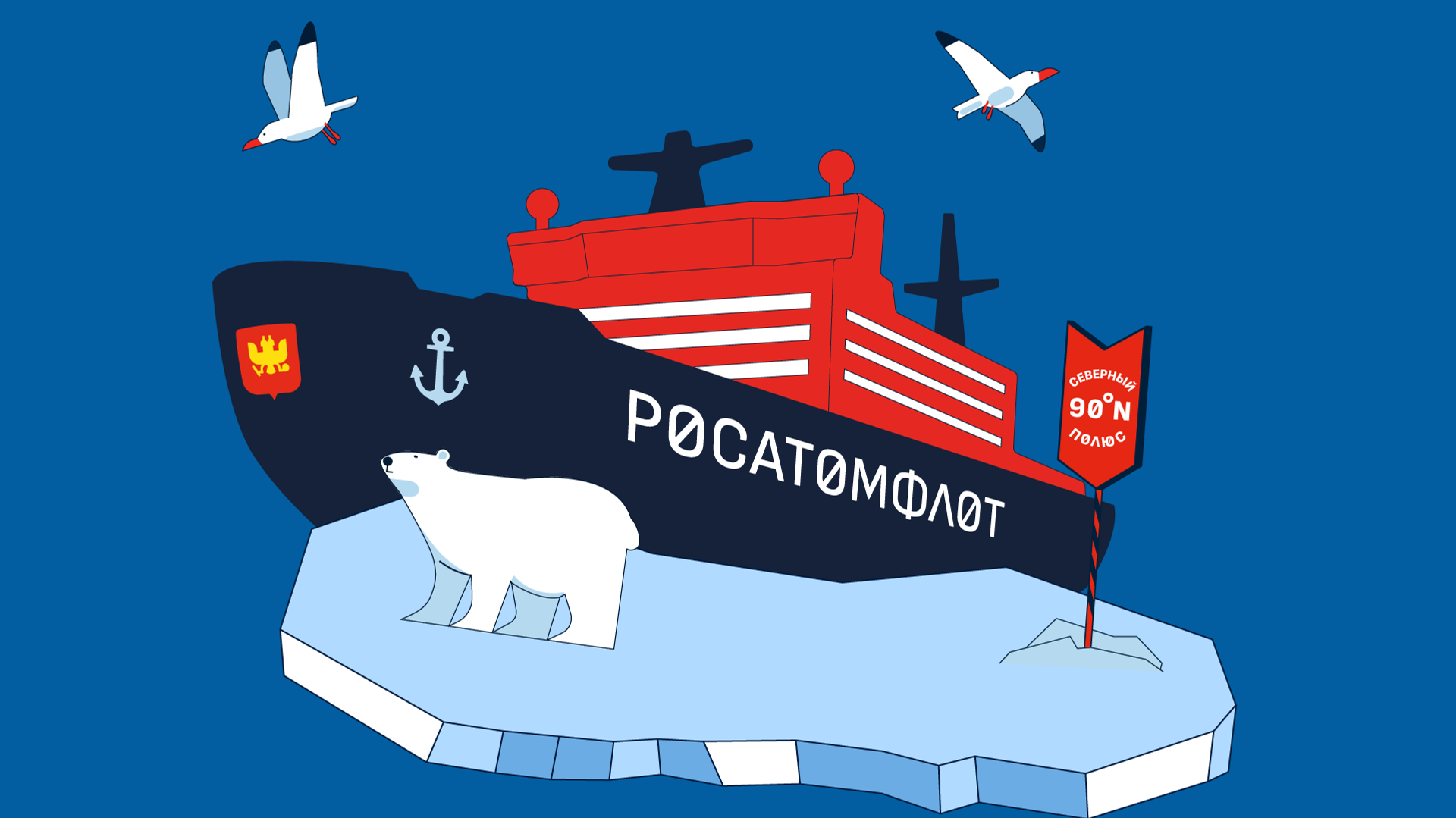
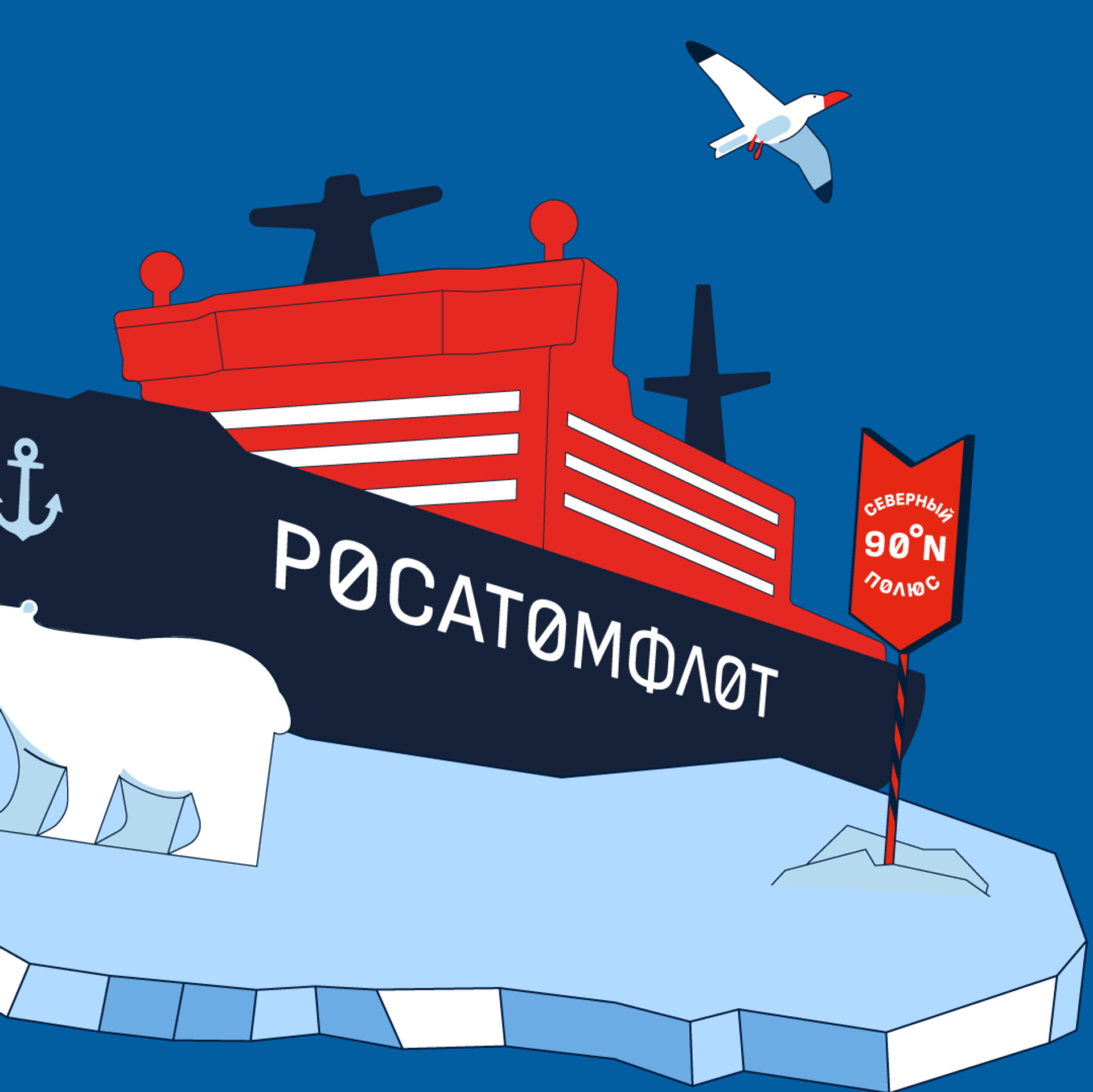
Icebreaker of Knowledge, for participants ready to travel to the North Pole aboard the 50 Let Pobedy nuclear-powered icebreaker. The voyage to the top of the Arctic is scheduled for August 2026.
To take part in the expedition, students aged 14 to 16 must submit an application by May 27 inclusive and successfully complete a series of intellectual and creative challenges.
In the project’s seventh season, participants will compete in three thematic tracks. The first category, Explorer, is intended for future scientists, researchers and science journalists. The second category, Creator, is designed for aspiring engineers, designers, and inventors. The third category, Master, is being introduced for the first time in the project’s history and is aimed at students interested in skilled trades and technical professions.
Young people from 23 countries are eligible to compete for a place on the North Pole expedition: Armenia, Bangladesh, Belarus, Bolivia, Brazil, China, Egypt, Hungary, India, Indonesia, Kazakhstan, Kyrgyzstan, Mongolia, Myanmar, Namibia, Rwanda, Serbia, South Africa, Tanzania, Türkiye, Uzbekistan, Vietnam, and, of course, Russia.
Polina Brinza, a third-year student at National Research Nuclear University MEPhI and a participant in the 2022 Icebreaker of Knowledge expedition, spoke about why students should apply and what opportunities the project can offer.
“It’s a million percent worth it! The selection process is definitely challenging, and you really have to put in the effort, but it’s absolutely worth it. And if you don’t make it the first time, it’s not a problem – you can always apply again next year,” she said.
Polina also shared how she managed to win such a highly competitive selection process as a 16-year-old student from Rostov.
“I already knew I wanted to connect my future with the nuclear industry, so I immersed myself deeply in the subject. Maybe my enthusiasm for talking about nuclear reactors and nuclear icebreakers helped me win the competition,” she said.
Notably, even four years after the expedition, Polina remains actively involved in the nuclear sector. She now works as a science journalist and promotes the nuclear industry among young people.
“Everything I’m doing now was inspired by Icebreaker of Knowledge. I’m currently studying nuclear physics and have come to understand how important science communication really is. The nuclear industry is both a relatively new area of physics and an extremely complex one. I really want to contribute to it in any way I can,” Polina Brinza said.