https://en.arctic.ru
Russia and China sign agreement on joint railroad construction
Russia and China sign agreement on joint railroad construction
Arctic.ru: Discover how Russia implements its development goals in the Arctic and the Far East
2026-05-20T18:03
2026-05-20T18:03
2026-05-21T11:46
news
international cooperation
vladimir putin
transport ministry
/img/07ea/05/14/1494986_0:0:3055:1718_1920x0_80_0_0_aed37fee315c5d93e57a52c46ca123f9.jpg
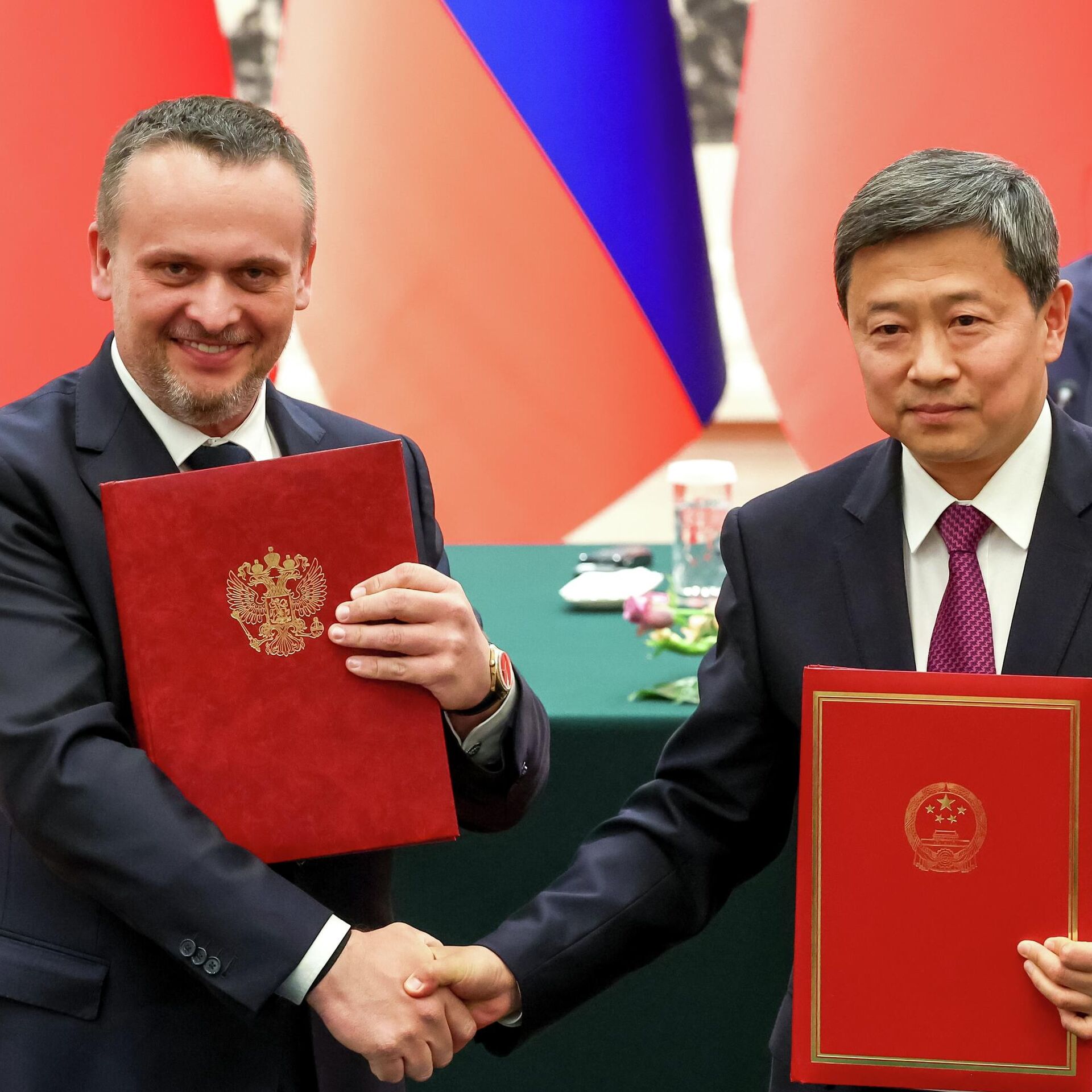
Following talks between Russian President Vladimir Putin and Chinese President Xi Jinping, the two sides agreed to build the second main track, 1,435 mm wide, at the Zabaikalsk – Manchuria transborder section, the Government press service reports.The agreement was signed by Minister of Transport Andrei Nikitin and Head of the National Railway Administration Song Xiude.The sides are also reported to continue their work on developing the Central Eurasia transport corridor via Mongolia and the Europe-Western China route.
https://en.arctic.ru/20260518/1481620.html
2026
Новости
ru-RU
https://en.arctic.ru/docs/about/copyright.html
https://xn--c1acbl2abdlkab1og.xn--p1ai/
/img/07ea/05/14/1494986_0:0:2729:2047_1920x0_80_0_0_b0d2de77dad22e3e1f5cb558de4a531c.jpgnews, international cooperation, vladimir putin, transport ministry
Russia and China sign agreement on joint railroad construction
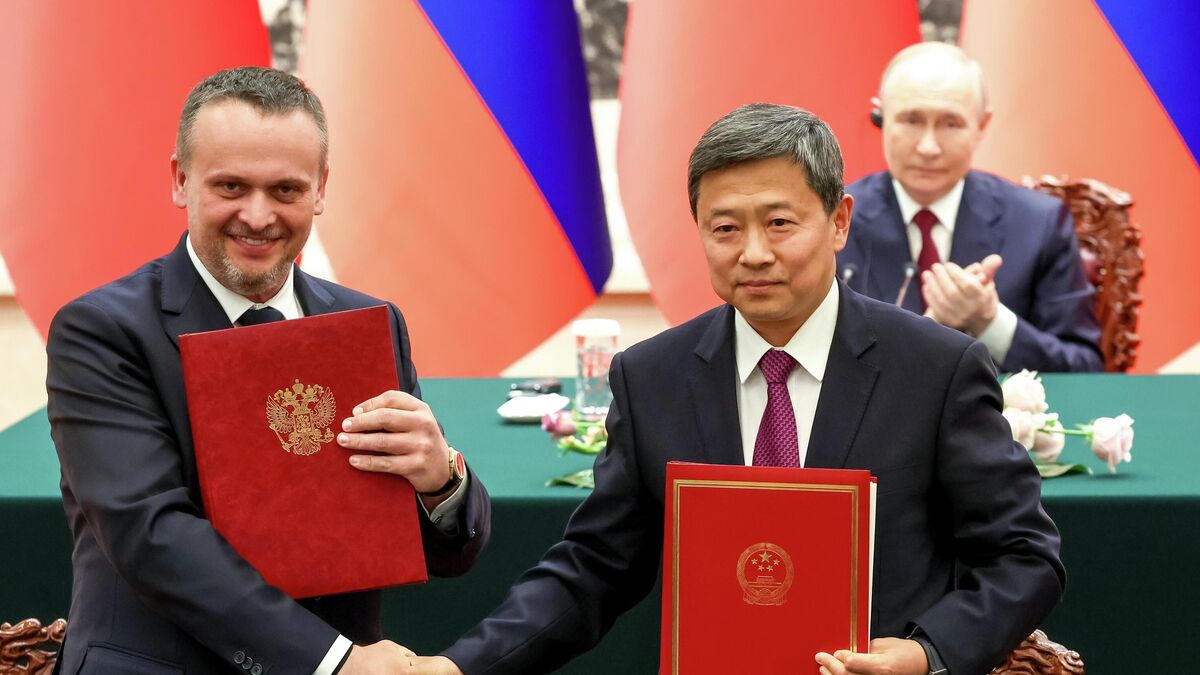
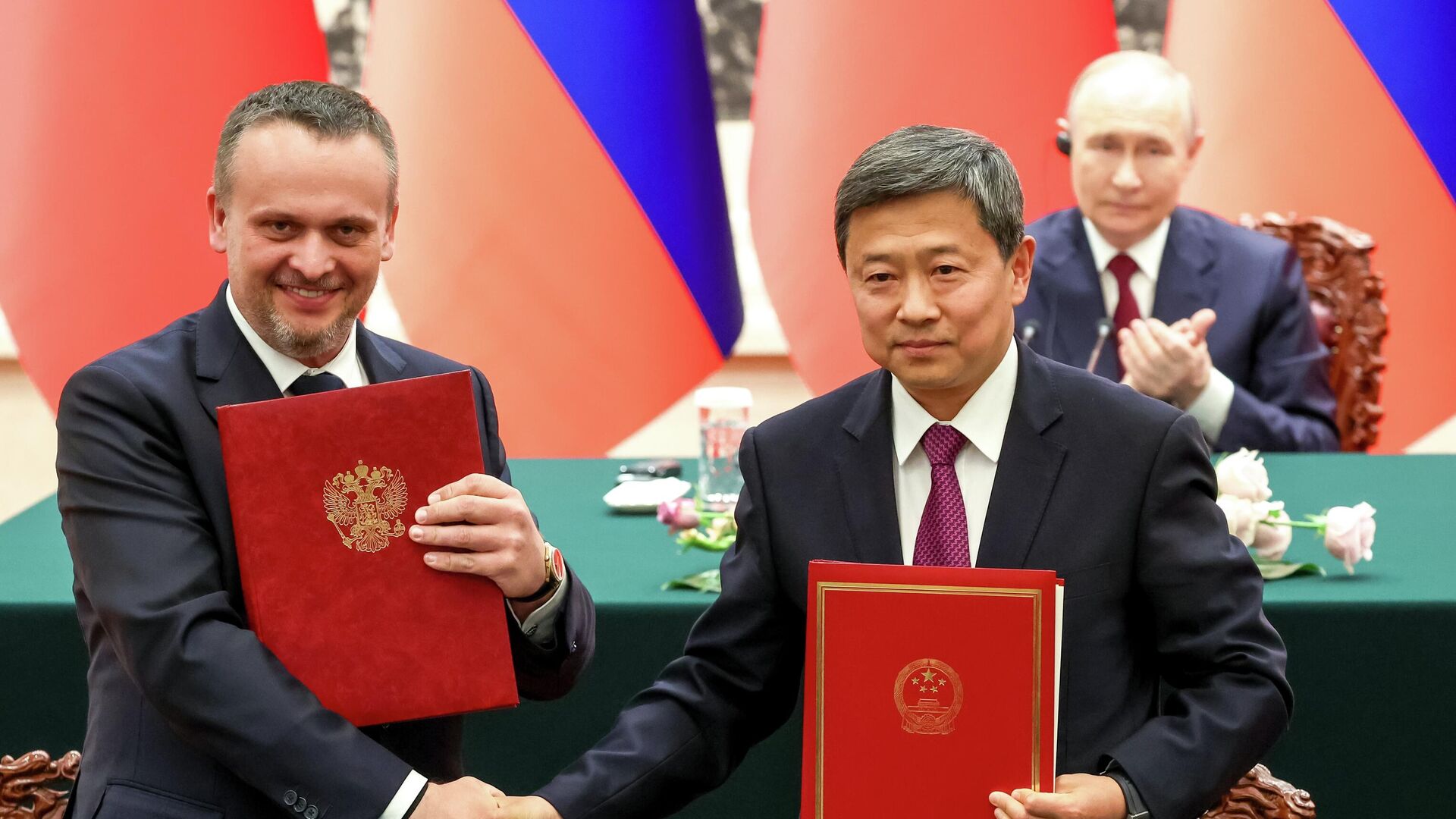
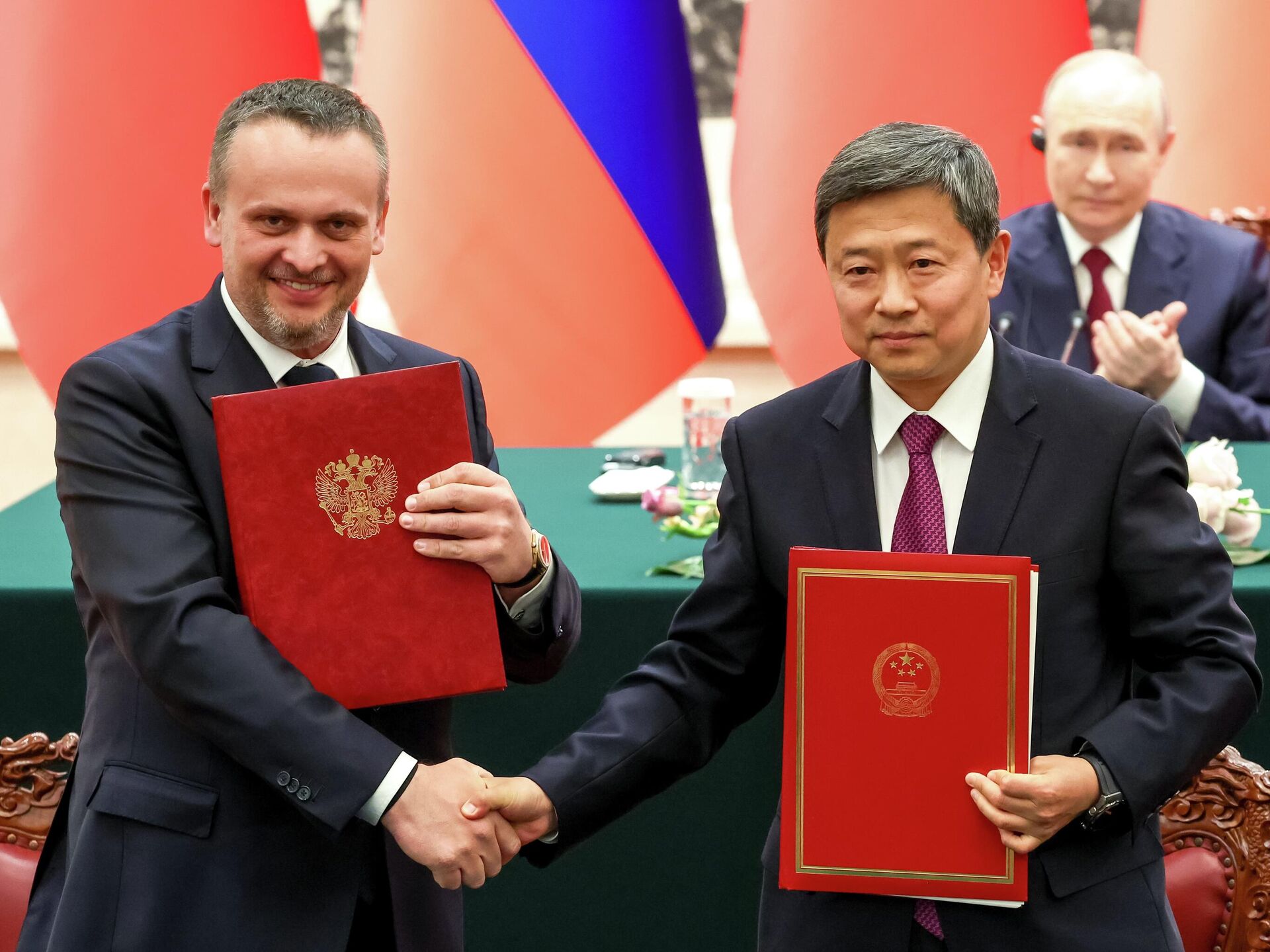
Following talks between Russian President Vladimir Putin and Chinese President Xi Jinping, the two sides agreed to build the second main track, 1,435 mm wide, at the Zabaikalsk – Manchuria transborder section, the Government press service reports.
The agreement was signed by Minister of Transport Andrei Nikitin and Head of the National Railway Administration Song Xiude.
“The signed document reveals a common desire to increase the throughput capacity of the border crossing. Its implementation will make it possible to raise the Zabaikaslk checkpoint carrying capacity by 11 million tons on the current level to provide for the exchange of nearly 50 train pairs a day,” said Andrei Nikitin.
The sides are also reported to continue their work on developing the Central Eurasia transport corridor via Mongolia and the Europe-Western China route.