https://en.arctic.ru
“The Arctic will not develop without them.” Experts have discussed youth expeditions to the North
“The Arctic will not develop without them.” Experts have discussed youth expeditions to the North
Arctic.ru: Discover how Russia implements its development goals in the Arctic and the Far East
2026-05-20T17:39
2026-05-20T17:39
2026-05-20T19:56
news
arctic zone of russia
social affairs
/img/07ea/05/14/1494629_0:156:3000:1844_1920x0_80_0_0_29a009db26281a71134c979448680e36.jpg
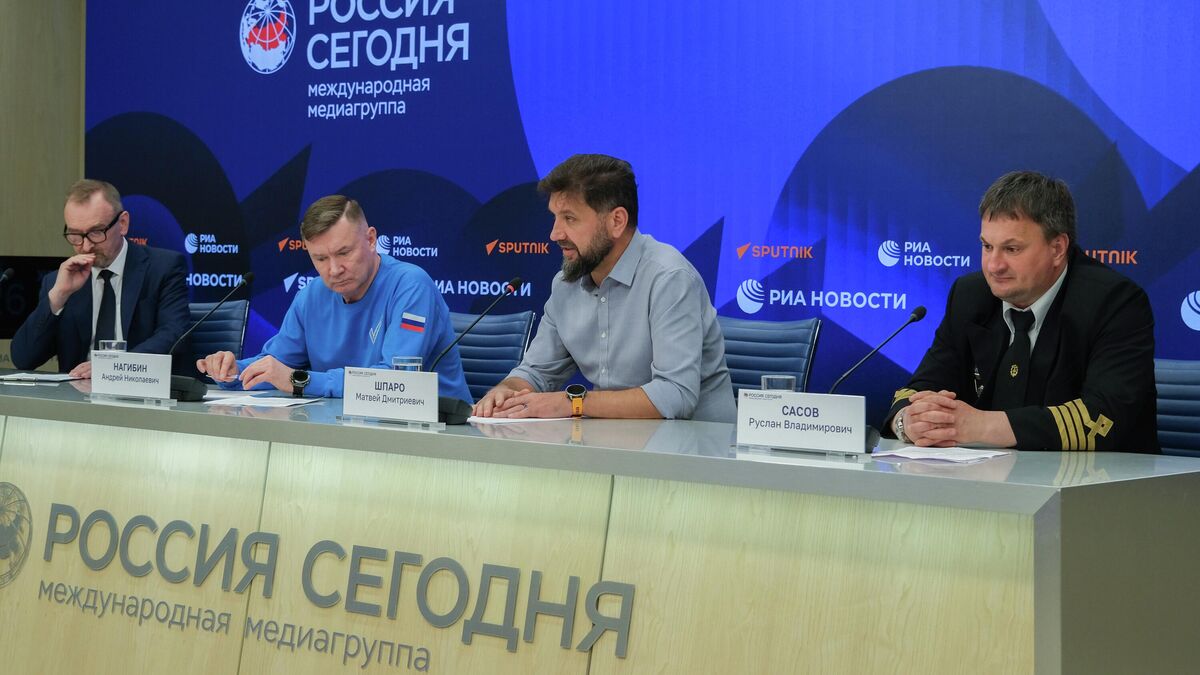
The Great Arctic Expedition and the Icebreaker of Knowledge projects attract young people for scientific and environmental volunteer participation and restoring the monuments of culture and history, experts said at the news conference in the Russia Today Multimedia Press Center coinciding with Polar Explorer’s Day.According to polar explorer and Travel Laboratory Director Matvey Shparo, young people should be actively introduced to the Arctic, because this region is just impossible to develop without them.“The guys who join us on the expedition meet the real people, who work there, and come to understand what it means to be a strong, courageous man with a strong spirit, who dedicates his life to serving his country, because the Arctic still means very harsh conditions,” he emphasized.The captain of the nuclear icebreaker 50 Let Podegy, Ruslan Sasov noted that young participants in the expedition attend lectures on the Arctic, nuclear industry, outstanding scientists, engineers and polar explorers.“Th captain also tells them about his life, the icebreaker, about its movement and how shifts are done there… And people can later choose whether they want to be volunteers or join an expedition to the northern land,” he said.In his turn, manager of the Clean Arctic project Andrei Nagibin spoke about the volunteer movement. He thinks that this subject evokes interest with socially active people of different age. The Clean Arctic project is ready to admit volunteers aged 18 and older.“They are, as we call them, missioners or ambassadors of the Arctic. We should understand that the people came here, got impressions, worked for the benefit of the Arctic and on returning from here, they will tell, convey all the information about the Arctic, local residents and volunteers to the guys and the population of their region,” said Andrei Nagibin.
2026
Новости
ru-RU
https://en.arctic.ru/docs/about/copyright.html
https://xn--c1acbl2abdlkab1og.xn--p1ai/
/img/07ea/05/14/1494629_167:0:2834:2000_1920x0_80_0_0_c68776f3f6a906a5e3246abd7329df2f.jpgnews, arctic zone of russia, social affairs
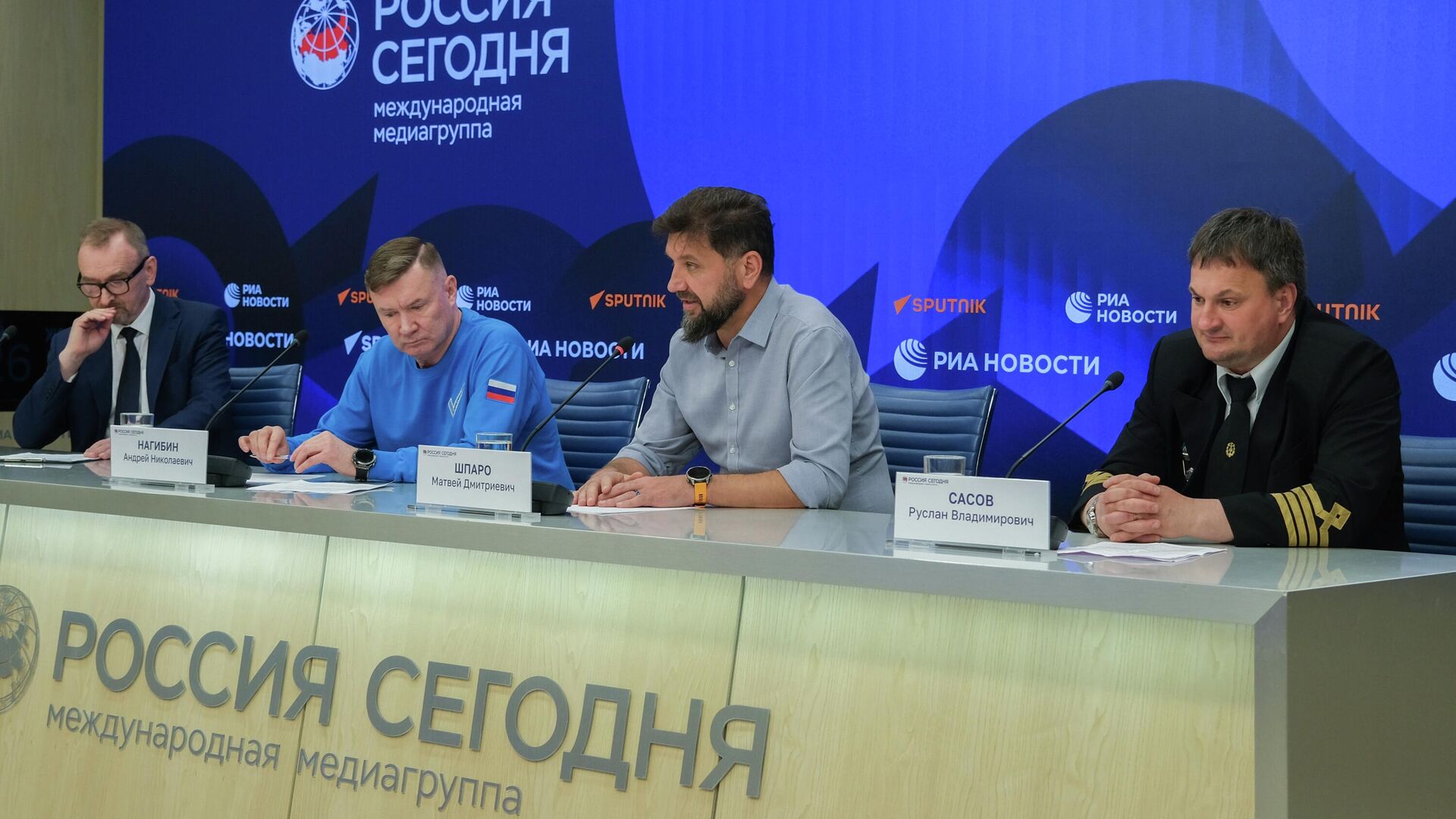
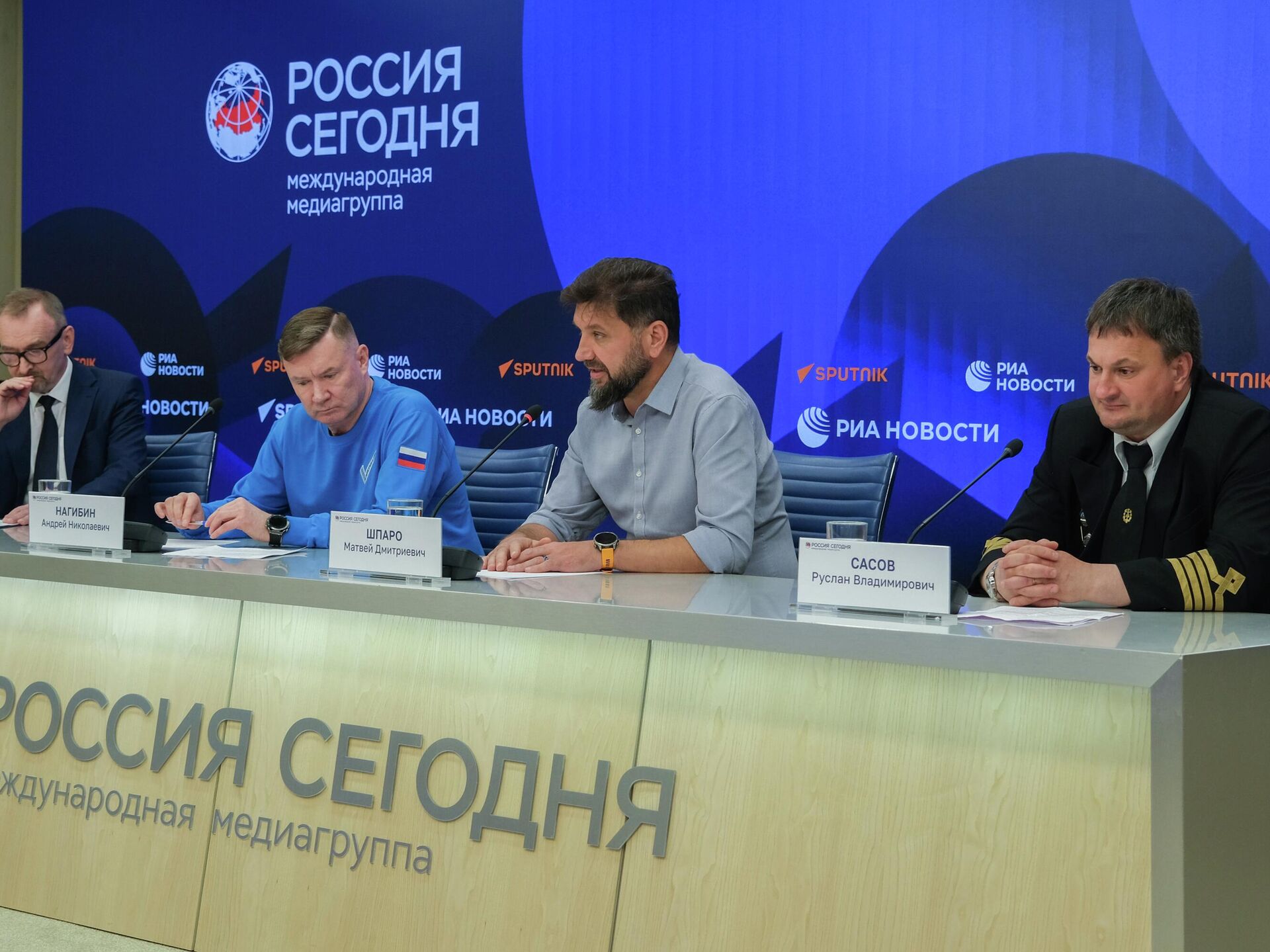
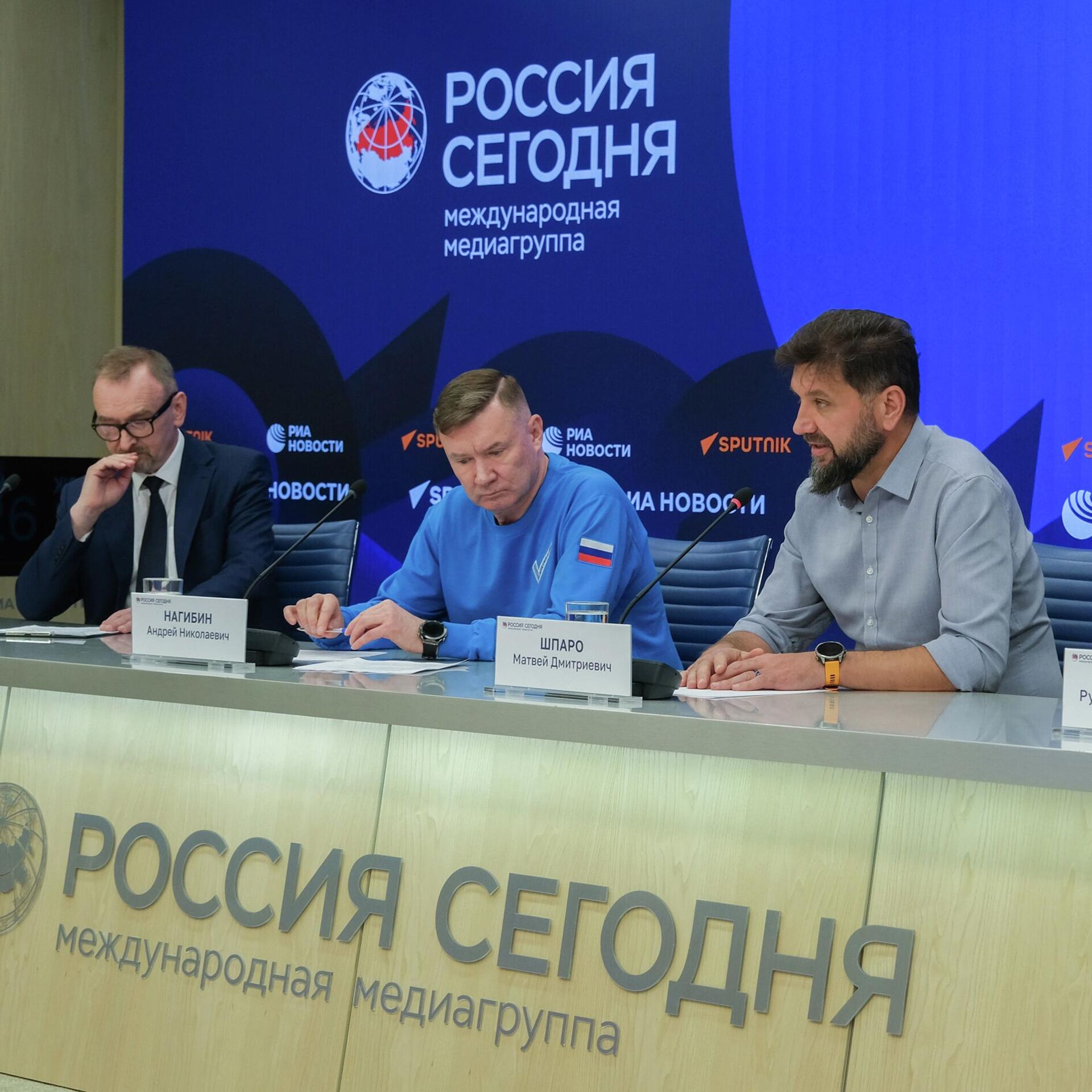
The Great Arctic Expedition and the Icebreaker of Knowledge projects attract young people for scientific and environmental volunteer participation and restoring the monuments of culture and history, experts said at the news conference in the Russia Today Multimedia Press Center coinciding with Polar Explorer’s Day.
According to polar explorer and Travel Laboratory Director Matvey Shparo, young people should be actively introduced to the Arctic, because this region is just impossible to develop without them.
“The guys who join us on the expedition meet the real people, who work there, and come to understand what it means to be a strong, courageous man with a strong spirit, who dedicates his life to serving his country, because the Arctic still means very harsh conditions,” he emphasized.
The captain of the nuclear icebreaker 50 Let Podegy, Ruslan Sasov noted that young participants in the expedition attend lectures on the Arctic, nuclear industry, outstanding scientists, engineers and polar explorers.
“Th captain also tells them about his life, the icebreaker, about its movement and how shifts are done there… And people can later choose whether they want to be volunteers or join an expedition to the northern land,” he said.
In his turn, manager of the Clean Arctic project Andrei Nagibin spoke about the volunteer movement. He thinks that this subject evokes interest with socially active people of different age. The Clean Arctic project is ready to admit volunteers aged 18 and older.
“They are, as we call them, missioners or ambassadors of the Arctic. We should understand that the people came here, got impressions, worked for the benefit of the Arctic and on returning from here, they will tell, convey all the information about the Arctic, local residents and volunteers to the guys and the population of their region,” said Andrei Nagibin.