https://en.arctic.ru
Expert: Russia, a leading Arctic producer of mineral resources
Expert: Russia, a leading Arctic producer of mineral resources
Arctic.ru: Discover how Russia implements its development goals in the Arctic and the Far East
2026-05-20T16:53
2026-05-20T16:53
2026-05-20T18:43
news
arctic zone of russia
science and technology
/img/07ea/05/14/1493867_0:285:3072:2013_1920x0_80_0_0_957ff43bae162b47061b0aea5c0b8848.jpg
Russia boasts leading positions among Arctic producers of mineral resources, Deputy General Director of the Karpinsky Russian Geological Research Institute, Maxim Tkachenko, noted during the POLAR 2026 International Scientific and Business Conference. The expert noted that the Russian Arctic now accounted for 80 percent of global oil and gas reserves. The Prirazlomnoye deposit in the Pechora Sea is the only operational oil-producing facility on the Arctic shelf. Most of the region’s hard-to-reach territory remains little-studied.The scientist discussed key aspects of digital transformation which, according to the Karpinsky Institute’s experts, will form the foundation of a new geological prospecting model.The first aspect titled Digital Copy of Russian Natural Resources is a system merging the results of field works, geophysics, geochemistry, remote sensing, drilling and regional research data into an integral nationwide geological-cartographic model.The SPHERA system is the second aspect, utilizing drones and making it possible to keep digital forms and records on mobile devices in field conditions.The Mente et Visione AI tool is the third aspect, making it possible to select similar samples from a standard database during geological research projects and to reduce the number of options, while determining ore samples. Head of the Ocean and Atmosphere Interaction Department at the Arctic and Antarctic Research Institute, Professor Sergei Soldatenko, DSc (Physics and Mathematics), also discussed the development of various technologies. He unveiled the institute’s inventions in the field of navigation safety.The institute’s staff is currently working on a neural network model that can automatically detect ice-hummocks on aerial photos. Ice-floe forecasting systems are also being developed.St. Petersburg is hosting the conference on May 19-20 at the Arctic and Antarctic Research Institute. As usual, the conference brings together representatives of federal and regional agencies, the business community, public organizations, as well as scientists working in polar latitudes.
https://en.arctic.ru/20260505/1457814.html
2026
Новости
ru-RU
https://en.arctic.ru/docs/about/copyright.html
https://xn--c1acbl2abdlkab1og.xn--p1ai/
/img/07ea/05/14/1493867_0:0:2732:2048_1920x0_80_0_0_6cbecbef7159bed7b7316fb69f2a0b39.jpgnews, arctic zone of russia, science and technology
Expert: Russia, a leading Arctic producer of mineral resources
Russia boasts leading positions among Arctic producers of mineral resources, Deputy General Director of the Karpinsky Russian Geological Research Institute, Maxim Tkachenko, noted during the POLAR 2026 International Scientific and Business Conference.
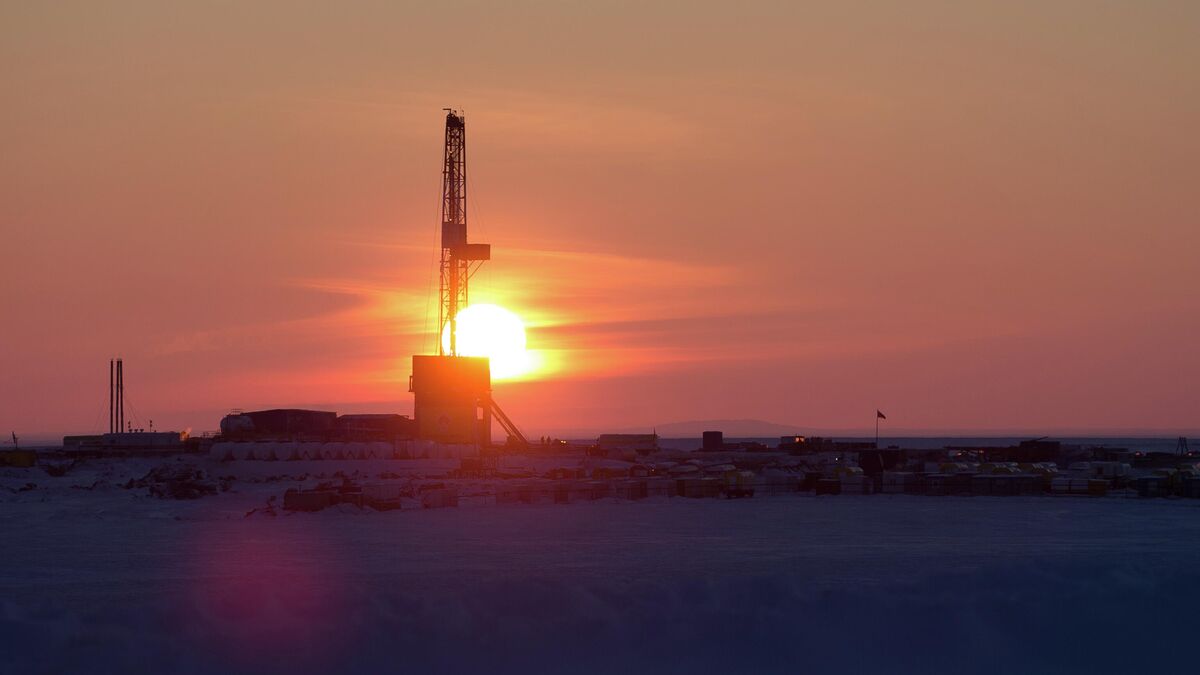
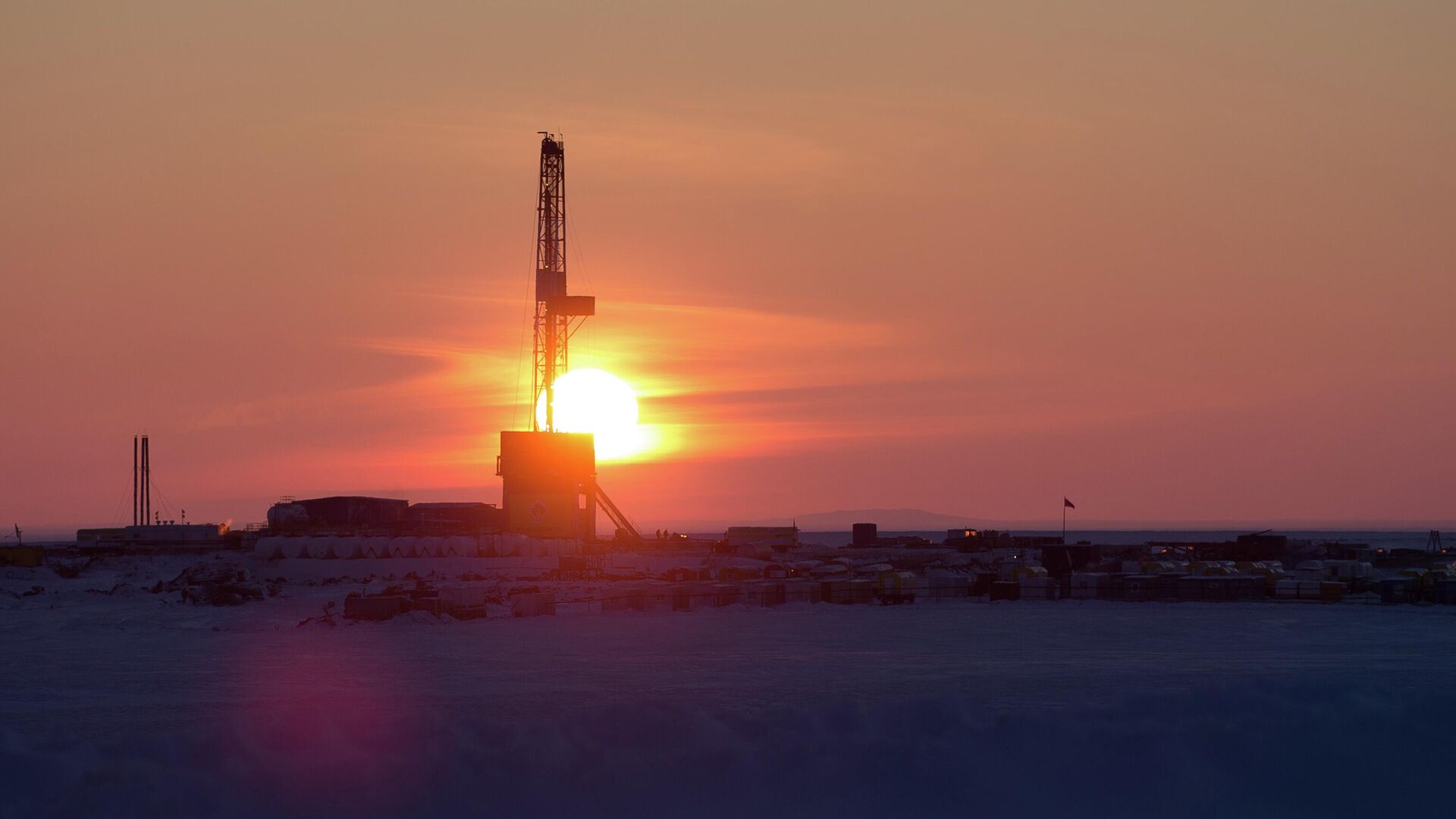
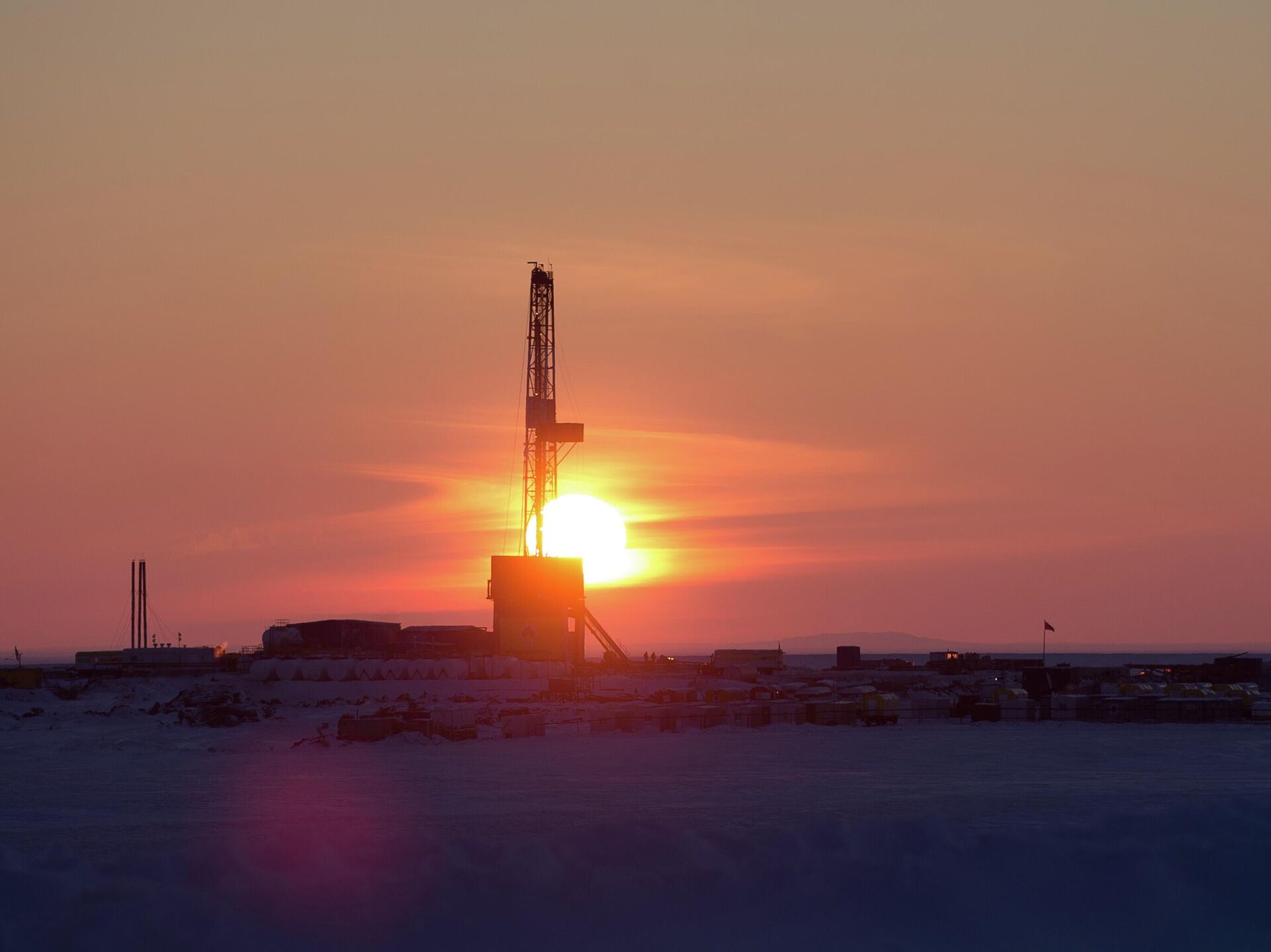
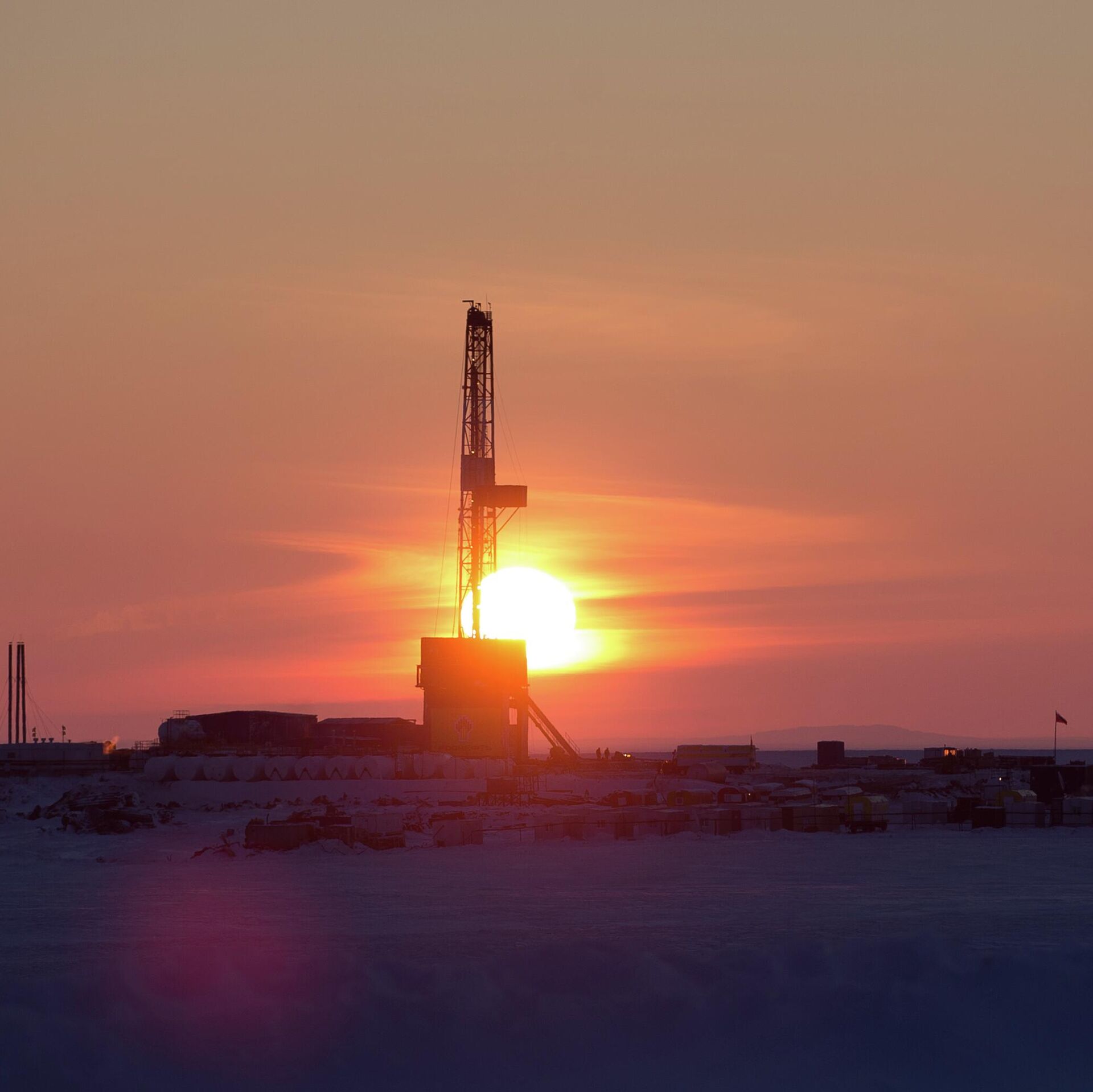
The expert noted that the Russian Arctic now accounted for 80 percent of global oil and gas reserves. The Prirazlomnoye deposit in the Pechora Sea is the only operational oil-producing facility on the Arctic shelf. Most of the region’s hard-to-reach territory remains little-studied.
The scientist discussed key aspects of digital transformation which, according to the Karpinsky Institute’s experts, will form the foundation of a new geological prospecting model.
The first aspect titled Digital Copy of Russian Natural Resources is a system merging the results of field works, geophysics, geochemistry, remote sensing, drilling and regional research data into an integral nationwide geological-cartographic model.
The SPHERA system is the second aspect, utilizing drones and making it possible to keep digital forms and records on mobile devices in field conditions.
The Mente et Visione AI tool is the third aspect, making it possible to select similar samples from a standard database during geological research projects and to reduce the number of options, while determining ore samples. Head of the Ocean and Atmosphere Interaction Department at the Arctic and Antarctic Research Institute, Professor Sergei Soldatenko, DSc (Physics and Mathematics), also discussed the development of various technologies. He unveiled the institute’s inventions in the field of navigation safety.
The institute’s staff is currently working on a neural network model that can automatically detect ice-hummocks on aerial photos. Ice-floe forecasting systems are also being developed.
“We use satellite data, dispatch-control reports from vessels, automatic information systems’ data and ice-situation maps for compiling optimal navigation scenarios up to one month in advance,” Sergei Soldatenko noted.
St. Petersburg is hosting the conference on May 19-20 at the Arctic and Antarctic Research Institute. As usual, the conference brings together representatives of federal and regional agencies, the business community, public organizations, as well as scientists working in polar latitudes.