10:00 06.05.2026
A pom-pom tail and a playful nature: How the Kuril cat became a symbol of the Far Eastern islands
© Alexei Naumenko
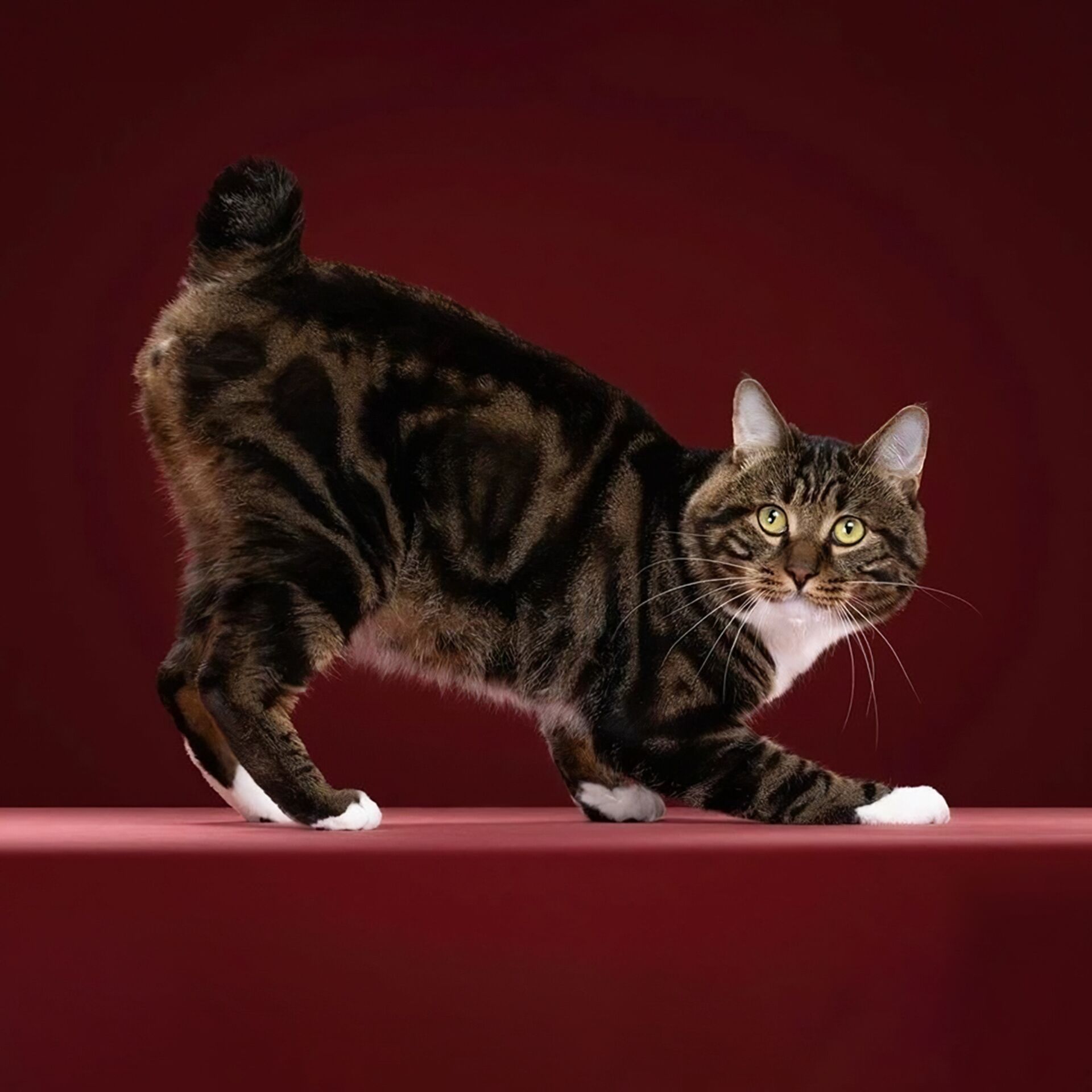
The Kurilian Bobtail is one of the most unusual native cat breeds. These short-tailed cats have long since made the journey from the Far Eastern islands to city apartments across Russia, yet they remain a hallmark of the region.
Learn about the differences between the Kurilian cat and other bobtails, when the breed standard was officially recognized, and how these cats compete in international shows in this article from the Development of the Arctic and the Far East portal.
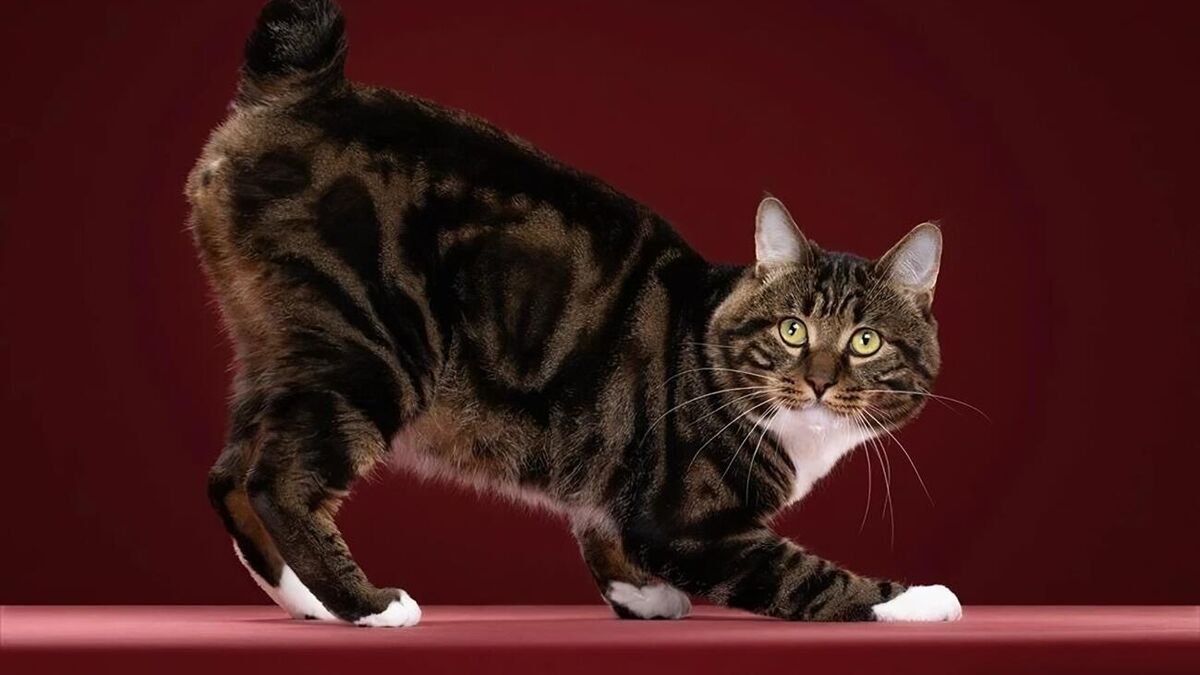
The Kurilian Bobtail is considered one of the youngest breeds. Spotting one is easy: instead of a long tail, it has a short, pom-pom-like one. This characteristic also appears in the wild – the lynx, for example, has a similar tail.
“The kinked tail of the Kurilian Bobtail is a dominant mutation. This means that if one of these cats mates with an ordinary stray, all the kittens will be born with a short tail,” explained Galina Monakhova, a cat breed expert and executive secretary of FARUS association.
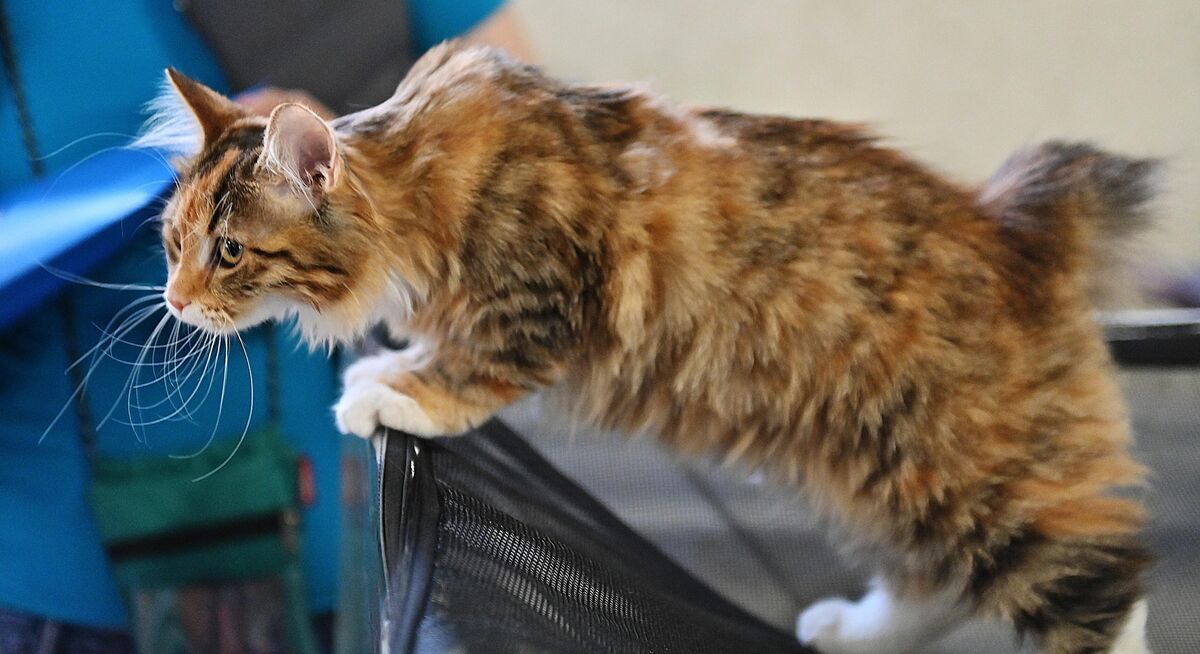
Kurilian Bobtail at a cat show
© RIA Novosti / Natalia Seliverstova
Today, there are many bobtail breeds: the Toy Bobtail, the Mekong, the Karelian, the Japanese Bobtail, and the Manx. But the Kuril cat stands out from the rest in terms of appearance.
“Our Kurilian Bobtail is more like a Siberian cat: massive, with large paws and a heavy build, yet with a short, kinked tail. The Japanese Bobtail, by contrast, is lighter and more graceful,” the expert explained.
How a stray cat became a breed
The Japanese Bobtail is considered a distant relative of the Kurilian Bobtail. The Kurilian cat is believed to have developed without human intervention on the islands of Iturup and Kunashir, where the bloodlines of the Japanese Bobtail and the Siberian breed mixed. That is why Kurilian Bobtails are called an aboriginal breed.
“That fluffy cat you see running around the yard is essentially a Siberian, they all look very similar. The Kurilian Bobtail is the same: originally, it was just a stray cat that lived on the islands,” added Galina Monakhova.
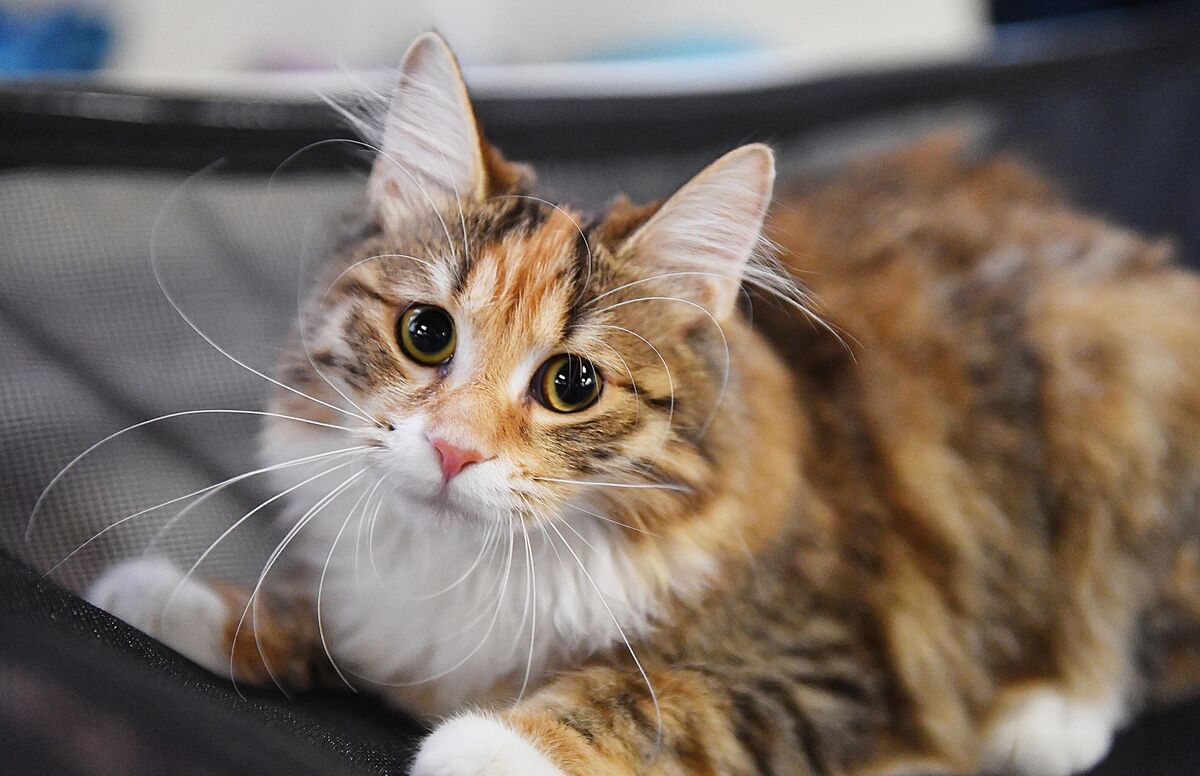
Kurilian Bobtail at a cat show
© RIA Novosti / Natalia Seliverstova
According to her, Russian breeders began developing the breed type about thirty years ago. Today, there are many Kurilian Bobtail catteries in Russia. However, cats brought directly from the islands come with a long ancestral history — more than five generations of their ancestors have already been born in catteries.
“In the wild, a cat does not have the same distinctive external features as individuals that have been bred in catteries for many years. Animals are indeed periodically imported from the islands, but they only possess the original kinked-tail trait. For that reason, they are imported exclusively for breeding, in cases where specialists want to diversify the bloodline,” said Galina Monakhova.
Pride of Russia and international recognition
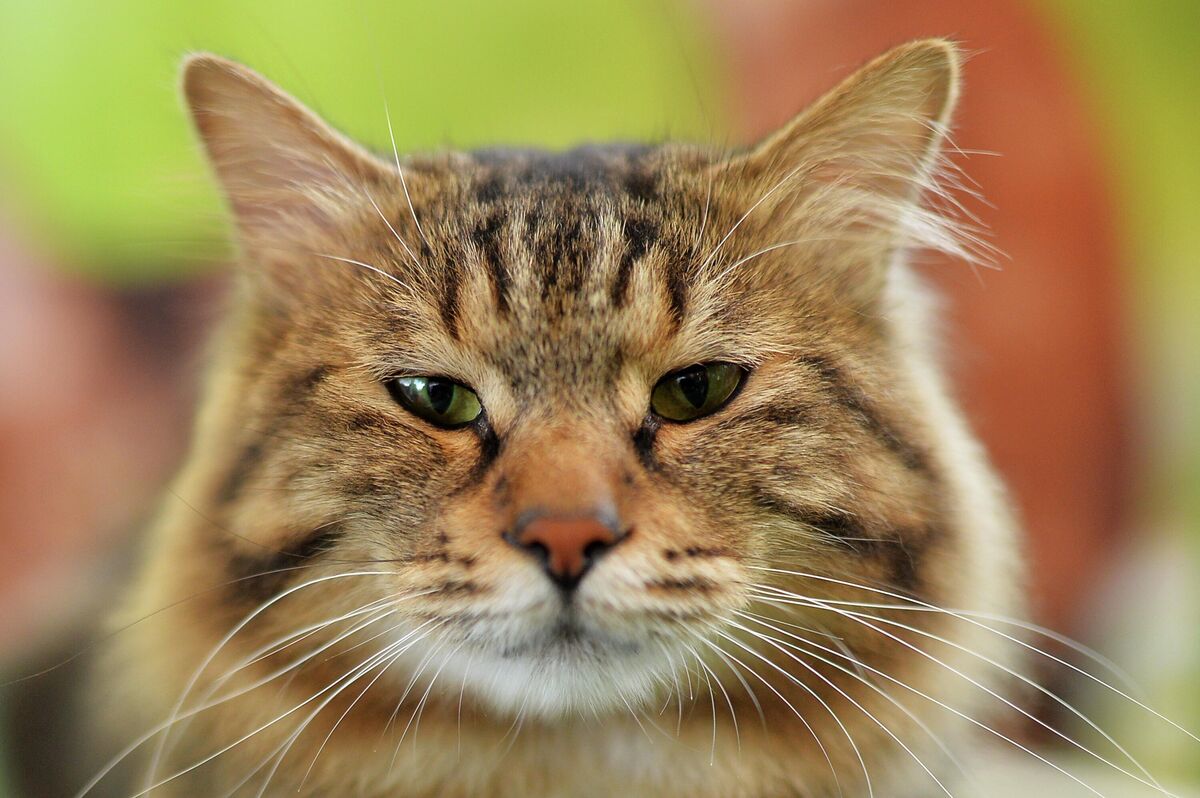
Kurilian Bobtail
© RIA Novosti / Vladimir Pesnya
Representatives of this breed are known for their playful nature and excellent hunting instincts. They adapt easily to home life and form strong bonds with their owners.
“This breed is a source of pride for Russia – our breeders have developed a very beautiful and intelligent cat. This is the only bobtail breed with a dog-like personality – they are very people-oriented and obedient. They possess many traits that are uncommon in other domestic cats,” the expert emphasized.
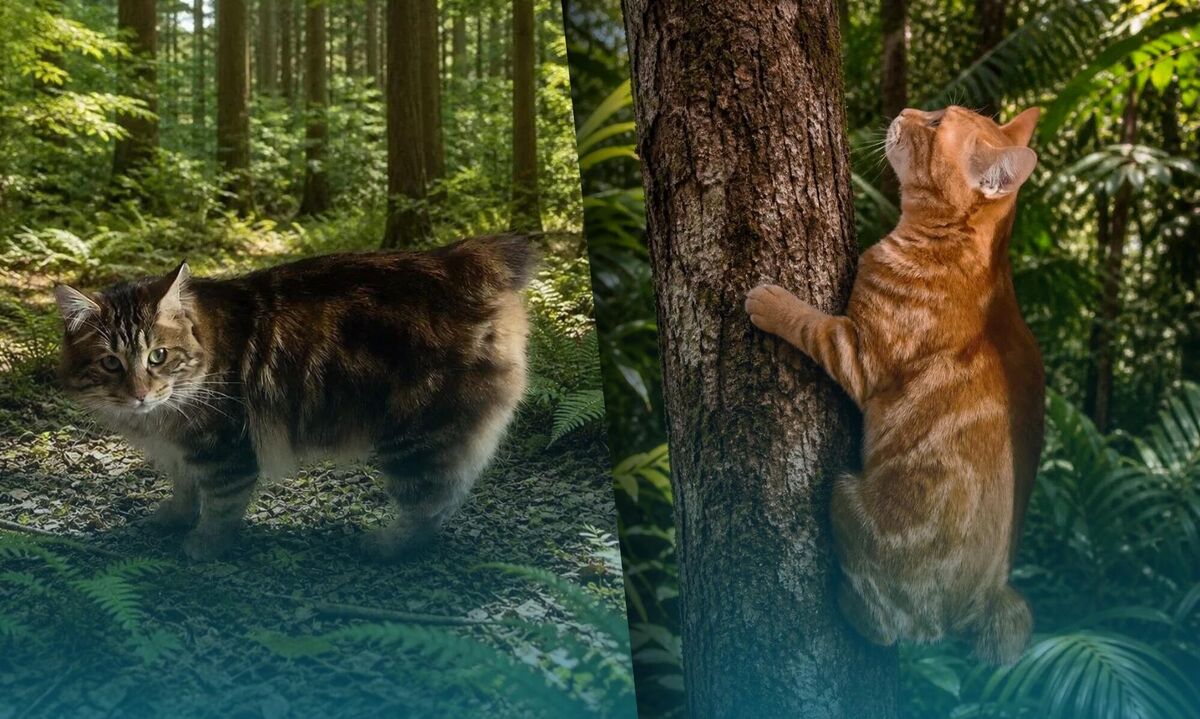
Kurilian Bobtail
© Image generated by AI
By the early 2000s, international feline associations (organizations that register new cat breeds – Ed.) had recognized the first breed standards. The Kurilian Bobtail has since become popular with cat lovers not only in Russia but also abroad. Today, Kurilian Bobtails are frequent participants and winners at international shows.
“Foreign catteries often buy these cats, and the breed is also cultivated outside Russia. But, of course, the strongest representatives of this breed still live in Russia,” concluded Galina Monakhova.