https://en.arctic.ru
Ice drift dates announced in Far Eastern and Arctic regions
Ice drift dates announced in Far Eastern and Arctic regions
Arctic.ru: Discover how Russia implements its development goals in the Arctic and the Far East
2026-05-06T13:59
2026-05-06T13:59
2026-05-06T15:57
news
yamal-nenets autonomous area
nenets autonomous area
republic of sakha (yakutia)
public safety
more content
/img/07ea/05/06/1461291_0:80:1222:767_1920x0_80_0_0_a9ae271af71eb6d57169e83350830c1e.jpg
Ice drift is the seasonal movement of ice on rivers and lakes. In spring, as air temperatures rise to 0°C and above, ice cover begins to melt and break apart into floes, which are then carried downstream by river currents.This phenomenon can be quite hazardous: accumulations of drifting ice may block waterways, potentially causing flooding and posing risks to coastal infrastructure and vessels. Forecasting ice drift can allow authorities to take timely measures to reduce potential damage.In the Nenets Autonomous Area, ice drift this year is located near Naryan-Mar, close to the Toshviska hydrological station. It is expected to approach the Naryan-Mar seaport by May 10.“According to the initial forecast, ice drift on the Pechora River near the Gorodetsky Shar channel was expected on May 15, but due to ice movement and current weather conditions, the forecast has been adjusted,” explained Pyotr Ludnikov, Acting Head of the regional Public Safety Department.Hydrologists also added that the main and local ice flows on the Pechora River, about 38 km from Naryan-Mar, are expected to merge between May 7-8.In the Sakha Republic (Yakuia), water levels had begun to rise across most rivers by the end of April, increasing by 2-10 cm per day.According to Tatyana Marshalik, Head of the local Hydrometeorological Center, ice drift in the Peleduy–Vitim section is expected on May 8-9.“Due to active cyclonic activity and the movement of air masses from Mongolia and northern China, bringing warmer conditions into southern Yakutia, we are paying special attention to the rivers in the Ust-Maisky District and the Olekma River,” she noted, adding that the regional hydrometeorological service is fully prepared for the spring flood season.In the Yamal-Nenets Autonomous Area, ice drift may begin around May 15 near the village of Muzhi.According to Artyom Koshkin, head of the regional Hydrometeorological Center, the timing largely depends on conditions in the nearby regions, particularly along the Ob River in the Khanty-Mansi Autonomous Area, as well as in the Tyumen and Tomsk regions, where temperatures remain relatively low.In Salekhard, ice drift is expected to begin around May 22. However, Koshkin emphasized: “Any forecast always involves a degree of uncertainty. It is difficult to predict the exact date down to the day.”
https://en.arctic.ru/20260415/1398241.html
2026
Новости
ru-RU
https://en.arctic.ru/docs/about/copyright.html
https://xn--c1acbl2abdlkab1og.xn--p1ai/
/img/07ea/05/06/1461291_47:0:1175:846_1920x0_80_0_0_cc8b93881b21ae4aa5c4b5d01fbaed6a.jpgnews, yamal-nenets autonomous area, nenets autonomous area, republic of sakha (yakutia), public safety, more content
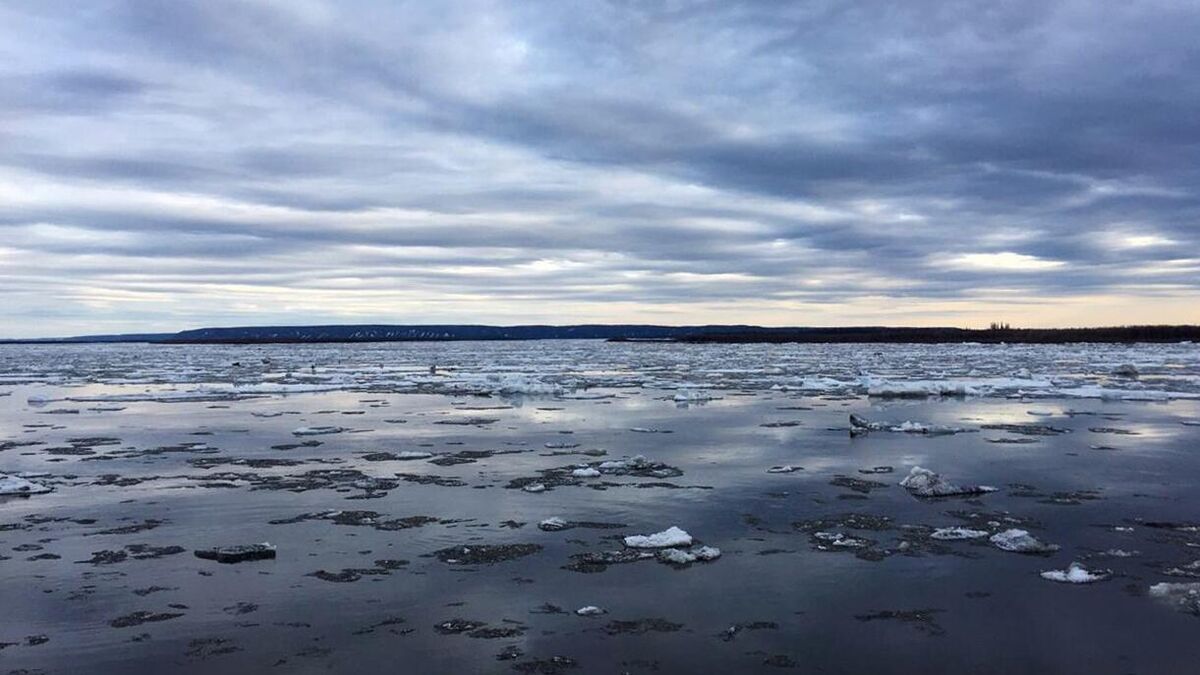
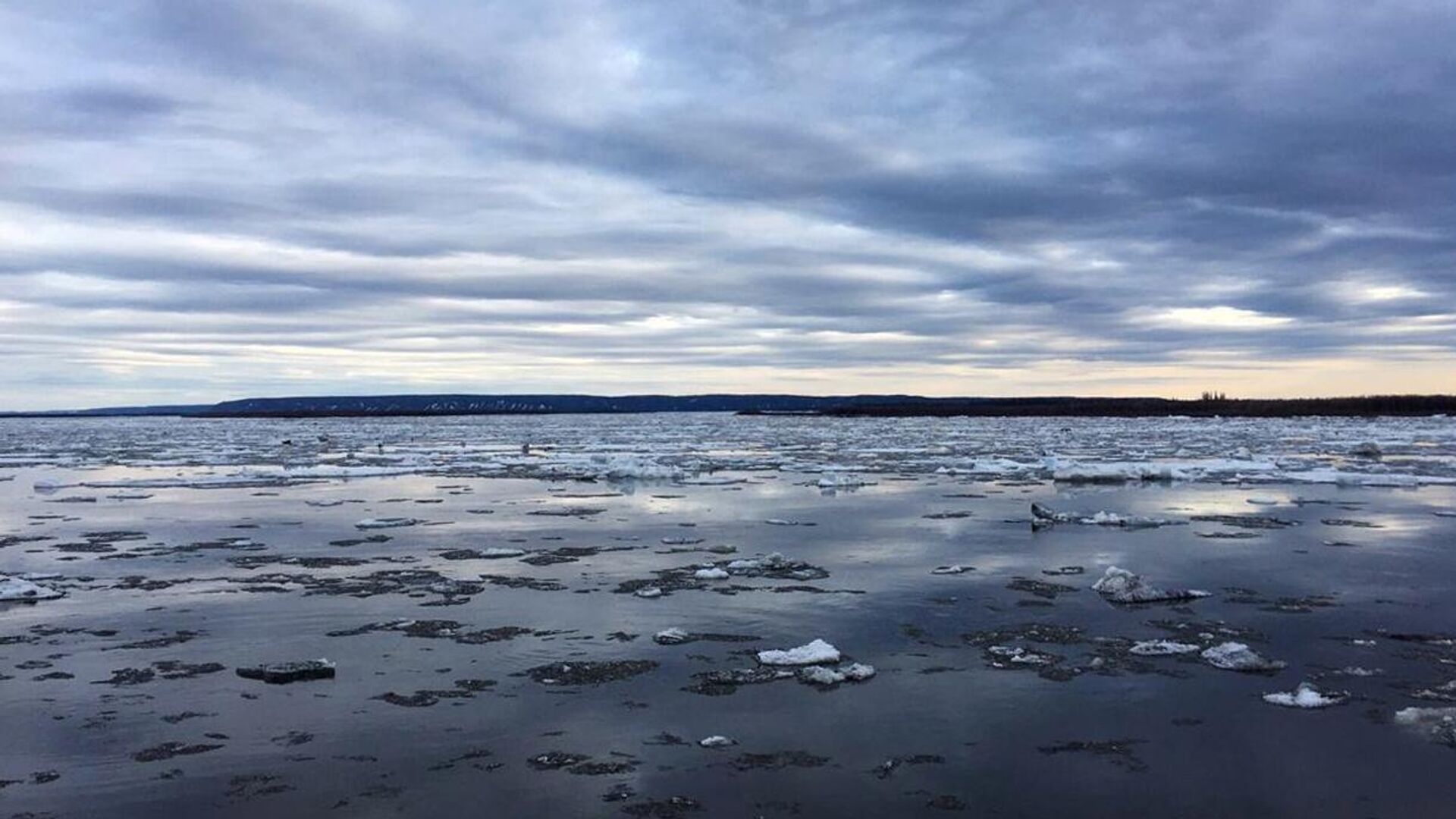
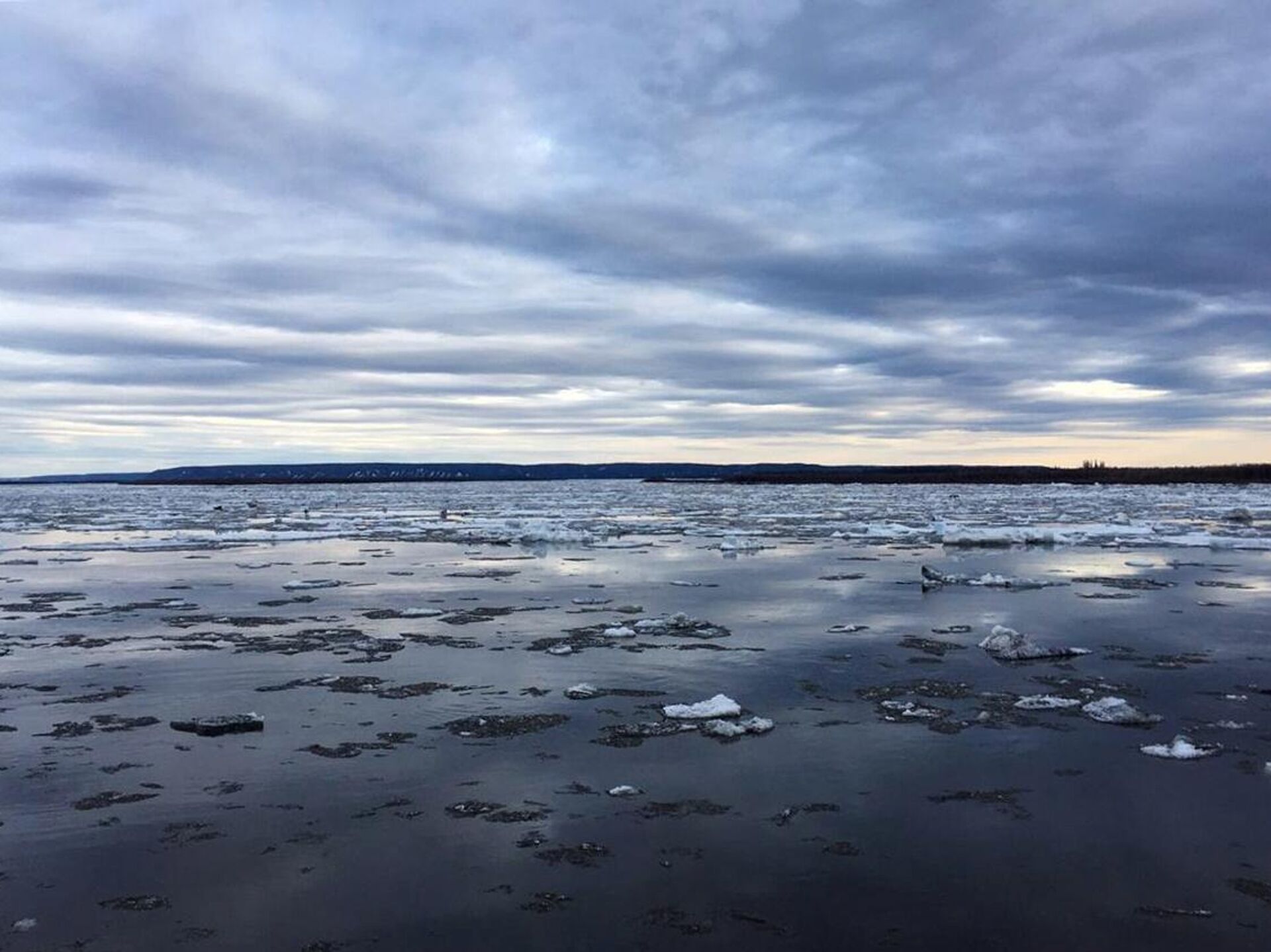
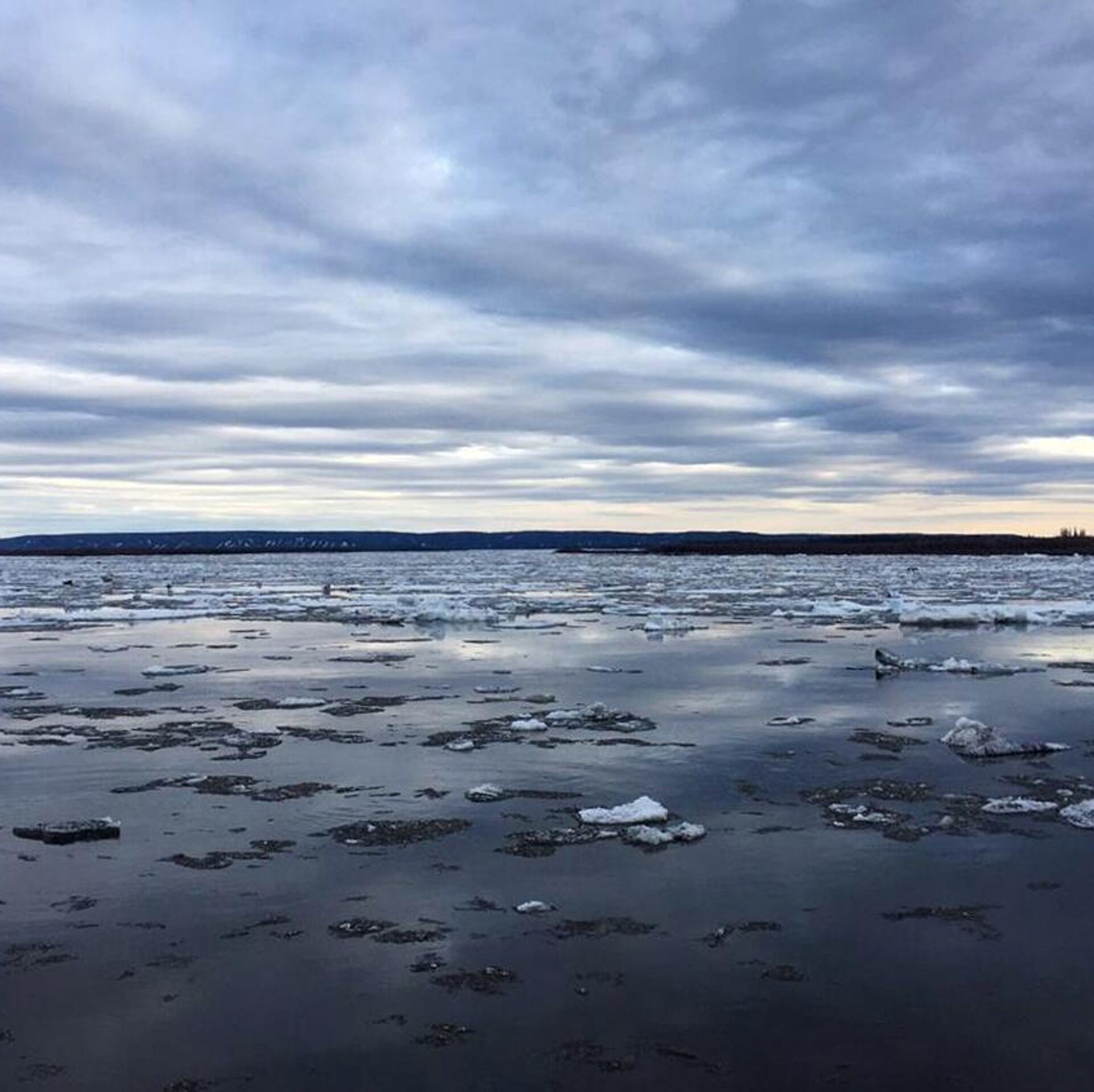
Ice drift is the seasonal movement of ice on rivers and lakes. In spring, as air temperatures rise to 0°C and above, ice cover begins to melt and break apart into floes, which are then carried downstream by river currents.
This phenomenon can be quite hazardous: accumulations of drifting ice may block waterways, potentially causing flooding and posing risks to coastal infrastructure and vessels. Forecasting ice drift can allow authorities to take timely measures to reduce potential damage.
In the Nenets Autonomous Area, ice drift this year is located near Naryan-Mar, close to the Toshviska hydrological station. It is expected to approach the Naryan-Mar seaport by May 10.
“According to the initial forecast, ice drift on the Pechora River near the Gorodetsky Shar channel was expected on May 15, but due to ice movement and current weather conditions, the forecast has been adjusted,” explained Pyotr Ludnikov, Acting Head of the regional Public Safety Department.
Hydrologists also added that the main and local ice flows on the Pechora River, about 38 km from Naryan-Mar, are expected to merge between May 7-8.
In the Sakha Republic (Yakuia), water levels had begun to rise across most rivers by the end of April, increasing by 2-10 cm per day.
According to Tatyana Marshalik, Head of the local Hydrometeorological Center, ice drift in the Peleduy–Vitim section is expected on May 8-9.
“Due to active cyclonic activity and the movement of air masses from Mongolia and northern China, bringing warmer conditions into southern Yakutia, we are paying special attention to the rivers in the Ust-Maisky District and the Olekma River,” she noted, adding that the regional hydrometeorological service is fully prepared for the spring flood season.
In the Yamal-Nenets Autonomous Area, ice drift may begin around May 15 near the village of Muzhi.
According to Artyom Koshkin, head of the regional Hydrometeorological Center, the timing largely depends on conditions in the nearby regions, particularly along the Ob River in the Khanty-Mansi Autonomous Area, as well as in the Tyumen and Tomsk regions, where temperatures remain relatively low.
In Salekhard, ice drift is expected to begin around May 22. However, Koshkin emphasized: “Any forecast always involves a degree of uncertainty. It is difficult to predict the exact date down to the day.”