https://en.arctic.ru
Head of the Federal Agency for Ethnic Affairs: Indigenous small-numbered peoples of the North are not extincting museum exhibits
Head of the Federal Agency for Ethnic Affairs: Indigenous small-numbered peoples of the North are not extincting museum exhibits
Arctic.ru: Discover how Russia implements its development goals in the Arctic and the Far East
2026-04-29T17:52
2026-04-29T17:52
2026-04-30T15:22
news
social affairs
khanty-mansi autonomous area
yamal-nenets autonomous area
federal agency for ethnic affairs
/img/07ea/04/1d/1446844_0:0:1920:1080_1920x0_80_0_0_83c22caa91c7f43a85d9ee76a2132468.jpg
On the eve of the Day of Indigenous Small-Numbered Peoples of Russia head of the Federal Agency for Ethnic Affairs Igor Barinov delivered the lecture Indigenous Small-Numbered Peoples of the North, Siberia and the Far East: Sustainable Development in Practice at the federal educational marathon “Znaniye. The First."In his presentation the Agency head noted that currently over 190 ethnic groups live in Russia, and 47 of them are indigenous and numerically small peoples. Notwithstanding their small population – about 300,000 – the territories they inhabit account for over half of the country's total area.A considerable part of the lecture dwelt on the modern Concept of Sustainable Development of the Indigenous Small-Numbered Peoples of the North, Siberia, and the Far East until 2036.While mentioning the successful experience of supporting the indigenous small –numbered peoples he emphasized the amendments to the law on education making it possible to establish nomadic schools.“Teachers live together with the reindeer breeders’ teams educating children without separating them from the family. This way children can preserve their language and cultural habits,” said the Agency head.He also mentioned the emergence of a new profession in 2025: a nomadic dwelling worker or a chum keeper.“Nomadic dwelling workers with teaching qualifications often combine this role of chum keeper with teaching at nomadic schools,” said Igor Barinov.Tundra dwellers in need of urgent medical aid have an air medical service despite a high cost of flights.“A helicopter flight costs a lot of budgetary funds, still regional authorities do this because they understand that this is indispensable in today’s life,” explained the official.He also pointed out the efforts to make digital technologies available.Modern technologies are introduced in traditional chores as well: to monitor the reindeers’ migration they use satellite tracker neck strips in Chukotka or UAVs in the Krasnoyarsk Territory.Thanks to the government policy we can witness a tangible population growth: the number of Russia’s indigenous small-numbered peoples has grown by 20 percent over the recent 30 years.The Agency head has underscored that indigenous peoples provide for the food security in remote areas, preserve unique ecological and metrological knowledge and take part in protecting the Arctic borders.More than a half of the Russian territory has been legally recognized as the land of indigenous peoples with a special legal status, which helped preserve their traditional way of life.“Our state has its own historical experience and national standards in securing sustainable development of indigenous peoples. They fully meet international law and in many ways represent even higher standards,” underlined the speaker in his presentation.
https://en.arctic.ru/20250829/1043561.html
https://en.arctic.ru/20250909/1046507.html
https://en.arctic.ru/20260408/1377768.html
2026
Новости
ru-RU
https://en.arctic.ru/docs/about/copyright.html
https://xn--c1acbl2abdlkab1og.xn--p1ai/
/img/07ea/04/1d/1446844_254:0:1694:1080_1920x0_80_0_0_c7db7769df892c017d768b8cebc22f61.jpgnews, social affairs , khanty-mansi autonomous area , yamal-nenets autonomous area, federal agency for ethnic affairs
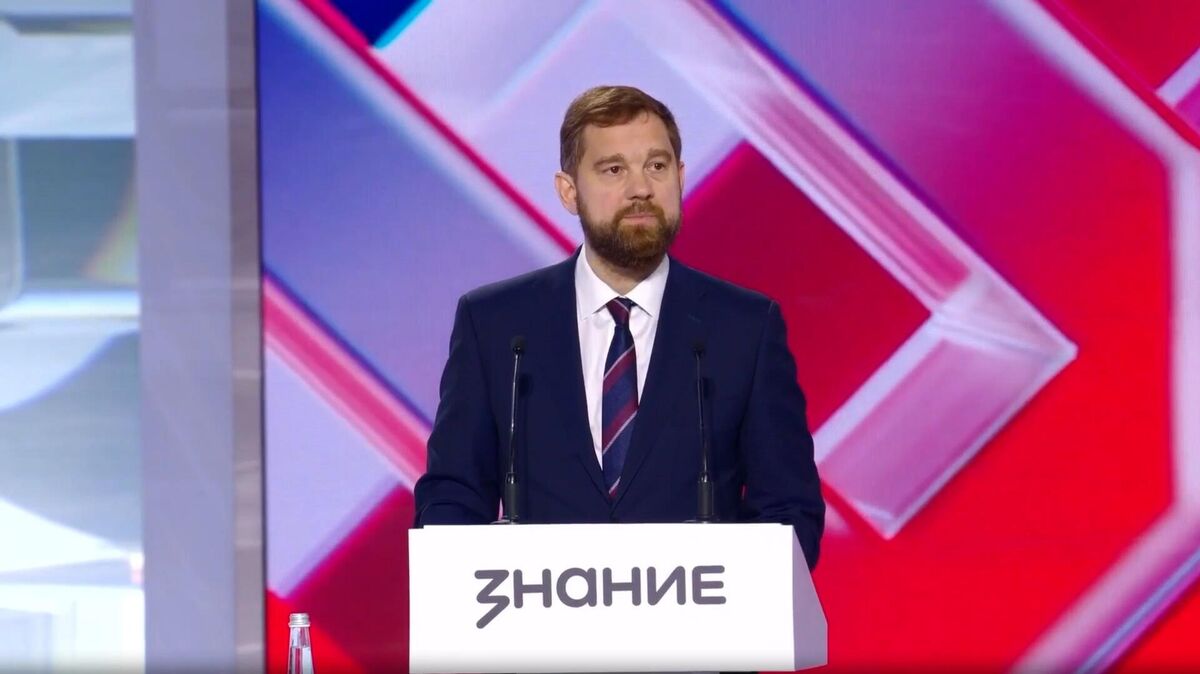
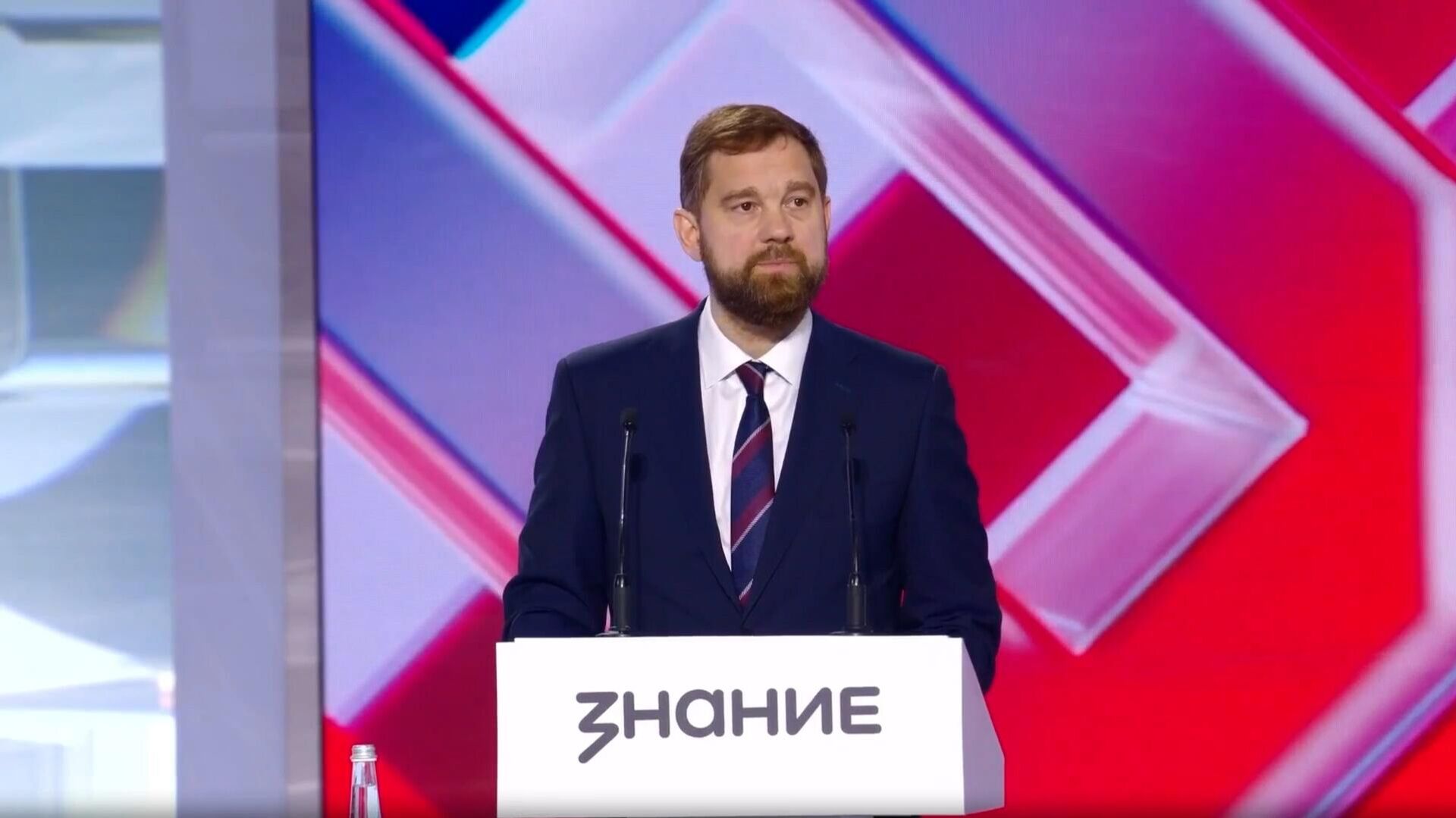
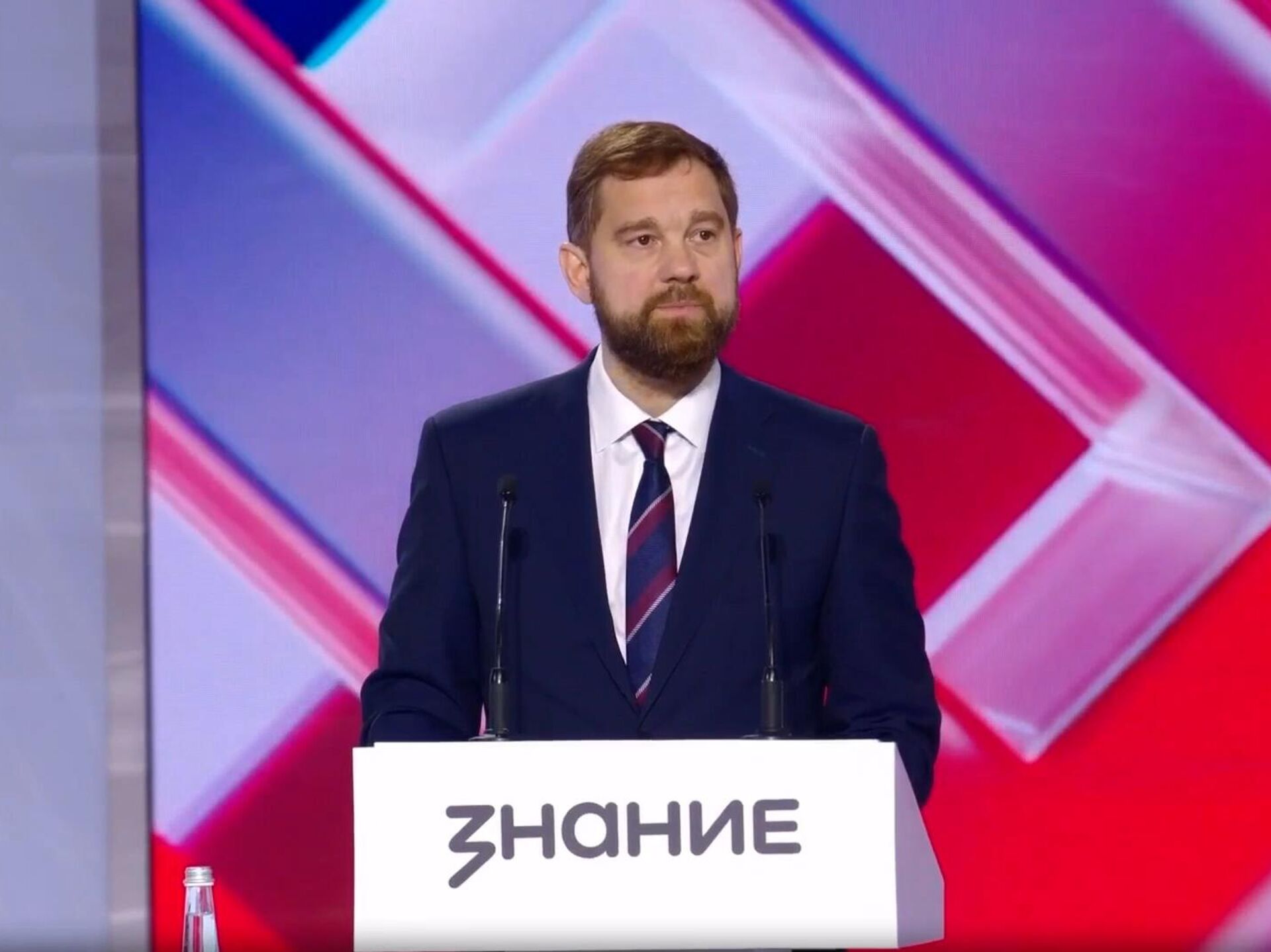
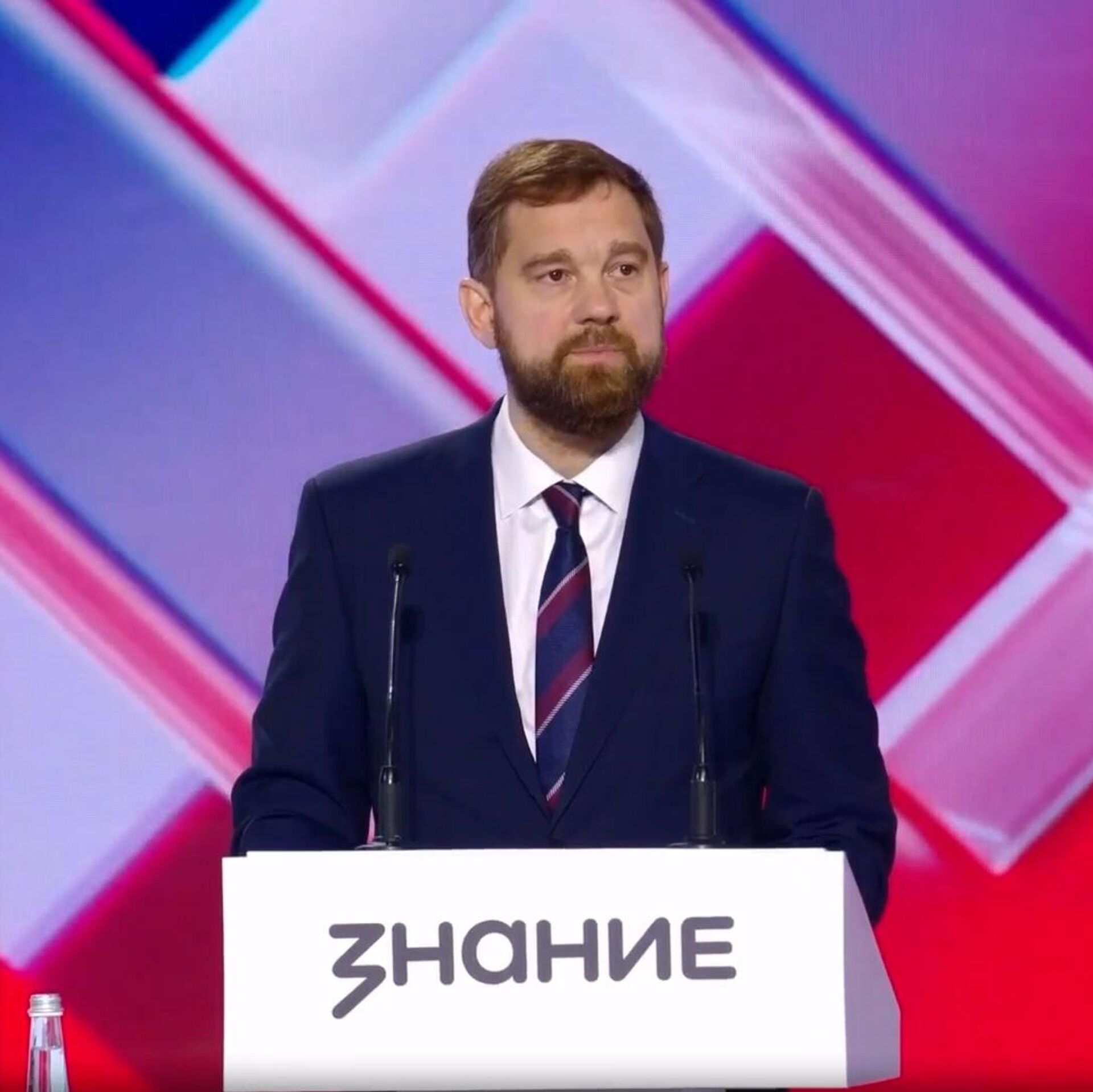
On the eve of the Day of Indigenous Small-Numbered Peoples of Russia head of the Federal Agency for Ethnic Affairs Igor Barinov delivered the lecture Indigenous Small-Numbered Peoples of the North, Siberia and the Far East: Sustainable Development in Practice at the federal educational marathon “Znaniye. The First."
“The indigenous small-numbered peoples of the North, Siberia and the Far East are not extincting museum exhibits. They are a developing community, an integral part of the multiethnic Russian people and its pearl,” said Igor Barinov.
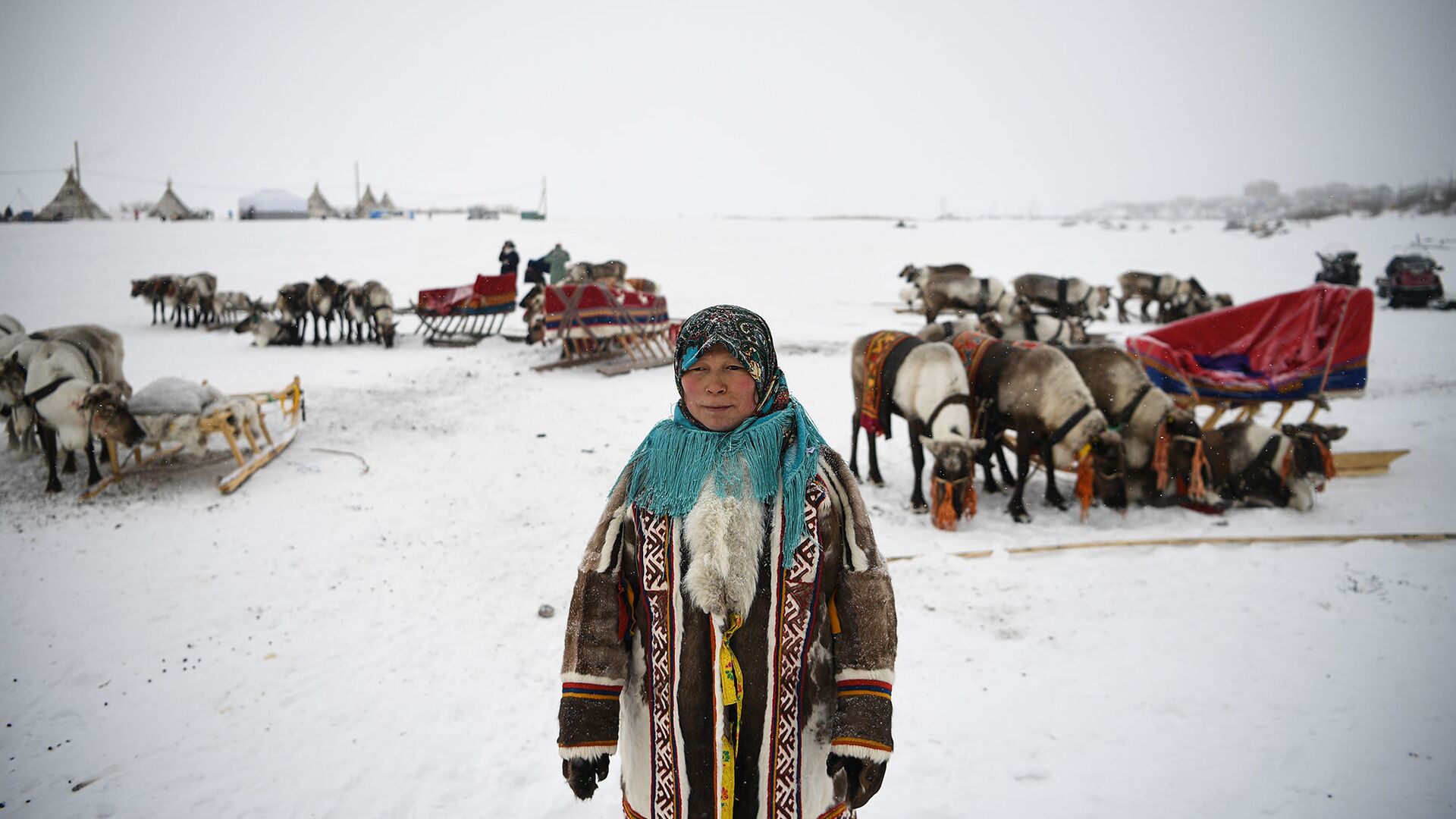
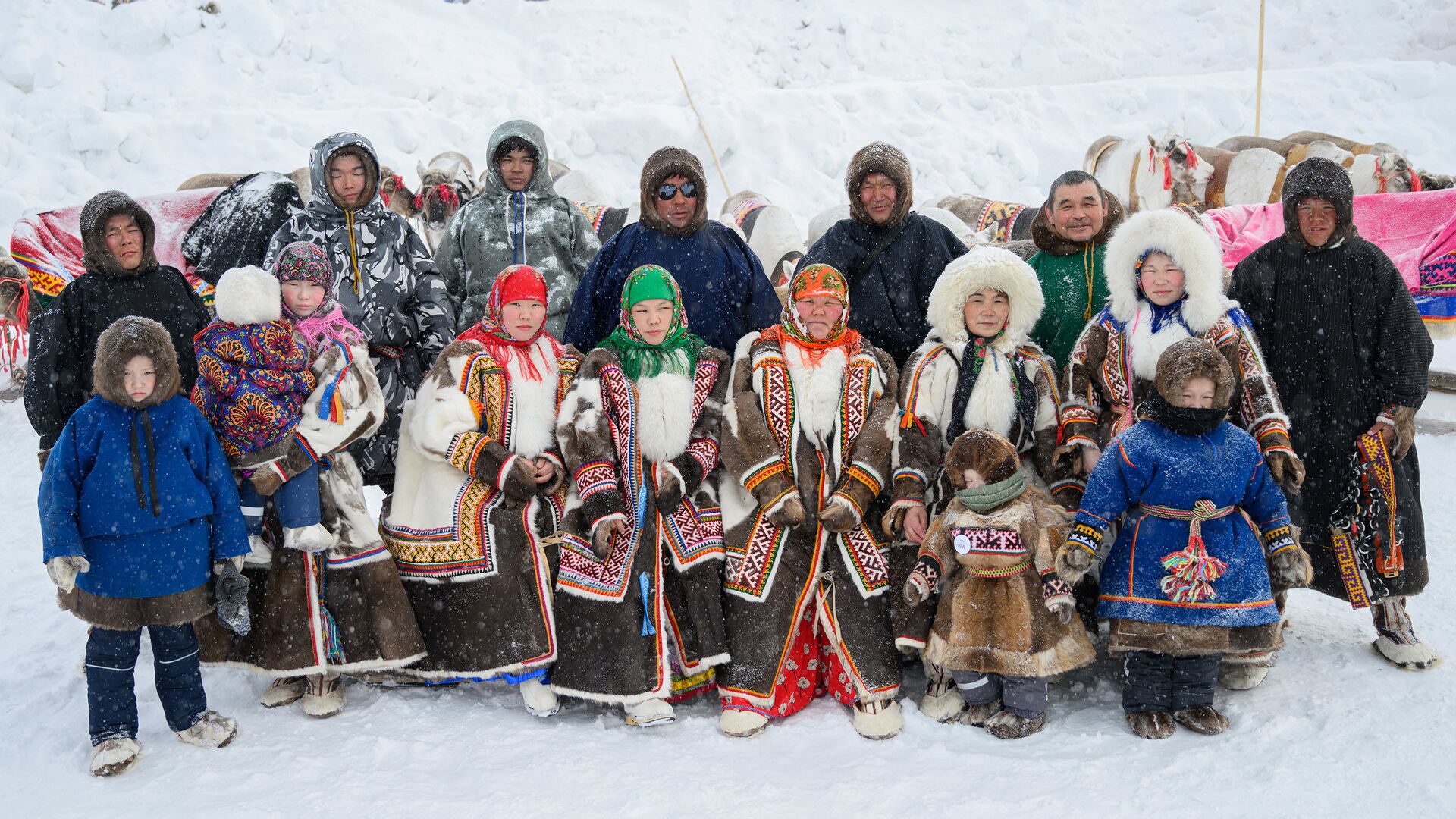
In his presentation the Agency head noted that currently over 190 ethnic groups live in Russia, and 47 of them are indigenous and numerically small peoples. Notwithstanding their small population – about 300,000 – the territories they inhabit account for over half of the country's total area.
A considerable part of the lecture dwelt on the modern Concept of Sustainable Development of the Indigenous Small-Numbered Peoples of the North, Siberia, and the Far East until 2036.
“We should maintain the balance between the traditional way of life and access to the modern benefits of civilization, communication, medicine and education,” he stressed.
While mentioning the successful experience of supporting the indigenous small –numbered peoples he emphasized the amendments to the law on education making it possible to establish nomadic schools.
“Teachers live together with the reindeer breeders’ teams educating children without separating them from the family. This way children can preserve their language and cultural habits,” said the Agency head.
He also mentioned the emergence of a new profession in 2025: a nomadic dwelling worker or a chum keeper.
“Nomadic dwelling workers with teaching qualifications often combine this role of chum keeper with teaching at nomadic schools,” said Igor Barinov.
Tundra dwellers in need of urgent medical aid have an air medical service despite a high cost of flights.
“A helicopter flight costs a lot of budgetary funds, still regional authorities do this because they understand that this is indispensable in today’s life,” explained the official.
He also pointed out the efforts to make digital technologies available.
“Yamal reindeer herders have got the satellite communication and the Internet. The Khanty-Mansi Autonomous Area is implementing the IT Nomads Camp project consisting in the installation of satellite or cellular communication enhancement equipment to get an internet access,” he added.
Modern technologies are introduced in traditional chores as well: to monitor the reindeers’ migration they use satellite tracker neck strips in Chukotka or UAVs in the Krasnoyarsk Territory.
Thanks to the government policy we can witness a tangible population growth: the number of Russia’s indigenous small-numbered peoples has grown by 20 percent over the recent 30 years.
“Well, some ethnic groups are growing at a faster pace, some have reduced in number, but the general trend is clear,” said Igor Barinov.
The Agency head has underscored that indigenous peoples provide for the food security in remote areas, preserve unique ecological and metrological knowledge and take part in protecting the Arctic borders.
More than a half of the Russian territory has been legally recognized as the land of indigenous peoples with a special legal status, which helped preserve their traditional way of life.
“Our state has its own historical experience and national standards in securing sustainable development of indigenous peoples. They fully meet international law and in many ways represent even higher standards,” underlined the speaker in his presentation.